Ask the Author

Ask the Author: Are easter eggs in novels just foreshadowing?

If you spend enough time on bookish social media, you’ll eventually see someone point out an “easter egg” in a novel—and there’s a good chance they’re actually talking about something else entirely. This is the topic of today’s Ask the Author.

Dear Mandy,

Question: Are easter eggs in a novel just foreshadowing?
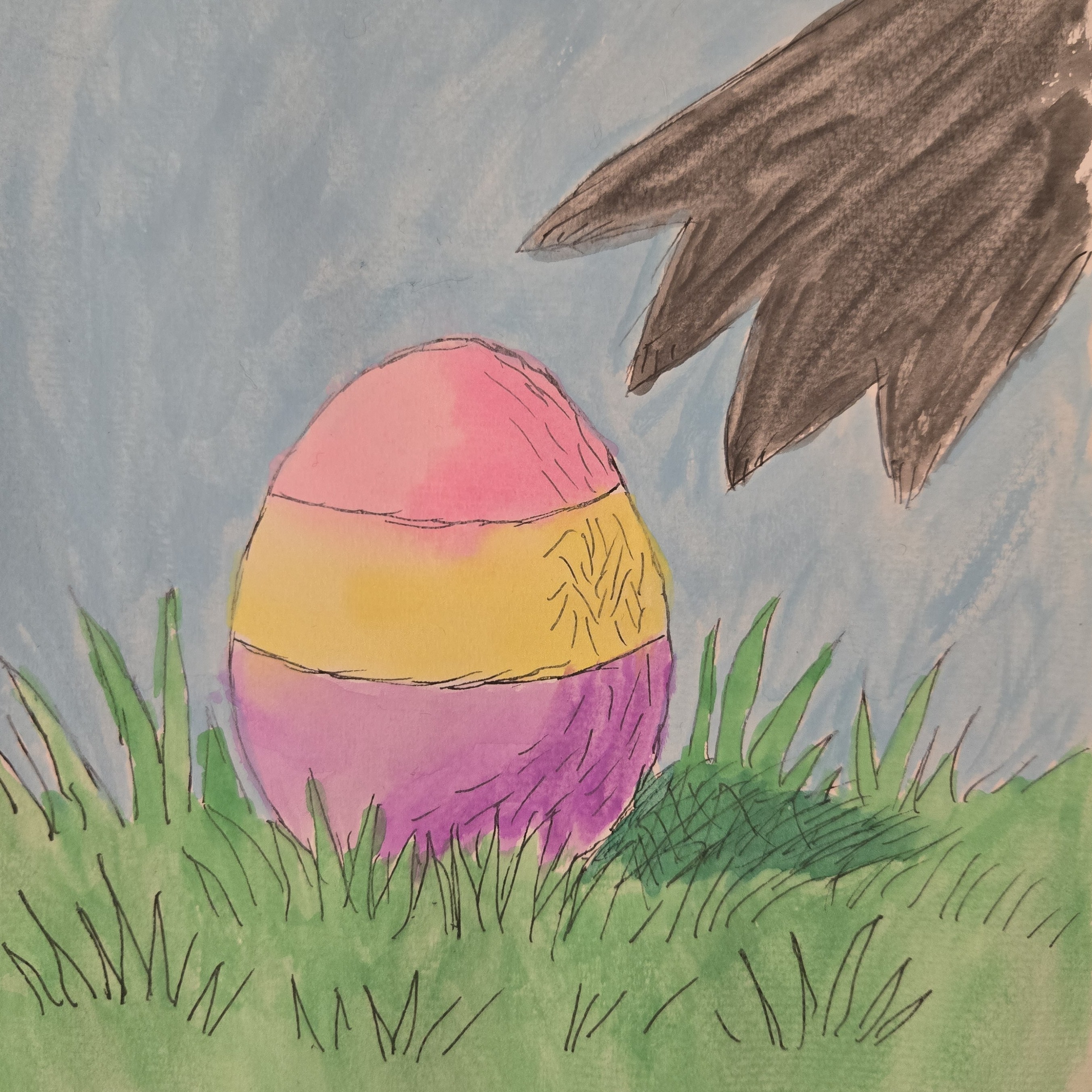
Not every hidden detail in a story is an “easter egg.” Some are clues, some are foreshadowing—and some are just there for readers who like looking a little closer. In today’s Ask the Author, I unpack the difference– and how the internet sometimes gets literary terms hilariously wrong.

Answer: Lately I’ve noticed a lot of readers on social media using the term easter egg when what they really mean is foreshadowing. The two are not the same thing, even though they both involve details hidden in a story.

Foreshadowing is a storytelling technique. It’s when an author plants clues early in the narrative that hint at something that will happen later. A seemingly harmless line of dialogue, an object that appears briefly in chapter two, a character’s odd reaction to something—these details quietly prepare the reader for future events. When the twist or revelation finally arrives, the earlier hints suddenly make sense. Good foreshadowing makes a story feel inevitable rather than random.

Continue reading “Ask the Author: Are easter eggs in novels just foreshadowing?”
Finish Writing Your Novel Now!

Wrapping up the novel writing series — and what’s next

Almost a year ago, I started this series to walk writers through the steps of the novel writing process. It’s been an incredible journey, and I hope you’ve found real value in the posts—whether you’re just starting your first draft or have been wrestling with a novel for years. Writing a book is no small feat, and I’m so glad to have been part of your journey in some way.

Wrapping up the novel writing series and tying a bow on the journey—here’s to new chapters ahead!

To make it easier for you to revisit any step or catch up on what you missed, I’ve created a dedicated page on the website that links to each section of the series. You’ll also find information there about my upcoming book, Write the Damn Novel, Already: A step-by-step guide for first-time novelists and repeat quitters. The book collects everything from this series into one easy-to-use guide with extra tips and tools designed to help you finally finish writing your novel.

Continue reading “Wrapping up the novel writing series — and what’s next”
Finish Writing Your Novel Now!

What comes after “The End”: the final step in the novel writing process

Finishing a novel is an incredible accomplishment—but if you’re anything like most writers, you’re already thinking about the next one. That’s why the final step in this series on the steps of the novel writing process is simple but essential: repeat the process.

The final step of writing a novel? Do it again—because every great writer keeps going.

Writing your first novel teaches you a lot. You learn what sparks your creativity, where you tend to get stuck, and which tools and strategies actually help you move forward. As you begin your second (or fifth or tenth) book, you get to carry all that hard-earned knowledge with you. Take what worked from this series and leave what didn’t. There’s no one right way to write a novel—but with each project, you can refine your own.

Continue reading “What comes after “The End”: the final step in the novel writing process”
Finish Writing Your Novel Now!

Supporting fellow indie authors: real strategies that benefit you too

As an independent author, it’s tempting to see other writers as competition—but that mindset can hold you back. The truth is, supporting fellow indie authors can be one of the most effective and rewarding ways to grow your own audience. By building genuine connections and promoting others, you not only foster goodwill in the writing community, but you also create opportunities to expand your reach and visibility in return.

Collaboration, not competition—indie authors grow stronger together.

Promoting other authors doesn’t just benefit them. It benefits you, too. Here’s how:

Continue reading “Supporting fellow indie authors: real strategies that benefit you too”
Finish Writing Your Novel Now!

Sending publication slips to bookstores and libraries: a guide for independent authors

As an independent author, getting your book into bookstores and libraries can significantly expand your readership and increase sales. One way to achieve this is by sending publication slips to bookstores and libraries that may be interested in carrying your book. Here’s what you need to know about publication slips, how to create them, and how to strategically send them out.

The publication slip for my novel, If You Didn’t See it Coming follows the guidelines listed in this blog post for creating a publication slip for your independant novel.

What is a publication slip?

A publication slip is a one-page marketing sheet designed to introduce your book to bookstores and libraries. It provides key details that help book buyers decide whether to stock your book. Think of it as a quick sales pitch in print form.

Continue reading “Sending publication slips to bookstores and libraries: a guide for independent authors”
Finish Writing Your Novel Now!

Hand selling your independent novels: meeting readers and making sales

For independent authors, meeting readers face-to-face is often the best way to sell books—especially before you gain widespread recognition. While online marketing is essential, there’s no substitute for personal interactions. Readers are more likely to buy a book when they meet the author, hear about the story firsthand, and form a connection. Here’s how to maximize your success with hand selling your books at events.

Check with your local bookstore to find out if they host authors for book signings. It’s a great way to connect with readers right in your local area!

To get started with hand selling, look for local events where you can set up a table and interact with potential readers. Consider:

Continue reading “Hand selling your independent novels: meeting readers and making sales”
Finish Writing Your Novel Now!

Using Goodreads to connect with readers and promote your independently published novels

Goodreads is one of the most powerful platforms for authors looking to connect with readers and promote their books. As a social networking site dedicated entirely to books and reading, it provides a unique opportunity for independent authors to gain visibility, interact with potential readers, and boost book sales. While there are other book-focused platforms, Goodreads remains the most prevalent and widely used.

Readers use GoodReads to keep track of the books they’ve read and want to read, books their friends are reading, and authors whose books they want to read more of!

Goodreads is an online community for book lovers, launched in 2007 and acquired by Amazon in 2013. It allows users to track the books they read, post reviews, participate in discussions, and discover new books through recommendations. With millions of active users, Goodreads is a go-to platform for readers searching for their next read.

Continue reading “Using Goodreads to connect with readers and promote your independently published novels”
Finish Writing Your Novel Now!

Using an author website, social media, and profiles to build your brand and promote your books

As an independent author, your online presence is one of your most powerful marketing tools. A strong digital platform helps readers discover your work, connect with you, and stay updated on new releases. This post will cover how to effectively use an author website, social media, and author profile pages to build your brand and sell more books.

Whether you enjoy using social media or not, readers these days enjoy connecting with their favorite authors online!

Why you need an author website

Your website acts as your home base—a professional hub where readers, journalists, and event organizers can find everything they need to know about you. It should include:

  • A way for people to contact you for interviews, collaborations, or event invitations.
  • Links to buy all of your books.
  • Any interviews you’ve done, either in print, podcasts, or video.
  • A list of upcoming events, such as book signings and launches.
  • Links to your social media profiles so readers can easily follow you.
Continue reading “Using an author website, social media, and profiles to build your brand and promote your books”
Finish Writing Your Novel Now!

Setting up a mailing list to promote your independently published novels

A mailing list is one of the most powerful marketing tools an independent author can use. Unlike social media, where algorithms dictate who sees your content, an email list allows you to communicate directly with readers who are interested in your work. Over time, this can help you build a dedicated readership, generate book sales, and create a loyal fan base.

Your mailing list should include email addresses as well as any other identifying information you might be able to collect on your potential readers and other writing-related contacts.

How mailing lists work and why they matter

Mailing lists are a direct line to your audience. When readers sign up, they give you permission to send them updates, exclusive content, and promotional offers. This relationship-building tool helps you:

  • Build long-term connections with readers who are genuinely interested in your work.
  • Keep readers engaged between book releases.
  • Promote new books, special discounts, and events.
  • Share exclusive content like bonus chapters, behind-the-scenes insights, or personal updates.
Continue reading “Setting up a mailing list to promote your independently published novels”
Finish Writing Your Novel Now!

Tips for writing an author bio that engages readers and promotes your books

An author bio isn’t just filler for the back of your book or website—it’s one of your most powerful marketing tools. When done right, it helps readers connect with you, understand what you write, and feel more inclined to explore your work. In this post, you’ll learn how to craft an author bio that showcases your personality, builds trust, and turns casual browsers into loyal fans.

It’s important to take time to think about what parts of YOU might help you sell your novels when writing your author bio.

An author bio isn’t just a quick blurb about who you are—it’s an opportunity to connect with potential readers and invite them into the world of your books. A well-crafted bio can spark curiosity, build trust, and even inspire readers to pick up your work. Here are some tips for writing an author bio that makes an impact:

Continue reading “Tips for writing an author bio that engages readers and promotes your books”