Author Interview

Author interview: Kathy Hess on Beautiful and Terrifying, “First Drink,” and writing across fiction and poetry

In this contributor interview, Kathy Hess discusses her short story “First Drink” and her poetry featured in Beautiful and Terrifying: Tales and Visions from the Edge of the Uncanny, along with the influences and writing practices that shape her work.

Kathy Hess writes with a sense of devotion to both story and craft, weaving together fiction and poetry that linger in memory long after they’re read. Her short story “First Drink” and three accompanying poems in Beautiful and Terrifying reflect her fascination with the supernatural, the emotional depth of relationships, and the quiet rituals that shape a creative life. In this interview, she shares the literary works that first sparked her imagination, the discipline behind her daily writing practice, and the ways in which memory, family, and imagination continue to guide her work across forms.
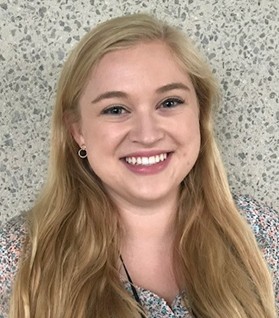
Kathy Hess is the author of “First Drink” and three poems featured in Beautiful and Terrifying. Her work blends the supernatural with deeply human moments.

Q: What/who were your early literary influences, and how do you think their writing has shaped you as a storyteller today?
A: One early literary influence that has stuck with me was when I read Les Misérables in high school. It was the summer project, and I loved it. I bought a copy myself and read it so much the following years that the cover broke off and the binding split in half. I would keep the two halves of the book tied up with a ribbon. I have other copies of the book now, but I still have the crumpled, warped, coverless version with the pink ribbon holding it together.
Continue reading “Author interview: Kathy Hess on Beautiful and Terrifying, “First Drink,” and writing across fiction and poetry”
Ask the Author

Ask the Author: Can genre fiction be literary?

Dear Mandy,

Can genre fiction be literary?

Genre fiction isn’t trying to tiptoe past the literary gatekeepers—it’s already storming the pedestal. Depth, fun, dragons, and dystopias: all at once. Who says you can’t have it all?”

Answer: IDK, Patty, do you think works by Edgar Allan Poe and Mary Shelley are literary? If so, do you think they aren’t also genre fiction? What about Wuthering Heights (gothic/mystery), Brave New World (dystopian), or The Lord of the Rings (epic fantasy)?

Exactly.

This question comes up a lot, and it’s usually asked with the unspoken assumption that genre fiction sits a rung or two below “real” literature. As if, once you introduce a murder, a monster, a dragon, or a dystopian government, depth immediately evacuates the premises. So, let’s slow down and actually unpack what we’re talking about.

Continue reading “Ask the Author: Can genre fiction be literary?”
Author Interview

Interview with A.R. Kaufer: weaving fairytales, fantasy, and found family into unforgettable worlds

A.R. Kaufer has been writing stories since she was thirteen, and in just a few short years, she’s built an impressive catalog of fantasy and romantasy novels that enchant readers around the world. Best known for The Courtship Saga and The Stolen Royalty Series—a collection of fairytale retellings with a paranormal twist—Kaufer blends emotion, adventure, and inclusivity into every tale.

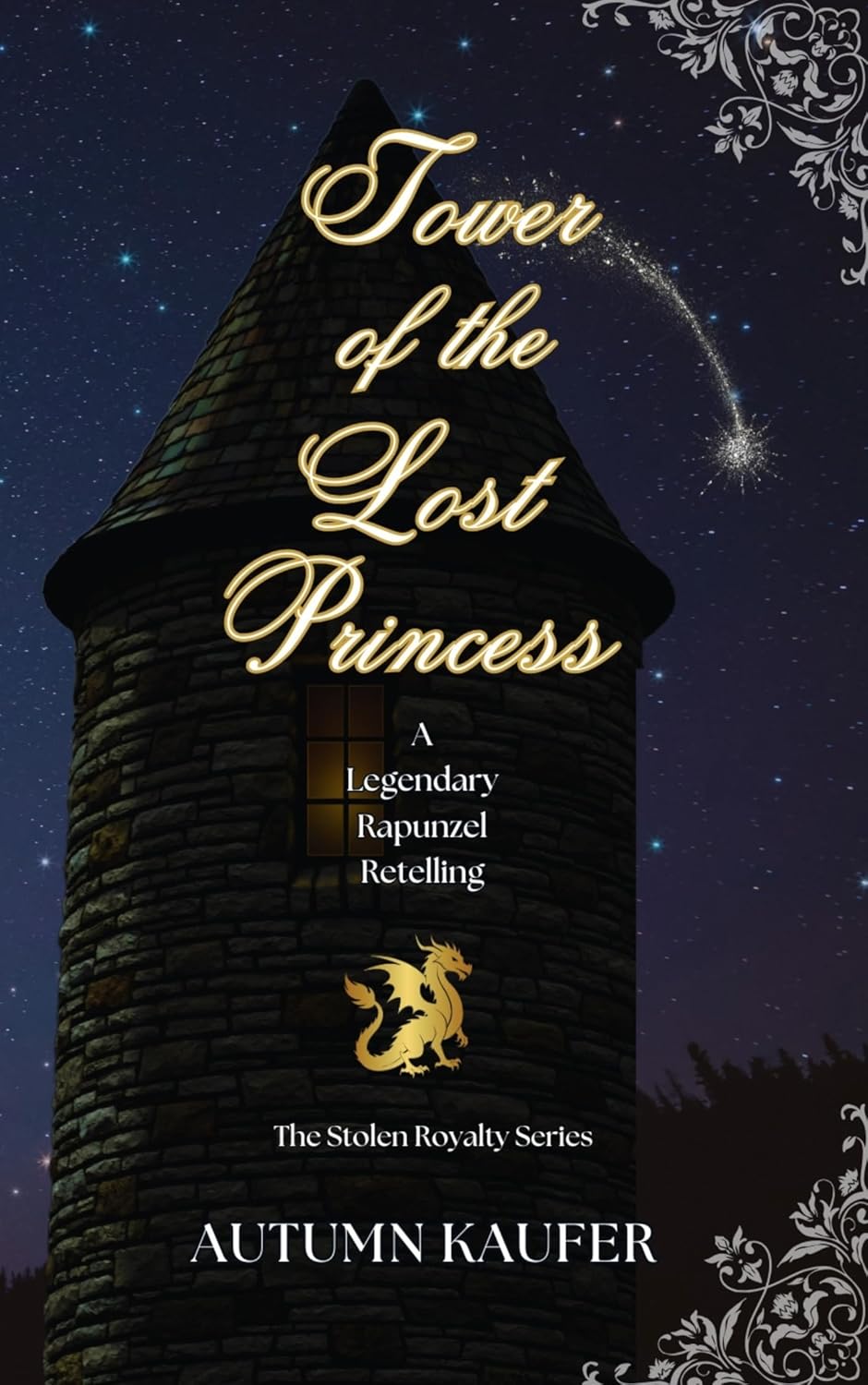
Get your copy of Tower of the Lost Princess from my independent online bookstore today!

In this interview, Kaufer shares her journey from her early influences like Stephen King and Poe to her love of found family tropes, her approach to representation, and her newest release, Tower of the Lost Princess, a “Rapunzel meets Robin Hood” story that’s sure to captivate fans of magical worlds and heartfelt storytelling.

Continue reading “Interview with A.R. Kaufer: weaving fairytales, fantasy, and found family into unforgettable worlds”
Author Interview

Author interview with romantasy writer Rebecca Parcha

From retelling Little Red Riding Hood in a childhood writing class to crafting fierce, magic-wielding heroines who defy the patriarchy, romantasy author Rebecca Parcha has always known the power of a good story. Inspired by literary icons like Virginia Woolf and modern romantasy trailblazers like Sarah J. Maas, Rebecca blends old-world symbolism with bold, emotionally rich narratives that champion strong female leads and challenge societal norms. In this interview, she opens up about her writing rituals, literary influences, and what it means to create work that not only entertains, but empowers.

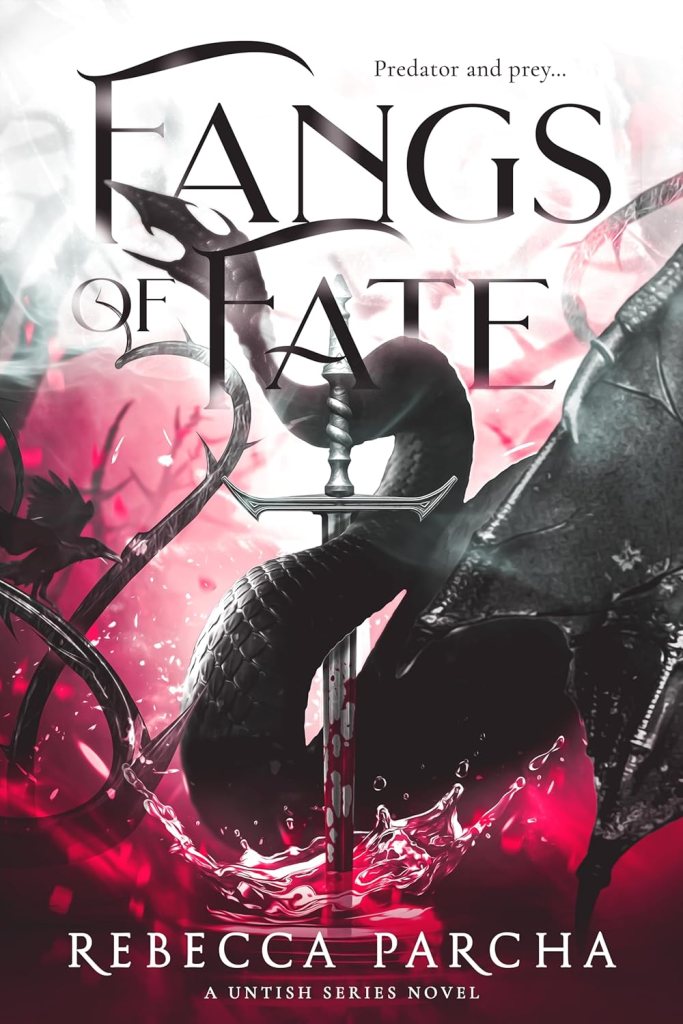
In Fangs of Fate, Tate Aaralyn walks a dangerous line between predator and prey—an executioner of justice in the human realm and a conflicted vampire in the Glenn, where her hunger feels like a curse. When a disciplinary hearing forces her into service with the guara, Tate must confront dark truths, a mysterious bond with a powerful vampire named Aether, and her own evolving power. Meanwhile, Chance Dale, the president’s son and her former lover, uncovers a sinister threat rising within the vampire world. As their paths cross again, both must decide whether love is their salvation—or their undoing.

Q: What/who were your early literary influences, and how do you think their writing has shaped you as a storyteller today?
A: I love Virginia Woolf. I’m a huge fan of A Room of One’s Own. Her short stories are also amazing. To me, getting to study her and her life in college was one of my favorite parts of various literature classes. Beyond her, I’d say Hemingway, Poe, and George Lillo would also be up there as far as influential favorites within cherished prose and plays. There’s also the Brothers Grimm and Anne Saxton who I also have a great appreciation for.

Continue reading “Author interview with romantasy writer Rebecca Parcha”