Book Reviews, Find Your Next Read

Ours is a Tale of Murder by Nora Murphy: A suburban thriller that refuses to behave

Nora Murphy’s Ours is a Tale of Murder opens in a quiet neighborhood that feels instantly familiar—and immediately uneasy. Klara and Troy live behind the white picket fence she never wanted and he always did, their marriage polished on the surface and deeply wrong underneath. Across the street from where their story unfolds, Mary prepares to sell the blue house that holds too many memories of her son and her past mistakes. Nearby, Henry, recently laid off and back in his childhood bedroom, watches everyone a little too closely. From the start, Murphy invites us into a story about observation, judgment, and the lies we tell ourselves about the people we think we know.
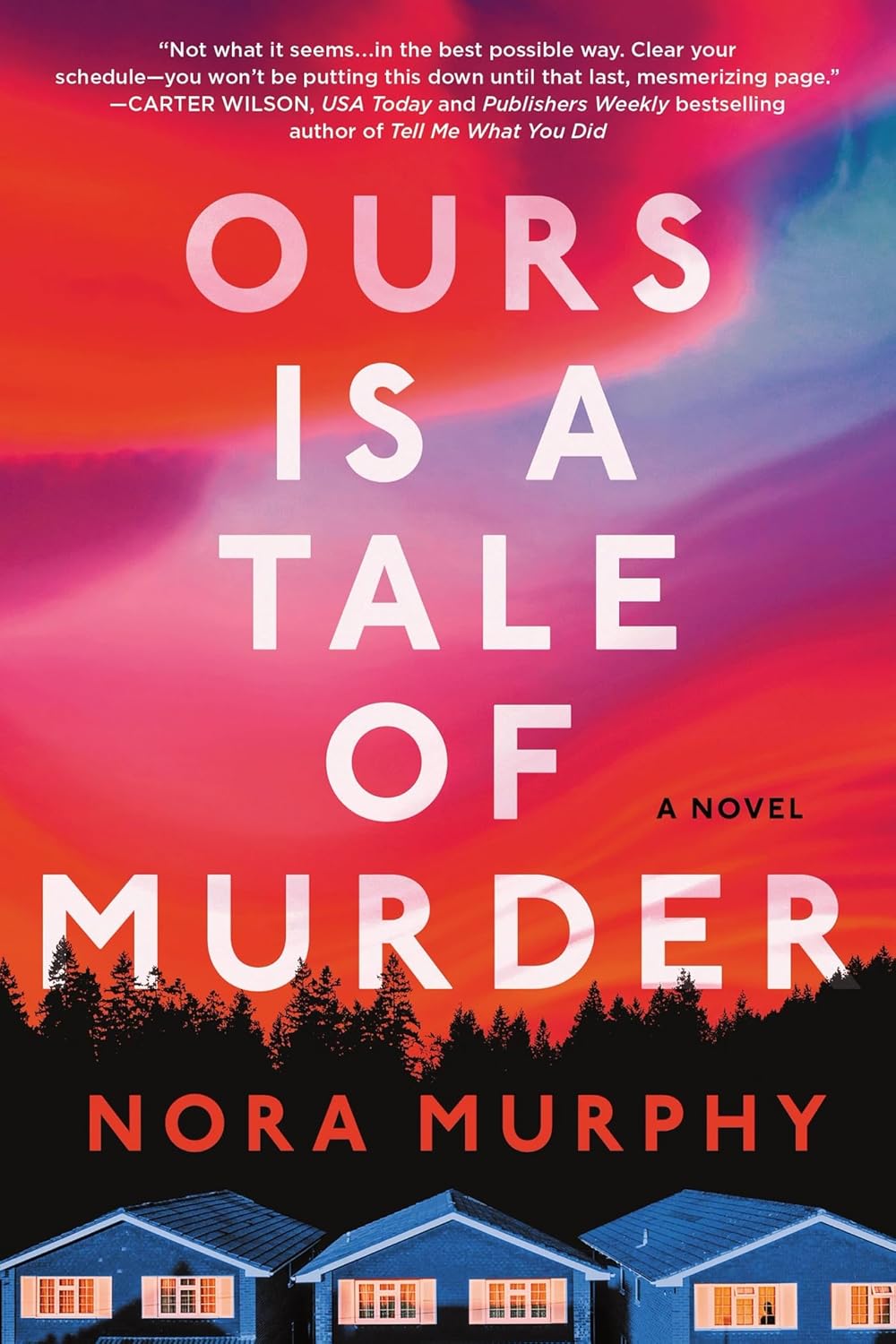
Get your copy of Ours Is a Tale of Murder from my independent online bookstore today!

About halfway through the novel, I realized Murphy was doing something quietly experimental with the structure. The storyline I was most emotionally invested in came to an abrupt halt, and my first reaction was frustration—I wanted to stay with Klara longer. But instead of bailing, I kept reading, and that choice paid off. The narrative begins to weave back around on itself in unexpected ways, reframing earlier scenes and assumptions. This is very much a book that makes you want to reread it, if only to spot the details you missed the first time—the moments that might have tipped you off that the story was never going to move in a straight line.

Continue reading “Ours is a Tale of Murder by Nora Murphy: A suburban thriller that refuses to behave”

Finish Writing Your Novel Now!, Memoir

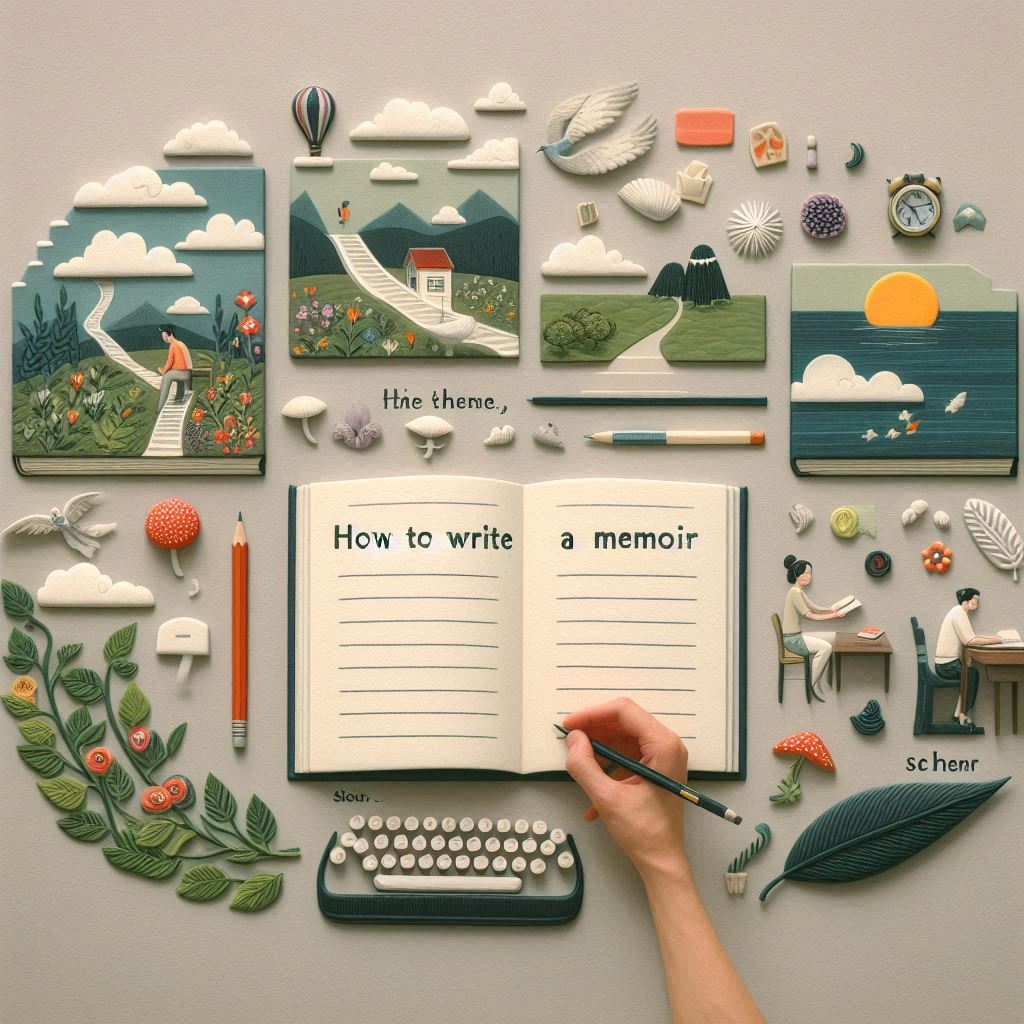
How to write a memoir: Start with the theme, then build the story

If an autobiography tells the story of your whole life, a memoir zooms in on a specific piece of it. A memoir is a focused narrative built around a central theme or question, often rooted in transformation, struggle, identity, or insight. It’s not about everything that’s ever happened to you—it’s about what happened and why it matters.

Instead of telling an entire life story, a memoir zooms in on a particular “slice”—a specific period, theme, or experience that defined or transformed the author. Memoirs tend to be more literary and reflective, often prioritizing emotional truth and personal insight over comprehensive detail.

In my last blog post, we talked about how the basic steps of the novel writing process can be used to write a full autobiography. The same holds true for memoir—but with one crucial shift. With memoir, the first step isn’t structure. It’s theme. Let’s walk through how to find your theme and shape your memoir around it—one notecard at a time.

Continue reading “How to write a memoir: Start with the theme, then build the story”
Finish Writing Your Novel Now!

How to edit and proofread your novel in multiple formats (and why you should)

When it comes to editing and proofreading your novel manuscript, one of the most valuable steps you can take is to review it in multiple formats. While most writers are familiar with the basic practice of editing in a Word document, there are significant advantages to seeing your work in different forms, such as ePub on a phone or tablet, in print, or even reading it aloud.

A woman proofreads her novel manuscript
Printing your novel manuscript on paper can help you spot errors you might otherwise miss.

Each format provides a fresh perspective, revealing unique errors, inconsistencies, and areas for improvement that might go unnoticed in just one version. In this blog post, we’ll explore why editing and proofreading your novel across different formats is a crucial step toward ensuring your manuscript is polished, professional, and ready for readers.

Continue reading “How to edit and proofread your novel in multiple formats (and why you should)”
Finish Writing Your Novel Now!

Proofreading your novel manuscript

Proofreading is the process of carefully reviewing a written document for errors in spelling, grammar, punctuation, formatting, and other issues. It is the final stage of the revise and refine step of the novel writing process. The goal of proofreading is to catch any mistakes that may have been missed during the writing, revising, and editing processes, and to ensure that the final document is error-free and polished.

a man proofreading his novel manuscript
Proofreading is a crucial last step in the revise and refine stage of the novel writing process.

Proofreading typically involves reading through the document word-by-word and line-by-line, and making corrections as needed. This may include fixing typos, correcting grammar and punctuation errors, and ensuring that the document follows a consistent style and formatting. Proofreading is an important final task in the revise and refine stage of the novel writing process and is often done before submitting a document to an agent or editor or prior to independently publishing the work.

Continue reading “Proofreading your novel manuscript”
Finish Writing Your Novel Now!

The end: writing the final chapter of your novel

Writing the final chapter of a novel is both a challenge and an opportunity for any writer. It’s the culmination of everything that’s come before it, and it has the power to leave a lasting impression on the reader. The final chapter must tie up loose ends, provide emotional resolution, and, ideally, evoke a sense of closure or reflection. Whether it’s an uplifting conclusion, a twist ending, or an open-ended finale, how you choose to end your novel can significantly affect how your readers perceive the entire story.

Perfecting the last chapter of your novel may lead to new beginnings.

The final chapter of a novel often undergoes significant changes between the first draft and the last revision. In the early stages, the conclusion might be rough, overly simplistic, or even unfinished, as writers are more focused on getting the story down than they are on perfecting the ending. Over the course of revisions, the final chapter may evolve in response to changes in the plot, character arcs, or themes that emerged during the drafting process.

Continue reading “The end: writing the final chapter of your novel”
Finish Writing Your Novel Now!

The importance of multiple revisions in the “Revise and Refine” stage of novel writing

When it comes to writing a novel, the first draft is just the beginning. Many writers assume that once the manuscript is completed, their work is done. But the truth is, the real magic happens during the revise and refine stage of the novel writing process. This stage, where you review and refine your manuscript through multiple revisions, is crucial for transforming a rough draft into a polished, compelling novel. In this blog post, we’ll explore why working through multiple revisions is vital for any writer and how to make the most of this process to elevate your manuscript.

Completing multiple revisions of your novel manuscript is an essential part of the revise and refine stage of the novel writing process.

The revise and refine stage is where your manuscript truly comes to life. During this phase, you aren’t just fixing grammar and punctuation errors—you’re strengthening your plot, deepening your characters, improving pacing, and ensuring that your novel resonates with readers. Here are several reasons why multiple revisions are so important:

Continue reading “The importance of multiple revisions in the “Revise and Refine” stage of novel writing”
Finish Writing Your Novel Now!

Strategies for trimming unnecessary scenes from your novel

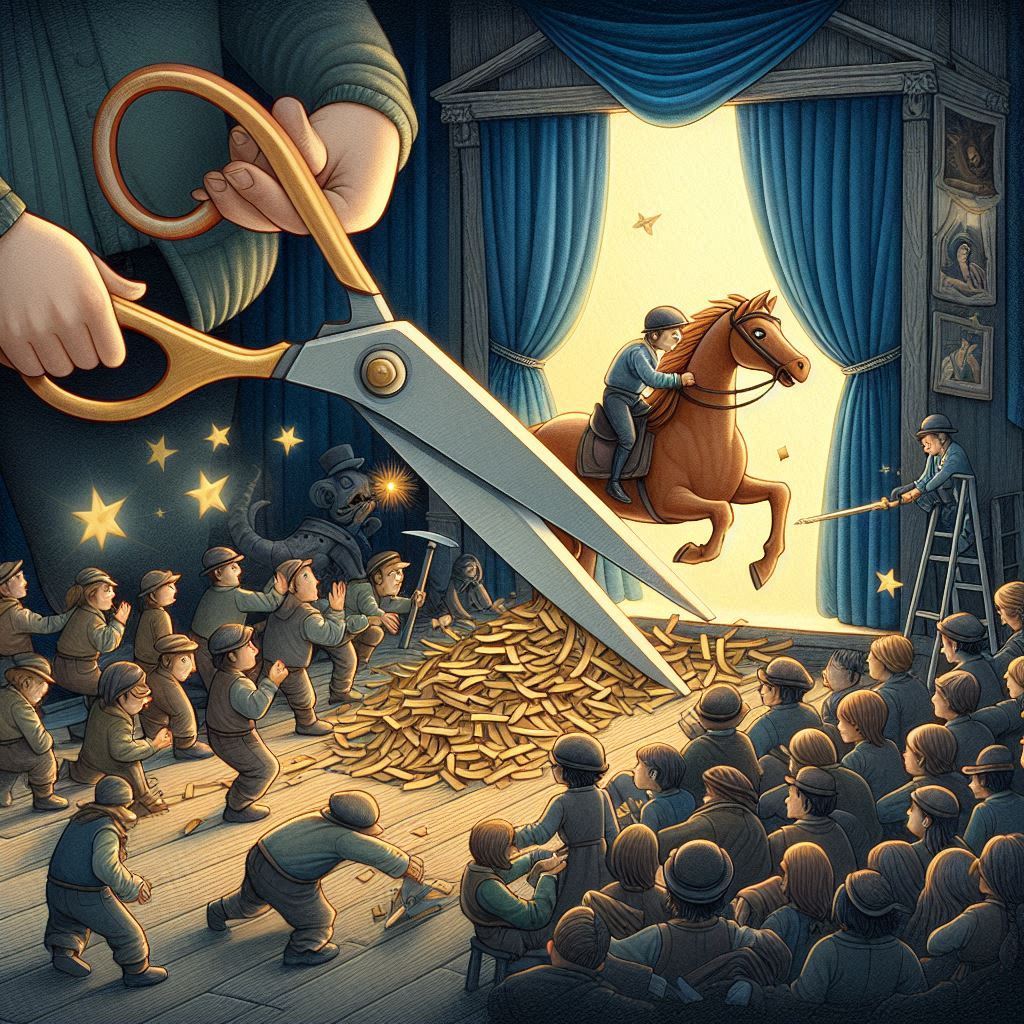
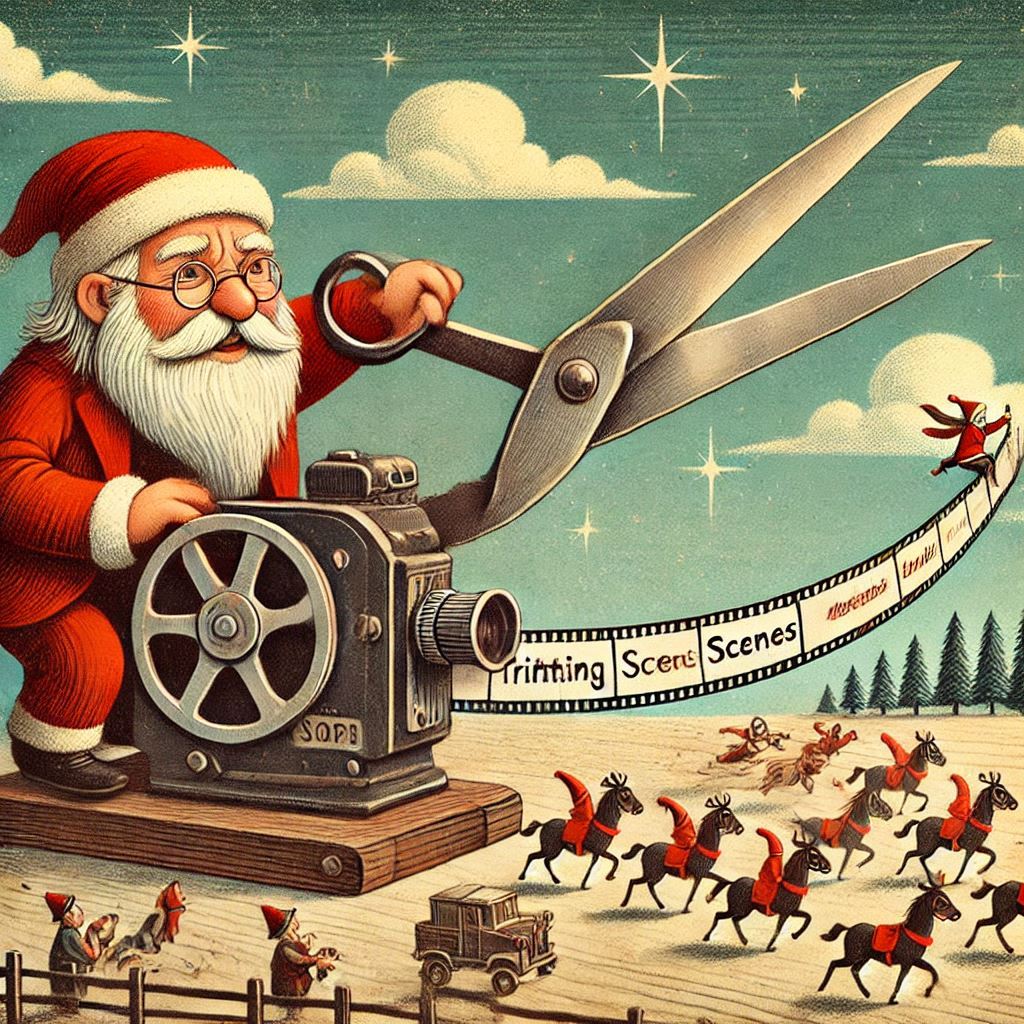
Now that you’ve learned how to identify unnecessary scenes in your novel manuscript, we will now explore various techniques for eliminating scenes that do not advance the plot, develop characters, or enrich the thematic elements of your work. Through careful editing and thoughtful revision, you can streamline your novel, making it a more engaging and cohesive read for your audience.

Writing a novel is a complex and rewarding endeavor, but it often involves creating scenes that may not contribute significantly to the overall narrative. When that happens, the only thing to do is “murder your darlings.”

Here are some strategies for trimming unnecessary scenes effectively:

Continue reading “Strategies for trimming unnecessary scenes from your novel”
Finish Writing Your Novel Now!

How to identify unnecessary scenes in your novel

Identifying unnecessary scenes in your novel is a crucial step in refining your manuscript and ensuring that every moment contributes meaningfully to the story. By learning to recognize and trim these extraneous parts, you can maintain a tight, engaging plot that keeps readers hooked from start to finish. Today, we’ll explore key indicators of unnecessary scenes and learn some practical tips to help you streamline your novel, making it more impactful and enjoyable for your audience

As writers, it’s easy to become attached to every scene we create, but not all scenes serve the greater narrative.

Knowing which scenes to cut can be tricky, but there are a few clear signs that can guide you. Here’s how to pinpoint scenes that may be weighing down your manuscript:

Continue reading “How to identify unnecessary scenes in your novel”
Finish Writing Your Novel Now!

Why you should trim unnecessary scenes from your novel manuscript

As writers, it’s easy to get attached to every scene we create. Each moment feels essential, whether it’s a deep character monologue or a beautifully crafted description of a setting. But sometimes, in the pursuit of a well-rounded, detailed story, we inadvertently pile on scenes that may not serve the greater narrative. The truth is, trimming unnecessary scenes is one of the most effective ways to strengthen your novel. In this post, we’ll discuss why cutting scenes is vital and provide tips on how to identify and trim the fat in your manuscript.

Trimming unnecessary scenes doesn’t mean you’re discarding your creativity—it’s about refining and strengthening your story. Here are a few reasons why trimming is crucial:

Continue reading “Why you should trim unnecessary scenes from your novel manuscript”
Finish Writing Your Novel Now!

What are dialogue mechanics in fiction writing?

Dialogue mechanics refer to the technical aspects of writing dialogue in creative writing. Getting dialogue mechanics right is essential in novel writing because it directly impacts the flow, authenticity, and readability of a story. Dialogue not only reveals character traits and advances the plot but also helps establish the tone and pacing of a scene.

Dialogue mechanics is just one element of ensuring effective flow and readability within your story.

Poorly executed dialogue can feel stilted or forced, interrupting the immersive experience for readers. On the other hand, well-crafted dialogue that follows the rules of mechanics—such as punctuation, speaker tags, and line breaks—enhances clarity, ensuring readers can follow conversations effortlessly. Mastering these elements also enables writers to create natural-sounding exchanges that reflect real-life speech patterns, even in the context of fictional scenarios. Ultimately, dialogue mechanics are a crucial tool for writers to maintain rhythm, build tension, and craft compelling characters.

Continue reading “What are dialogue mechanics in fiction writing?”