
Finish Writing Your Novel Now!

The end: writing the final chapter of your novel

Writing the final chapter of a novel is both a challenge and an opportunity for any writer. It’s the culmination of everything that’s come before it, and it has the power to leave a lasting impression on the reader. The final chapter must tie up loose ends, provide emotional resolution, and, ideally, evoke a sense of closure or reflection. Whether it’s an uplifting conclusion, a twist ending, or an open-ended finale, how you choose to end your novel can significantly affect how your readers perceive the entire story.

Perfecting the last chapter of your novel may lead to new beginnings.

The final chapter of a novel often undergoes significant changes between the first draft and the last revision. In the early stages, the conclusion might be rough, overly simplistic, or even unfinished, as writers are more focused on getting the story down than they are on perfecting the ending. Over the course of revisions, the final chapter may evolve in response to changes in the plot, character arcs, or themes that emerged during the drafting process.

Continue reading “The end: writing the final chapter of your novel”

Finish Writing Your Novel Now!

How to ensure the first chapter of your novel sets expectations for the rest of your story

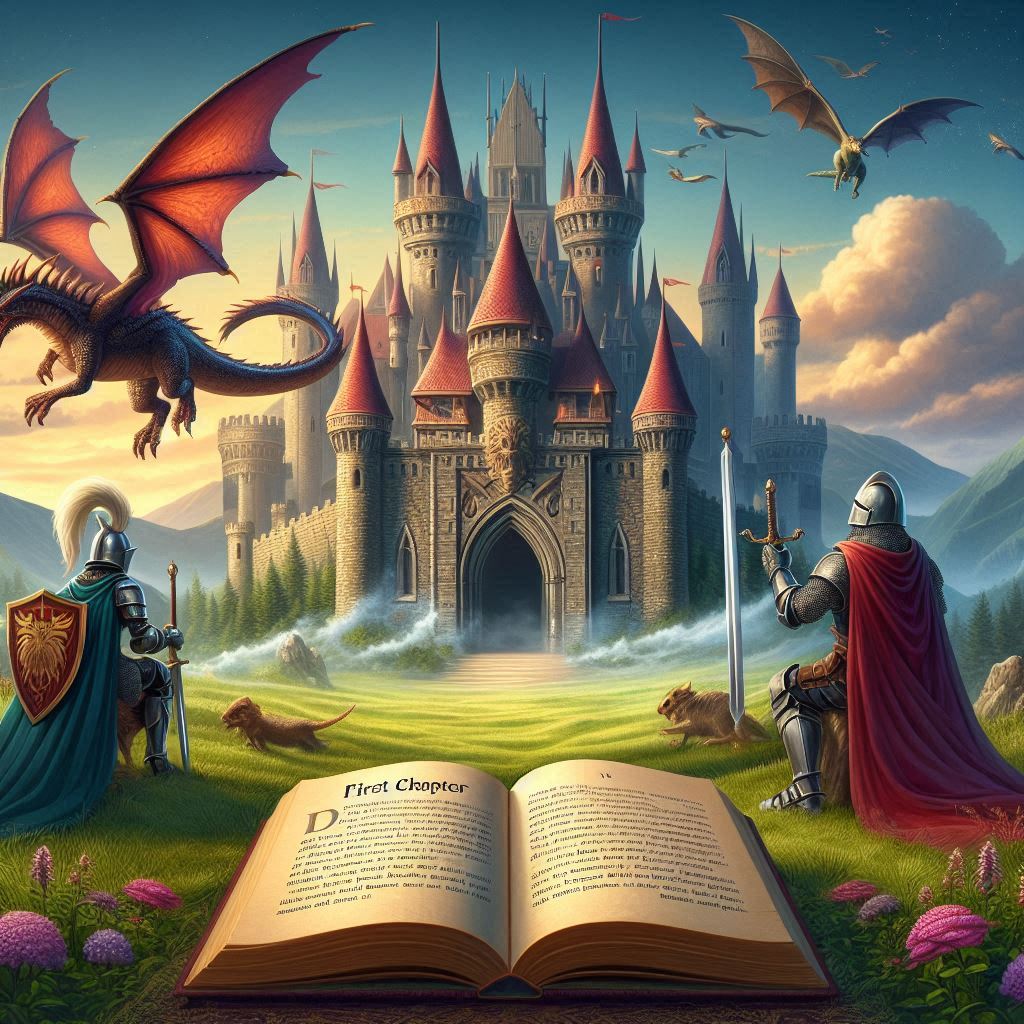
The first chapter of a novel is crucial in establishing the groundwork for the entire story, as it introduces readers to the world they’re entering and signals what they can expect in terms of tone, genre, and pacing. A strong opening chapter does more than just hook the reader—it serves as a promise, subtly hinting at the main themes, character journeys, and conflicts that will shape the narrative.

Regardless of what is happening in your story, the first chapter should provide readers with a solid idea of where the novel is going to take them.

Writers must carefully consider what to reveal and how to convey the essence of the story from the start, crafting an introduction that not only captivates but also lays the framework for what lies ahead. By thoughtfully setting these expectations, the first chapter can draw readers in and keep them eagerly turning pages, primed for the twists, growth, and resolution that will come.

Continue reading “How to ensure the first chapter of your novel sets expectations for the rest of your story”
Finish Writing Your Novel Now!

How to successfully break chapter one promises

In novel writing, the first chapter serves as a foundation for the reader, setting up initial expectations about plot, tone, and character arcs. However, successful storytelling often involves deviating from these initial promises in a way that adds depth and intrigue to the narrative. Breaking “chapter one promises” requires a careful balance: if done skillfully, it can surprise and engage readers, adding layers of complexity and unexpected turns to the story.

Some promises are made to be broken.

When handled poorly, however, it risks confusing or disappointing the audience. Understanding how to effectively subvert early expectations—whether through plot twists, character development, or shifts in tone—allows a writer to create a dynamic and memorable reading experience that keeps audiences invested and eager to see where the story leads.

Here are some strategies for successfully breaking your chapter one promises without breaking your novel:

Continue reading “How to successfully break chapter one promises”
Finish Writing Your Novel Now!

The pros and cons of breaking Chapter One promises

In storytelling, the opening chapter of a novel serves as a promise to the reader, establishing tone, genre, character dynamics, and key themes that shape their expectations for the rest of the narrative. Breaking these promises can occur when the story later diverges significantly from what was initially implied, often leading to confusion or disappointment. However, when done skillfully, breaking these early promises can also serve as a powerful tool for subverting reader expectations, adding layers of depth, or creating surprise twists that enhance the overall impact of the novel. The challenge lies in balancing misdirection with satisfying storytelling.

You should always carefully weigh the pros and cons before decide to break your chapter one promises.

Breaking chapter one promises in a novel can be a bold and creative storytelling technique that keeps readers engaged and surprised. By deviating from the initial expectations set in the first chapter, authors can introduce plot twists, deeper character developments, or genre shifts that challenge assumptions and create a more dynamic narrative. This unexpected shift can enhance the story’s complexity, making it more memorable and impactful.

Continue reading “The pros and cons of breaking Chapter One promises”
Finish Writing Your Novel Now!

Does the first chapter of your novel make promises it can’t keep?

Chapter One: it’s where every story begins. It sets the reader’s expectations of what they are about to read and often makes promises that it must keep in order to satisfy the reader. It’s a big job, and not every chapter is cut out to do it. It’s common in the revise and refine stage of the novel writing process to realize that the chapter you thought would come first just isn’t ready to do all that heavy lifting. You might evaluate your novel manuscript and find yourself asking, “Where does this story actually begin?” Does your story begin with your current chapter one? Or do you need to write a whole new first chapter?

Be very careful of breaking your chapter one promises if you don’t want to break the hearts of these creepy A.I. twins!

The first chapter of a novel makes a number of promises to its readers, setting up expectations for the rest of the story. These promises may include:

Continue reading “Does the first chapter of your novel make promises it can’t keep?”
Finish Writing Your Novel Now!

Why is dialogue important in novel writing? | Revise and Refine

Dialogue is a key element of novel writing. In narrative writing, dialogue refers to the written conversation between characters. It helps reveal character personalities, relationships, and emotions through their words and interactions. Dialogue also advances the plot by conveying information, conflicts, or key events in a natural way. It breaks up descriptive passages and provides a sense of realism and immediacy to the story. Well-crafted dialogue can also enhance the tone, mood, and pacing of the narrative.

Dialogue in novel writing is the written conversation that occurs between two or more characters in a story.

Dialogue typically involves two or more characters taking turns speaking to each other. It may be presented in direct speech, where the characters’ exact words are written within quotation marks, or in indirect speech, where the gist of the conversation is conveyed without the exact words being spoken. Dialogue can be used for a variety of purposes in narrative writing, which I have outline below:

Continue reading “Why is dialogue important in novel writing? | Revise and Refine”