Call for Submissions

Call for Submissions: Mother Monster/Father Fiend

Elderfly Press is now accepting submissions for Mother Monster/Father Fiend, a new anthology exploring the shadowed edges of parenthood. We’re looking for short fiction, creative nonfiction, poetry, and black-and-white artwork that reveal the monstrous, misunderstood, or mythic aspects of motherhood and fatherhood.

This anthology invites you to challenge the cultural scripts of what a “good” parent looks like. Sometimes the monster is real—a parent whose choices hurt, haunt, or unravel the lives of those in their care. Other times, the monster is only a mask placed by society:

Continue reading “Call for Submissions: Mother Monster/Father Fiend”

Writers on Writing

Creepy characters we love to hate (and secretly can’t)

There’s something fascinating about a character who creeps you out, makes you uneasy, or shocks you with their actions—but somehow, you can’t bring yourself to hate them completely. These are the villains and morally gray characters who blur the line between right and wrong, forcing readers to wrestle with their own sense of judgment. They unsettle us, intrigue us, and make our hearts race, which is why they are perfect companions for October reading.

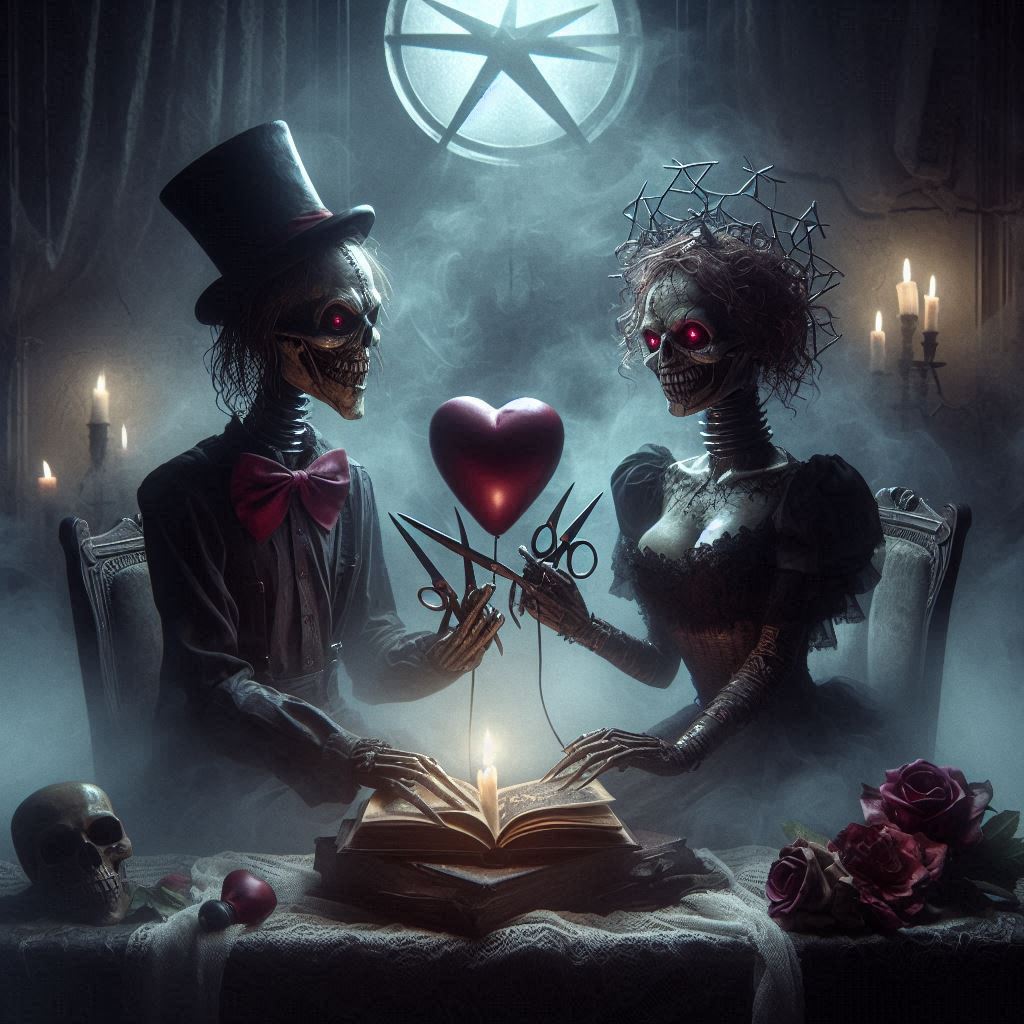
Sure, she’s pretty. But there’s also something uncanny about her. Do you trust her?

In thrillers and suspense novels, some characters are written to be frighteningly clever, ruthless, or unpredictable, yet their motivations or circumstances make their actions feel, at least in part, understandable. In How to Kill Men and Get Away with It by Katy Brent, the protagonist’s cunning and dark choices are chilling, but her perspective invites empathy and even admiration for her ingenuity. Bad Men by Julie Mae Cohen and This Girl’s a Killer by Emma C. Wells present characters whose morally questionable or violent actions are layered with complexity—making you uneasy, yet unable to fully condemn them.

Continue reading “Creepy characters we love to hate (and secretly can’t)”
Call for Submissions

Call for Submissions: Be My Weird/Wyrd Valentine

Love has always had a dark side—and we want to see yours. Elderfly Press is now accepting submissions for Be My Weird/Wyrd Valentine (working title), an anthology exploring the uncanny, unsettling, and sometimes downright horrifying side of romantic relationships.

We’re looking for stories, poems, essays, and black-and-white art that dive into the strange corners of love and desire—where passion turns perilous, intimacy hums with unease, and devotion blurs the line between beauty and terror. Whether it’s romance that defies reality, affection tinged with dread, or longing that transforms into something unrecognizable, we want work that lingers in the mind and twists the heart. Let the strange, the eerie, and the passionate collide—show us the love that frightens, bewilders, and enthralls.

Continue reading “Call for Submissions: Be My Weird/Wyrd Valentine”
Call for Submissions

Now accepting book-length submissions

At Elderfly Press, we are committed to publishing bold, literary works that unsettle, provoke, and linger long after the final page. We seek book-length fiction and creative nonfiction that confronts the hidden violence of the world—psychological, social, or supernatural—and gives voice to stories that challenge the patriarchal status quo.

We are especially drawn to:

  • Literary thrillers and suspense novels with a sharp edge.
  • Horror fiction that unsettles through atmosphere, voice, or psychological depth.
  • Creative nonfiction—including memoirs—that could be read with the intensity of a thriller or horror novel.
  • Works that expose the dark underbelly of the patriarchy, pulling back the veil on power, violence, and survival.
Continue reading “Now accepting book-length submissions”
Writers on Writing

The psychology of fear in literature and why we can’t look away #spooktober

There’s something irresistible about a story that makes our hearts race and our palms sweat, even when we know we’re perfectly safe on our couch. Fear in literature taps into a deep part of our psyche, and understanding why we seek it out can make us appreciate the stories that haunt us even more.

Why do we love to read spooky stories, especially in October?

Fear works in books because it connects to emotions we experience in real life: anxiety, uncertainty, and the unknown. When we read a thriller like Her One Regret by Donna Freitas, we feel the suspense of a character navigating danger and deception, our brains mirroring their tension as if it were our own. Horror, on the other hand, like Salt Bones by Jennifer Givhan or Something in the Walls by Daisy Pearce, introduces us to scenarios that feel uncanny or impossible. Our minds grapple with the unknown, the supernatural, and the morally unsettling, creating a lingering sense of dread.

Continue reading “The psychology of fear in literature and why we can’t look away #spooktober”
Writers on Writing

The key difference between horror and thriller books that most readers miss

The line between horror and thriller fiction is thinner than most readers think. Both keep you turning pages late into the night, heart pounding and mind racing—but they do it for very different reasons. Understanding what separates them reveals not only why we read them, but why they haunt us in different ways.

Sometimes it’s hard to find the line between a thriller novel and a horror novel.

A thriller’s purpose is to thrill, to make readers feel a rush of danger and urgency. It’s about tension, pace, and cleverness—the satisfaction of watching a hero outthink or outrun the forces closing in. The threat is usually external and grounded in reality: a killer, a kidnapper, a conspiracy, or a psychological cat-and-mouse game. The pleasure comes from seeing order restored, justice served, or a mystery solved, even if the cost is high. Books like Keep This for Me by Jennifer Fawcett or Hannah Richell’s One Dark Night are perfect examples of thrillers that keep you on the edge of your seat, weaving suspense with high-stakes personal drama.

Continue reading “The key difference between horror and thriller books that most readers miss”
Finish Writing Your Novel Now!

Does your novel need a prologue?

A prologue is an introductory section of a literary work, typically placed before the main story begins. When deciding if your novel needs a prologue, it’s important to consider its purpose in the story. A prologue can effectively set the stage, offering readers essential background information or a glimpse into events that shape the main narrative. For genres like fantasy or historical fiction, prologues often introduce complex worlds, key events, or mythologies. However, some prologues may feel extraneous, delaying the start of the main story and potentially losing readers’ interest.

Prologues are often a necessary element in genres like fantasy or historical fiction, as they can make necessary introductions to complex worlds, key events, or mythologies without bogging down the main story.

To determine whether your novel needs a prologue, first ask yourself if the information could be seamlessly woven into the main chapters instead. Writing a prologue can be a useful tool for introducing key elements to a novel, but it comes with its own set of challenges. Following are the pros and cons to consider when deciding whether to include a prologue in your book.

Continue reading “Does your novel need a prologue?”
Finish Writing Your Novel Now!

How to ensure the first chapter of your novel sets expectations for the rest of your story

The first chapter of a novel is crucial in establishing the groundwork for the entire story, as it introduces readers to the world they’re entering and signals what they can expect in terms of tone, genre, and pacing. A strong opening chapter does more than just hook the reader—it serves as a promise, subtly hinting at the main themes, character journeys, and conflicts that will shape the narrative.

Regardless of what is happening in your story, the first chapter should provide readers with a solid idea of where the novel is going to take them.

Writers must carefully consider what to reveal and how to convey the essence of the story from the start, crafting an introduction that not only captivates but also lays the framework for what lies ahead. By thoughtfully setting these expectations, the first chapter can draw readers in and keep them eagerly turning pages, primed for the twists, growth, and resolution that will come.

Continue reading “How to ensure the first chapter of your novel sets expectations for the rest of your story”
Finish Writing Your Novel Now!

How to successfully break chapter one promises

In novel writing, the first chapter serves as a foundation for the reader, setting up initial expectations about plot, tone, and character arcs. However, successful storytelling often involves deviating from these initial promises in a way that adds depth and intrigue to the narrative. Breaking “chapter one promises” requires a careful balance: if done skillfully, it can surprise and engage readers, adding layers of complexity and unexpected turns to the story.

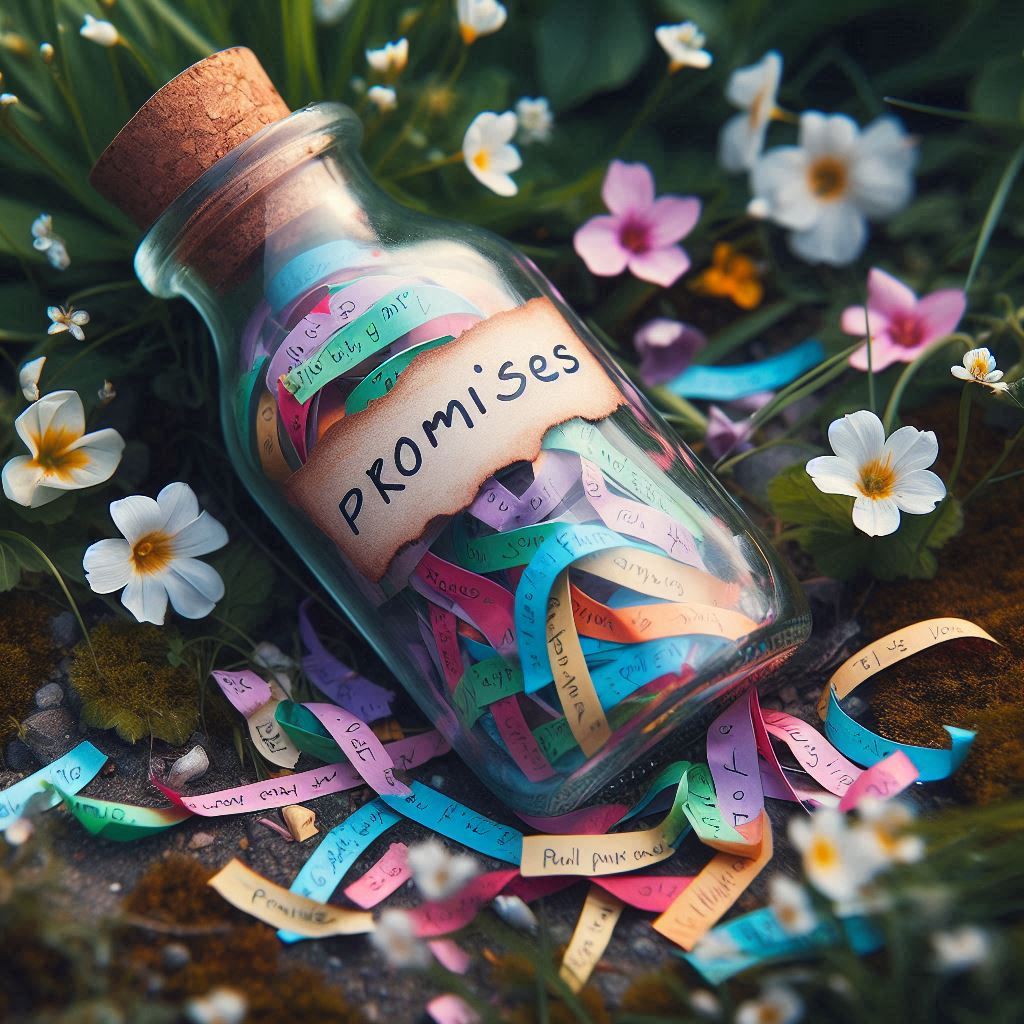
Some promises are made to be broken.

When handled poorly, however, it risks confusing or disappointing the audience. Understanding how to effectively subvert early expectations—whether through plot twists, character development, or shifts in tone—allows a writer to create a dynamic and memorable reading experience that keeps audiences invested and eager to see where the story leads.

Here are some strategies for successfully breaking your chapter one promises without breaking your novel:

Continue reading “How to successfully break chapter one promises”
Finish Writing Your Novel Now!

The pros and cons of breaking Chapter One promises

In storytelling, the opening chapter of a novel serves as a promise to the reader, establishing tone, genre, character dynamics, and key themes that shape their expectations for the rest of the narrative. Breaking these promises can occur when the story later diverges significantly from what was initially implied, often leading to confusion or disappointment. However, when done skillfully, breaking these early promises can also serve as a powerful tool for subverting reader expectations, adding layers of depth, or creating surprise twists that enhance the overall impact of the novel. The challenge lies in balancing misdirection with satisfying storytelling.

You should always carefully weigh the pros and cons before decide to break your chapter one promises.

Breaking chapter one promises in a novel can be a bold and creative storytelling technique that keeps readers engaged and surprised. By deviating from the initial expectations set in the first chapter, authors can introduce plot twists, deeper character developments, or genre shifts that challenge assumptions and create a more dynamic narrative. This unexpected shift can enhance the story’s complexity, making it more memorable and impactful.

Continue reading “The pros and cons of breaking Chapter One promises”