Elderfly Press is now accepting submissions for Mother Monster/Father Fiend, a new anthology exploring the shadowed edges of parenthood. We’re looking for short fiction, creative nonfiction, poetry, and black-and-white artwork that reveal the monstrous, misunderstood, or mythic aspects of motherhood and fatherhood.
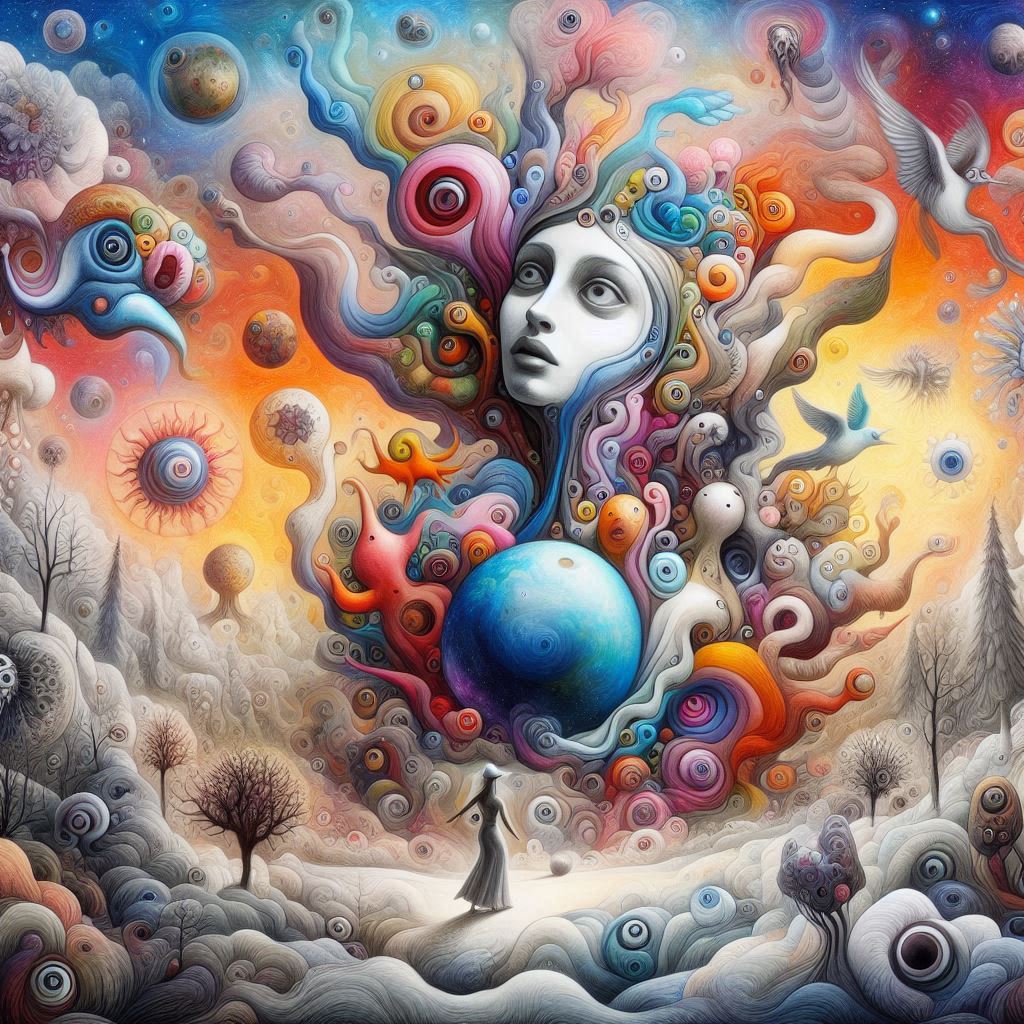
This anthology invites you to challenge the cultural scripts of what a “good” parent looks like. Sometimes the monster is real—a parent whose choices hurt, haunt, or unravel the lives of those in their care. Other times, the monster is only a mask placed by society:
There’s something fascinating about a character who creeps you out, makes you uneasy, or shocks you with their actions—but somehow, you can’t bring yourself to hate them completely. These are the villains and morally gray characters who blur the line between right and wrong, forcing readers to wrestle with their own sense of judgment. They unsettle us, intrigue us, and make our hearts race, which is why they are perfect companions for October reading.
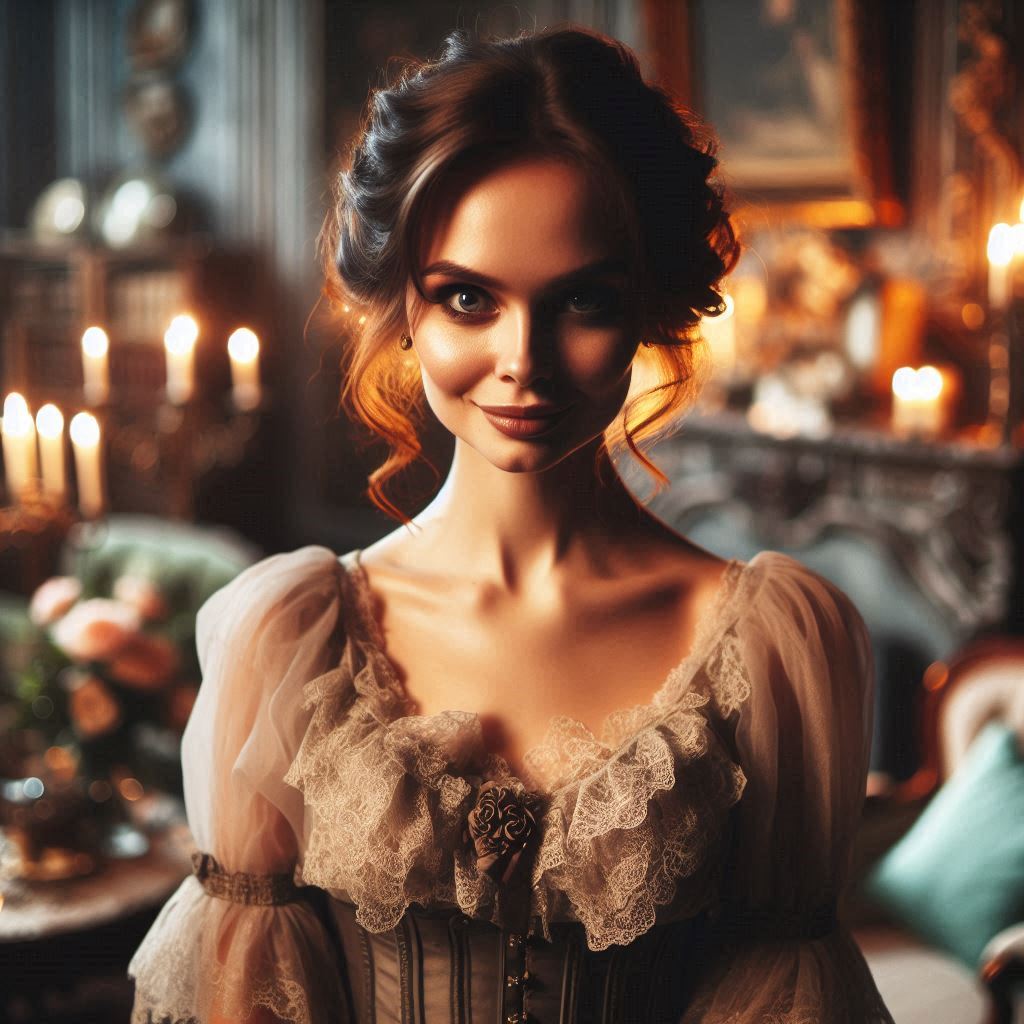
Sure, she’s pretty. But there’s also something uncanny about her. Do you trust her?
In thrillers and suspense novels, some characters are written to be frighteningly clever, ruthless, or unpredictable, yet their motivations or circumstances make their actions feel, at least in part, understandable. In How to Kill Men and Get Away with It by Katy Brent, the protagonist’s cunning and dark choices are chilling, but her perspective invites empathy and even admiration for her ingenuity. Bad Men by Julie Mae Cohen and This Girl’s a Killer by Emma C. Wells present characters whose morally questionable or violent actions are layered with complexity—making you uneasy, yet unable to fully condemn them.
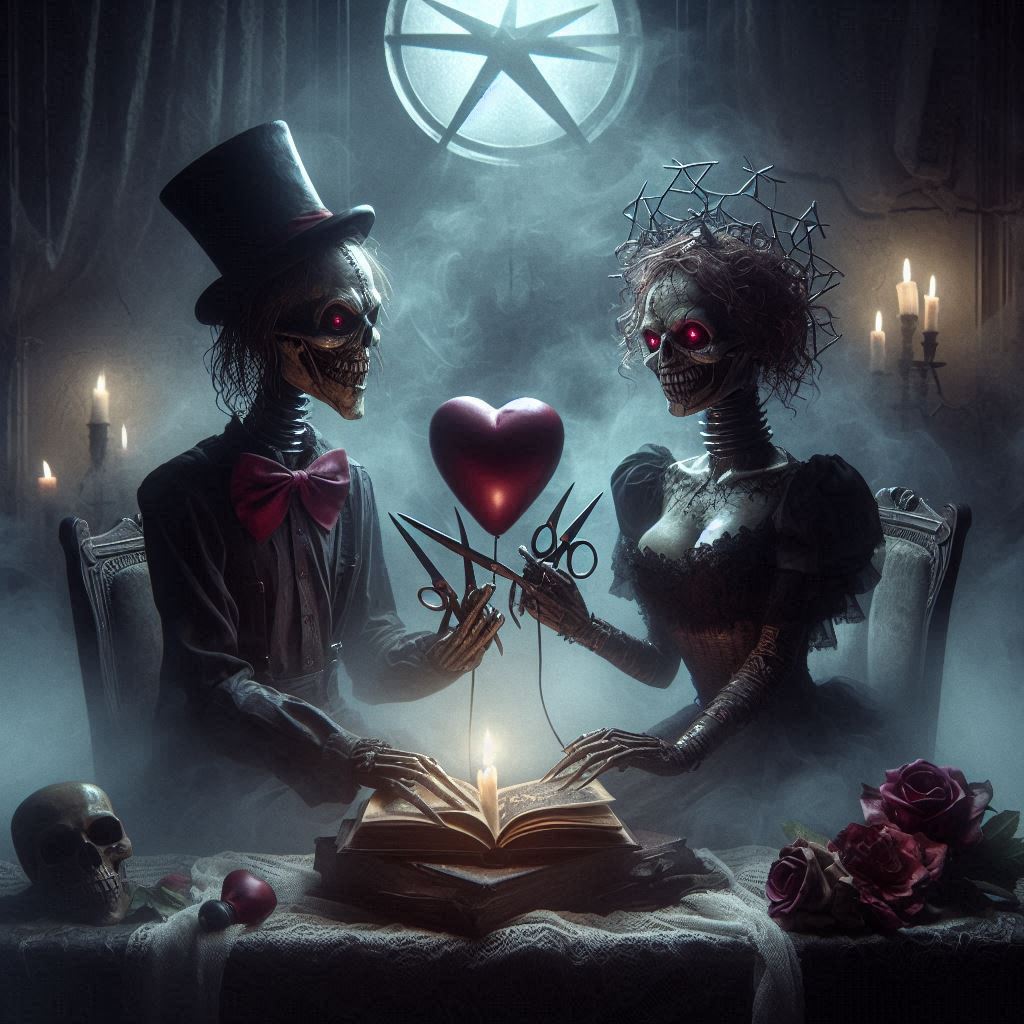
Love has always had a dark side—and we want to see yours. Elderfly Press is now accepting submissions for Be My Weird/Wyrd Valentine (working title), an anthology exploring the uncanny, unsettling, and sometimes downright horrifying side of romantic relationships.
We’re looking for stories, poems, essays, and black-and-white art that dive into the strange corners of love and desire—where passion turns perilous, intimacy hums with unease, and devotion blurs the line between beauty and terror. Whether it’s romance that defies reality, affection tinged with dread, or longing that transforms into something unrecognizable, we want work that lingers in the mind and twists the heart. Let the strange, the eerie, and the passionate collide—show us the love that frightens, bewilders, and enthralls.
At Elderfly Press, we are committed to publishing bold, literary works that unsettle, provoke, and linger long after the final page. We seek book-length fiction and creative nonfiction that confronts the hidden violence of the world—psychological, social, or supernatural—and gives voice to stories that challenge the patriarchal status quo.
We are especially drawn to:
Literary thrillers and suspense novels with a sharp edge.
Horror fiction that unsettles through atmosphere, voice, or psychological depth.
Creative nonfiction—including memoirs—that could be read with the intensity of a thriller or horror novel.
Works that expose the dark underbelly of the patriarchy, pulling back the veil on power, violence, and survival.
In a recent blog post on writing villains, The Write Practice’s Joe Bunting says that in every story, “there is always only one internal villain… whether it is fear, lust for power, or control.” This, of course, got me to thinking about my own protagonist in one of my current works in progress. I decided to do a freewrite on this topic and share it with you.
She just wants to go somewhere and lead an adventure. She doesn’t seem to care where she goes, which allows her to be led by evil people to places that she doesn’t want to be. She is so afraid of being ordinary and being stuck where she is that she jumps at any opportunity to be someplace and someone different.
My protagonist could use a little Katy Perry in her.
One of the problems that I seem to be having with my protagonists in this and with Valley of the Bees is the fact that neither of them seem to have any agency. They both allow themselves to be victims of plot. I can’t decide if this is good or bad. I feel like it’s something that my protagonists need to overcome. But at the same time, I’ve been taught that characters who just allow themselves to be carried along by the plot are the weak superheroes of weak stories. Am I writing weak stories? Continue reading “Freewriting practice: Name your protagonist’s internal villain”→

 Write on the World