On Storytelling, Writers on Writing

How to write a good scare: The craft of horror fiction #spooktober

What actually makes a reader afraid? It is tempting to think that writing horror is primarily about coming up with something frightening: a monster, a murder, a ghost, a disturbing image, a gruesome death. Those things can certainly be part of a horror story, but the frightening thing itself is only one piece of the equation. A creature can be objectively terrifying and still produce a scene that leaves a reader completely unmoved. Conversely, an ordinary hallway, a familiar bedroom, or a knock at the door can become deeply unsettling when the writer knows how to manipulate the reader’s expectations.

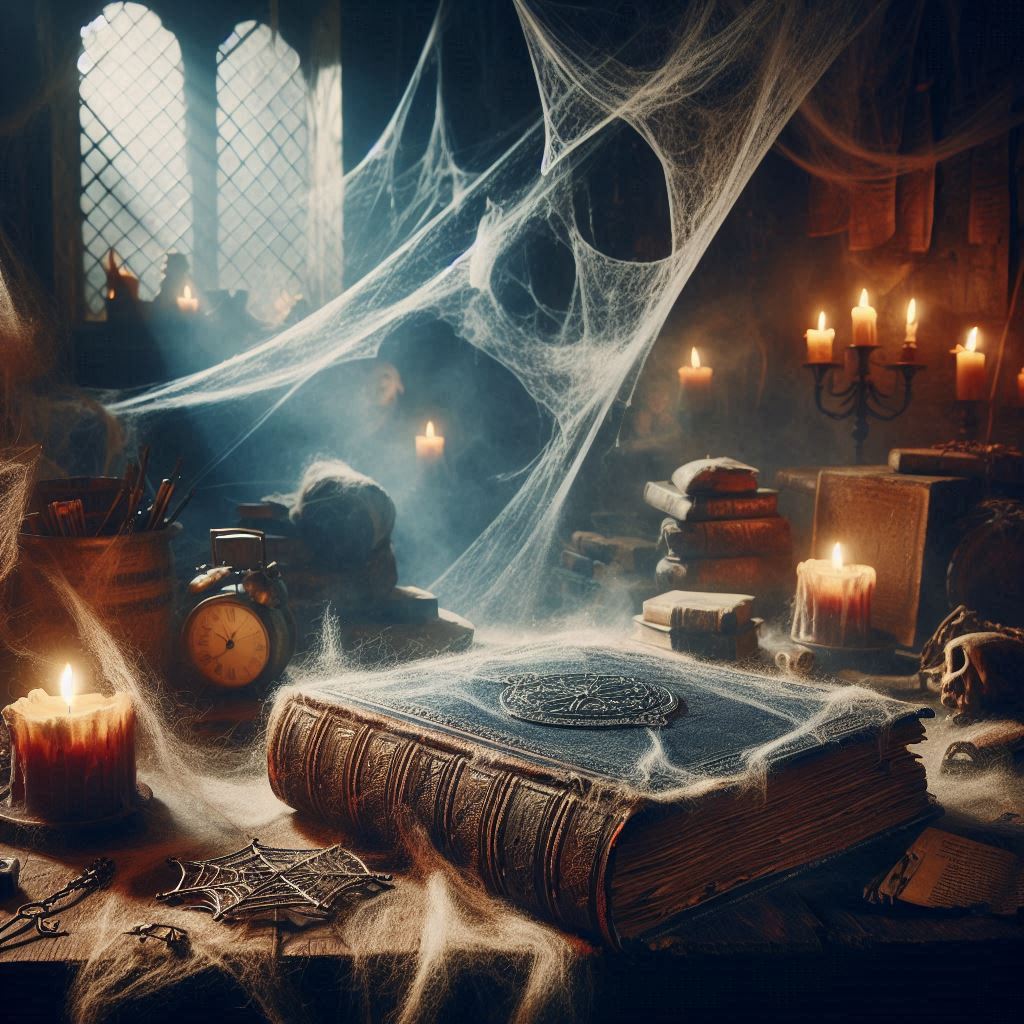
An illustrated horror-writing scene with the words “How to Write a Good Scare” displayed prominently. In the foreground, a notebook and pen rest on a table, suggesting the process of writing. The darker, ominous atmosphere beyond the table creates a sense of suspense and impending danger.
What makes a scare actually work? It’s not just about monsters, blood, or things jumping out of the dark. Good horror builds tension, creates anticipation, and makes readers afraid of what might happen next.

Fear in fiction is less about what happens than about what the reader expects might happen. A successful scare creates a gap between what the character and reader know and what they fear is coming, then keeps that gap open long enough for the imagination to start to do some of the work. The writer supplies just enough information to make the threat feel real without explaining everything away. From there, several elements work together to create the particular kind of fear that makes a reader keep turning pages even while part of them would really rather stop.

Continue reading “How to write a good scare: The craft of horror fiction #spooktober” →
Call for Submissions

Beautiful and Terrifying releases April 23, 2026: A new anthology from the edge of the uncanny

Beautiful and Terrifying: Tales and Visions from the Edge of the Uncanny, the newest anthology from Elderfly Press, will be released on April 23, 2026, bringing together haunting fiction, poetry, and black-and-white artwork that explore the strange space where beauty and fear collide.

The cover of Beautiful and Terrifying: Tales and Visions from the Edge of the Uncanny, Elderfly Press’s upcoming anthology of eerie fiction, dark poetry, and black-and-white art, releasing April 23, 2026.

I’m thrilled to finally share the release date for this collection, which has been such a meaningful project to bring into the world. From eerie woods and submerged cities to folklore retellings, grief-soaked landscapes, and intimate encounters with the supernatural, this anthology embraces the unsettling and the sublime in equal measure.

Continue reading “Beautiful and Terrifying releases April 23, 2026: A new anthology from the edge of the uncanny” →
Writers on Writing

Creepy characters we love to hate (and secretly can’t)

There’s something fascinating about a character who creeps you out, makes you uneasy, or shocks you with their actions—but somehow, you can’t bring yourself to hate them completely. These are the villains and morally gray characters who blur the line between right and wrong, forcing readers to wrestle with their own sense of judgment. They unsettle us, intrigue us, and make our hearts race, which is why they are perfect companions for October reading.

Sure, she’s pretty. But there’s also something uncanny about her. Do you trust her?

In thrillers and suspense novels, some characters are written to be frighteningly clever, ruthless, or unpredictable, yet their motivations or circumstances make their actions feel, at least in part, understandable. In How to Kill Men and Get Away with It by Katy Brent, the protagonist’s cunning and dark choices are chilling, but her perspective invites empathy and even admiration for her ingenuity. Bad Men by Julie Mae Cohen and This Girl’s a Killer by Emma C. Wells present characters whose morally questionable or violent actions are layered with complexity—making you uneasy, yet unable to fully condemn them.

Continue reading “Creepy characters we love to hate (and secretly can’t)” →
Writers on Writing

The psychology of fear in literature and why we can’t look away #spooktober

There’s something irresistible about a story that makes our hearts race and our palms sweat, even when we know we’re perfectly safe on our couch. Fear in literature taps into a deep part of our psyche, and understanding why we seek it out can make us appreciate the stories that haunt us even more.

Why do we love to read spooky stories, especially in October?

Fear works in books because it connects to emotions we experience in real life: anxiety, uncertainty, and the unknown. When we read a thriller like Her One Regret by Donna Freitas, we feel the suspense of a character navigating danger and deception, our brains mirroring their tension as if it were our own. Horror, on the other hand, like Salt Bones by Jennifer Givhan or Something in the Walls by Daisy Pearce, introduces us to scenarios that feel uncanny or impossible. Our minds grapple with the unknown, the supernatural, and the morally unsettling, creating a lingering sense of dread.

Continue reading “The psychology of fear in literature and why we can’t look away #spooktober” →