Writers on Writing

The quiet power of foreshadowing: How great novels prepare readers for what’s coming

The best plot twists in fiction rarely come out of nowhere—they feel surprising and inevitable at the same time. That paradox is usually the result of careful foreshadowing. When done well, foreshadowing prepares readers for events long before they happen, creating the sense that the story’s outcome was always embedded within the narrative. I was thinking about this recently while reading Ruins by Lily Brooks-Dalton. The novel includes a central revelation that attentive readers may begin to suspect early on, yet the author never makes the answer obvious. Instead, she carefully plants clues that guide the reader toward the truth without spoiling the experience. That balance is the essence of effective foreshadowing.
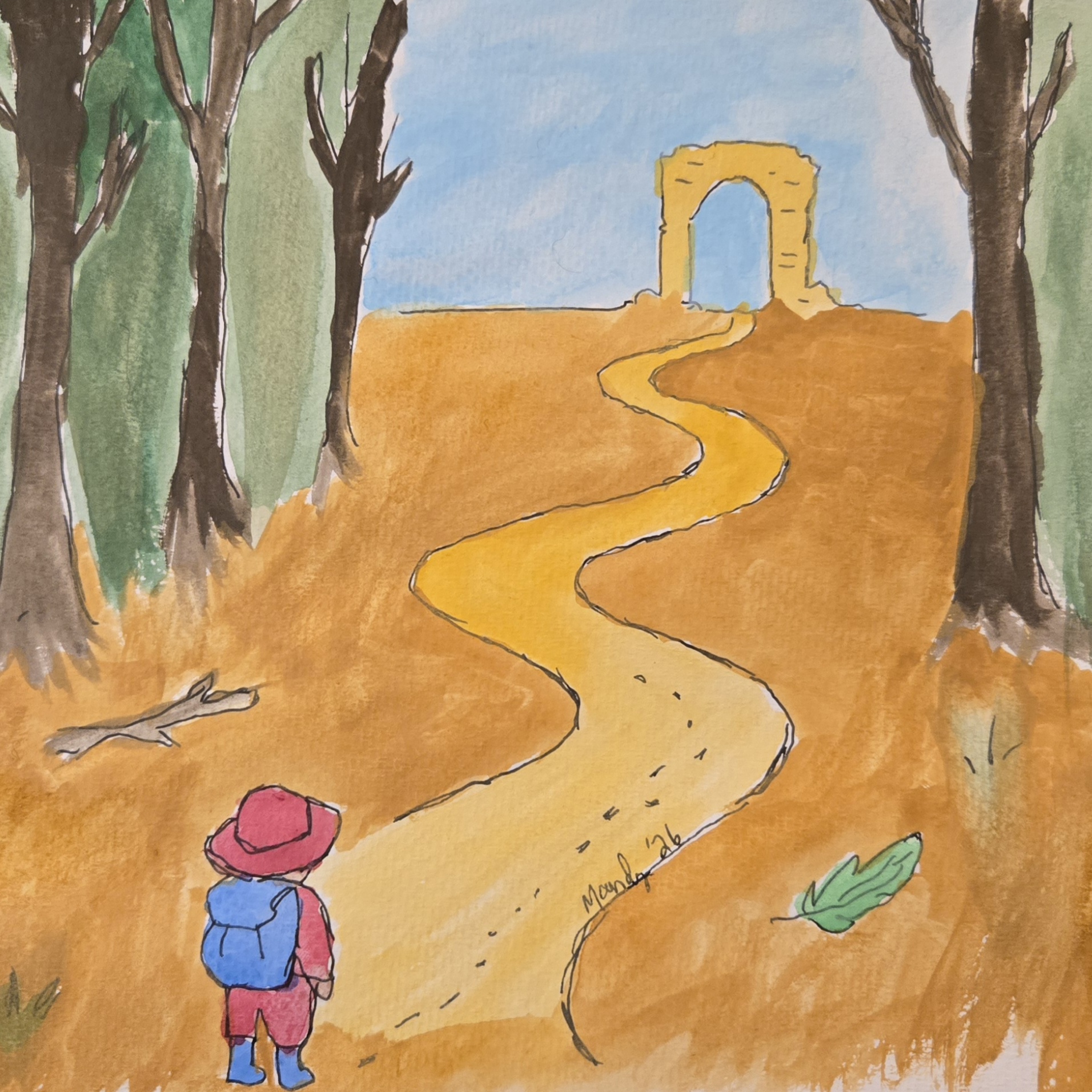
Foreshadowing is the quiet trail of clues that leads readers toward the ending long before they realize it.

What is foreshadowing?

Foreshadowing is a narrative technique in which an author plants subtle hints about events that will occur later in the story. These hints might appear as dialogue, imagery, symbolism, or even small details that initially seem unimportant. The goal isn’t to give the plot away. Instead, foreshadowing creates narrative cohesion. When the key event finally arrives, readers recognize the groundwork that made it possible. The story feels intentional rather than arbitrary.

In Ruins, for example, the opening sections contain small details that feel slightly out of place. The world seems familiar but not entirely so. Certain descriptions, structures, and assumptions about society invite questions. None of these clues explicitly reveal where the story is going, but together they form a pattern that becomes meaningful later. The result is a reading experience that rewards attention without demanding it.

Continue reading “The quiet power of foreshadowing: How great novels prepare readers for what’s coming”


Finish Writing Your Novel Now!

A writer? Who, you?

At this point, you may be wondering if writing a novel is even something you can do, let alone writing a new one every year. Perhaps you have never taken a creative writing course or shared your writing with others. You may question whether you can even call yourself a writer without ever having written a complete work, whether it be a novel, an essay, or a poem. Maybe you believe you can’t possibly call yourself a writer until you have finished writing something. If that’s the case, you may wonder how you can justify the time you will spend writing a novel when you’re not even a “real” writer yet. These feelings of doubt are completely normal. Some would even say that this, too, is part of the writing process.

Don’t let imposter syndrome keep you from writing your novel! Image created with Canva AI Generator.

One struggle that many emerging writers battle is imposter syndrome. This is a common experience among writers and other creative professionals. It is the feeling that despite their accomplishments, skills, or expertise, they are not truly qualified or deserving of their success. There are several reasons why writers may experience imposter syndrome. For example, writers often have high standards for their work and may compare themselves unfavorably to other writers or to their own idealized vision of what their writing should be. This can lead to feelings of inadequacy and self-doubt. Writing is also a subjective art form, and writers may receive rejection or criticism from publishers, editors, or readers. Even a single negative comment or rejection letter can trigger feelings of self-doubt and insecurity.

Continue reading “A writer? Who, you?”
Finish Writing Your Novel Now!

Do you think you have a novel in you?

So, you think you have a novel in you, huh? The idea of having a novel inside oneself is a common sentiment among aspiring writers and creative individuals. Storytelling is an essential element of the human experience, and many people have a desire to tell their stories and share their ideas through writing. Writing a novel can be seen as a creative and fulfilling endeavor that allows individuals to express themselves and leave a lasting impact. Plus, it can be fun!

If you’re like many emerging authors though, you may have a novel manuscript that you have been writing for years with no end in sight. Or perhaps you’ve always thought you “had a novel in you” but haven’t gotten around to starting it. Once upon a time, this was me. I knew I had a novel in me, but for years I could never seem to get it out of my head and onto the page.

Continue reading “Do you think you have a novel in you?”