
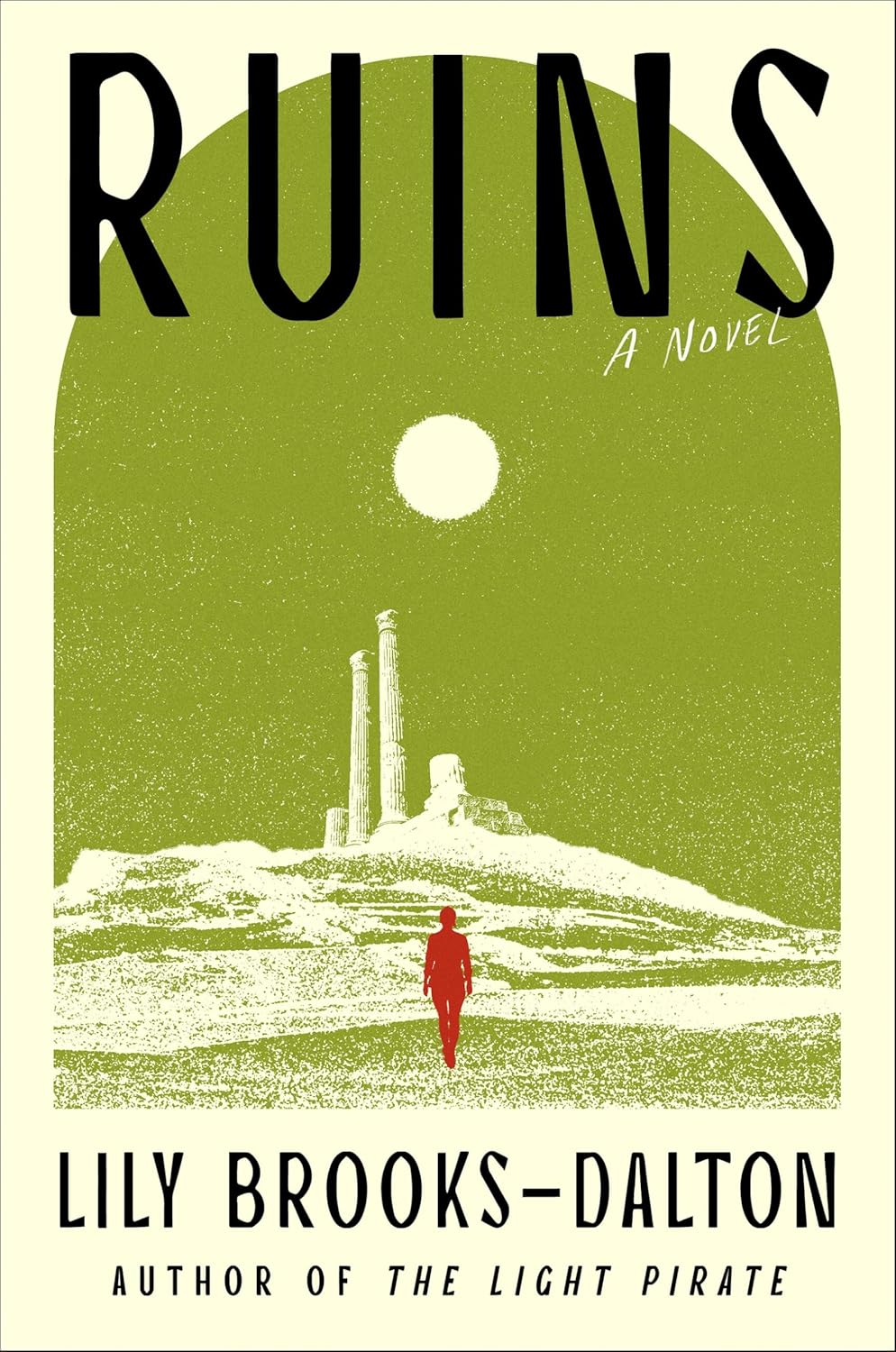
The best plot twists in fiction rarely come out of nowhere—they feel surprising and inevitable at the same time. That paradox is usually the result of careful foreshadowing. When done well, foreshadowing prepares readers for events long before they happen, creating the sense that the story’s outcome was always embedded within the narrative. I was thinking about this recently while reading Ruins by Lily Brooks-Dalton. The novel includes a central revelation that attentive readers may begin to suspect early on, yet the author never makes the answer obvious. Instead, she carefully plants clues that guide the reader toward the truth without spoiling the experience. That balance is the essence of effective foreshadowing.
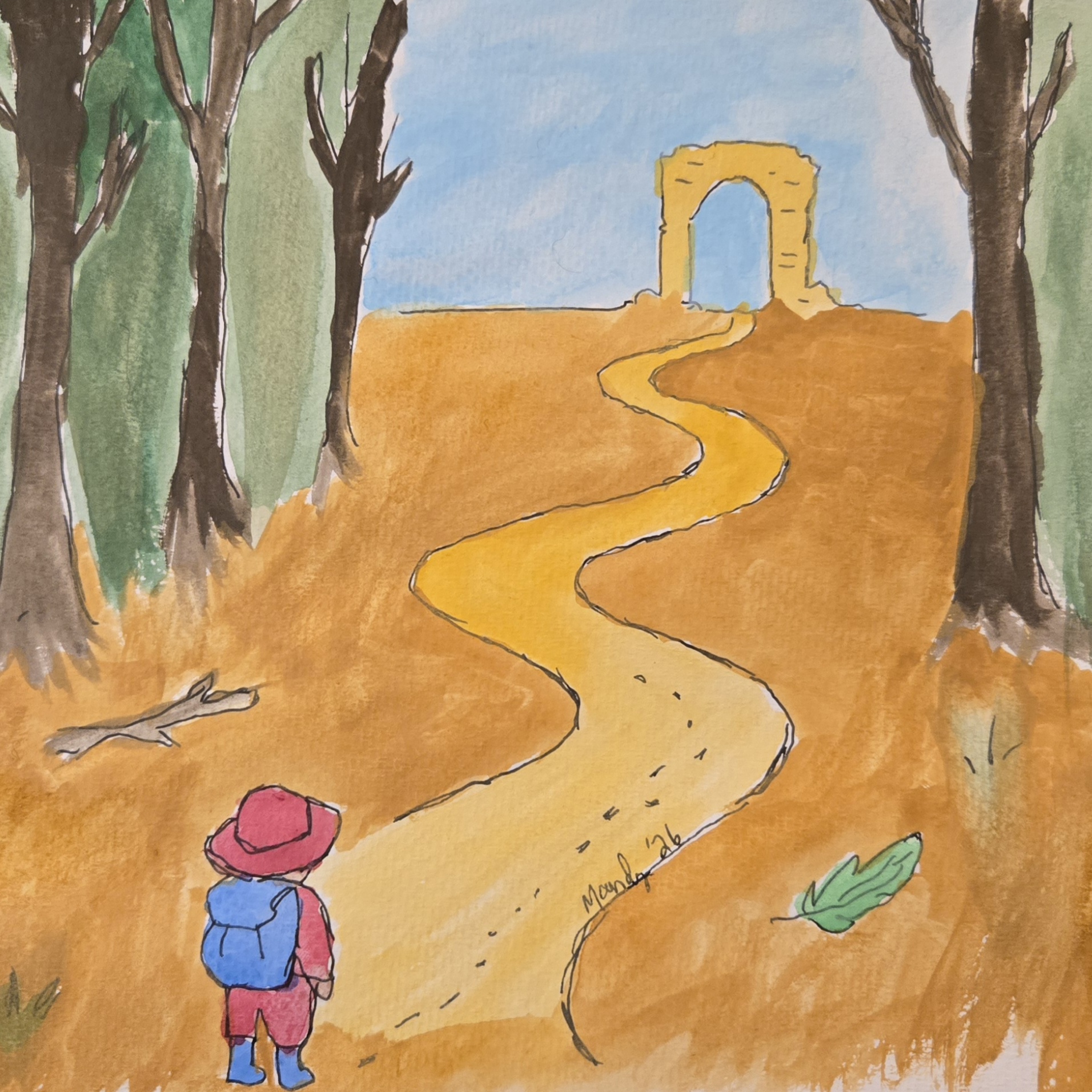
What is foreshadowing?
Foreshadowing is a narrative technique in which an author plants subtle hints about events that will occur later in the story. These hints might appear as dialogue, imagery, symbolism, or even small details that initially seem unimportant. The goal isn’t to give the plot away. Instead, foreshadowing creates narrative cohesion. When the key event finally arrives, readers recognize the groundwork that made it possible. The story feels intentional rather than arbitrary.
In Ruins, for example, the opening sections contain small details that feel slightly out of place. The world seems familiar but not entirely so. Certain descriptions, structures, and assumptions about society invite questions. None of these clues explicitly reveal where the story is going, but together they form a pattern that becomes meaningful later. The result is a reading experience that rewards attention without demanding it.
Continue reading “The quiet power of foreshadowing: How great novels prepare readers for what’s coming”
 Write on the World