Ask the Author

Ask the Author: When does a novel become YA? Before you write it—or after?

Dear Mandy,

When do you decide if your novel is YA? Do you decide before you start writing or after you are done?

Answer: One of the questions writers ask constantly is whether a novel “counts” as Young Adult fiction. Sometimes the answer is obvious from page one. Other times, writers finish an entire manuscript before realizing they may have written for a different audience than they originally intended.

When does a novel become YA—and how much of that decision happens before you even write the first page? This graphic breaks down the key factors writers should consider, from voice and protagonist age to audience and market expectations, and why knowing who you’re writing for shapes every story choice you make.

The truth is that YA is both a category and a marketing designation, and those two things do not always align perfectly. At the most basic level, a Young Adult novel is written for teen readers, generally between the ages of twelve and eighteen. In publishing, though, that definition becomes much more flexible than people expect. A huge percentage of YA readers are adults, and many books with teen protagonists are actually shelved in adult fiction. That’s why YA is not determined by a single factor.

Continue reading “Ask the Author: When does a novel become YA? Before you write it—or after?”
Ask the Author

Ask the author: Should authors review other authors’ books?

Dear Mandy,

Should authors review other authors’ books?

Short answer: Yes—but do it with intention, professionalism, and an awareness of the ecosystem you’re participating in.

Longer answer: I believe authors reviewing other authors’ work can be a genuinely good thing. We’re part of a shared creative community, and thoughtful engagement helps readers discover books while also raising the level of conversation around storytelling. That said, how you review matters just as much as whether you review.

An infographic that spells out the key points made by the article.
Thoughtful reviews don’t tear books down—they build better conversations.

On my own blog, I keep my literary criticism constructive. I talk about what worked for me and what didn’t, but I frame those “didn’t” moments as areas where something could have been stronger—not as the author doing something wrong. That distinction matters. It keeps the focus on craft rather than tearing down the person behind the work. If a book ultimately wasn’t for me, I’ll still highlight the kinds of readers who would connect with it, because every book has an audience—even when I’m not it.

Continue reading “Ask the author: Should authors review other authors’ books?”
Ask the Author

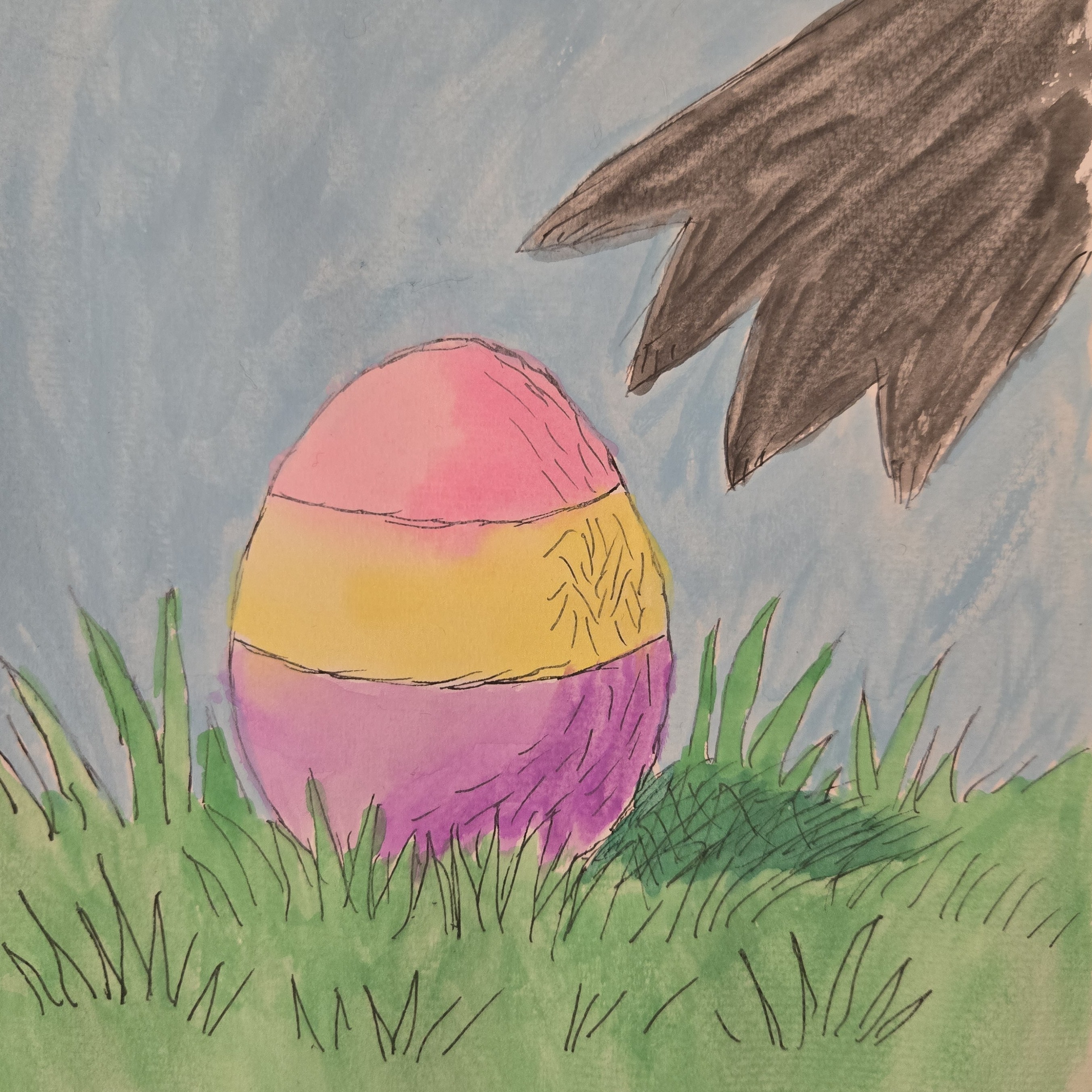
Ask the Author: Are easter eggs in novels just foreshadowing?

If you spend enough time on bookish social media, you’ll eventually see someone point out an “easter egg” in a novel—and there’s a good chance they’re actually talking about something else entirely. This is the topic of today’s Ask the Author.

Dear Mandy,

Question: Are easter eggs in a novel just foreshadowing?

Not every hidden detail in a story is an “easter egg.” Some are clues, some are foreshadowing—and some are just there for readers who like looking a little closer. In today’s Ask the Author, I unpack the difference– and how the internet sometimes gets literary terms hilariously wrong.

Answer: Lately I’ve noticed a lot of readers on social media using the term easter egg when what they really mean is foreshadowing. The two are not the same thing, even though they both involve details hidden in a story.

Foreshadowing is a storytelling technique. It’s when an author plants clues early in the narrative that hint at something that will happen later. A seemingly harmless line of dialogue, an object that appears briefly in chapter two, a character’s odd reaction to something—these details quietly prepare the reader for future events. When the twist or revelation finally arrives, the earlier hints suddenly make sense. Good foreshadowing makes a story feel inevitable rather than random.

Continue reading “Ask the Author: Are easter eggs in novels just foreshadowing?”
Ask the Author

Ask the Author: Can genre fiction be literary?

Dear Mandy,

Can genre fiction be literary?

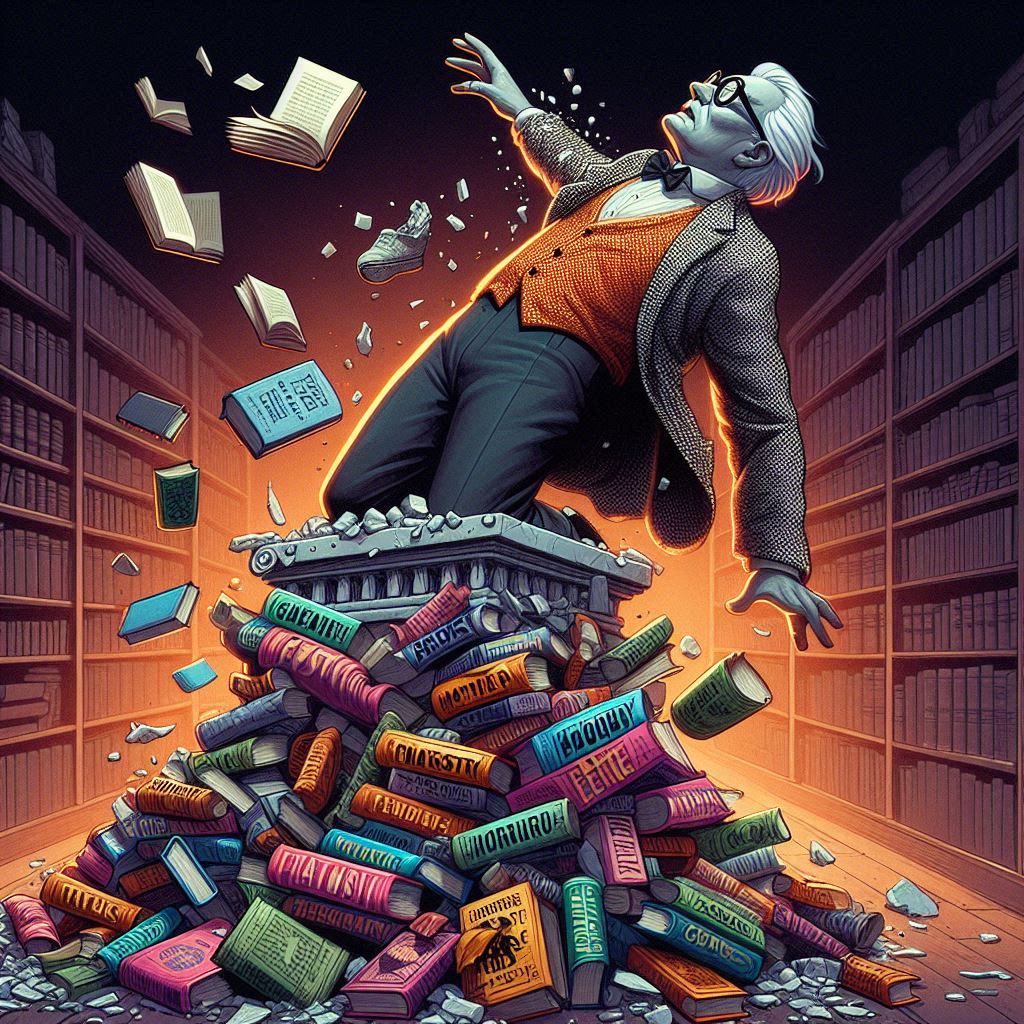
Genre fiction isn’t trying to tiptoe past the literary gatekeepers—it’s already storming the pedestal. Depth, fun, dragons, and dystopias: all at once. Who says you can’t have it all?”

Answer: IDK, Patty, do you think works by Edgar Allan Poe and Mary Shelley are literary? If so, do you think they aren’t also genre fiction? What about Wuthering Heights (gothic/mystery), Brave New World (dystopian), or The Lord of the Rings (epic fantasy)?

Exactly.

This question comes up a lot, and it’s usually asked with the unspoken assumption that genre fiction sits a rung or two below “real” literature. As if, once you introduce a murder, a monster, a dragon, or a dystopian government, depth immediately evacuates the premises. So, let’s slow down and actually unpack what we’re talking about.

Continue reading “Ask the Author: Can genre fiction be literary?”
Ask the Author

Ask the Author: Why don’t readers like strong female leads?

Dear Mandy,

Why don’t readers like strong female leads? Why do they only want innocent and dumb female leads in their books?

From timid beginnings to unstoppable confidence—every strong female lead starts somewhere. Follow the journey from innocence to empowerment, both on the page and in life.

Dear Reader,

To properly answer this question, we first need to clarify which readers we’re talking about—because I can assure you, not all readers want innocent or naïve female leads. In fact, I’d argue that many middle-aged women (myself included) gravitate toward books firmly planted in the strong women serving up justice to bad men genre. Those female leads are confident, capable, and unapologetically badass—and that’s exactly what this reader wants.

Continue reading “Ask the Author: Why don’t readers like strong female leads?”