Finish Writing Your Novel Now!

Mastering Flashbacks: A Guide to Enhancing Your Fiction

Flashbacks can be a powerful tool in fiction writing, allowing authors to deepen character development, enrich plot lines, and create emotional resonance. However, using them effectively requires careful consideration.
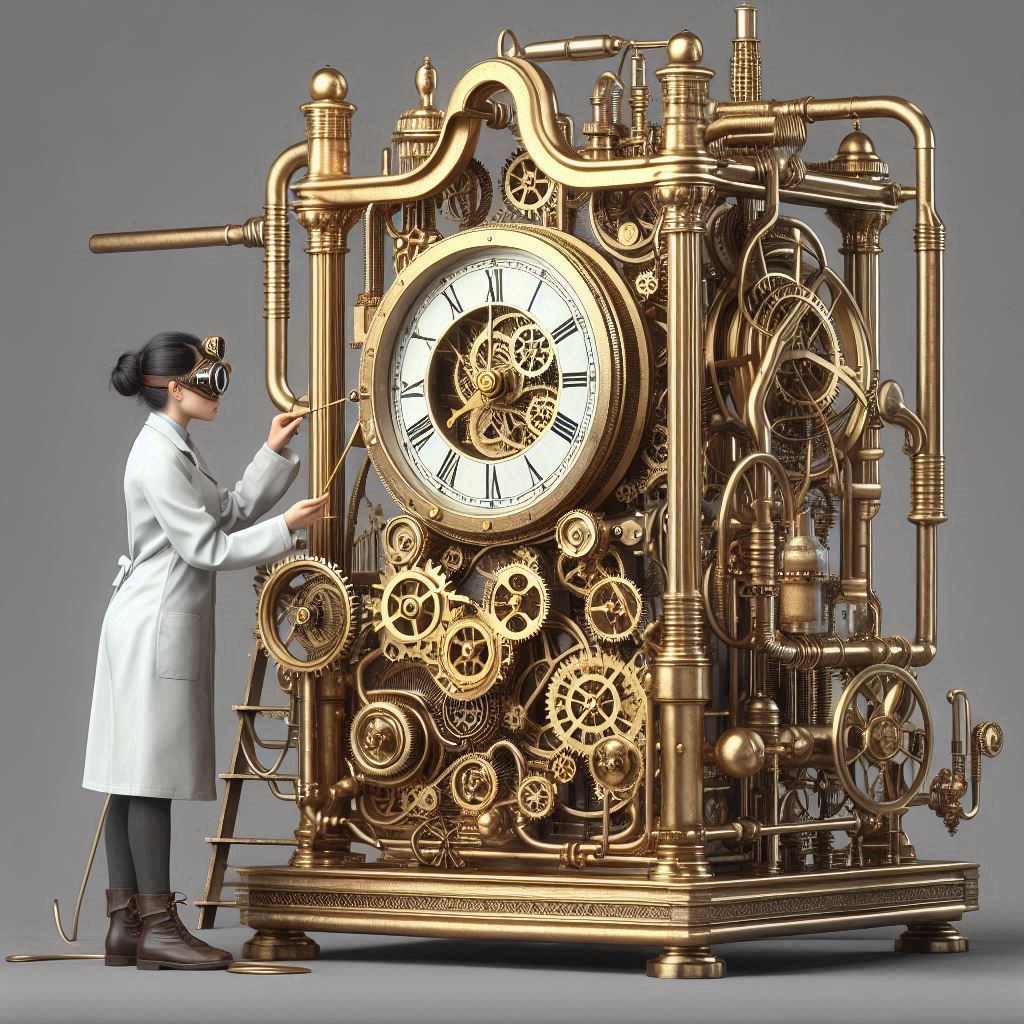
Incorporating flashbacks in your novel is like using a time machine to show your readers what happened in the past.

Potential drawbacks of incorporating flashbacks in your novel include disrupting the pacing of the story, confusing and tiring your readers, and shifting the novel’s focus away from the story’s “present time.” If not handled delicately, flashbacks can feel like emotional manipulation. Readers may sense when an author is trying too hard to elicit a particular response, which can undermine the authenticity of the moment. Here’s how to master the art of flashbacks in your writing:

Continue reading “Mastering Flashbacks: A Guide to Enhancing Your Fiction”


Finish Writing Your Novel Now!

Why is dialogue important in novel writing? | Revise and Refine

Dialogue is a key element of novel writing. In narrative writing, dialogue refers to the written conversation between characters. It helps reveal character personalities, relationships, and emotions through their words and interactions. Dialogue also advances the plot by conveying information, conflicts, or key events in a natural way. It breaks up descriptive passages and provides a sense of realism and immediacy to the story. Well-crafted dialogue can also enhance the tone, mood, and pacing of the narrative.

Dialogue in novel writing is the written conversation that occurs between two or more characters in a story.

Dialogue typically involves two or more characters taking turns speaking to each other. It may be presented in direct speech, where the characters’ exact words are written within quotation marks, or in indirect speech, where the gist of the conversation is conveyed without the exact words being spoken. Dialogue can be used for a variety of purposes in narrative writing, which I have outline below:

Continue reading “Why is dialogue important in novel writing? | Revise and Refine”
Finish Writing Your Novel Now!

How to fix plot holes in your novel draft | Novel revision tips

When you revise your novel manuscript, you will want to start by addressing the biggest issues first. For example, you might begin by addressing any major structural issues you may have found during the evaluation stage of the novel writing process, such as plot holes.

Plot holes, at best, can make your novel difficult to comprehend. At worst, they can make your writing impossible to read.

A plot hole is a gap or inconsistency in the storyline of a novel, movie, or other narrative work that contradicts the established rules or logic of the story. It’s a flaw in the plot that can make the story confusing, illogical, or unrealistic. For example, a plot hole could occur when a character suddenly acquires a new ability or skill that was not previously established, or when an important detail or event is omitted without explanation. Another common type of plot hole is when a character acts in a way that is inconsistent with their established personality or motivations.

Here are some tips on how to fix a plot hole in a novel draft:

Continue reading “How to fix plot holes in your novel draft | Novel revision tips”
Finish Writing Your Novel Now!

Evaluation: Believability in fiction

Mark Twain once wrote that, “Truth is stranger than fiction, but it is because Fiction is obliged to stick to possibilities; Truth isn’t” (Twain, 1897). When writing fiction, you may wonder why you have to worry about making your work believable. Since it’s fiction, everyone knows it’s fake, right? So why worry about making it “believable?”

No matter how unreal your story world may be, the events within your story must still be believable within the framework of the story world you have created.

It is true that fiction doesn’t necessarily need to be believable in the sense that it aligns with reality or factual accuracy. In fact, fiction often explores imaginative and fantastical elements that are deliberately implausible or impossible in the real world. However, believability does play an important role in fiction, particularly in terms of engaging the audience and creating a sense of immersion.

Continue reading “Evaluation: Believability in fiction”
Finish Writing Your Novel Now!

Evaluating your novel draft: The developmental edit

A developmental edit is a type of editing that focuses on the big-picture elements of a novel manuscript such as its structure, plot, character development, and theme. Developmental editors help authors identify and fix problems with manuscripts such as weak plot points, underdeveloped characters, or an unclear story arc. They may also offer suggestions for improving the manuscript’s overall readability and impact.

Obtaining feedback from a professional developmental editor can help you take your novel manuscript to a whole new level! Contact me today to inquire about hiring me to provide a developmental edit of your novel draft!

Developmental editing is typically done before a manuscript is submitted to an agent or publisher. However, I like to get at least one developmental edit during the evaluation phase so I can start fixing my issues early in the writing process. The developmental edit can be a valuable service for authors who want to make sure their manuscripts are as strong as possible either way.

Here are some of the elements that a developmental editor might review in a novel manuscript:

Continue reading “Evaluating your novel draft: The developmental edit”