Book Reviews, Find Your Next Read

The Counting Game by Sinéad Nolan: A haunting debut where myth and fear blur in the Irish woods

Two children walk into the woods, and only one returns. From that chilling premise, The Counting Game by Sinéad Nolan unfolds into an atmospheric psychological mystery that lingers long after the final page. Releasing April 7, 2026, this debut crime novel turns a rural Irish legend into something far more unsettling: a story where the real danger might be human—or something else entirely.

Get your copy of The Counting Game from my independent online bookstore today!

Set in southwest Ireland in 1995, the novel opens with the disappearance of thirteen-year-old Saoirse Kellough. She vanished while playing the so-called “Counting Game” in the forest with her younger brother, Jack. The rules are simple: go into the woods, count to ten, and stay hidden. The problem is that only Jack comes out. Worse still, he refuses to speak about what happened.

Continue reading “The Counting Game by Sinéad Nolan: A haunting debut where myth and fear blur in the Irish woods”
Call for Submissions

Submissions open for Beautiful and Terrifying: Tales and Visions from the Edge of the Uncanny

There’s beauty in the things that unnerve us. Beautiful and Terrifying is the next anthology from Elderfly Press—an exploration of the eerie, the intimate, and the in-between. Submissions are now open for short stories, poetry, and black-and-white art that linger in the shadows of the strange and the sublime.

There’s beauty in what haunts us.
Submit to Beautiful and Terrifying today!

This collection seeks work that blurs boundaries—between beauty and fear, humanity and monstrosity, love and decay. We’re drawn to dark, literary narratives and haunting imagery that leave readers with a sense of wonder and unease. Not every story needs to fit neatly into horror or realism; the best pieces often live in the uncanny space between.

What Elderfly Press is looking for:

This anthology invites a wide range of voices and forms with themes of transformation, obsession, decay, beauty, violence, or the supernatural:

  • Genre fiction: horror, speculative, gothic, dystopian, weird, sci-fi, supernatural—anything that chills, disturbs, or unsettles
  • Literary fiction: moody, shadowed, emotionally raw
  • Poetry: rooted in chaos, shadow, or change
  • Visual art: black-and-white art that captures the eerie, surreal, or dreamlike
Continue reading “Submissions open for Beautiful and Terrifying: Tales and Visions from the Edge of the Uncanny”
Call for Submissions

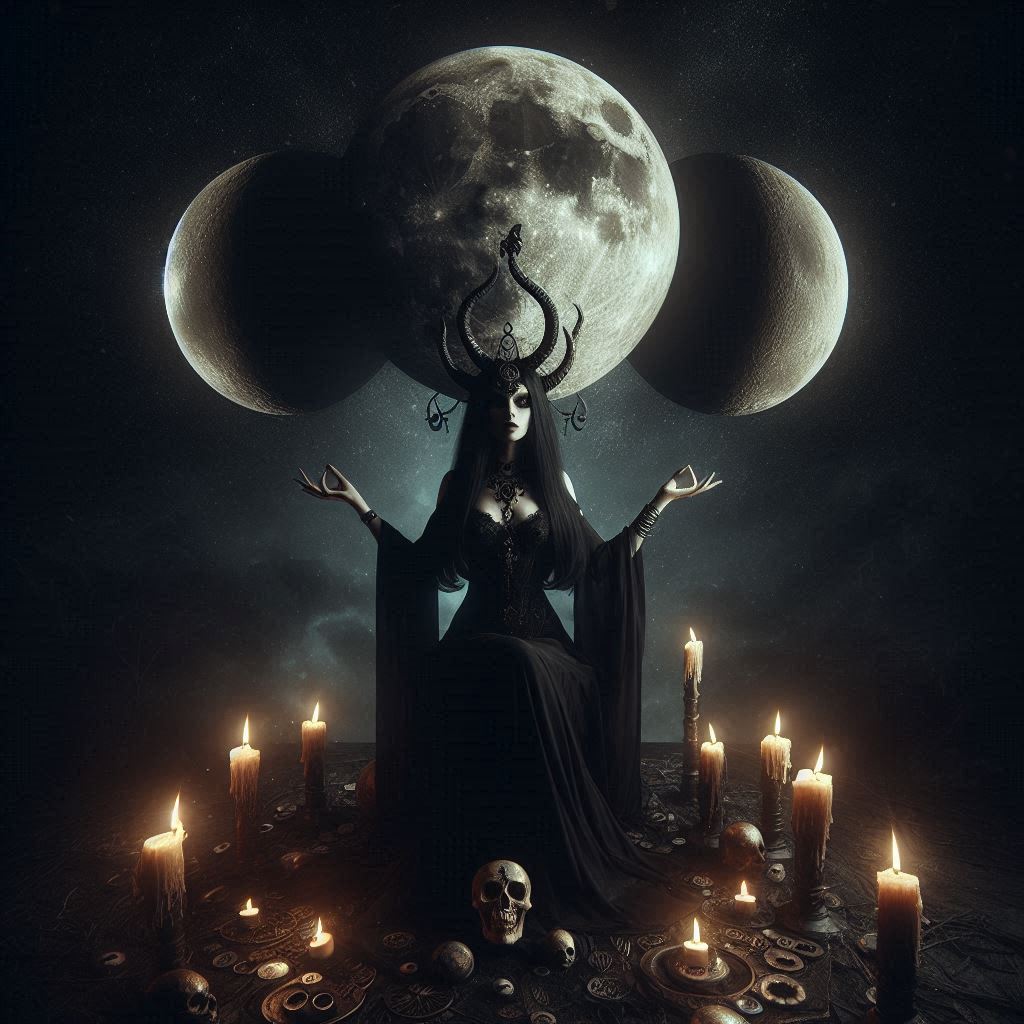
Under a dark sky: Elderfly Press announces open submissions for Bad Moon on the Rise

Something is stirring in the shadows—and Elderfly Press wants you to capture it.
Submissions are now open for Bad Moon on the Rise, a new anthology that delves into what it means to live under a dark sky—literally or metaphorically. Whether you’re drawn to haunted landscapes, personal reckonings, or the eerie quiet of things unraveling, this is your chance to contribute to a collection where strange winds and long-buried truths come to light.

What Elderfly Press is looking for:

This anthology invites a wide range of voices and forms:

  • Genre fiction: horror, speculative, gothic, dystopian, weird, sci-fi, supernatural—anything that chills, disturbs, or unsettles
  • Literary fiction: moody, shadowed, emotionally raw
  • Essays: on upheaval, transformation, liminality, or living through cultural shifts
  • Poetry: rooted in chaos, shadow, or change
  • Visual art: black-and-white pieces that evoke the mood of the anthology
Continue reading “Under a dark sky: Elderfly Press announces open submissions for Bad Moon on the Rise”
Finish Writing Your Novel Now!

How to unlock the power of metaphors in fiction writing

Metaphors are one of the most effective tools in a writer’s toolkit. They allow us to convey complex ideas and emotions with clarity and creativity, transforming ordinary language into something extraordinary. In this blog post, we’ll explore the significance of metaphors in fiction writing, discuss how to use them effectively, and provide examples to inspire your own writing.

“His heart was a locked door” is one example of a metaphor.

A metaphor is a figure of speech that makes a direct comparison between two unlike things, asserting that one thing is another. Unlike similes, which use “like” or “as” for comparisons, metaphors create a more immediate and impactful connection.

Continue reading “How to unlock the power of metaphors in fiction writing”
Finish Writing Your Novel Now!

The art of similes: How to enhance your fiction with vivid comparisons

Similes are a powerful literary device that can breathe life into your writing. By drawing comparisons between seemingly unrelated things, similes can evoke vivid imagery and emotion, making your prose more engaging and relatable. In this post, we’ll explore how to effectively use similes in fiction writing, along with some examples to inspire your creativity.

“She was as brave as a lion” is one example of a simile.

A simile is a figure of speech that compares two different things using the words “like” or “as.” This comparison can highlight similarities and create a clearer picture in the reader’s mind, enhancing the overall narrative.

Continue reading “The art of similes: How to enhance your fiction with vivid comparisons”
Finish Writing Your Novel Now!

Understanding what happens in the brain when reading can help you become a better writer!

Reading fiction is a complex cognitive activity that engages many areas of the brain. When we read, our brains create mental representations of the characters, settings, and events described in the text, allowing us to immerse ourselves in the story and experience it as if we were physically experiencing the story ourselves.

Do you know what happens in a reader’s brain when the reader is fully immersed in a story?

Several brain regions are involved in this process, including the visual cortex, which processes visual information and helps us create mental images of the story’s setting and characters. The temporal lobe is also involved, processing language and helping us understand the meaning of the words we’re reading.

Continue reading “Understanding what happens in the brain when reading can help you become a better writer!”
Finish Writing Your Novel Now!

How to write backstory without infodumping

Infodumping in novel writing refers to the excessive and often clumsy presentation of background information, context, or details all at once, usually in a way that disrupts the narrative flow. This can happen when an author tries to convey too much information in one go, often through long passages of exposition or dialogue, making it feel overwhelming or tedious for the reader.

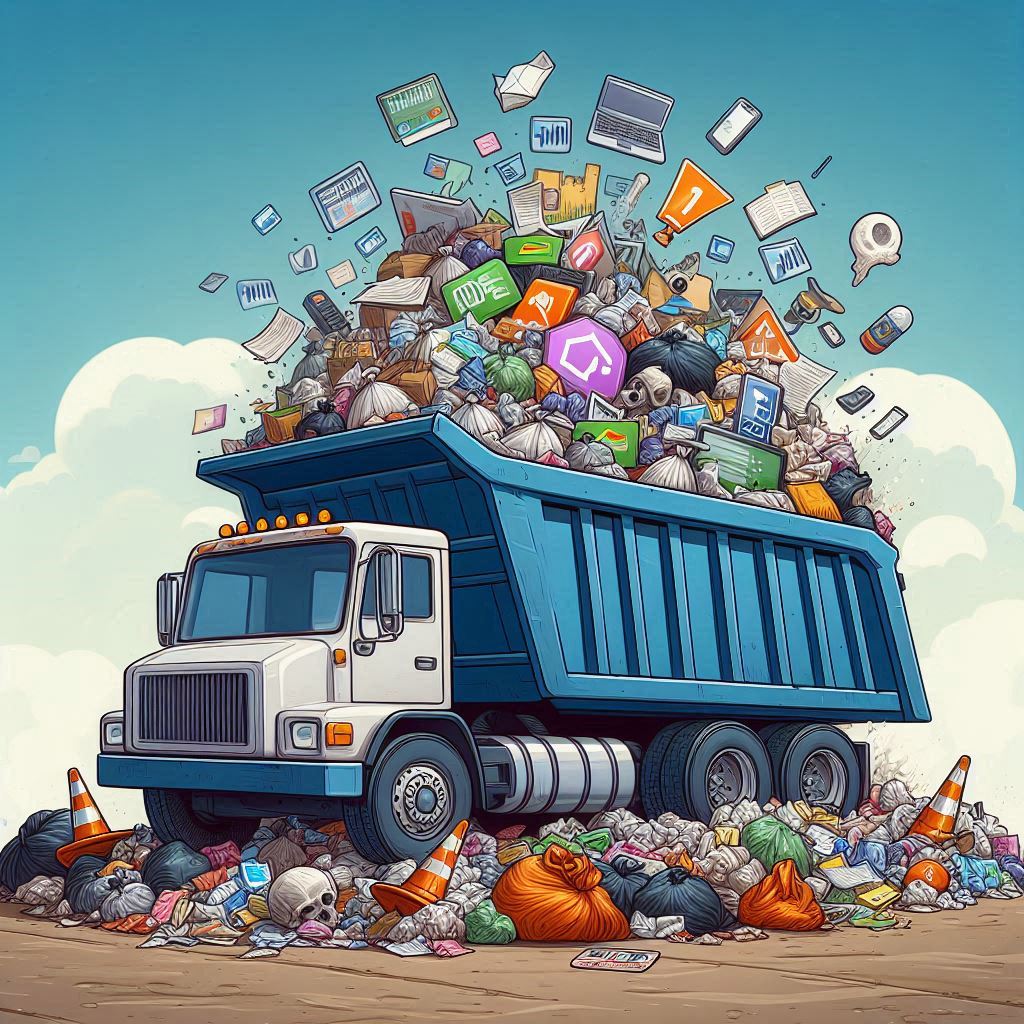
Imagine how overwhelming it would be to have all this information dumped on you at once!

Writing backstory without resorting to infodumping involves weaving the information seamlessly into the narrative. Here are some techniques to help you do that:

Continue reading “How to write backstory without infodumping”
Finish Writing Your Novel Now!

What is backstory in novel writing?

Backstory in novel writing refers to the history and events that shape the characters, settings, and plot before the main narrative begins. It provides context and depth to the characters and can help explain their motivations, conflicts, and relationships.

Effective backstory is blended into the flow of the narrative, keeping the reader engaged while providing necessary context.

Here are some key aspects of backstory:

Continue reading “What is backstory in novel writing?”
Finish Writing Your Novel Now!

What is exposition in fiction writing? Is it the same as “telling?”

In fiction writing, “telling” and “exposition” are related but not exactly the same thing. Telling refers to the technique of stating facts or emotions directly, rather than letting the reader infer them through actions, dialogue, or sensory details. For example, saying, “She was angry,” is telling, whereas showing might involve describing her clenched fists or sharp tone. Exposition, on the other hand, is the presentation of background information, context, or explanation necessary for the story, such as the history of a world, character backstory, or details about a situation.

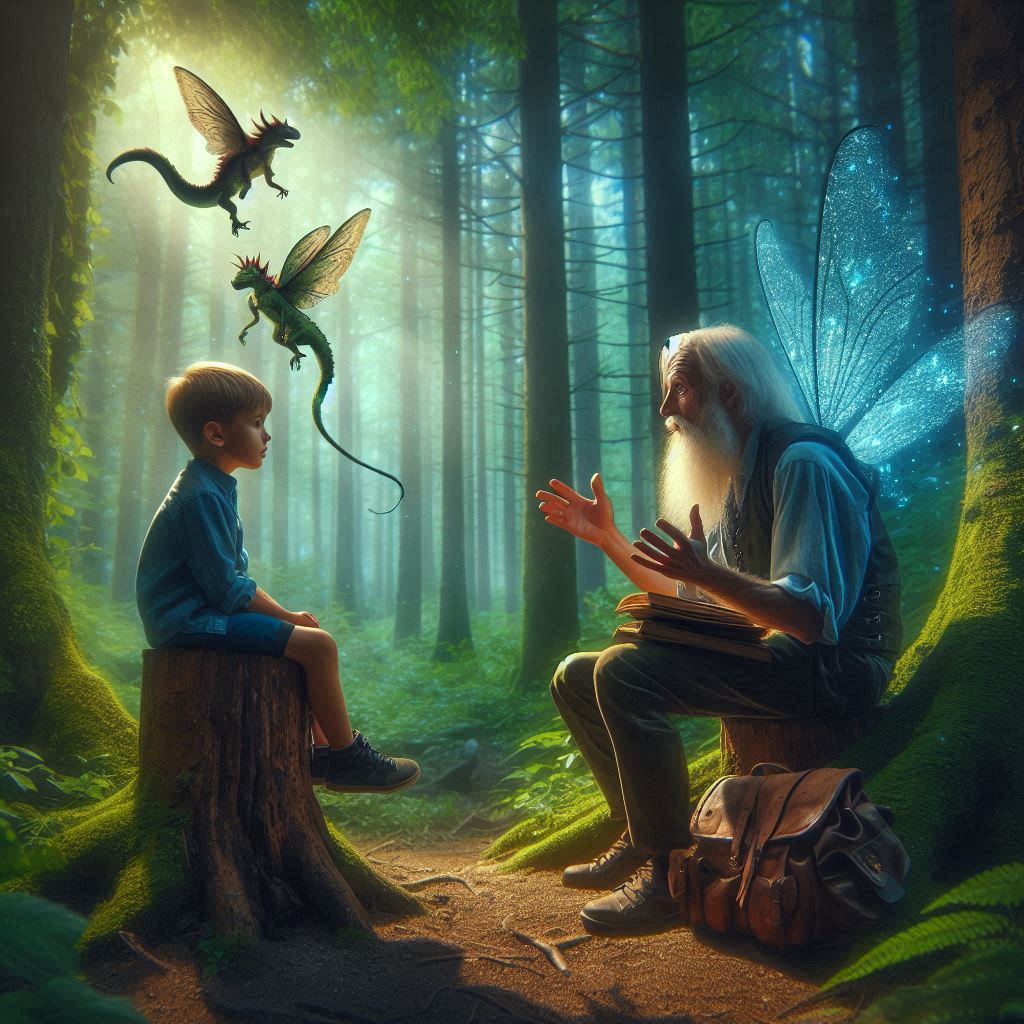
Exposition can be used to describe a novel’s setting. How would you describe this setting?

Exposition can be done through either telling or showing. In short, telling is a technique, while exposition is a type of content. Exposition can sometimes involve “telling” when the writer needs to explain things quickly, but it can also be shown through more gradual revelations or interactions within the narrative.

Continue reading “What is exposition in fiction writing? Is it the same as “telling?””
Finish Writing Your Novel Now!

What’s the difference between showing and telling in novel writing? | Revise and Refine

If you’ve ever taken a creative writing course, you have probably been admonished at least once to “show, don’t tell.” But, what does that even mean? What’s the difference between showing and telling, and why does it matter?

“Don’t tell me the moon is shining: show me the glint of light on broken glass.”
–Anton Chekov

Showing and telling are two different ways of conveying information in creative writing. Telling refers to when the author simply tells the reader what is happening or what a character is feeling, without showing it through actions, dialogue, or description. For example, “Tessa was angry” is a statement that tells the reader how Tessa is feeling without showing any evidence of her anger.

Continue reading “What’s the difference between showing and telling in novel writing? | Revise and Refine”