
Reading fiction is a complex cognitive activity that engages many areas of the brain. When we read, our brains create mental representations of the characters, settings, and events described in the text, allowing us to immerse ourselves in the story and experience it as if we were physically experiencing the story ourselves.

Several brain regions are involved in this process, including the visual cortex, which processes visual information and helps us create mental images of the story’s setting and characters. The temporal lobe is also involved, processing language and helping us understand the meaning of the words we’re reading.
Research has also shown that reading fiction can activate the brain’s default mode network, which is involved in imagination, daydreaming, and self-reflection. This network is thought to be important for developing empathy and understanding the perspectives of others, which may be why reading fiction can be such a powerful tool for building empathy and emotional intelligence.
In addition to these cognitive processes, reading fiction also triggers emotional responses in the brain. When we become emotionally invested in a story, our brains release neurotransmitters like dopamine and oxytocin, which are associated with pleasure and social bonding. This may help to explain why reading fiction can be such a pleasurable and rewarding experience.
Because reading fiction is a complex and engaging activity that involves many different areas of the brain, from visual processing and language comprehension to imagination and emotional processing, it is important to consider how your writing impacts those areas of the brain. Consider what may be happening in the brains of your readers when they read your book. How deep does your story pull your readers in? Will your readers feel as though they are experiencing what your characters experience in real time, or does your writing create distance that keeps your reader from engaging with the story on a personal level?
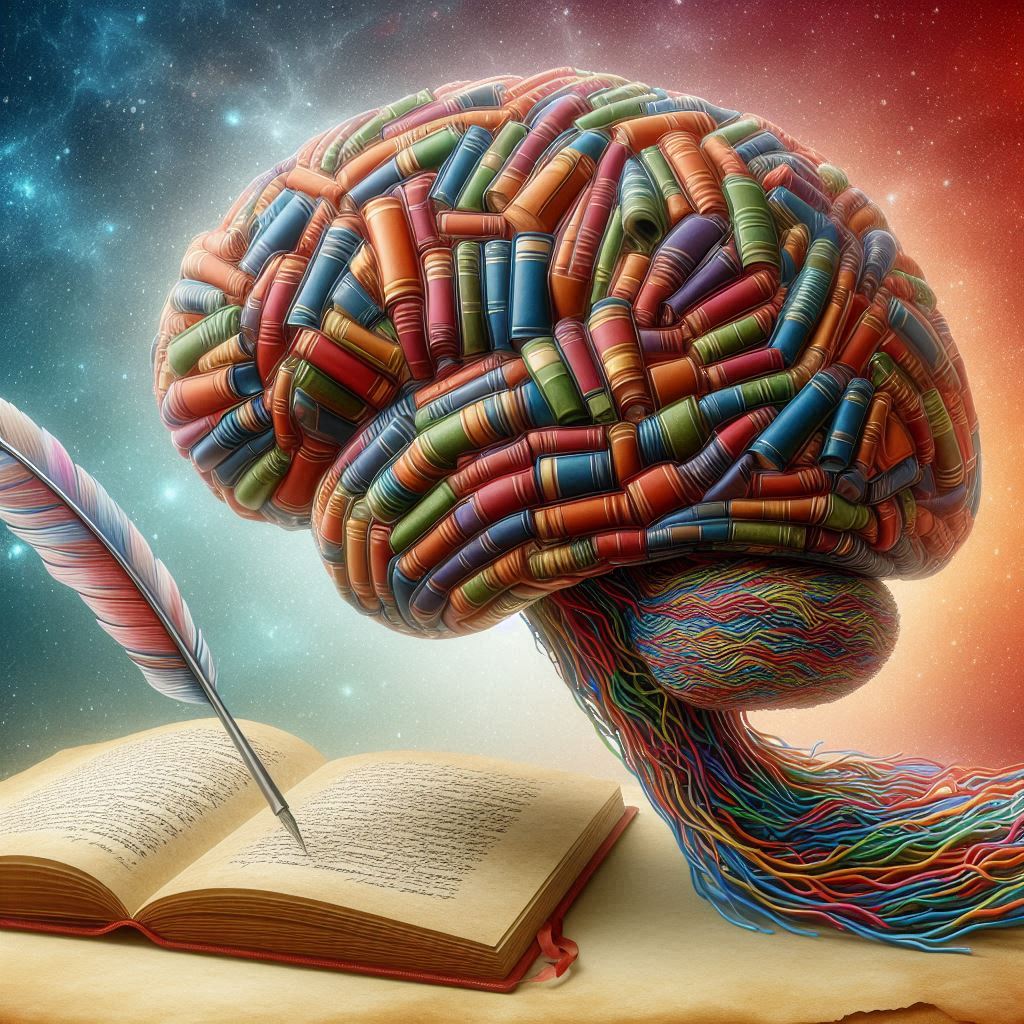
One way to ensure that your readers are able to make a deep connection with your story and your characters is by engaging all five senses in your writing to make it more vivid and immersive, allowing readers to fully experience the story world. Here are some tips for incorporating each of the five senses into your writing:
- Sight: Use descriptive language to paint a picture of the setting, characters, and action. Use similes and metaphors to create vivid comparisons that help readers visualize what’s happening.
- Sound: Describe the sounds of the story world, such as the rustle of leaves or the sound of footsteps. Use onomatopoeia to create words that mimic the sounds you’re describing.
- Touch: Describe the texture and feel of objects in the story world, such as the rough bark of a tree or the softness of a character’s clothing. Use tactile language to help readers imagine what it would feel like to be there.
- Smell: Describe the scents of the story world, such as the smell of freshly baked bread or the scent of a character’s perfume. Use descriptive language to help readers imagine what the smells would be like.
- Taste: Describe the taste of food or drink in the story world, or the sensation of something in a character’s mouth. Use descriptive language to help readers imagine what the taste would be like.
Remember that you don’t need to include all five senses in every scene or paragraph. Instead, choose the senses that are most relevant to the scene and use descriptive language to create a sensory experience for the reader. By engaging all five senses, you can create a rich and immersive story world that will captivate the imaginations of your readers.
Read my novels FREE on Kindle Unlimited!
Kindle Unlimited subscribers can now read most of my novels FREE on Kindle Unlimited! View my full book catalog on Amazon now.
Not yet a Kindle Unlimited subscriber? Start your free trial today!
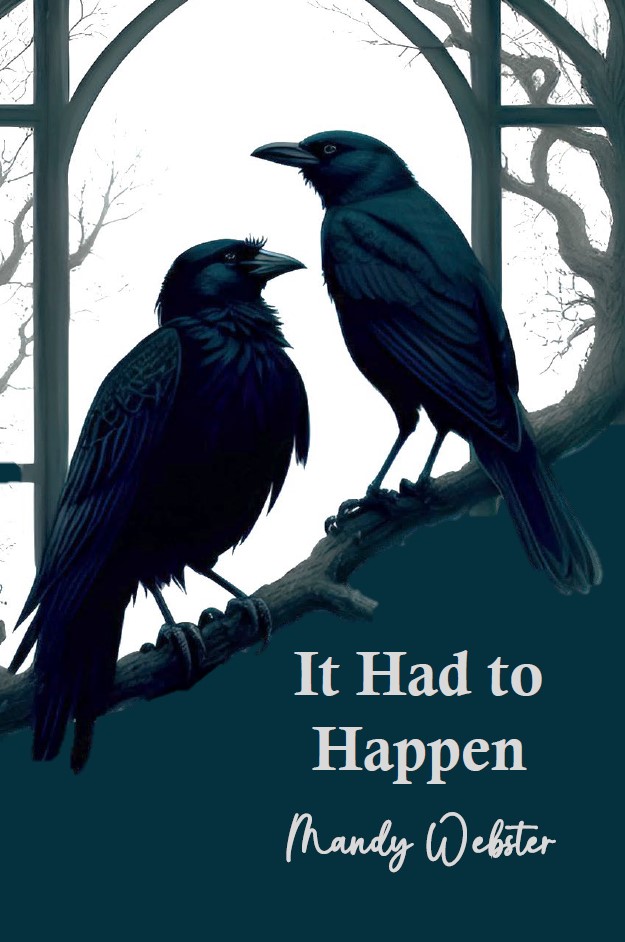
And now, a look at my latest novel, It Had to Happen!
Book Summary
When Jack Utley loses his daughter just as his business is about to soar, it seems he’s traded financial gain for Callie’s life. After an encounter with a mysterious woman on the eve of Callie’s funeral, Jack wakes up to find that time has somehow rewound to the morning of Callie’s accident. Jack gets an opportunity that most grieving parents can only dream of – he saves his daughter’s life.
Now that Jack has been forced to reflect on everything he has to lose, he resolves to do better. He’s determined to spend more time at home with his family and repair the relationships that have suffered over the years while he’s been so focused on work. But as Callie’s behavior becomes increasingly bizarre, Jack realizes he has a lot more room to improve than he realized – and it might be too late to save his daughter after all.
Are you enjoying this content? Please consider leaving a tip! You can buy me a cup of coffee or donate a larger amount to help me “make a living” writing so I can quit my day job!
Become a regular patron of my art by signing up to contribute a set monthly dollar amount to help me make a living with my writing!
You can also make an annual contribution to my writing. Select an amount below!
Choose an amount
Or enter a custom amount
Your contribution is appreciated.
Your contribution is appreciated.
Your contribution is appreciated.

 Write on the World