
Finish Writing Your Novel Now!

How to unlock the power of metaphors in fiction writing

Metaphors are one of the most effective tools in a writer’s toolkit. They allow us to convey complex ideas and emotions with clarity and creativity, transforming ordinary language into something extraordinary. In this blog post, we’ll explore the significance of metaphors in fiction writing, discuss how to use them effectively, and provide examples to inspire your own writing.
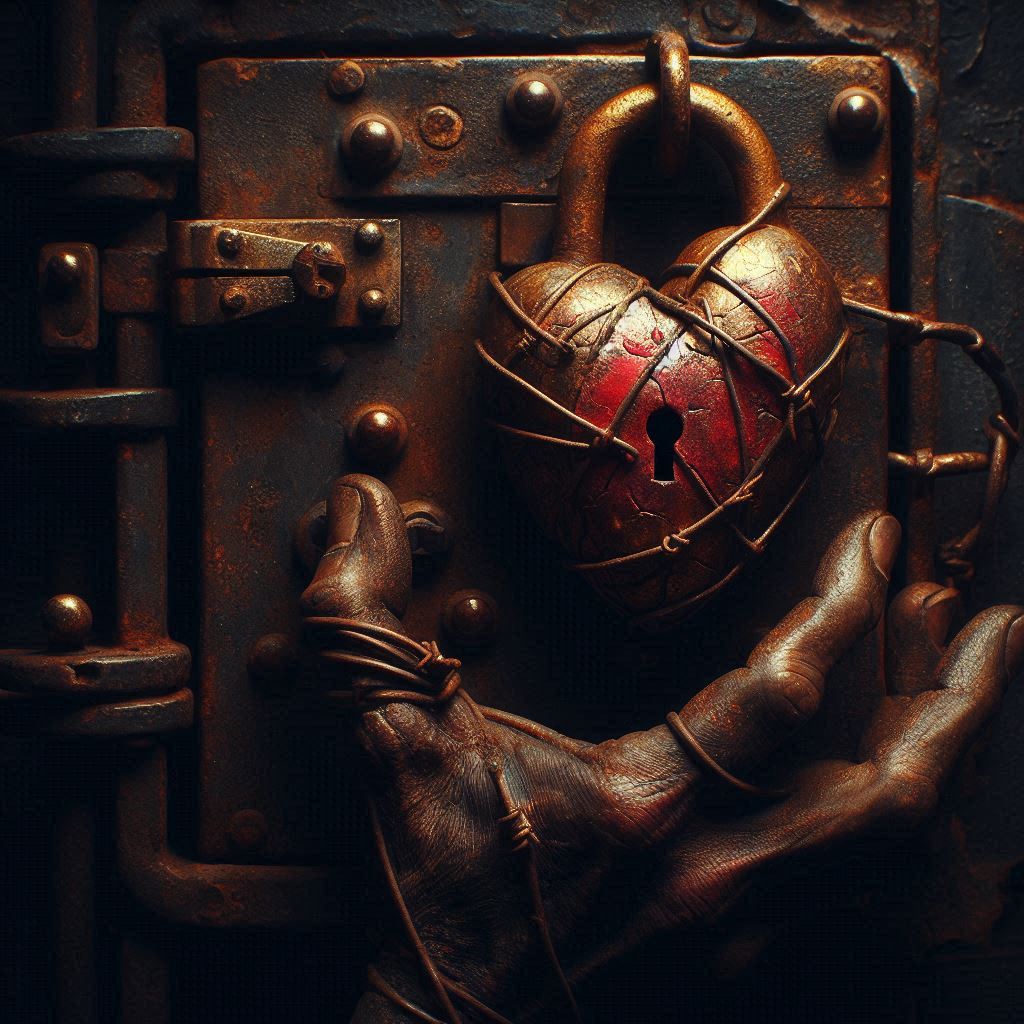
“His heart was a locked door” is one example of a metaphor.

A metaphor is a figure of speech that makes a direct comparison between two unlike things, asserting that one thing is another. Unlike similes, which use “like” or “as” for comparisons, metaphors create a more immediate and impactful connection.

Continue reading “How to unlock the power of metaphors in fiction writing”


Finish Writing Your Novel Now!

The art of similes: How to enhance your fiction with vivid comparisons

Similes are a powerful literary device that can breathe life into your writing. By drawing comparisons between seemingly unrelated things, similes can evoke vivid imagery and emotion, making your prose more engaging and relatable. In this post, we’ll explore how to effectively use similes in fiction writing, along with some examples to inspire your creativity.

“She was as brave as a lion” is one example of a simile.

A simile is a figure of speech that compares two different things using the words “like” or “as.” This comparison can highlight similarities and create a clearer picture in the reader’s mind, enhancing the overall narrative.

Continue reading “The art of similes: How to enhance your fiction with vivid comparisons”
Finish Writing Your Novel Now!

Understanding what happens in the brain when reading can help you become a better writer!

Reading fiction is a complex cognitive activity that engages many areas of the brain. When we read, our brains create mental representations of the characters, settings, and events described in the text, allowing us to immerse ourselves in the story and experience it as if we were physically experiencing the story ourselves.

Do you know what happens in a reader’s brain when the reader is fully immersed in a story?

Several brain regions are involved in this process, including the visual cortex, which processes visual information and helps us create mental images of the story’s setting and characters. The temporal lobe is also involved, processing language and helping us understand the meaning of the words we’re reading.

Continue reading “Understanding what happens in the brain when reading can help you become a better writer!”
Description, Writing Prompts

Why is descriptive writing so hard?

Writing prompt: Write a description of this picture and share it in the comments below.

Lately, I’ve been working my way through the manuscript I started for my creative master’s thesis in an attempt to finally finish the novel already and get it published. As I am working my way through the novel this time, I am struck dumb by the lack of description in these first 90+ pages that are supposedly polished to the point of being publishable.

Two questions come to mind: first, how did this happen? And second, what the heck am I going to do about it?

I have gotten far enough away from the actual writing of this project that I feel as though I am seeing it through my “reader’s lens,” and I am really not happy with what I am reading. Sure, my dialog is awesome (I ROCK at dialog!), but there’s not a whole lot going on around that dialog. Continue reading “Why is descriptive writing so hard?”

Description, Writing Prompts

Describe something in ten different ways

Child Art Aged 2.5 Smiley Face with Writing Un...
Sometimes, I think my descriptive writing looks a little like this. | Child Art Aged 2.5 Smiley Face with Writing Underneath (Photo credit: Wikipedia)

The Chuck Wendig/TerribleMinds writing exercise for today is to describe one thing in ten different ways. I decided I needed to attempt this one since description is NOT my strong suit. I chose to describe description:

Writing description, for me, 1) is like pulling teeth. Yes, cliché is often my go-to strategy. Don’t most of our brains take the path of least resistance most of the time? It’s 2) like a traffic jam when I’m already late (HA!)

Okay, now that I’m done dating myself, let’s proceed, shall we?

Writing description 3) is hard for me. Once in a great while, 4) it pours out of me as though someone has turned on the rusty description faucet in my head, full-blast, if only for a few minutes. Continue reading “Describe something in ten different ways”