
Metaphors are one of the most effective tools in a writer’s toolkit. They allow us to convey complex ideas and emotions with clarity and creativity, transforming ordinary language into something extraordinary. In this blog post, we’ll explore the significance of metaphors in fiction writing, discuss how to use them effectively, and provide examples to inspire your own writing.
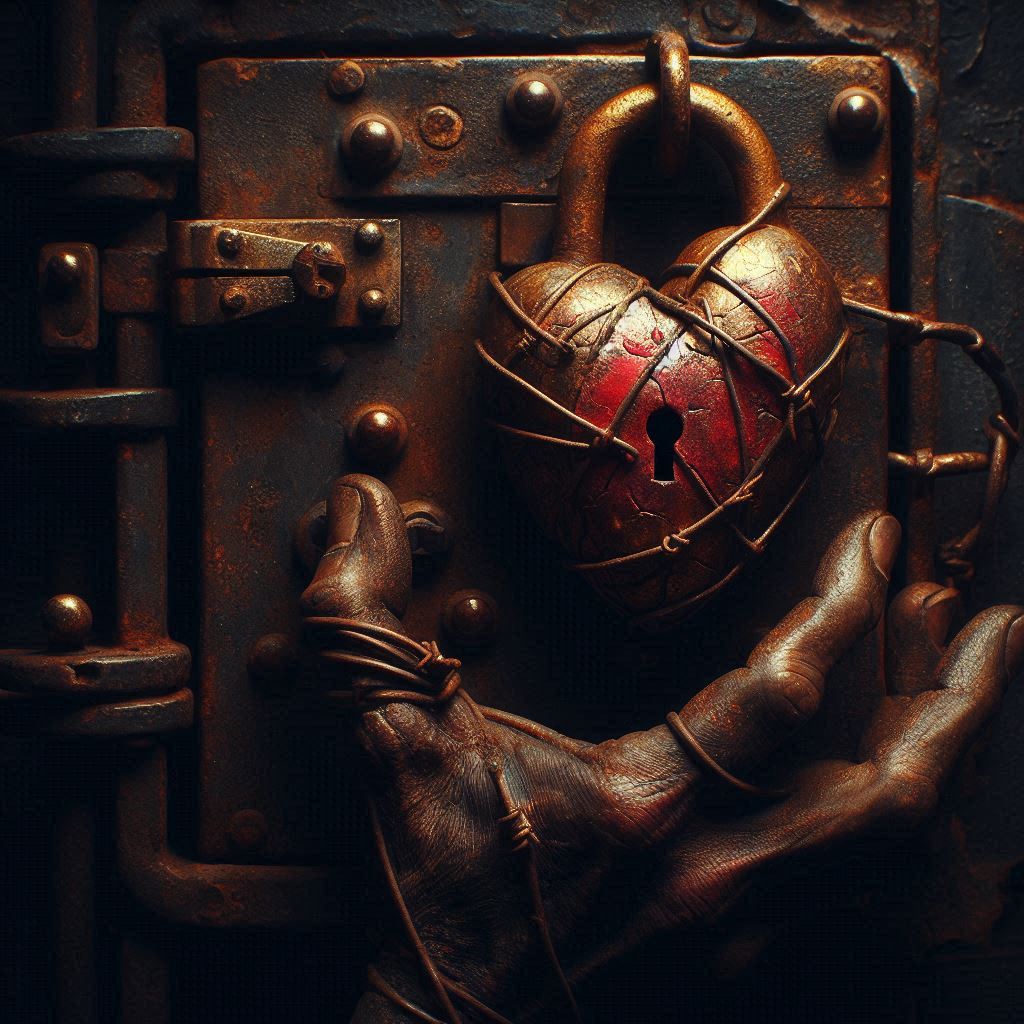
A metaphor is a figure of speech that makes a direct comparison between two unlike things, asserting that one thing is another. Unlike similes, which use “like” or “as” for comparisons, metaphors create a more immediate and impactful connection.
Metaphors can create vivid mental pictures that enrich your narrative and engage your readers’ senses. They can express feelings and concepts in a more visceral way, allowing readers to connect with characters on a deeper emotional level. Metaphors can distill complex themes or ideas into relatable concepts, making your writing more accessible. By incorporating metaphors, you can add layers of meaning to your writing, inviting readers to explore and interpret your work more deeply.
Tips for using metaphors effectively
- Be Original: Avoid clichés—overused metaphors can feel stale and lose their impact. Strive for fresh, original comparisons that surprise and engage your readers. Cliché Example: Time is a thief. Original Example: Time is a relentless river, sweeping away moments before we can grasp them.
- Match Tone and Context: Ensure your metaphor aligns with the tone of your scene. A lighthearted metaphor may not fit well in a serious context, and vice versa. Example in a Joyful Scene: Her joy was a bright firework, bursting into colors that lit up the night sky. Example in a Somber Scene: His heart was a locked door, rusted shut by years of unspoken pain.
- Use Sparingly: While metaphors can enhance your writing, too many can overwhelm your readers. Use them strategically to maintain their effectiveness and impact.
- Integrate with Character Voice: Metaphors can reflect a character’s personality or perspective. A poetic character might use elaborate metaphors, while a pragmatic character might prefer simpler comparisons. Example: To her, life was a puzzle with missing pieces, and she spent every day searching for the ones that fit.
Examples of Effective Metaphors
Here are some examples to inspire your use of metaphors in fiction:
- Evocative Descriptions: The world was a stage, and everyone was playing their part, hiding their true selves behind carefully crafted masks.
- Character Insights: He was a ticking time bomb, his anger simmering just beneath the surface, ready to explode at the slightest provocation.
- Setting the Scene: The city was a concrete jungle, its skyscrapers towering like ancient sentinels watching over the bustling life below.
- Emphasizing Emotion: Her grief was a heavy cloak, wrapping around her shoulders and pulling her down into shadows.
Metaphors are a powerful way to enhance your writing, allowing you to convey meaning, emotion, and imagery in a concise and impactful manner. By crafting original and contextually appropriate metaphors, you can create a more engaging experience for your readers. So, the next time you write, think about how a well-placed metaphor can elevate your prose and deepen your storytelling.
Read my novels FREE on Kindle Unlimited!
Kindle Unlimited subscribers can now read most of my novels FREE on Kindle Unlimited! View my full book catalog on Amazon now.
Not yet a Kindle Unlimited subscriber? Start your free trial today!
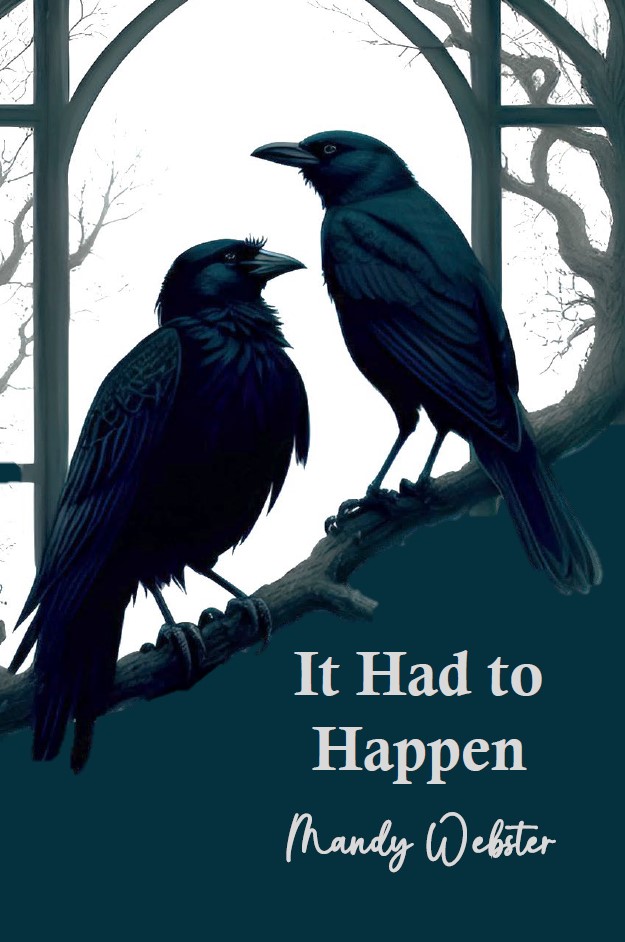
And now, a look at my latest novel, It Had to Happen!
Book Summary
When Jack Utley loses his daughter just as his business is about to soar, it seems he’s traded financial gain for Callie’s life. After an encounter with a mysterious woman on the eve of Callie’s funeral, Jack wakes up to find that time has somehow rewound to the morning of Callie’s accident. Jack gets an opportunity that most grieving parents can only dream of – he saves his daughter’s life.
Now that Jack has been forced to reflect on everything he has to lose, he resolves to do better. He’s determined to spend more time at home with his family and repair the relationships that have suffered over the years while he’s been so focused on work. But as Callie’s behavior becomes increasingly bizarre, Jack realizes he has a lot more room to improve than he realized – and it might be too late to save his daughter after all.
Are you enjoying this content? Please consider leaving a tip! You can buy me a cup of coffee or donate a larger amount to help me “make a living” writing so I can quit my day job!
Become a regular patron of my art by signing up to contribute a set monthly dollar amount to help me make a living with my writing!
You can also make an annual contribution to my writing. Select an amount below!
Choose an amount
Or enter a custom amount
Your contribution is appreciated.
Your contribution is appreciated.
Your contribution is appreciated.

 Write on the World