Book Reviews, Find Your Next Read

Behind White Picket Fences by Christine Gunderson is a suspense novel caught between aspiration and reality

There’s something deeply compelling about novels that peel back the image of suburban perfection to reveal the ugliness underneath, and Behind White Picket Fences certainly knows how to build that contrast. Releasing June 9, 2026, the novel combines domestic suspense, commentary on modern motherhood, and a mystery rooted in buried neighborhood secrets. At its best, it captures the exhaustion and anxiety of contemporary parenting with sharp observational humor. At other times, though, the story feels so polished and idealized that the emotional truth underneath begins to slip away.

Get your copy of Behind White Picket Fences today!

The novel follows Kiersten Cleaver, who feels crushed beneath the endless expectations of modern motherhood. Travel sports, academic pressure, dyslexia accommodations, and the constant race to ensure children are “successful” have left her emotionally depleted. Alongside her neighbors Rosamund and Piper, she decides to step away from the system entirely for a year, creating a homeschool collective out of Kiersten’s kitchen. The setup taps directly into a cultural fantasy many parents probably recognize: a return to a slower, more intentional childhood where kids play outside, families gather around real dinner tables, and life isn’t dictated by schedules and screens.

Continue reading “Behind White Picket Fences by Christine Gunderson is a suspense novel caught between aspiration and reality”
Book Reviews, Find Your Next Read

Missing Sister by Joshilyn Jackson: A twisty Southern thriller about sisterhood, guilt, and revenge

What if the person avenging your sister’s death isn’t you—but someone who knows more than you ever did? In Missing Sister, Joshilyn Jackson delivers a chilling, character-driven thriller that explores the razor-thin line between justice and obsession. The novel follows Penny Albright, a rookie cop still reeling from the tragic death of her twin, Nix, five years earlier. Born three minutes apart, the sisters were inseparable—until Nix’s sudden death and a cryptic voicemail left Penny drowning in guilt and unanswered questions.

Get your copy of Missing Sister from my independent online bookstore today!

Now working in law enforcement to honor Nix’s dream of making the world safer, Penny is called to her first murder scene and comes face-to-face with Danny Bowery, one of the three men she’s long blamed for her sister’s death. He’s sprawled in a pool of blood outside an upscale Atlanta shopping center, as if conjured by Penny’s long-harbored anger. And then there’s the blonde woman in blood-soaked clothes gripping a box cutter—a woman who hints that Bowery’s murder is only the beginning of a larger story about sisters before vanishing into thin air.

Continue reading “Missing Sister by Joshilyn Jackson: A twisty Southern thriller about sisterhood, guilt, and revenge”
Book Reviews, Find Your Next Read

Her Last Breath by Taylor Adams: A suffocatingly tense survival thriller beneath the surface

Her Last Breath by Taylor Adams, releasing February 17, 2026, takes the author’s talent for relentless suspense and drops it hundreds of feet underground—into a setting that’s as psychologically unnerving as it is physically dangerous. Known for high-concept thrillers like No Exit and The Last Word, Adams once again proves he knows exactly how to weaponize isolation, fear, and timing.

Get your copy of Her Last Breath from my independent online bookstore today!

At first, I worried this might be the kind of survival novel that traps the reader in a single claustrophobic space for the entire book. That fear didn’t last long. While a huge portion of the story centers on the many hours Tess spends trapped in a cave, Adams smartly structures the novel around her hospital-bed interview with a detective. Tess’s account of what happened underground is intercut with revelations about her best friend Allie and the unsettling secrets she kept hidden. The result is a story that constantly moves, even when its protagonist physically cannot.

Continue reading “Her Last Breath by Taylor Adams: A suffocatingly tense survival thriller beneath the surface”
Finish Writing Your Novel Now!

How to unlock the power of metaphors in fiction writing

Metaphors are one of the most effective tools in a writer’s toolkit. They allow us to convey complex ideas and emotions with clarity and creativity, transforming ordinary language into something extraordinary. In this blog post, we’ll explore the significance of metaphors in fiction writing, discuss how to use them effectively, and provide examples to inspire your own writing.

“His heart was a locked door” is one example of a metaphor.

A metaphor is a figure of speech that makes a direct comparison between two unlike things, asserting that one thing is another. Unlike similes, which use “like” or “as” for comparisons, metaphors create a more immediate and impactful connection.

Continue reading “How to unlock the power of metaphors in fiction writing”
Finish Writing Your Novel Now!

The art of similes: How to enhance your fiction with vivid comparisons

Similes are a powerful literary device that can breathe life into your writing. By drawing comparisons between seemingly unrelated things, similes can evoke vivid imagery and emotion, making your prose more engaging and relatable. In this post, we’ll explore how to effectively use similes in fiction writing, along with some examples to inspire your creativity.

“She was as brave as a lion” is one example of a simile.

A simile is a figure of speech that compares two different things using the words “like” or “as.” This comparison can highlight similarities and create a clearer picture in the reader’s mind, enhancing the overall narrative.

Continue reading “The art of similes: How to enhance your fiction with vivid comparisons”
Finish Writing Your Novel Now!

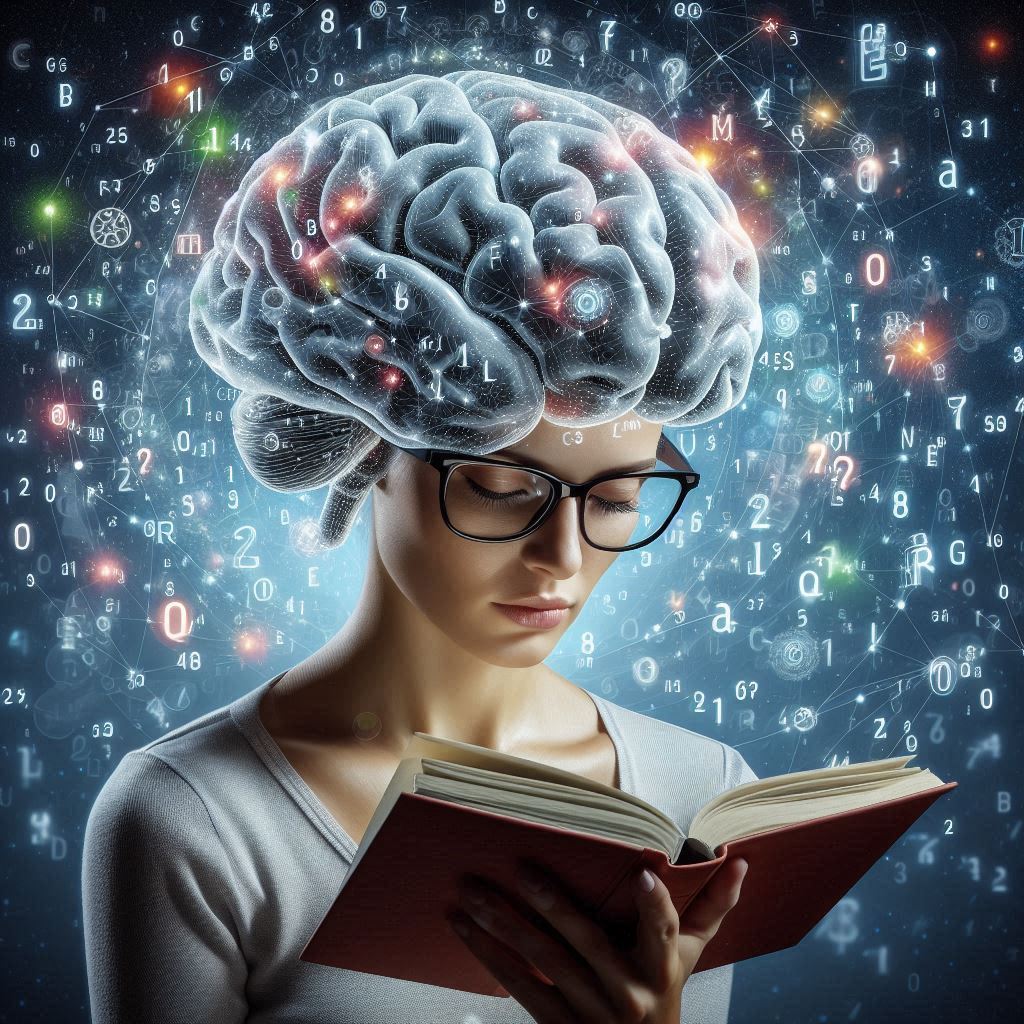
Understanding what happens in the brain when reading can help you become a better writer!

Reading fiction is a complex cognitive activity that engages many areas of the brain. When we read, our brains create mental representations of the characters, settings, and events described in the text, allowing us to immerse ourselves in the story and experience it as if we were physically experiencing the story ourselves.

Do you know what happens in a reader’s brain when the reader is fully immersed in a story?

Several brain regions are involved in this process, including the visual cortex, which processes visual information and helps us create mental images of the story’s setting and characters. The temporal lobe is also involved, processing language and helping us understand the meaning of the words we’re reading.

Continue reading “Understanding what happens in the brain when reading can help you become a better writer!”
Finish Writing Your Novel Now!

Mastering Flashbacks: A Guide to Enhancing Your Fiction

Flashbacks can be a powerful tool in fiction writing, allowing authors to deepen character development, enrich plot lines, and create emotional resonance. However, using them effectively requires careful consideration.

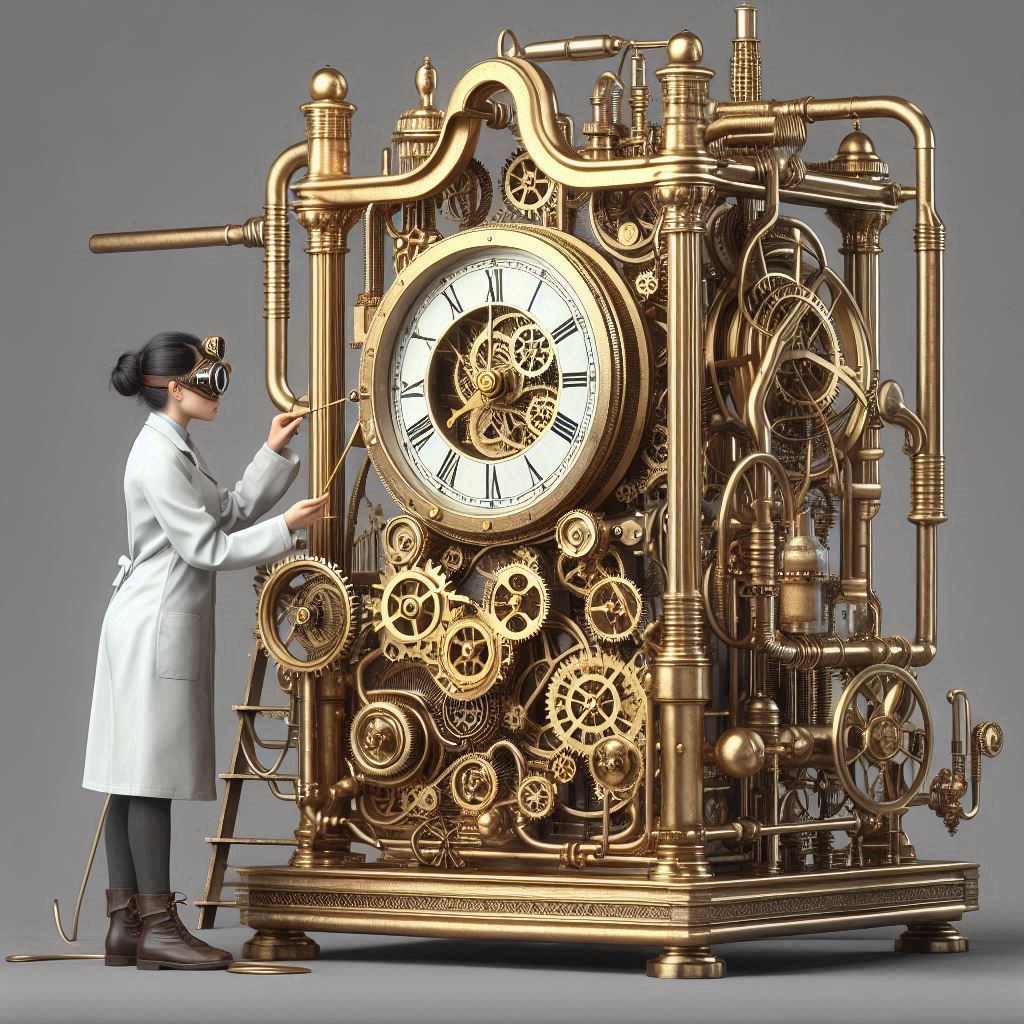
Incorporating flashbacks in your novel is like using a time machine to show your readers what happened in the past.

Potential drawbacks of incorporating flashbacks in your novel include disrupting the pacing of the story, confusing and tiring your readers, and shifting the novel’s focus away from the story’s “present time.” If not handled delicately, flashbacks can feel like emotional manipulation. Readers may sense when an author is trying too hard to elicit a particular response, which can undermine the authenticity of the moment. Here’s how to master the art of flashbacks in your writing:

Continue reading “Mastering Flashbacks: A Guide to Enhancing Your Fiction”
Finish Writing Your Novel Now!

How to write backstory without infodumping

Infodumping in novel writing refers to the excessive and often clumsy presentation of background information, context, or details all at once, usually in a way that disrupts the narrative flow. This can happen when an author tries to convey too much information in one go, often through long passages of exposition or dialogue, making it feel overwhelming or tedious for the reader.

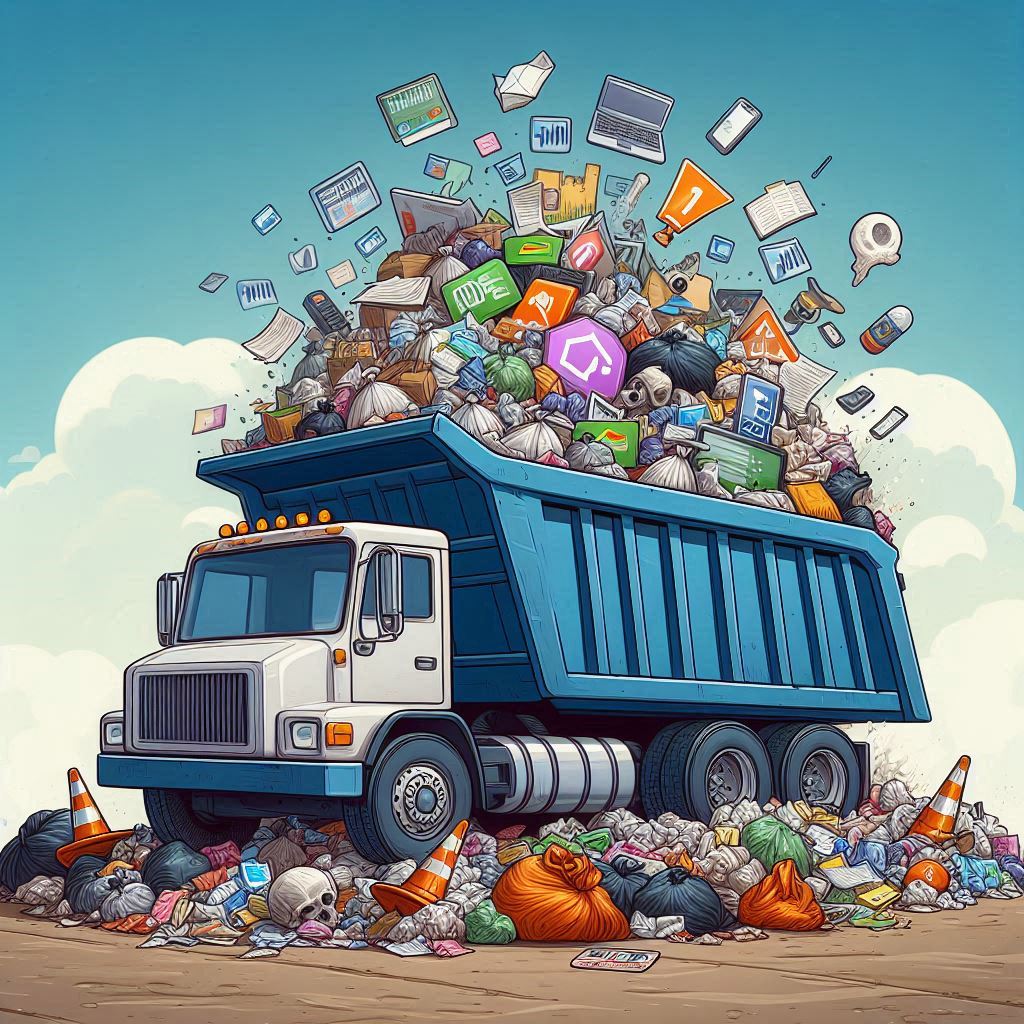
Imagine how overwhelming it would be to have all this information dumped on you at once!

Writing backstory without resorting to infodumping involves weaving the information seamlessly into the narrative. Here are some techniques to help you do that:

Continue reading “How to write backstory without infodumping”
Finish Writing Your Novel Now!

What is backstory in novel writing?

Backstory in novel writing refers to the history and events that shape the characters, settings, and plot before the main narrative begins. It provides context and depth to the characters and can help explain their motivations, conflicts, and relationships.

Effective backstory is blended into the flow of the narrative, keeping the reader engaged while providing necessary context.

Here are some key aspects of backstory:

Continue reading “What is backstory in novel writing?”
Finish Writing Your Novel Now!

What is exposition in fiction writing? Is it the same as “telling?”

In fiction writing, “telling” and “exposition” are related but not exactly the same thing. Telling refers to the technique of stating facts or emotions directly, rather than letting the reader infer them through actions, dialogue, or sensory details. For example, saying, “She was angry,” is telling, whereas showing might involve describing her clenched fists or sharp tone. Exposition, on the other hand, is the presentation of background information, context, or explanation necessary for the story, such as the history of a world, character backstory, or details about a situation.

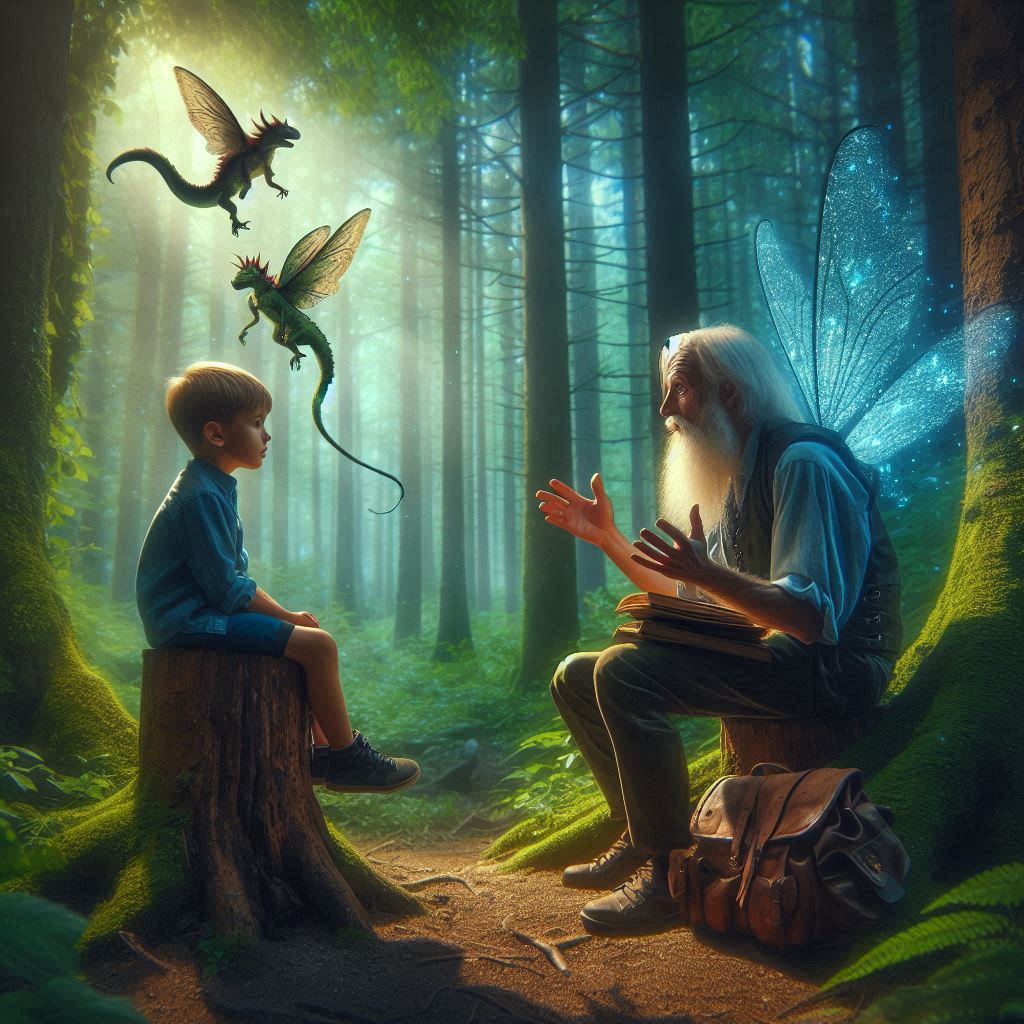
Exposition can be used to describe a novel’s setting. How would you describe this setting?

Exposition can be done through either telling or showing. In short, telling is a technique, while exposition is a type of content. Exposition can sometimes involve “telling” when the writer needs to explain things quickly, but it can also be shown through more gradual revelations or interactions within the narrative.

Continue reading “What is exposition in fiction writing? Is it the same as “telling?””