
Book Reviews, Find Your Next Read

Wolf Worm by T. Kingfisher: A gothic horror that burrows under your skin

In Wolf Worm, T. Kingfisher delivers a slow-burning gothic nightmare set in the woods of North Carolina, where scientific curiosity collides with something far older and far more feral. Releasing March 24, 2026, the novel follows Sonia Wilson, a scientific illustrator in 1899 who has been surviving on the borrowed credibility of her late father’s reputation. When she accepts a position with the reclusive Dr. Halder to illustrate his insect collection, she believes she’s securing stability. Instead, she steps into a story that opens with a chilling admission: “I saw the devil in these woods.”
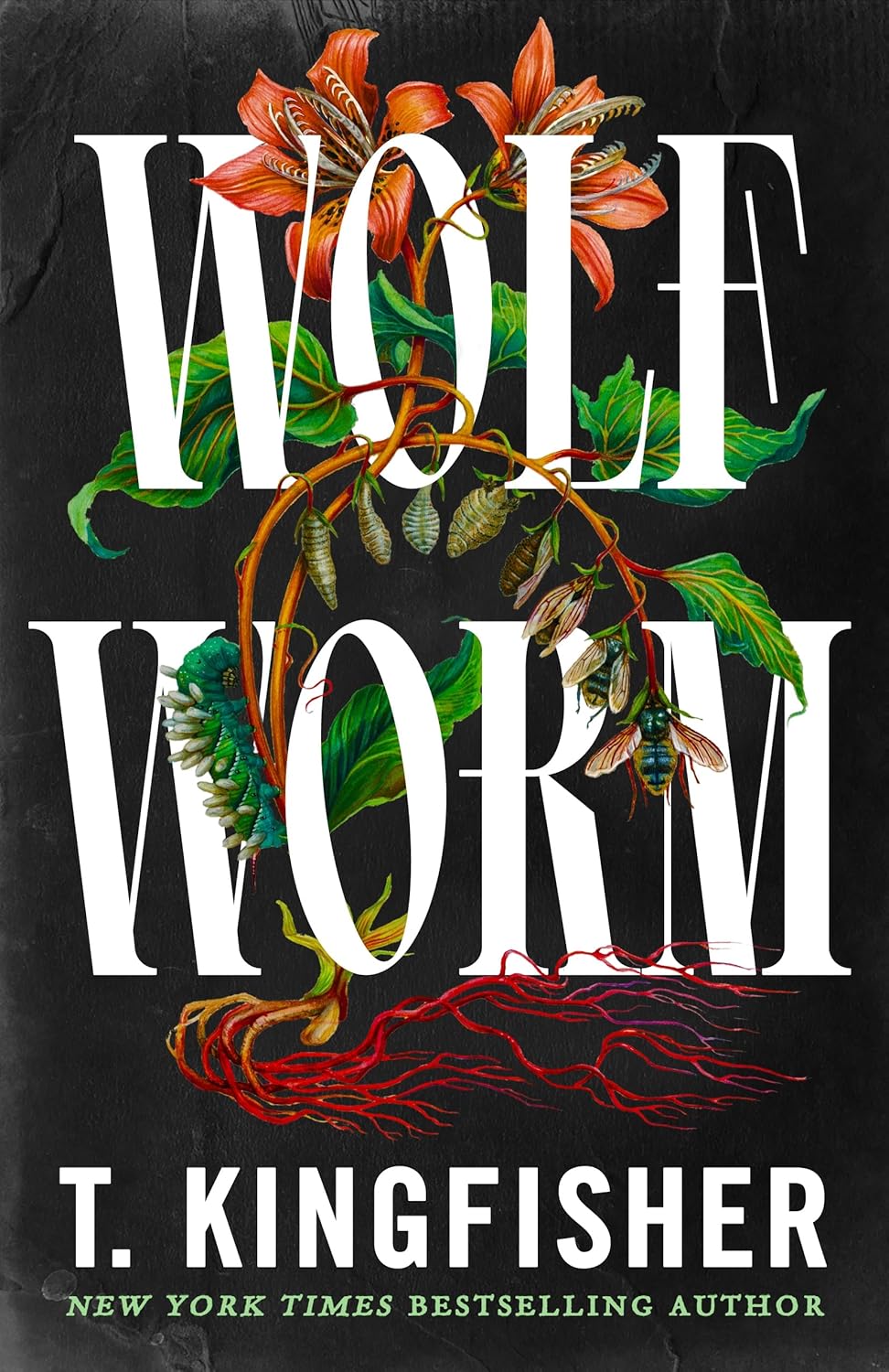
Get your copy of Wolf Worm from my independent online bookstore today!

Kingfisher’s prose reflects Sonia’s artistic eye. Descriptions feel layered, as if applied with a brush—yellow ochre laid in for a dog’s fur and then lifted back out again along the face. The natural world is rendered with precision and technique, which makes the corruption creeping through it feel even more invasive. As animals begin behaving strangely and local whispers about “blood thieves” grow louder, the beauty of the environment becomes inseparable from the horror beneath it. This is a novel saturated with insects—some of them of the burrowing-into-flesh variety—and Kingfisher does not shy away from the visceral implications.

Continue reading “Wolf Worm by T. Kingfisher: A gothic horror that burrows under your skin”


Finish Writing Your Novel Now!

Understanding beats in novel writing: How small moments make a big difference

In the world of novel writing, the term “beats” might sound technical, but it actually describes something fundamental to storytelling. Beats are the subtle pauses, actions, gestures, and shifts in tone that bring scenes to life and give your narrative a natural rhythm. They’re the small but essential moments that help convey emotion, add depth, and keep readers hooked. Let’s dive into what beats are, why they’re important, and how to use them effectively to make your writing more dynamic.

A beat could be something as simple as having one character pause to glance over the top of their glasses at another: She lowered her glasses and gave him a side eye.

In creative writing, a “beat” is a term used to describe a small action or movement that a character makes during a scene. Beats can be used to convey a character’s emotions, thoughts, or intentions, and they can also be used to break up long passages of dialogue or description. In the simplest terms, beats are the little moments that create texture in a scene. Think of them as the breaths in your story—the pauses between dialogue, the glance a character gives before speaking, the way they fidget when they’re nervous. Beats can be:

Continue reading “Understanding beats in novel writing: How small moments make a big difference”
Finish Writing Your Novel Now!

How to write effective interior monologue in your novel

In novel writing, interior monologue is the narrative technique used to reveal a character’s inner thoughts, feelings, and reflections. It’s a way to give readers direct access to what a character is thinking without the character saying those thoughts out loud. This technique can deepen character development, help readers understand motivations, and create a more intimate connection between the character and the reader.

The purpose of interior monologue is to reveal a character’s inner thoughts, feelings, and reflections.

Getting interior monologue right is key in novel writing because it deepens character development by revealing a character’s private thoughts and emotions, giving readers access to their inner lives. It helps readers form a stronger emotional connection, even with flawed or conflicted characters, making them more relatable.

Continue reading “How to write effective interior monologue in your novel”
Finish Writing Your Novel Now!

What is proportion in novel writing?

In novel writing, proportion refers to the balance of different elements within the story—such as plot, character development, setting, and theme—to create a cohesive, engaging narrative. Proportion affects how much time and space are given to each element, helping to shape the reader’s experience and guide their focus. When proportion is well-balanced, readers feel drawn into the story without feeling overwhelmed by too much detail or frustrated by too little.

Proportion in novel writing is about giving each element the right amount of space to contribute to the whole story without overloading or neglecting any part.

Here are some key aspects of proportion in novel writing:

Continue reading “What is proportion in novel writing?”
Finish Writing Your Novel Now!

How to Create a Style Guide for Your Novel Manuscript

A style guide is an essential tool for any novelist who wants to stay organized and ensure consistency throughout their manuscript. Whether you’re managing character descriptions, tracking worldbuilding details, or simply making sure certain words are used the same way, a style guide helps you maintain accuracy and clarity in your story. By creating a reference document tailored to your novel, you make it easier to avoid inconsistencies and approach your work with a critical eye for detail. Here’s a step-by-step guide on how to create a style guide for your manuscript.

Your writing style guide doesn’t need to be quite this fancy. It could be as simple as an Excel spreadsheet, a Word document, or even handwritten note cards.

Start with Character Profiles

Character profiles are crucial for keeping track of your main and supporting characters. In this section, include essential information for each character, such as physical description, age, background, personality traits, and key relationships. If your character has specific speech patterns, catchphrases, or unique mannerisms, make note of these to ensure consistency.

Continue reading “How to Create a Style Guide for Your Novel Manuscript”