Writers on Writing

What dystopian stories teach us about who controls history: An exploration of cultural narrative in Ruins

While reading Ruins, the latest novel by Lily Brooks-Dalton, I found myself thinking less about the far-future world it imagines and more about the stories civilizations tell about themselves — and why those stories so often begin to unravel the moment someone steps outside their borders. Set in a distant future where American civilization is long gone and no written records survive, Ruins follows an archaeologist who begins to question the official histories preserved by Leadership. In this world, what is accepted as truth has been shaped over thousands of years of retelling, and stability depends on the population’s belief in those narratives.
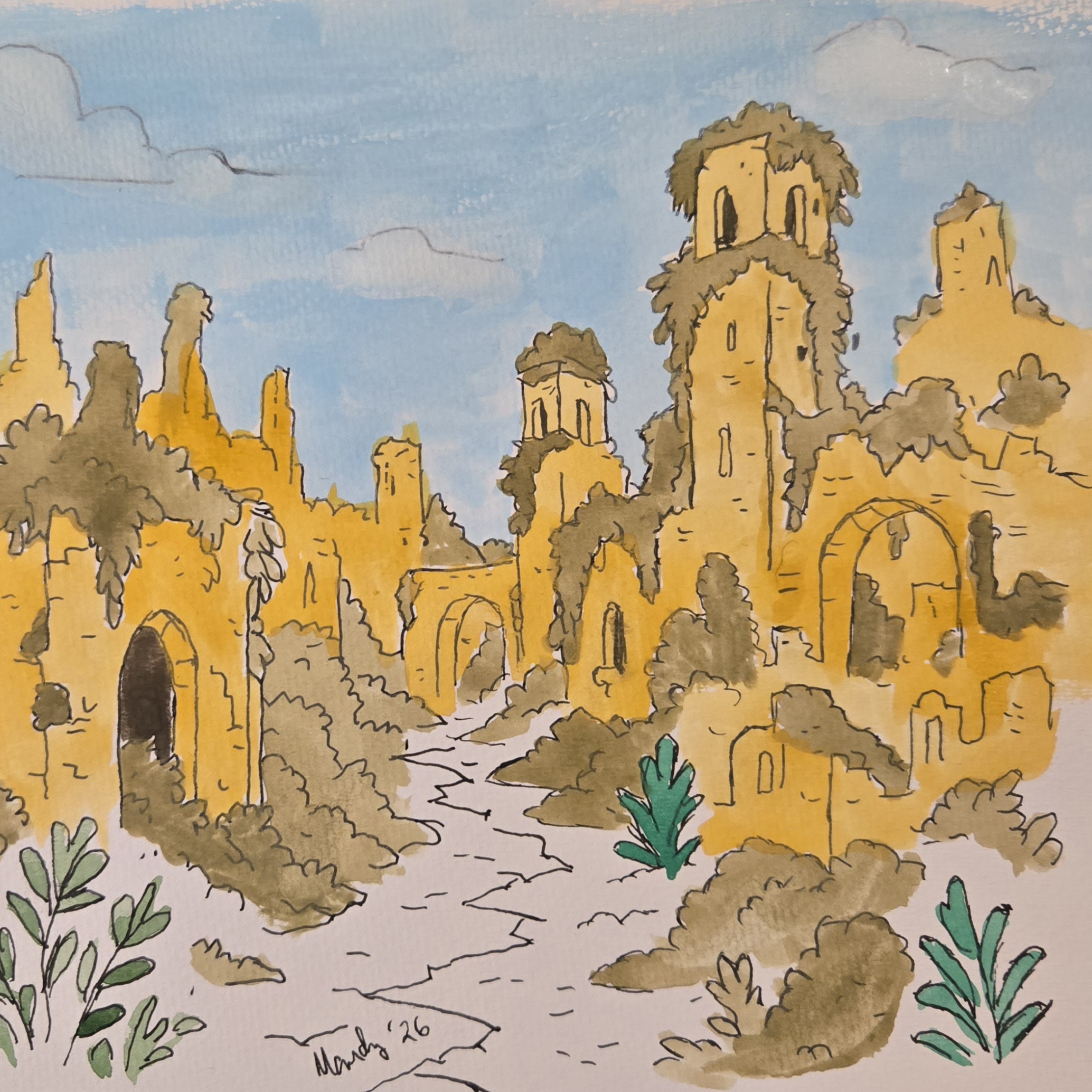
Civilizations survive through stories — but whose stories get left out? Inspired by Lily Brooks-Dalton’s Ruins, this post explores rules, exceptions, and the hidden structures of society.

It wasn’t just the mystery at the heart of the novel that stayed with me, but the way it mirrors a recurring pattern in literature: civilizations rely on shared stories to create order. Without these stories, cooperation becomes fragile, meaning begins to fray, and identity itself can feel uncertain. But stories, by necessity, simplify. They smooth contradictions, minimize uncertainty, and quietly remove perspectives that do not fit the larger arc. And what disappears is often invisible to those living comfortably within the story.

Continue reading “What dystopian stories teach us about who controls history: An exploration of cultural narrative in Ruins”
Book Reviews, Find Your Next Read

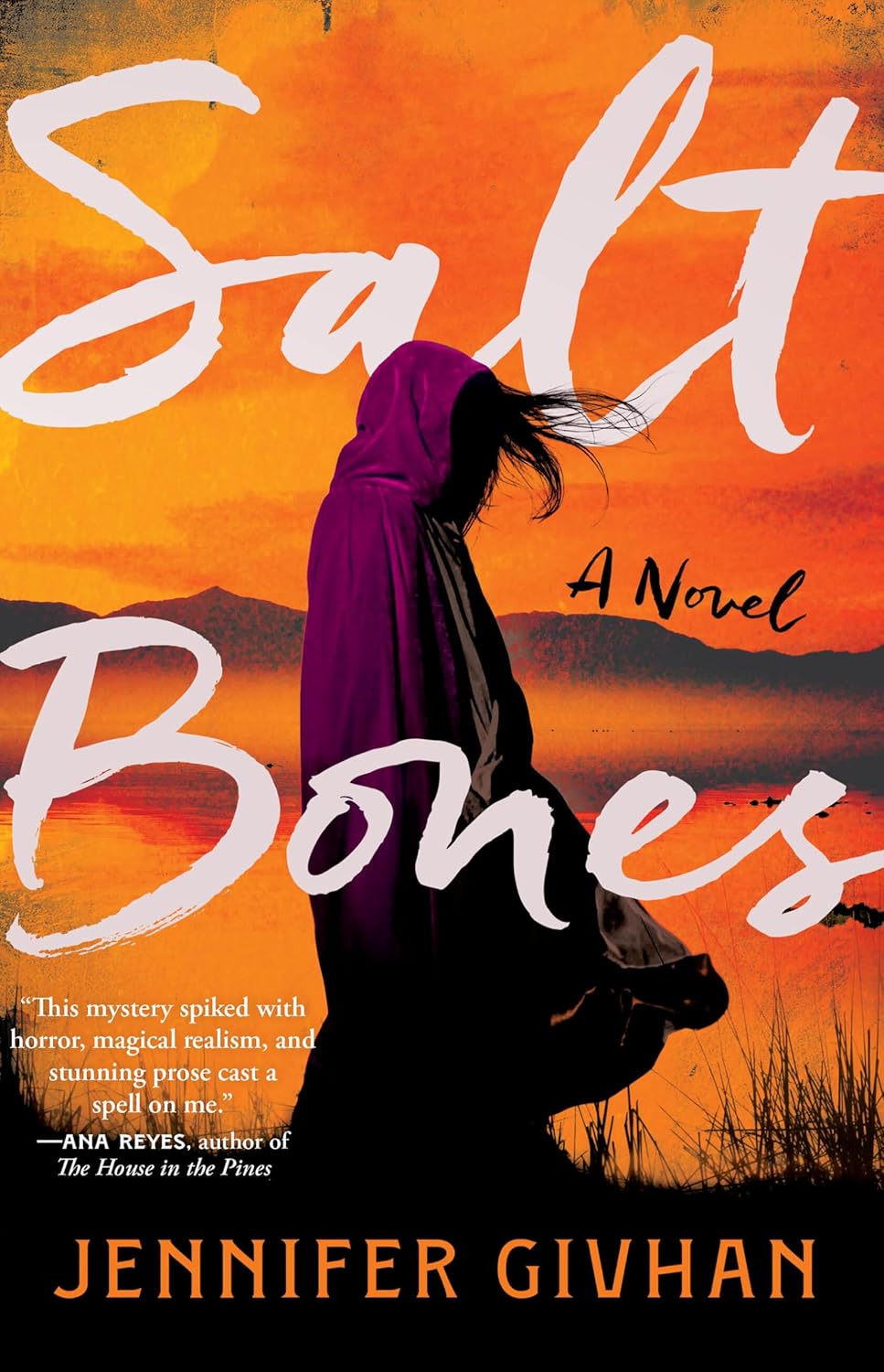
Why Salt Bones by Jennifer Givhan is the best novel I’ve read so far in 2025

Every once in a while, a book comes along that completely captivates your imagination and refuses to let you go. Salt Bones by Jennifer Givhan is that book for me—the #1 best novel I’ve read so far in 2025.

Get your copy of Salt Bones from my independent online bookstore today!

Set against the stark, blistering backdrop of the Mexicali borderlands and the eerie Salton Sea, Salt Bones is a darkly lyrical story of mothers and daughters, folklore and truth, justice and horror. Malamar Veracruz has lived her whole life in El Valle, raising two daughters while carrying the pain of her sister Elena’s disappearance years ago. When another girl goes missing, Mal is thrust back into that old nightmare, haunted by visions of a horse-headed woman tied to local legend. But as Mal and her daughters uncover layer after layer of family secrets, folklore, and lies, the story reveals what women have always known: men are the destroyers, and the women who try to protect others are too often turned into monsters themselves.

Continue reading “Why Salt Bones by Jennifer Givhan is the best novel I’ve read so far in 2025”
Social Commentary

Ancient Technology Freed Humanity—Modern Tech Keeps Us Trapped

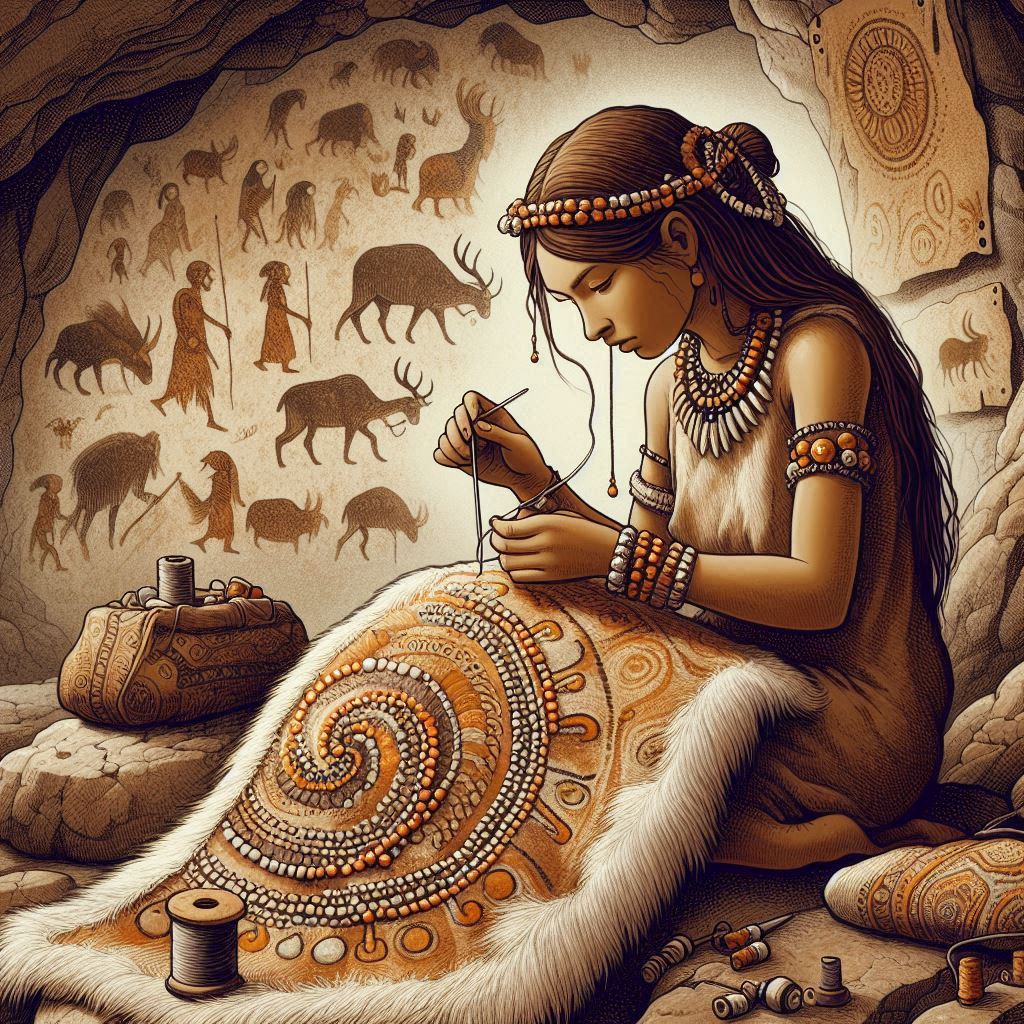
Ancient inventions like the wheel and the needle gave humanity the freedom to create art and stories, but modern technology has trapped us in a new kind of survival mode.

Throughout history, technological advancements have transformed the way humans live, work, and think. In ancient times, simple but revolutionary inventions such as the knife, the needle, and the wheel began to free humans from the constant struggle for survival. These tools enabled people to hunt, sew clothing, and transport goods more efficiently, allowing them to devote time and energy to higher-level activities such as storytelling, art, and religion. These pursuits not only enriched individual lives but also fostered the development of complex societies. By freeing humans from the grip of immediate survival, ancient technologies created the foundation for cultural and intellectual progress.

Continue reading “Ancient Technology Freed Humanity—Modern Tech Keeps Us Trapped”