
Finish Writing Your Novel Now!

Understanding what happens in the brain when reading can help you become a better writer!

Reading fiction is a complex cognitive activity that engages many areas of the brain. When we read, our brains create mental representations of the characters, settings, and events described in the text, allowing us to immerse ourselves in the story and experience it as if we were physically experiencing the story ourselves.
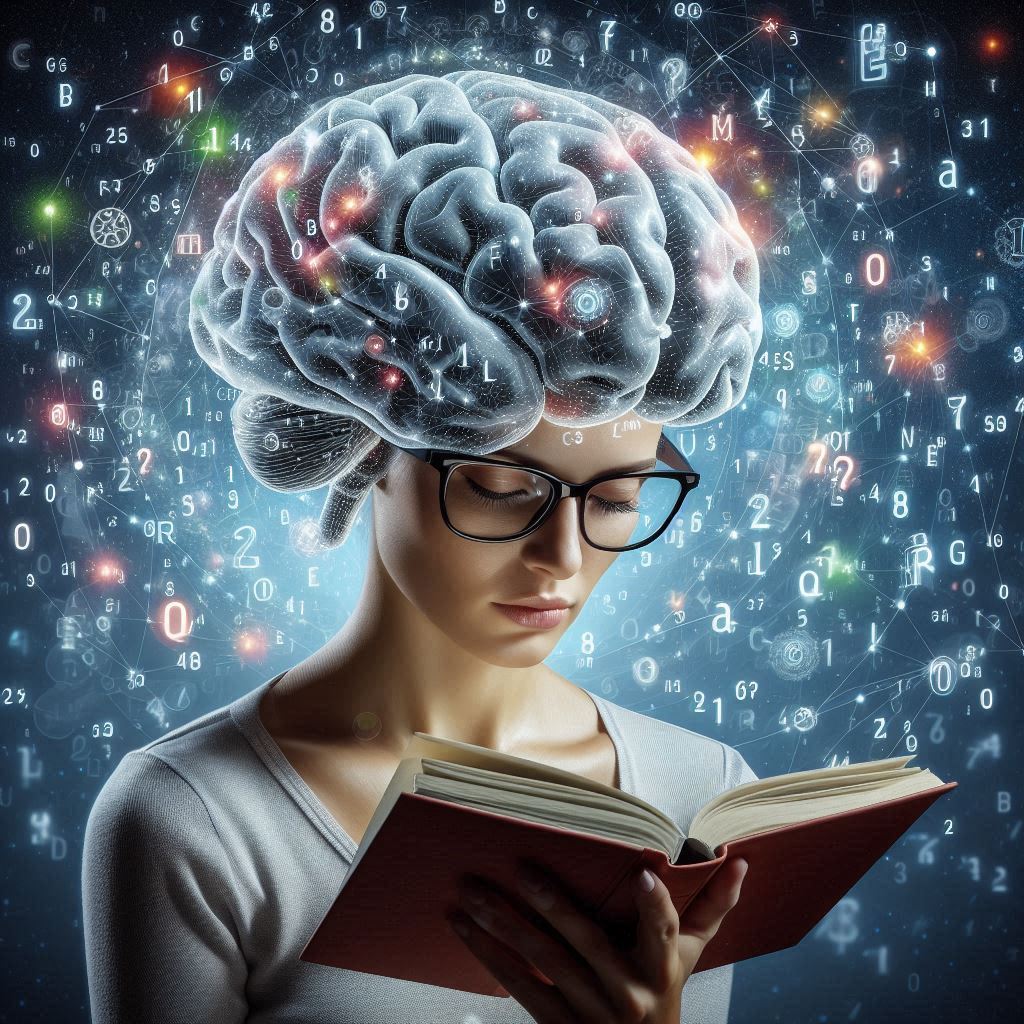
Do you know what happens in a reader’s brain when the reader is fully immersed in a story?

Several brain regions are involved in this process, including the visual cortex, which processes visual information and helps us create mental images of the story’s setting and characters. The temporal lobe is also involved, processing language and helping us understand the meaning of the words we’re reading.

Continue reading “Understanding what happens in the brain when reading can help you become a better writer!”
Finish Writing Your Novel Now!

How to write backstory without infodumping

Infodumping in novel writing refers to the excessive and often clumsy presentation of background information, context, or details all at once, usually in a way that disrupts the narrative flow. This can happen when an author tries to convey too much information in one go, often through long passages of exposition or dialogue, making it feel overwhelming or tedious for the reader.

Imagine how overwhelming it would be to have all this information dumped on you at once!

Writing backstory without resorting to infodumping involves weaving the information seamlessly into the narrative. Here are some techniques to help you do that:

Continue reading “How to write backstory without infodumping”
Finish Writing Your Novel Now!

What is backstory in novel writing?

Backstory in novel writing refers to the history and events that shape the characters, settings, and plot before the main narrative begins. It provides context and depth to the characters and can help explain their motivations, conflicts, and relationships.

Effective backstory is blended into the flow of the narrative, keeping the reader engaged while providing necessary context.

Here are some key aspects of backstory:

Continue reading “What is backstory in novel writing?”
Finish Writing Your Novel Now!

What is exposition in fiction writing? Is it the same as “telling?”

In fiction writing, “telling” and “exposition” are related but not exactly the same thing. Telling refers to the technique of stating facts or emotions directly, rather than letting the reader infer them through actions, dialogue, or sensory details. For example, saying, “She was angry,” is telling, whereas showing might involve describing her clenched fists or sharp tone. Exposition, on the other hand, is the presentation of background information, context, or explanation necessary for the story, such as the history of a world, character backstory, or details about a situation.

Exposition can be used to describe a novel’s setting. How would you describe this setting?

Exposition can be done through either telling or showing. In short, telling is a technique, while exposition is a type of content. Exposition can sometimes involve “telling” when the writer needs to explain things quickly, but it can also be shown through more gradual revelations or interactions within the narrative.

Continue reading “What is exposition in fiction writing? Is it the same as “telling?””