
Finish Writing Your Novel Now!

How to write backstory without infodumping

Infodumping in novel writing refers to the excessive and often clumsy presentation of background information, context, or details all at once, usually in a way that disrupts the narrative flow. This can happen when an author tries to convey too much information in one go, often through long passages of exposition or dialogue, making it feel overwhelming or tedious for the reader.
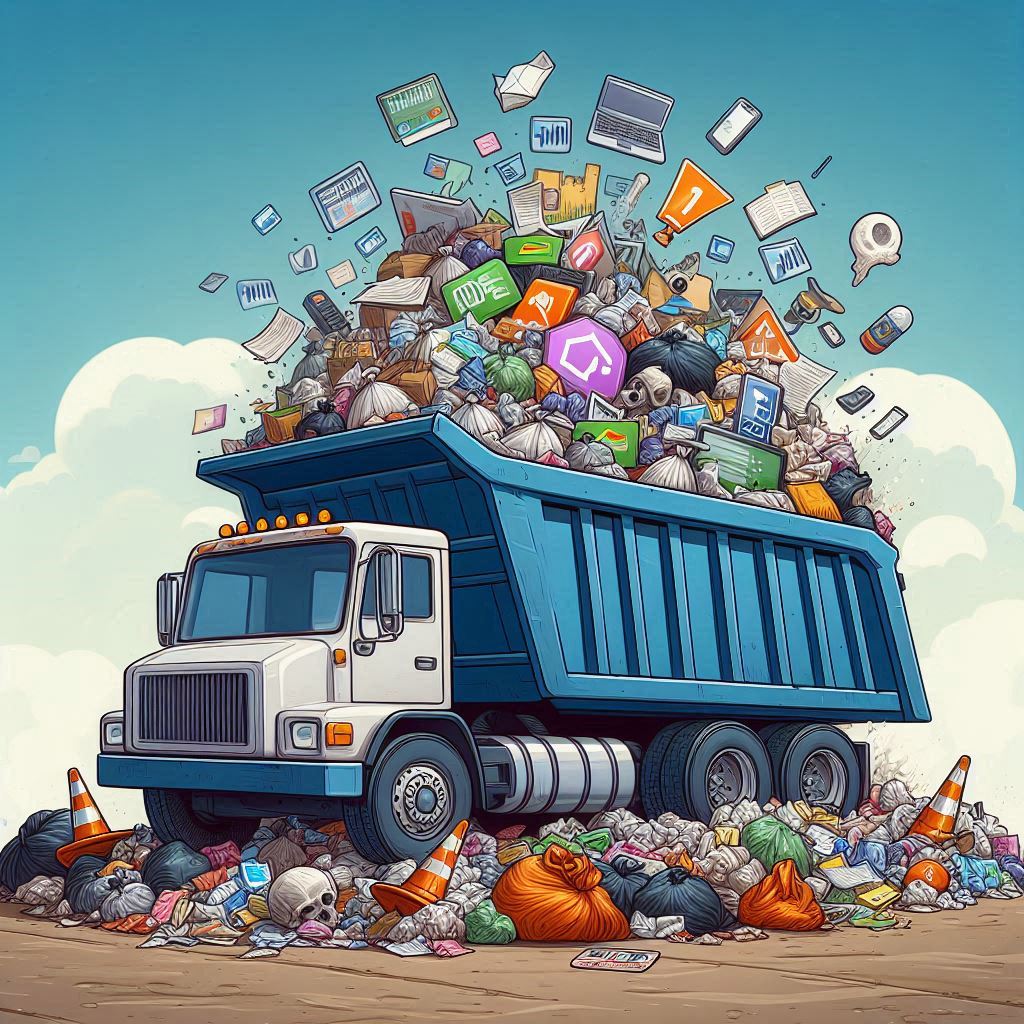
Imagine how overwhelming it would be to have all this information dumped on you at once!

Writing backstory without resorting to infodumping involves weaving the information seamlessly into the narrative. Here are some techniques to help you do that:

Continue reading “How to write backstory without infodumping”

Finish Writing Your Novel Now!

What is backstory in novel writing?

Backstory in novel writing refers to the history and events that shape the characters, settings, and plot before the main narrative begins. It provides context and depth to the characters and can help explain their motivations, conflicts, and relationships.

Effective backstory is blended into the flow of the narrative, keeping the reader engaged while providing necessary context.

Here are some key aspects of backstory:

Continue reading “What is backstory in novel writing?”
Finish Writing Your Novel Now!

What is exposition in fiction writing? Is it the same as “telling?”

In fiction writing, “telling” and “exposition” are related but not exactly the same thing. Telling refers to the technique of stating facts or emotions directly, rather than letting the reader infer them through actions, dialogue, or sensory details. For example, saying, “She was angry,” is telling, whereas showing might involve describing her clenched fists or sharp tone. Exposition, on the other hand, is the presentation of background information, context, or explanation necessary for the story, such as the history of a world, character backstory, or details about a situation.

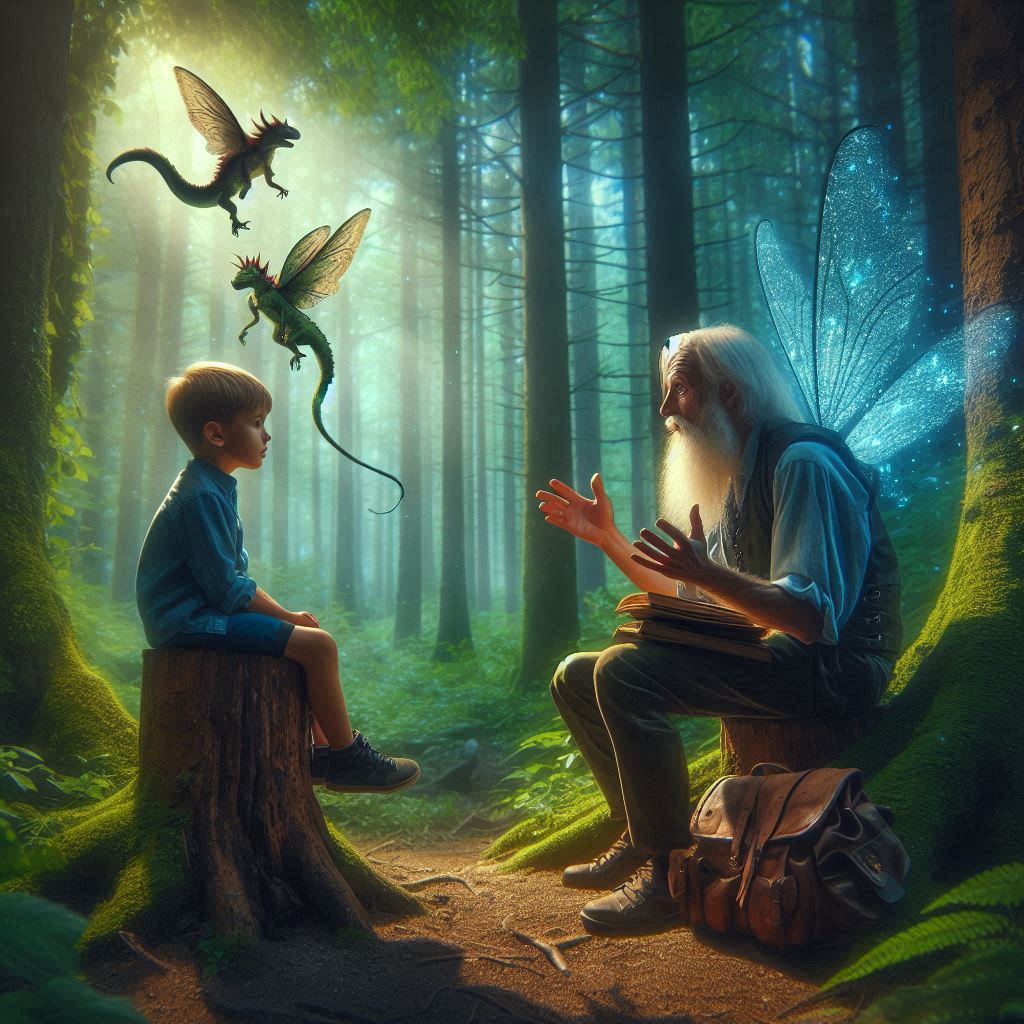
Exposition can be used to describe a novel’s setting. How would you describe this setting?

Exposition can be done through either telling or showing. In short, telling is a technique, while exposition is a type of content. Exposition can sometimes involve “telling” when the writer needs to explain things quickly, but it can also be shown through more gradual revelations or interactions within the narrative.

Continue reading “What is exposition in fiction writing? Is it the same as “telling?””
Finish Writing Your Novel Now!

What to focus on when revising your novel draft

Up to this point, your novel manuscript is still in what we call the “rough draft” stage, which means that if you feel like your manuscript is still crap, you’re probably right (and that’s ok!) Once you have conducted a thorough evaluation of your first draft, it is time to get down to the work of revising it to address the issues you discovered during the evaluation stage of the writing process.

Revising and refining a novel manuscript often requires a great deal of paper– and coffee!

Revising a novel manuscript often requires the author to make significant changes to the content, structure, and style of the story to improve its overall quality and effectiveness. This stage of the writing process typically comes after the first draft of the novel has been completed and may involve multiple rounds of revisions.

Continue reading “What to focus on when revising your novel draft”
Description, Writing Prompts

Why is descriptive writing so hard?

Writing prompt: Write a description of this picture and share it in the comments below.

Lately, I’ve been working my way through the manuscript I started for my creative master’s thesis in an attempt to finally finish the novel already and get it published. As I am working my way through the novel this time, I am struck dumb by the lack of description in these first 90+ pages that are supposedly polished to the point of being publishable.

Two questions come to mind: first, how did this happen? And second, what the heck am I going to do about it?

I have gotten far enough away from the actual writing of this project that I feel as though I am seeing it through my “reader’s lens,” and I am really not happy with what I am reading. Sure, my dialog is awesome (I ROCK at dialog!), but there’s not a whole lot going on around that dialog. Continue reading “Why is descriptive writing so hard?”

Description, Writing Prompts

Describe something in ten different ways

Child Art Aged 2.5 Smiley Face with Writing Un...
Sometimes, I think my descriptive writing looks a little like this. | Child Art Aged 2.5 Smiley Face with Writing Underneath (Photo credit: Wikipedia)

The Chuck Wendig/TerribleMinds writing exercise for today is to describe one thing in ten different ways. I decided I needed to attempt this one since description is NOT my strong suit. I chose to describe description:

Writing description, for me, 1) is like pulling teeth. Yes, cliché is often my go-to strategy. Don’t most of our brains take the path of least resistance most of the time? It’s 2) like a traffic jam when I’m already late (HA!)

Okay, now that I’m done dating myself, let’s proceed, shall we?

Writing description 3) is hard for me. Once in a great while, 4) it pours out of me as though someone has turned on the rusty description faucet in my head, full-blast, if only for a few minutes. Continue reading “Describe something in ten different ways”