Once you’ve reached the end of the first draft of your novel manuscript, it’s time to celebrate! This is a HUGE accomplishment, one that takes some writers decades to reach. You should celebrate! At this point, you should ignore how many steps of the writing process are yet to be worked through and take a break. For now, the bulk of the writing is done, and your brain needs some rest before making the shift into edit mode.
Silly image generated using AI. (The images just kept getting sillier the harder I tried.)
I know what you’re thinking: Wait, edit mode? But you said I was done!
Writing and editing involve different cognitive processes that use different parts of the brain. When you write, you typically use your creative and imaginative processes, which are associated with the right side of the brain. This involves generating new ideas, making connections between concepts, and visualizing scenes and characters.
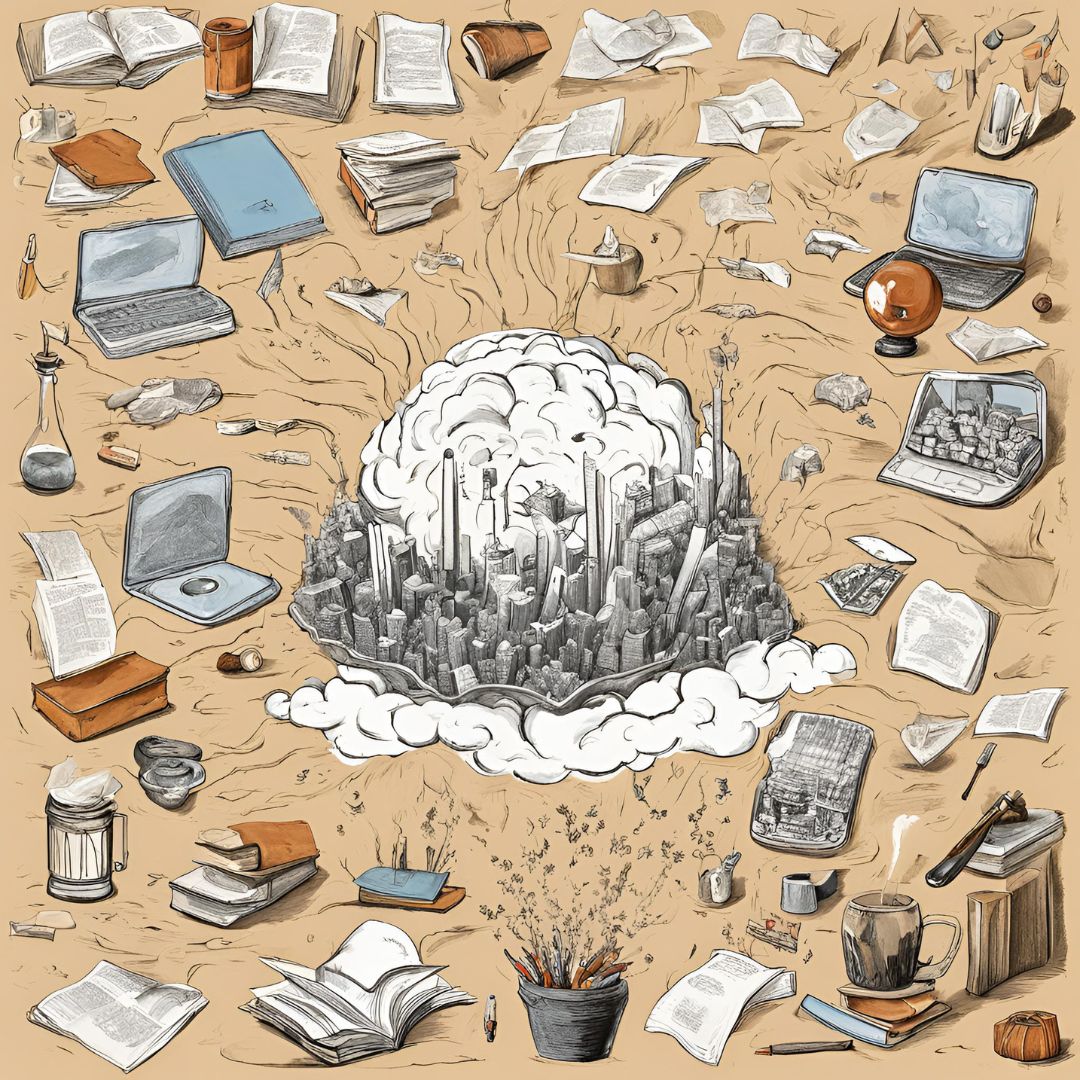
Writing a novel can be like putting a puzzle together without knowing what the final product is supposed to look like. Image generated using artificial intelligence.
On the other hand, editing involves a more analytical and critical thinking process, which is associated with the left side of the brain. This involves evaluating the structure, pacing, and clarity of your writing, checking for errors in grammar and punctuation, and refining your prose to make it more effective and engaging. Editing your work during the drafting stage of the novel writing process can be counterproductive for a few reasons:
Writing fast when creating the first draft of a novel can be beneficial for several reasons. First, writing quickly allows you to capture ideas as they flow, preventing them from slipping away. During the creative process, inspiration can strike unexpectedly, and writing fast enables you to record those ideas in the moment, preserving their freshness and vitality.
If you stop constantly during a race to check your hair and makeup, you’ll never finish the race! Don’t worry about your novel’s appearance while writing the first draft: just run toward the finish line as fast as you can! Image generated using artificial intelligence.
Writing quickly will also help you overcome writer’s block or the fear of a blank page. When you write rapidly, you minimize self-censorship and judgment, allowing your ideas to flow freely. This can help you bypass mental barriers and unleash your creativity.
Hopefully, your novel will have lots of “best parts,” but one of the most important parts of your novel will be the first chapter (also referred to as the “introduction” when discussing the basic steps of the writing process.) One of the most efficient and effective ways to write a five-paragraph essay is to write your three body paragraphs first and then write the introduction and conclusion paragraphs last. The same is often true when writing a novel.
It’s okay if your novel chapters don’t fit perfectly together in the first draft! Image generated using artificial intelligence.
The first chapter of a novel plays a crucial role in capturing the reader’s attention, introducing key elements of the story, and setting the stage for the narrative to come. It is the author’s opportunity to make a strong first impression and entice readers to delve further into the book. However, the author—you—often doesn’t know what the key elements of the story will be until after the majority of the first draft has been written. How can you possibly introduce those elements in your first chapter when you don’t know yet what they are?
During the last few weeks, we’ve spent a lot of time on the planning stage of the novel writing process, and for good reason. Taking the time to develop a well-planned story will make writing the first draft of your novel seem like a stroll through the garden. When it comes to the drafting stage of the novel writing process, the most important piece of advice I can give you is to just start writing and don’t stop until it’s done.
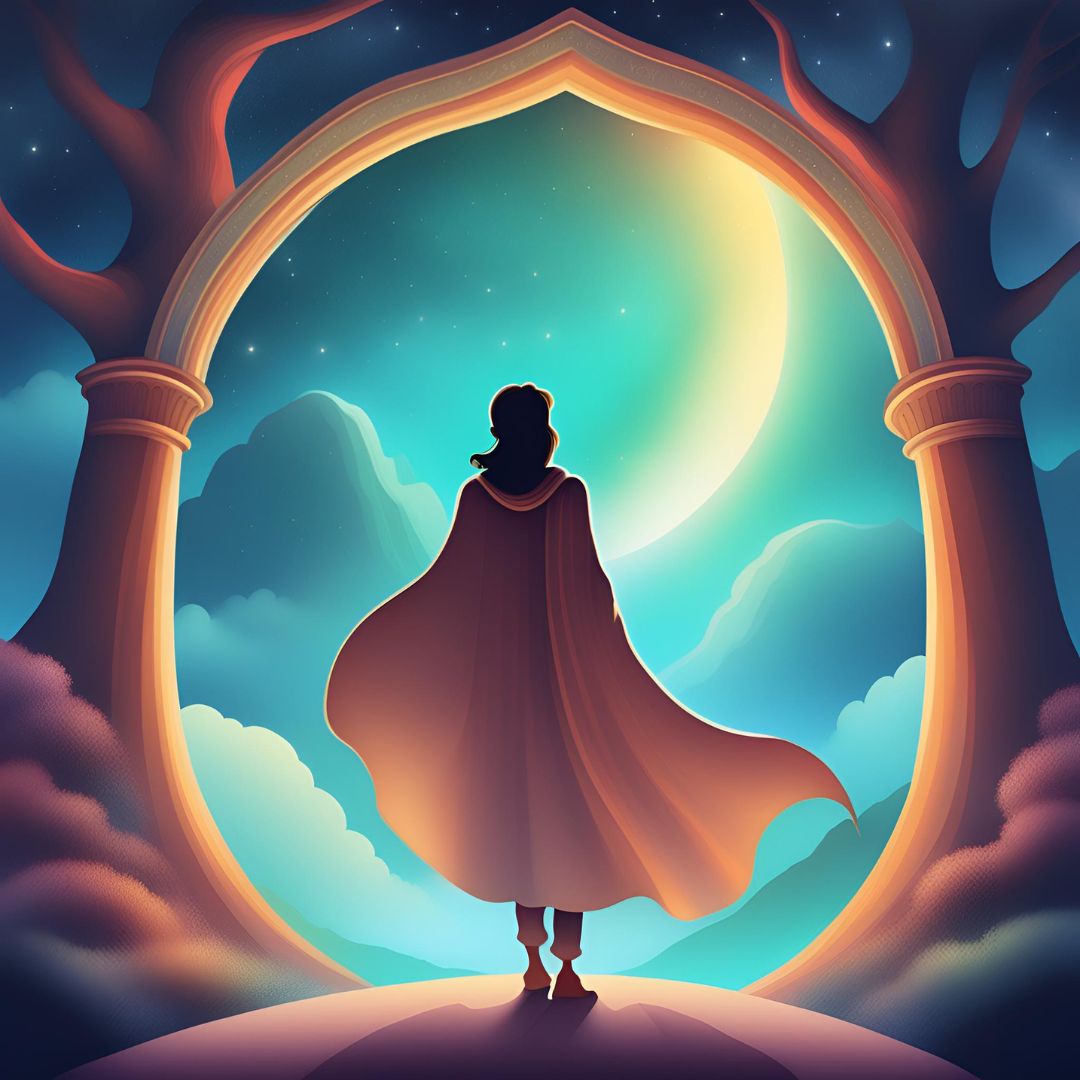
The time has come to embark on the next leg of your novel writing journey! Image generated using artificial intelligence.
However, you’d probably like a bit more advice than that, so here are some helpful hints and tips to get you through this stage of the novel writing process:
Pro Tip: Grab a notebook or your laptop and take notes while you read today’s post– just jot down ideas and plans as you review each task listed. Tomorrow, I’ll be coming at you with your first writing assignment!
The first step in the novel writing process is the planning stage. The planning stage of the writing process is crucial as it sets the foundation for the entire writing project. During this stage, a writer typically engages in several activities, all designed to prepare for the drafting stage. This step is essential because once you sit down to write the first draft, you’ll be prepared to “just do it” without getting sidetracked or bogged down in details that may never make it into your final draft. The planning stage of the novel writing process includes the following elements:
Brainstorming is one of the first steps of the novel writing process. Image created with Canva AI Image Generator.
Generate ideas: The writer starts by brainstorming and generating ideas about the novel they want to write. They may use techniques such as mind mapping, freewriting, or listing to generate ideas. There are a variety of free online story idea generators that can also be helpful. These include plot generators and name generators by genre, among others. If you don’t already have an idea for your novel, play with these resources until you have something fun that you will enjoy writing. Remember, this is a fun experiment, so feel free to be as silly as you like if it helps you stay engaged with the project.
At this point, you may be wondering if writing a novel is even something you can do, let alone writing a new one every year. Perhaps you have never taken a creative writing course or shared your writing with others. You may question whether you can even call yourself a writer without ever having written a complete work, whether it be a novel, an essay, or a poem. Maybe you believe you can’t possibly call yourself a writer until you have finished writing something. If that’s the case, you may wonder how you can justify the time you will spend writing a novel when you’re not even a “real” writer yet. These feelings of doubt are completely normal. Some would even say that this, too, is part of the writing process.
Don’t let imposter syndrome keep you from writing your novel! Image created with Canva AI Generator.
One struggle that many emerging writers battle is imposter syndrome. This is a common experience among writers and other creative professionals. It is the feeling that despite their accomplishments, skills, or expertise, they are not truly qualified or deserving of their success. There are several reasons why writers may experience imposter syndrome. For example, writers often have high standards for their work and may compare themselves unfavorably to other writers or to their own idealized vision of what their writing should be. This can lead to feelings of inadequacy and self-doubt. Writing is also a subjective art form, and writers may receive rejection or criticism from publishers, editors, or readers. Even a single negative comment or rejection letter can trigger feelings of self-doubt and insecurity.
This semester, I am teaching out of The Longman Writer: Rhetoric, Reader, Research Guide, and Handbook (8th Edition.) You can buy a copy here.
This semester, I am teaching one section of English Composition I at my local technical college. This is not a course I particularly care to teach. The first semester I taught it was a disaster. I didn’t know what I was doing, and I definitely didn’t know the material well enough to teach it. It was a horrible experience for everyone involved. This semester, I finally feel like I kinda know what I am doing. And it’s having a positive impact on my writing.






 Write on the World