
Finish Writing Your Novel Now!, Memoir

How to write a memoir: Start with the theme, then build the story

If an autobiography tells the story of your whole life, a memoir zooms in on a specific piece of it. A memoir is a focused narrative built around a central theme or question, often rooted in transformation, struggle, identity, or insight. It’s not about everything that’s ever happened to you—it’s about what happened and why it matters.
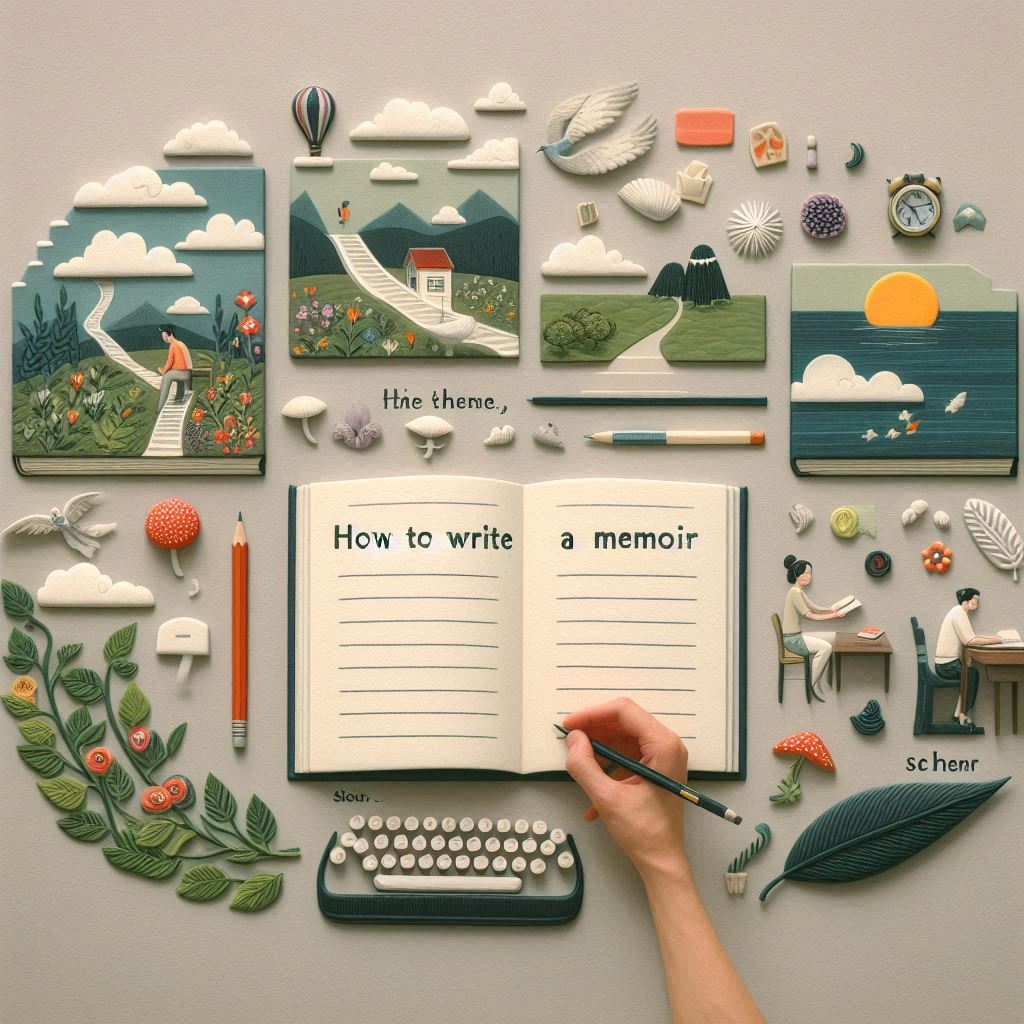
Instead of telling an entire life story, a memoir zooms in on a particular “slice”—a specific period, theme, or experience that defined or transformed the author. Memoirs tend to be more literary and reflective, often prioritizing emotional truth and personal insight over comprehensive detail.

In my last blog post, we talked about how the basic steps of the novel writing process can be used to write a full autobiography. The same holds true for memoir—but with one crucial shift. With memoir, the first step isn’t structure. It’s theme. Let’s walk through how to find your theme and shape your memoir around it—one notecard at a time.

Continue reading “How to write a memoir: Start with the theme, then build the story”


Autobigraphy, Finish Writing Your Novel Now!

How to write an autobiography: Telling the full story of your life

We often hear “memoir” and “autobiography” used interchangeably, but they serve very different purposes. A memoir is a slice of life—a deep dive into a particular time, theme, or transformation. An autobiography, by contrast, is your full life story—from childhood through the present. It’s the comprehensive telling of who you are and how you became that person, meant to offer not just facts but also meaning.

An autobiography attempts to tell the full story of a person’s life, typically in chronological order. It starts at or near the beginning—childhood, family background—and proceeds through adulthood, covering major events, accomplishments, and lessons learned. Think of it as a wide-angle lens: an overview of a life from beginning to (almost) end.

In this post, we’ll look at how to write a true autobiography. And if you’ve been following my series on going back to basics and applying the steps of the novel writing process to your own work, you’ll be pleased to know the same steps apply here. Whether you’re writing fiction or nonfiction, the process of planning, structuring, drafting, and revising holds up. The main differences lie in where your material comes from—memory and research rather than imagination—and how you go about shaping your story.

Continue reading “How to write an autobiography: Telling the full story of your life”
Finish Writing Your Novel Now!, Memoir

Memoir vs. autobiography: What’s the difference—and why it matters

If you’ve ever wondered what separates a memoir from an autobiography, you’re not alone—it all comes down to scope and storytelling style. When browsing the nonfiction shelves or choosing your next book club pick, you’ve likely seen the terms memoir and autobiography used almost interchangeably. While they both draw from real lives, these two forms of life writing are distinct in both structure and purpose. Understanding the difference isn’t just helpful for readers—it’s essential for writers, too.

While it’s common to write an autobiography in a formal or even academic tone, a memoir leaves more room for the imagination.

Autobiography: The Whole Life

An autobiography attempts to tell the full story of a person’s life, typically in chronological order. It starts at or near the beginning—childhood, family background—and proceeds through adulthood, covering major events, accomplishments, and lessons learned. Think of it as a wide-angle lens: an overview of a life from beginning to (almost) end.

Continue reading “Memoir vs. autobiography: What’s the difference—and why it matters”
Finish Writing Your Novel Now!

Sophistication in Novel Writing: What It Means and How to Achieve It

In the world of fiction, sophistication is one of the most admired qualities, yet it’s one of the hardest to define. A sophisticated novel doesn’t necessarily have to be literary or filled with complex language. Instead, it often means that a book has depth, subtlety, and layers that draw readers in, encouraging them to think, feel, and engage with the story on multiple levels. In this post, we’ll explore what sophistication in novel writing really means and offer actionable tips to help you add it to your own work.

Luckily, developing sophistication in your fiction writing doesn’t require that you dress the part!

Sophistication in novel writing involves creating a nuanced story with well-developed characters, an authentic voice, and a narrative that respects the reader’s intelligence. It’s about crafting a story that resonates emotionally and intellectually without needing to be flashy or overly complex. In a sophisticated novel, the layers of meaning are woven into the story itself, revealing themselves naturally as the reader progresses. Sophisticated novels often share a few core characteristics:

Continue reading “Sophistication in Novel Writing: What It Means and How to Achieve It”