
We often hear “memoir” and “autobiography” used interchangeably, but they serve very different purposes. A memoir is a slice of life—a deep dive into a particular time, theme, or transformation. An autobiography, by contrast, is your full life story—from childhood through the present. It’s the comprehensive telling of who you are and how you became that person, meant to offer not just facts but also meaning.

In this post, we’ll look at how to write a true autobiography. And if you’ve been following my series on going back to basics and applying the steps of the novel writing process to your own work, you’ll be pleased to know the same steps apply here. Whether you’re writing fiction or nonfiction, the process of planning, structuring, drafting, and revising holds up. The main differences lie in where your material comes from—memory and research rather than imagination—and how you go about shaping your story.
Memoir will get its own spotlight in the next blog post, but for now, let’s walk through how to write your life story in full.
Start by gathering your material
Writing a novel starts with brainstorming. Writing an autobiography starts with remembering. One of the best tools I’ve found for this stage of the autobiography writing process is The Life Story Interview, developed by psychologist Dan P. McAdams. It’s a set of guided questions designed to help people articulate the arc of their lives, including:
- Life chapters
- Key scenes (high points, low points, turning points)
- Challenges and personal growth
- Core values and beliefs
- Life themes
Even if you never plan to publish your autobiography, going through this interview will help you get to the emotional core of your story. You can download the full guide here.
Choose your style: Formal or narrative?
Autobiographies can be written in a variety of styles. Some people prefer a formal or academic tone, especially if they’re writing for historical preservation or a professional audience. Others take a creative nonfiction approach, using dialogue, sensory detail, and narrative flow to bring the story to life.
There’s no right or wrong way—just make sure your tone matches your intent and your audience. If you want to preserve family history, an informal style might feel more personal. If you’re writing for an academic archive or professional publication, a formal structure may be more appropriate. It’s also important to maintain a consistent tone and structure throughout the autobiography once you have chosen the right style for your story.
Outline your life like a novel
Just as you would when writing a novel, you’ll need a structure to shape your story. The Life Story Interview can help you identify key life “chapters,” but you’ll also want to think about narrative flow. Ask yourself:
- Where does the story truly begin?
- What are the major turning points?
- Is there a natural progression or theme that ties everything together?
This is where autobiography and novel writing overlap most directly. Even though you’re telling the truth, you’re still crafting a readable, engaging narrative. That means deciding what to include—and just as importantly, what to leave out.
Drafting: Write your story one chapter at a time
Once your outline is in place, write your autobiography one chapter at a time. Resist the urge to perfect each section before moving on. This is your chance to get the full story down on the page.
You might find it helpful to start with vivid memories—scenes that are particularly meaningful or emotionally rich—and build out from there. Don’t worry if you’re not writing in strict chronological order. You can rearrange during revision.
Revise with your reader in mind
After drafting, shift from the storyteller’s mindset to the reader’s. Read your manuscript like a stranger might. Are there gaps in context? Moments that drag? Areas that need more reflection or clarity?
Just like with a novel, revision is your chance to shape the raw material into something coherent and compelling. Think about pacing, transitions, and whether each chapter contributes to the overall narrative arc of your life.
Final thoughts
Writing your autobiography is one of the most powerful forms of storytelling there is. It requires honesty, introspection, and courage—but it also offers a rare opportunity to see your life in full, with all its complexity and meaning.
In the next blog post, we’ll talk about how writing a memoir differs from this full-life approach. For now, if you’ve been thinking about documenting your story, I hope this post gives you the tools—and the motivation—to begin.
Have you ever thought about writing your life story? What would your chapter titles be? Share your thoughts in the comments below—I’d love to hear how you’d shape your autobiography.
Now available in print and on Kindle!
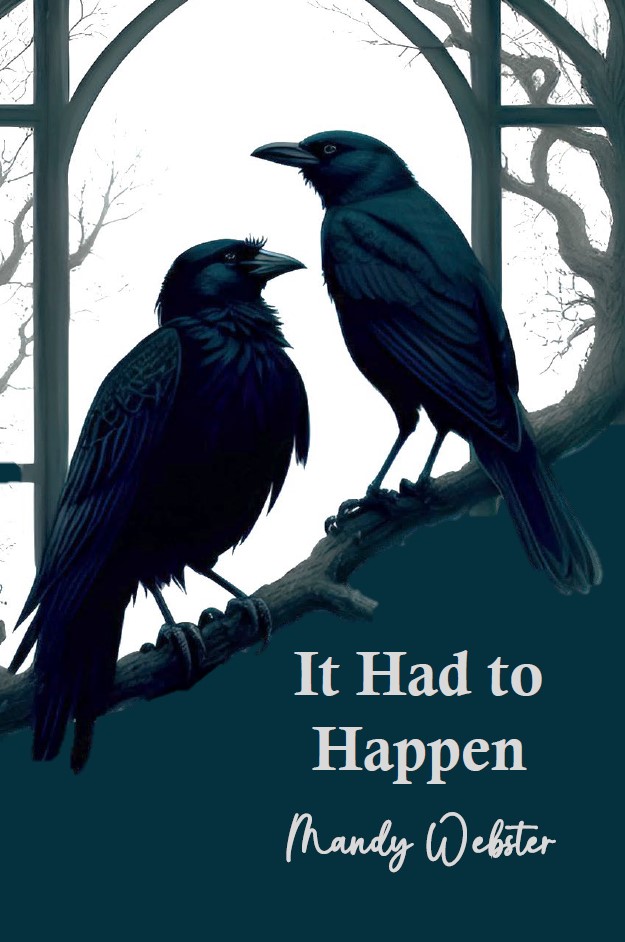
Check out my new novel, It Had to Happen, now available in print and on Kindle!
Book Summary
When Jack Utley loses his daughter just as his business is about to soar, it seems he’s traded financial gain for Callie’s life. After an encounter with a mysterious woman on the eve of Callie’s funeral, Jack wakes up to find that time has somehow rewound to the morning of Callie’s accident. Jack gets an opportunity that most grieving parents can only dream of – he saves his daughter’s life.
Now that Jack has been forced to reflect on everything he has to lose, he resolves to do better. He’s determined to spend more time at home with his family and repair the relationships that have suffered over the years while he’s been so focused on work. But as Callie’s behavior becomes increasingly bizarre, Jack realizes he has a lot more room to improve than he realized – and it might be too late to save his daughter after all.
For fans of We Need to Talk About Kevin, The Push, and Baby Teeth.
Are you enjoying this content? Please consider leaving a tip! You can buy me a cup of coffee or donate a larger amount to help me “make a living” writing so I can quit my day job!
Become a regular patron of my art by signing up to contribute a set monthly dollar amount to help me make a living with my writing!
You can also make an annual contribution to my writing. Select an amount below!
Choose an amount
Or enter a custom amount
Your contribution is appreciated.
Your contribution is appreciated.
Your contribution is appreciated.

 Write on the World
Great explanation of what an autobiography truly represents. Books like Mama’s Pearls by Author Sylvia Villasenor show how personal life stories can inspire readers, which is why they deserve a place among the top autobiographies. I think Sylvia Villasenor has created a meaningful top autobiography that beautifully reflects life experiences and wisdom.