
Mark Twain once wrote that, “Truth is stranger than fiction, but it is because Fiction is obliged to stick to possibilities; Truth isn’t” (Twain, 1897). When writing fiction, you may wonder why you have to worry about making your work believable. Since it’s fiction, everyone knows it’s fake, right? So why worry about making it “believable?”

It is true that fiction doesn’t necessarily need to be believable in the sense that it aligns with reality or factual accuracy. In fact, fiction often explores imaginative and fantastical elements that are deliberately implausible or impossible in the real world. However, believability does play an important role in fiction, particularly in terms of engaging the audience and creating a sense of immersion.
When readers or viewers encounter a fictional story, they are more likely to connect with it and invest emotionally if they find it believable within the context of the story’s own internal rules and logic. Believability in fiction can be achieved through various means including:
- Internal Consistency: The fictional world should adhere to its own established rules and logic. Even if those rules differ from reality, they should be internally coherent and consistent throughout the story. This helps create a sense of predictability and makes the story more credible within its own framework.
- Plausibility: While fiction can feature extraordinary or improbable elements, they should still be presented in a way that feels plausible or reasonable within the context of the story. This allows the audience to suspend their disbelief and engage with the narrative.
- Emotional Truth: Fiction often explores complex human emotions and experiences. Even if the specific events or characters are not realistic, the underlying emotions and motivations should ring true to the audience. This emotional authenticity helps build a connection between the audience and the story.
- Relatability: Believable characters and relatable situations can enhance the audience’s ability to connect with a fictional work. When characters exhibit consistent behaviors, motivations, and reactions that align with human nature, it makes them more relatable and believable.
Truth is stranger than fiction, but it is because Fiction is obliged to stick to possibilities; Truth isn’t.
Mark Twain
While fiction doesn’t always need to be strictly realistic, these elements of believability help draw in the audience and allow them to engage with the story on an emotional and intellectual level. Ultimately, the level of believability required in fiction can vary depending on the genre, target audience, and the goals of the author or creator. Regardless, believability should always be considered when evaluating your own writing to ensure that you meet the needs of your intended audience.
Twain, Mark. Following the Equator: A Journey around the World. Dover Publications, 1989.
Contact me today to inquire about hiring me to provide a developmental edit of your novel draft!
Now available in print and on Kindle!
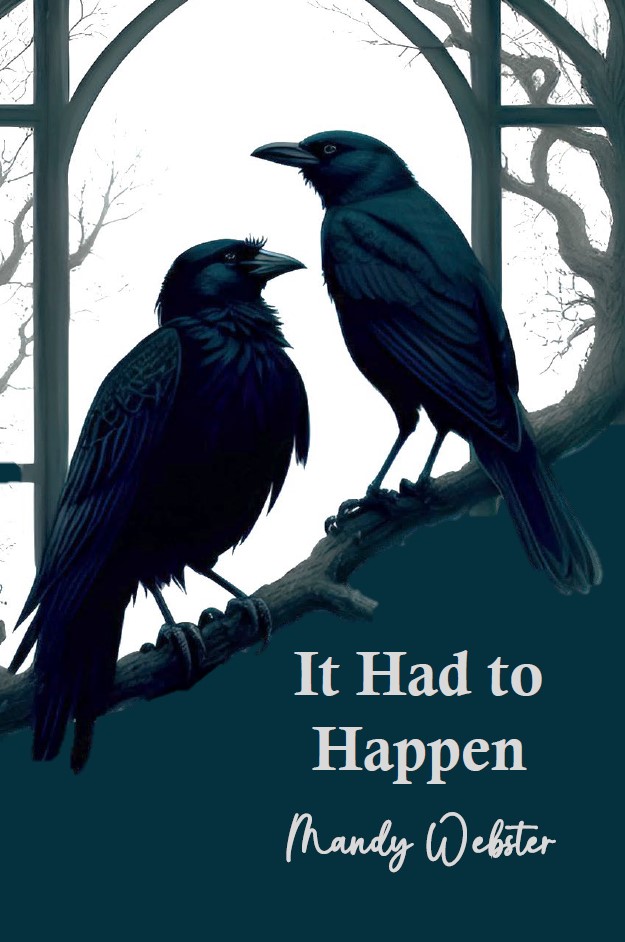
Check out my new novel, It Had to Happen, now available in print and on Kindle!
Book Summary
When Jack Utley loses his daughter just as his business is about to soar, it seems he’s traded financial gain for Callie’s life. After an encounter with a mysterious woman on the eve of Callie’s funeral, Jack wakes up to find that time has somehow rewound to the morning of Callie’s accident. Jack gets an opportunity that most grieving parents can only dream of – he saves his daughter’s life.
Now that Jack has been forced to reflect on everything he has to lose, he resolves to do better. He’s determined to spend more time at home with his family and repair the relationships that have suffered over the years while he’s been so focused on work. But as Callie’s behavior becomes increasingly bizarre, Jack realizes he has a lot more room to improve than he realized – and it might be too late to save his daughter after all.
For fans of We Need to Talk About Kevin, The Push, and Baby Teeth.
Are you enjoying this content? Please consider leaving a tip! You can buy me a cup of coffee or donate a larger amount to help me “make a living” writing so I can quit my day job!
Become a regular patron of my art by signing up to contribute a set monthly dollar amount to help me make a living with my writing!
You can also make an annual contribution to my writing. Select an amount below!
Choose an amount
Or enter a custom amount
Your contribution is appreciated.
Your contribution is appreciated.
Your contribution is appreciated.

 Write on the World