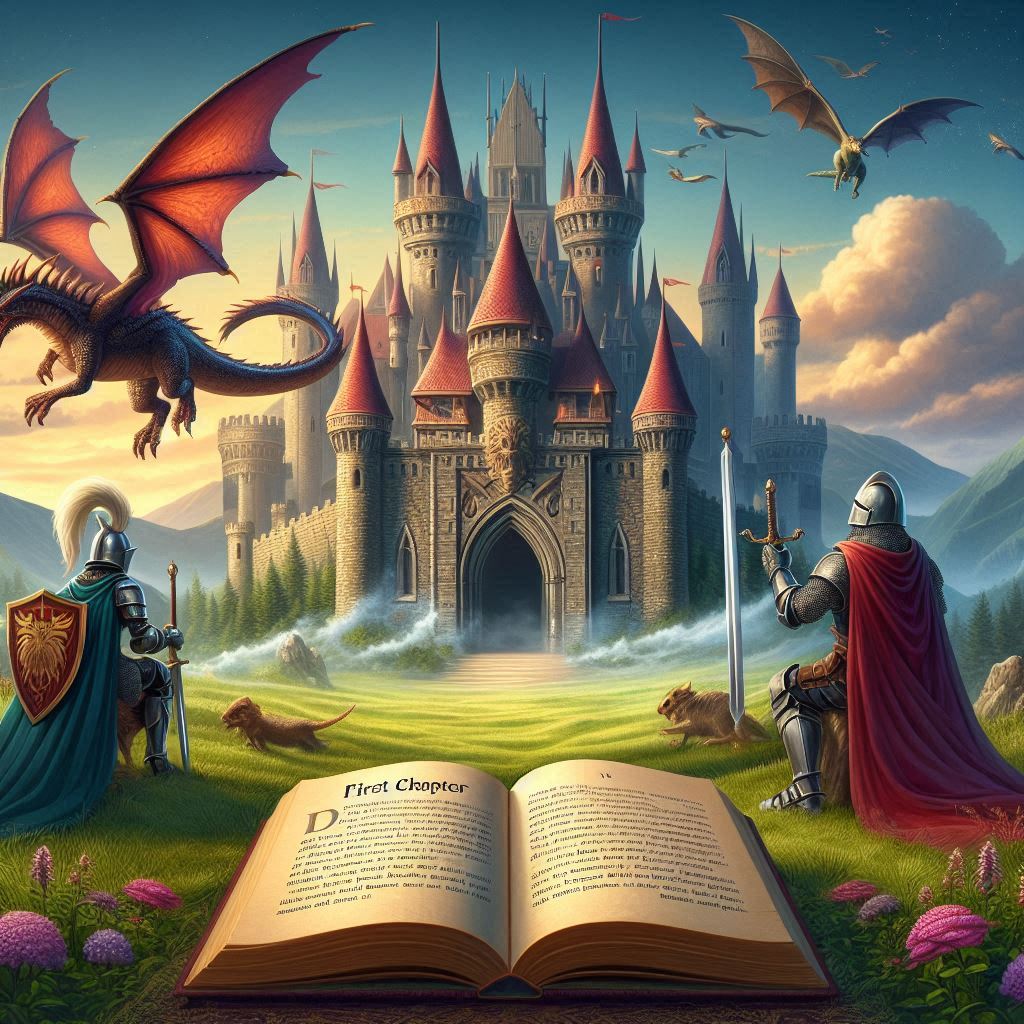
The first chapter of a novel is crucial in establishing the groundwork for the entire story, as it introduces readers to the world they’re entering and signals what they can expect in terms of tone, genre, and pacing. A strong opening chapter does more than just hook the reader—it serves as a promise, subtly hinting at the main themes, character journeys, and conflicts that will shape the narrative.
Writers must carefully consider what to reveal and how to convey the essence of the story from the start, crafting an introduction that not only captivates but also lays the framework for what lies ahead. By thoughtfully setting these expectations, the first chapter can draw readers in and keep them eagerly turning pages, primed for the twists, growth, and resolution that will come.
The first chapter of a novel is crucial, as it’s often the first impression that readers will have of the story and its characters. To make a strong impact, a good first chapter should include the following elements:
- A strong opening hook: The first few sentences or paragraphs should grab the reader’s attention and create intrigue, leaving them wanting to know more about the story.
- Introduce the protagonist: The main character should be introduced early on, along with some basic information about them, such as their name, age, and occupation. (But don’t overdo it–only include elements that are relevant to the story.)
- Establish the setting: The reader should have a clear sense of where the story takes place and what the environment is like.
- Establish the tone: The tone of the story should be established early on, whether it’s serious, humorous, dark, or light-hearted.
- Establish the conflict: The main conflict or problem that the protagonist will face should be introduced, creating tension and anticipation for the reader.
- Raise questions: The first chapter should raise some questions that the reader will want to know the answers to, creating a desire to continue reading.
- Engage the reader emotionally: The reader should feel an emotional connection to the protagonist and care about their journey.
- Provide a sense of direction: The first chapter should give the reader a sense of where the story is headed, providing a clear direction for the plot.
By including these elements, a good first chapter can set the stage for a compelling and engaging story that will keep readers hooked until the very end. In the revising and editing stage of the novel writing process, it is common for writers to spend more time getting the first chapter right than they will on any other chapter!
Read my novels FREE on Kindle Unlimited!
Kindle Unlimited subscribers can now read most of my novels FREE on Kindle Unlimited! View my full book catalog on Amazon now.
Not yet a Kindle Unlimited subscriber? Start your free trial today!

And now, a look at my latest novel, It Had to Happen!
Book Summary
When Jack Utley loses his daughter just as his business is about to soar, it seems he’s traded financial gain for Callie’s life. After an encounter with a mysterious woman on the eve of Callie’s funeral, Jack wakes up to find that time has somehow rewound to the morning of Callie’s accident. Jack gets an opportunity that most grieving parents can only dream of – he saves his daughter’s life.
Now that Jack has been forced to reflect on everything he has to lose, he resolves to do better. He’s determined to spend more time at home with his family and repair the relationships that have suffered over the years while he’s been so focused on work. But as Callie’s behavior becomes increasingly bizarre, Jack realizes he has a lot more room to improve than he realized – and it might be too late to save his daughter after all.
Are you enjoying this content? Please consider leaving a tip! You can buy me a cup of coffee or donate a larger amount to help me “make a living” writing so I can quit my day job!
Become a regular patron of my art by signing up to contribute a set monthly dollar amount to help me make a living with my writing!
You can also make an annual contribution to my writing. Select an amount below!
Choose an amount
Or enter a custom amount
Your contribution is appreciated.
Your contribution is appreciated.
Your contribution is appreciated.
