As writers, it’s easy to get attached to every scene we create. Each moment feels essential, whether it’s a deep character monologue or a beautifully crafted description of a setting. But sometimes, in the pursuit of a well-rounded, detailed story, we inadvertently pile on scenes that may not serve the greater narrative. The truth is, trimming unnecessary scenes is one of the most effective ways to strengthen your novel. In this post, we’ll discuss why cutting scenes is vital and provide tips on how to identify and trim the fat in your manuscript.
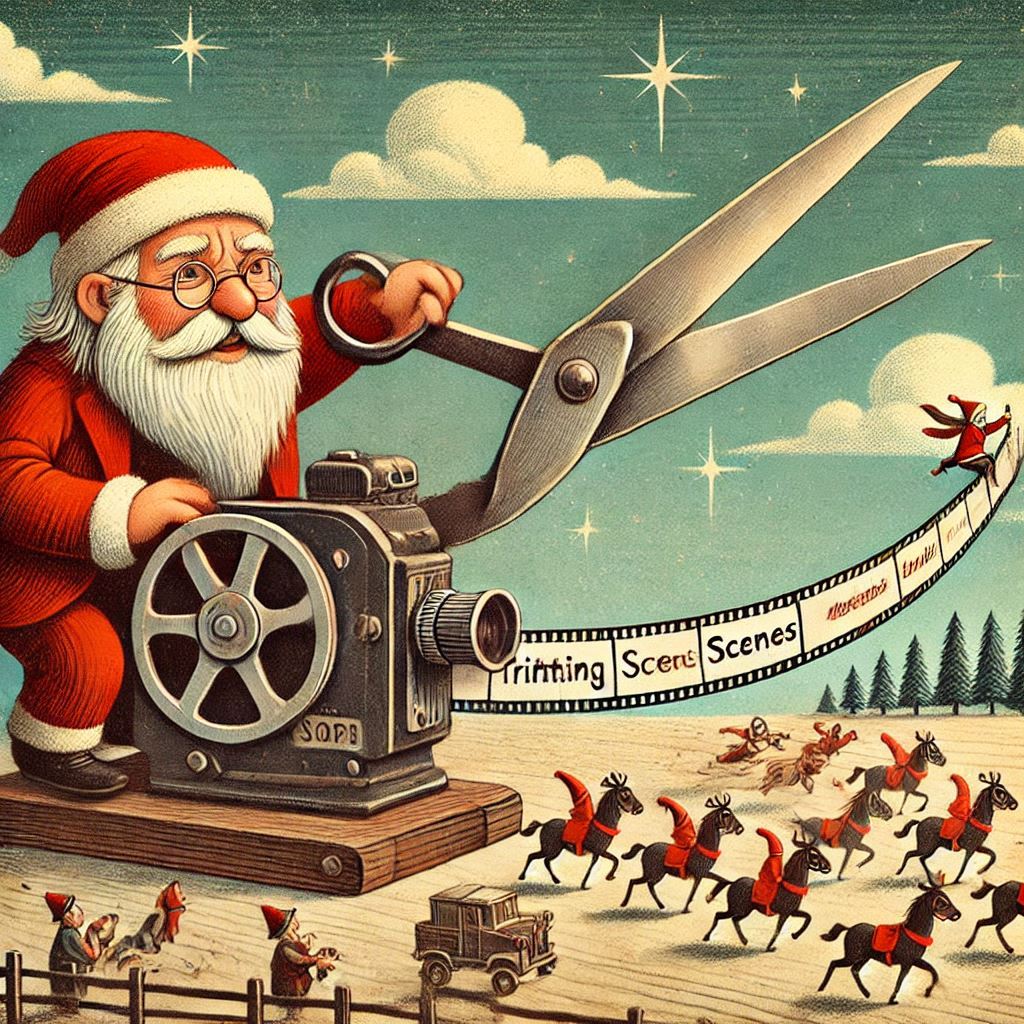
Trimming unnecessary scenes doesn’t mean you’re discarding your creativity—it’s about refining and strengthening your story. Here are a few reasons why trimming is crucial:
- Maintains pacing and tension: Unnecessary scenes can slow down the pacing of your novel, especially if they don’t contribute to character development, plot progression, or theme. Excessive, unrelated scenes may cause the narrative to drag, making it harder for readers to stay engaged. Cutting these scenes keeps the story tight and fast-moving, maintaining the tension that holds readers’ attention.
- Keeps the plot focused: Every scene in a novel should serve a purpose, whether it’s advancing the plot, deepening character relationships, or exploring themes. When scenes are irrelevant to the core narrative or introduce subplots that never pay off, they can distract readers and dilute the impact of your main story. Trimming these distractions helps the plot stay clear and impactful.
- Enhances emotional resonance: The more concise and purposeful your scenes are, the more emotionally powerful they become. When unnecessary scenes are cut, the remaining moments have room to breathe, and their emotional weight is heightened. Readers are more likely to connect with a story that doesn’t feel overstuffed or bogged down by unnecessary details.
- Improves reader experience: Readers appreciate a novel that respects their time. If a scene doesn’t add value, it can cause frustration, as it breaks the flow of the reading experience. Trimming unnecessary scenes allows readers to stay fully immersed in the narrative without having to wade through filler.
Ultimately, trimming unnecessary scenes is an act of precision, one that can take your draft from good to great. It allows you to streamline your narrative, hone your focus, and create a novel that’s as powerful and impactful as possible. So, embrace the trimming process—it might feel tough at first, but it will make your story stronger, sharper, and more enjoyable for your readers.
Related
- How to Identify and Cut Your Story’s Filler (Well-Storied)
- Words to Cut From Your Novel to Instantly Improve Your Writing (Alyssa Matesic)
- Untangling the Mess: Overcoming Common Revision Obstacles (Writers in the Storm)
- 3 “Easy” Steps for Cutting Words from Your Manuscript (Janice Hardy)
Read my novels FREE with Kindle Unlimited!
Kindle Unlimited subscribers can now read most of my novels FREE on Kindle Unlimited! View my full book catalog on Amazon now.
Not yet a Kindle Unlimited subscriber? Start your free trial today!
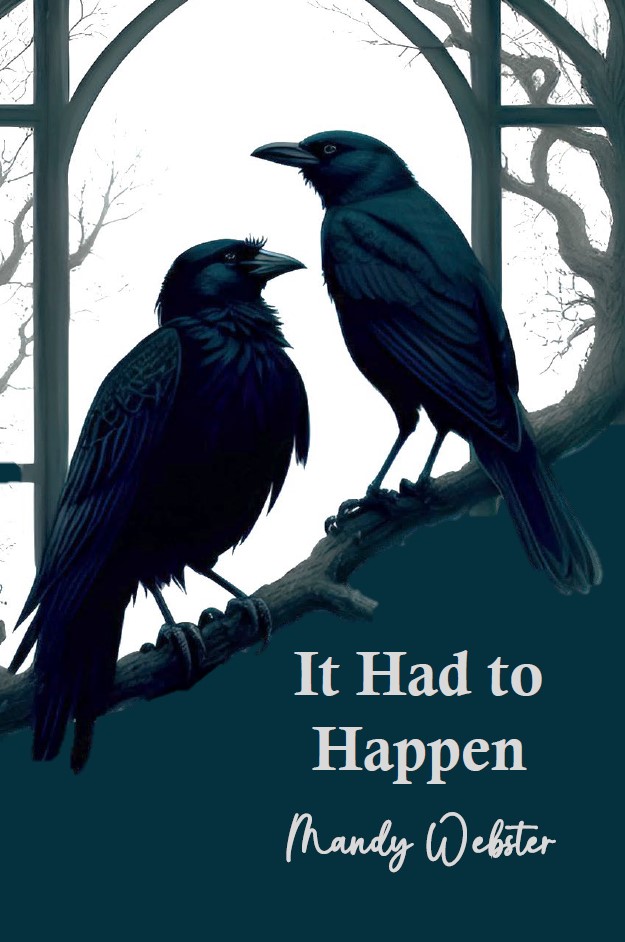
And now, a look at my latest novel, It Had to Happen!
Book Summary
When Jack Utley loses his daughter just as his business is about to soar, it seems he’s traded financial gain for Callie’s life. After an encounter with a mysterious woman on the eve of Callie’s funeral, Jack wakes up to find that time has somehow rewound to the morning of Callie’s accident. Jack gets an opportunity that most grieving parents can only dream of – he saves his daughter’s life.
Are you enjoying this content? Please consider leaving a tip! You can buy me a cup of coffee or donate a larger amount to help me “make a living” writing so I can quit my day job!
Become a regular patron of my art by signing up to contribute a set monthly dollar amount to help me make a living with my writing!
You can also make an annual contribution to my writing. Select an amount below!
Choose an amount
Or enter a custom amount
Your contribution is appreciated.
Your contribution is appreciated.
Your contribution is appreciated.

 Write on the World