Identifying unnecessary scenes in your novel is a crucial step in refining your manuscript and ensuring that every moment contributes meaningfully to the story. By learning to recognize and trim these extraneous parts, you can maintain a tight, engaging plot that keeps readers hooked from start to finish. Today, we’ll explore key indicators of unnecessary scenes and learn some practical tips to help you streamline your novel, making it more impactful and enjoyable for your audience
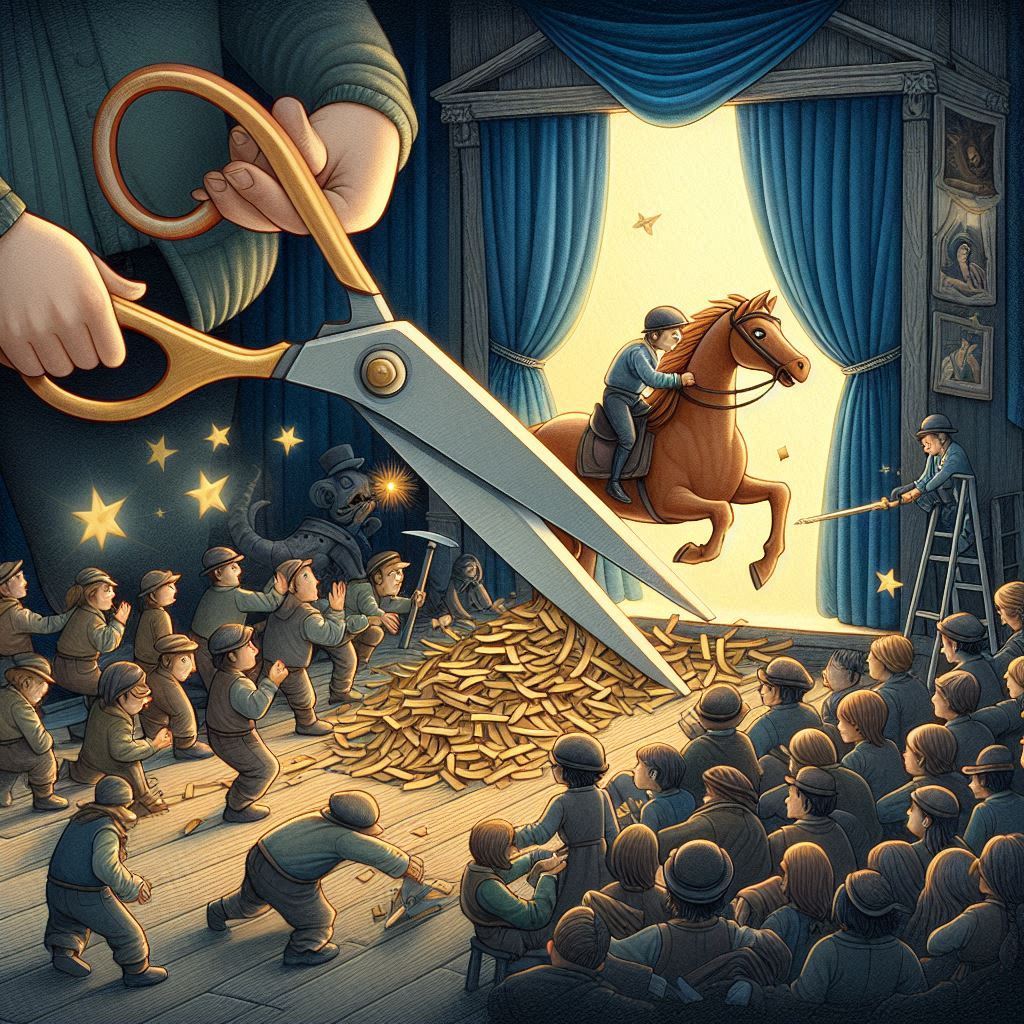
Knowing which scenes to cut can be tricky, but there are a few clear signs that can guide you. Here’s how to pinpoint scenes that may be weighing down your manuscript:
- Scenes that don’t move the plot forward: If a scene doesn’t advance the plot or reveal new information about the character or conflict, it may be unnecessary. Ask yourself: Does this scene change the trajectory of the story in any meaningful way? If not, it might be worth reconsidering.
- Excessive world-building or description: While world-building and descriptions are important, scenes that are solely focused on these elements without integrating them into the plot can drag. For example, if you’ve written a long scene that just describes the setting or explains the rules of a fictional world without moving the story forward, it may be time to cut back or trim down.
- Scenes with redundant information: Repetition can be tempting, but if a scene rehashes information or emotions that have already been established elsewhere in the novel, it’s often unnecessary. If the same point is made in multiple scenes, streamline it to avoid redundancy.
- Scenes that don’t contribute to character development: Every scene should offer something to your characters’ development. If a scene feels like filler—where characters aren’t learning, changing, or reacting to the conflict—it may not be necessary. Ask yourself: Does this scene reveal something new about the character’s personality, desires, or relationships?
- Scenes that don’t affect the ending: The closer your scenes are to the story’s conclusion, the more important they become in driving toward the resolution. If you find scenes that don’t play into the final outcome of your plot or emotional arc, it may be time to let them go.
While it can be incredibly challenging to cut scenes from a novel manuscript, it is an essential part of the revise and refine step of the novel writing process. Each scene should be evaluated for its contribution to the overall narrative, character development, and pacing. Removing scenes that do not serve a clear purpose can be painful, especially when significant time and effort have been invested in their creation. However, this step is crucial to ensure that the final manuscript is cohesive, engaging, and polished. Embracing the necessity of this process ultimately leads to a stronger and more compelling story.
Related
- Necessary vs. unnecessary action in fiction (The Writer)
- 8 Things to Cut When You Kill Your Darlings (Well-Storied)
- What Are Obligatory Scenes And Conventions? (Savannah Gilbo)
- What Bad Writing Looks Like … and How to Fix It (Aliventures)
Read my novels FREE with Kindle Unlimited!
Kindle Unlimited subscribers can now read most of my novels FREE on Kindle Unlimited! View my full book catalog on Amazon now.
Not yet a Kindle Unlimited subscriber? Start your free trial today!
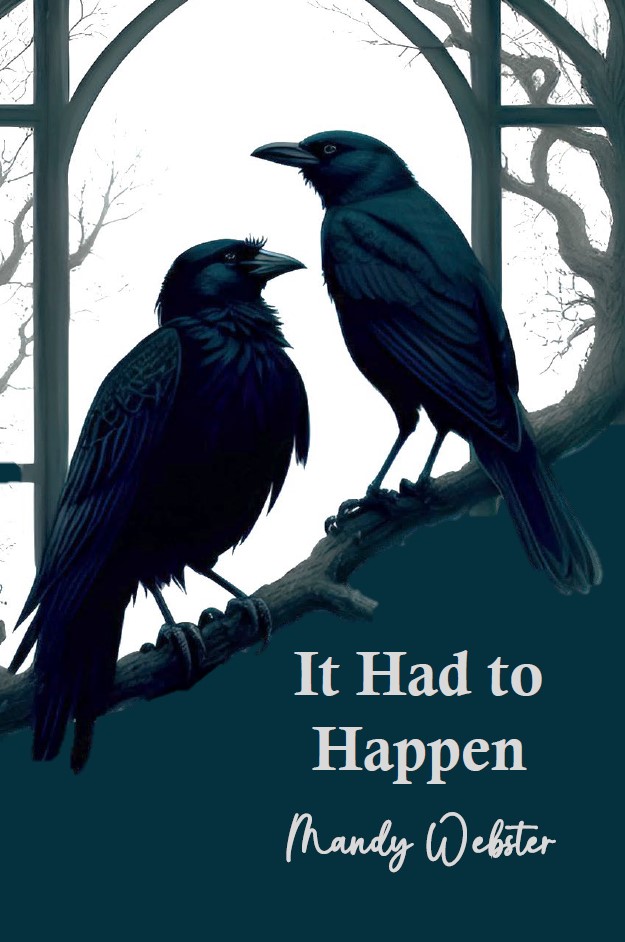
And now, a look at my latest novel, It Had to Happen!
Book Summary
When Jack Utley loses his daughter just as his business is about to soar, it seems he’s traded financial gain for Callie’s life. After an encounter with a mysterious woman on the eve of Callie’s funeral, Jack wakes up to find that time has somehow rewound to the morning of Callie’s accident. Jack gets an opportunity that most grieving parents can only dream of – he saves his daughter’s life.
Are you enjoying this content? Please consider leaving a tip! You can buy me a cup of coffee or donate a larger amount to help me “make a living” writing so I can quit my day job!
Become a regular patron of my art by signing up to contribute a set monthly dollar amount to help me make a living with my writing!
You can also make an annual contribution to my writing. Select an amount below!
Choose an amount
Or enter a custom amount
Your contribution is appreciated.
Your contribution is appreciated.
Your contribution is appreciated.

 Write on the World