
Finish Writing Your Novel Now!

How to ensure the first chapter of your novel sets expectations for the rest of your story

The first chapter of a novel is crucial in establishing the groundwork for the entire story, as it introduces readers to the world they’re entering and signals what they can expect in terms of tone, genre, and pacing. A strong opening chapter does more than just hook the reader—it serves as a promise, subtly hinting at the main themes, character journeys, and conflicts that will shape the narrative.
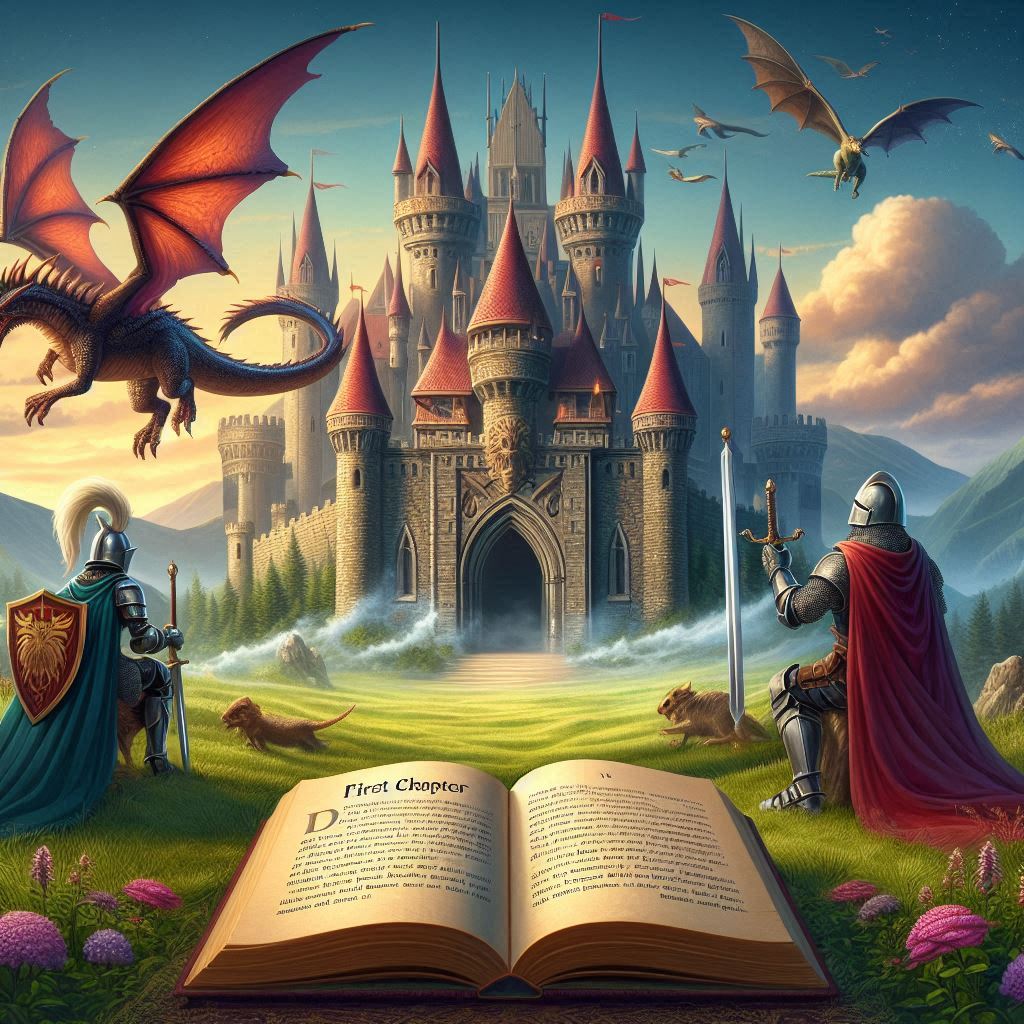
Regardless of what is happening in your story, the first chapter should provide readers with a solid idea of where the novel is going to take them.

Writers must carefully consider what to reveal and how to convey the essence of the story from the start, crafting an introduction that not only captivates but also lays the framework for what lies ahead. By thoughtfully setting these expectations, the first chapter can draw readers in and keep them eagerly turning pages, primed for the twists, growth, and resolution that will come.

Continue reading “How to ensure the first chapter of your novel sets expectations for the rest of your story” →


Finish Writing Your Novel Now!

How to successfully break chapter one promises

In novel writing, the first chapter serves as a foundation for the reader, setting up initial expectations about plot, tone, and character arcs. However, successful storytelling often involves deviating from these initial promises in a way that adds depth and intrigue to the narrative. Breaking “chapter one promises” requires a careful balance: if done skillfully, it can surprise and engage readers, adding layers of complexity and unexpected turns to the story.

Some promises are made to be broken.

When handled poorly, however, it risks confusing or disappointing the audience. Understanding how to effectively subvert early expectations—whether through plot twists, character development, or shifts in tone—allows a writer to create a dynamic and memorable reading experience that keeps audiences invested and eager to see where the story leads.

Here are some strategies for successfully breaking your chapter one promises without breaking your novel:

Continue reading “How to successfully break chapter one promises” →
Finish Writing Your Novel Now!

The pros and cons of breaking Chapter One promises

In storytelling, the opening chapter of a novel serves as a promise to the reader, establishing tone, genre, character dynamics, and key themes that shape their expectations for the rest of the narrative. Breaking these promises can occur when the story later diverges significantly from what was initially implied, often leading to confusion or disappointment. However, when done skillfully, breaking these early promises can also serve as a powerful tool for subverting reader expectations, adding layers of depth, or creating surprise twists that enhance the overall impact of the novel. The challenge lies in balancing misdirection with satisfying storytelling.

You should always carefully weigh the pros and cons before decide to break your chapter one promises.

Breaking chapter one promises in a novel can be a bold and creative storytelling technique that keeps readers engaged and surprised. By deviating from the initial expectations set in the first chapter, authors can introduce plot twists, deeper character developments, or genre shifts that challenge assumptions and create a more dynamic narrative. This unexpected shift can enhance the story’s complexity, making it more memorable and impactful.

Continue reading “The pros and cons of breaking Chapter One promises” →
Finish Writing Your Novel Now!

Story Structure: In Medias Res

The concept of “in medias res” (Latin for “in the midst of things”) in novel writing dates back to ancient Greek and Roman literature. The Roman poet and philosopher Horace wrote about the technique in his Ars Poetica (The Art of Poetry), which was published around 18 BCE. In this work, he advised poets to begin their stories in the middle of the action, rather than at the beginning, in order to grab the reader’s attention and create a sense of urgency. As a novel writing technique, in media res also involves beginning a story in the middle of the action, rather than at the beginning, in order to capture the reader’s attention and create a sense of immediacy and urgency.

The Iliad is an early example of a story that began in the middle of the action. Image generated using AI.

One of the earliest examples of in medias res can be found in Homer’s epic poem, The Iliad, which begins in the middle of the Trojan War, rather than at the beginning. This technique was also used by other ancient Greek and Roman writers, including Virgil in his epic poem, The Aeneid.

Continue reading “Story Structure: In Medias Res” →
Finish Writing Your Novel Now!

Three-act story structure

The three-act story structure is the most commonly used basic story structure in modern storytelling, and it consists of a setup, confrontation, and resolution. While the origins of the three-act structure are difficult to trace, it has been used in storytelling for centuries and is often attributed to Aristotle, who wrote about the importance of dramatic structure in Poetics.

The three act story structure may be as old as stories themselves! Image created with Canva Free AI Image Generator.

The basic structure of each of the three acts follows:

  1. The Setup: This is the first act of the story, where the characters and their world are introduced. The Setup establishes the status quo and introduces the main character, their goals, and the obstacles they will need to overcome.
  2. The Confrontation: This is the second act of the story, where the main character faces increasing obstacles and challenges on their journey toward their goal. The Confrontation is where the story’s tension and conflict typically reach their peak, as the protagonist struggles to overcome their biggest obstacles.
  3. The Resolution: This is the final act of the story, where the main character faces the climax of the story and resolves the central conflict. The Resolution typically includes a sense of closure, as the protagonist achieves their goal or is transformed by their journey.
Continue reading “Three-act story structure” →
Finish Writing Your Novel Now!

The first step of the novel writing process: Planning

Pro Tip: Grab a notebook or your laptop and take notes while you read today’s post– just jot down ideas and plans as you review each task listed. Tomorrow, I’ll be coming at you with your first writing assignment!

The first step in the novel writing process is the planning stage. The planning stage of the writing process is crucial as it sets the foundation for the entire writing project. During this stage, a writer typically engages in several activities, all designed to prepare for the drafting stage. This step is essential because once you sit down to write the first draft, you’ll be prepared to “just do it” without getting sidetracked or bogged down in details that may never make it into your final draft. The planning stage of the novel writing process includes the following elements:

Brainstorming is one of the first steps of the novel writing process. Image created with Canva AI Image Generator.

Generate ideas: The writer starts by brainstorming and generating ideas about the novel they want to write. They may use techniques such as mind mapping, freewriting, or listing to generate ideas. There are a variety of free online story idea generators that can also be helpful. These include plot generators and name generators by genre, among others. If you don’t already have an idea for your novel, play with these resources until you have something fun that you will enjoy writing. Remember, this is a fun experiment, so feel free to be as silly as you like if it helps you stay engaged with the project.

Continue reading “The first step of the novel writing process: Planning” →