
The three-act story structure is the most commonly used basic story structure in modern storytelling, and it consists of a setup, confrontation, and resolution. While the origins of the three-act structure are difficult to trace, it has been used in storytelling for centuries and is often attributed to Aristotle, who wrote about the importance of dramatic structure in Poetics.
The basic structure of each of the three acts follows:
- The Setup: This is the first act of the story, where the characters and their world are introduced. The Setup establishes the status quo and introduces the main character, their goals, and the obstacles they will need to overcome.
- The Confrontation: This is the second act of the story, where the main character faces increasing obstacles and challenges on their journey toward their goal. The Confrontation is where the story’s tension and conflict typically reach their peak, as the protagonist struggles to overcome their biggest obstacles.
- The Resolution: This is the final act of the story, where the main character faces the climax of the story and resolves the central conflict. The Resolution typically includes a sense of closure, as the protagonist achieves their goal or is transformed by their journey.
Writing Sample
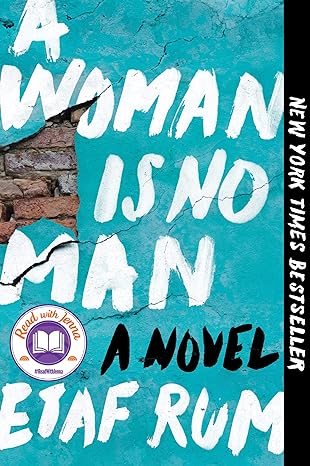
Below is an outline of the novel, A Woman is No Man by Etaf Rum using the three-act story structure. How might your story fit into this structure? Be sure to take notes as ideas come to you!
ACT I:
- Introduction – The story begins with the introduction of the protagonist, Isra, a young Palestinian woman living in Palestine. She dreams of marrying for love but is instead married off to a Palestinian man named Adam, who lives in Brooklyn, New York.
- Rising Action – Isra moves to Brooklyn with her new husband and his family, who are also Palestinian. She struggles to adapt to life in America and the expectations of her new family. Isra becomes pregnant and gives birth to a daughter named Deya.
- Turning Point – Adam’s mother, Fareeda, becomes increasingly critical of Isra and Deya, telling Isra that she must give birth to a son to secure her place in the family. Fareeda is emotionally and physically abusive to Isra and restricts her from leaving the house.
ACT II:
- Rising Action – The story jumps ahead in time to focus on Deya, now a teenager who is struggling to balance her desire for independence with the expectations of her traditional Palestinian community. She begins to question the circumstances of her mother’s death and her family’s secrets.
- Turning Point – Deya begins to uncover the truth about her mother’s life and death, including the abuse and oppression that Isra faced. She becomes determined to break free from the expectations of her community and uncover the truth about her family.
ACT III:
- Rising Action – Deya uncovers a shocking secret about her family that changes everything she thought she knew about her life and her identity. She must decide whether to continue living the life her family has chosen for her or to forge her own path.
- Climax – Deya confronts her family about their secrets and demands to be allowed to make her own choices about her life. She chooses to leave her family behind and pursue her education and independence.
- Resolution – The story ends with Deya beginning a new chapter in her life, free from the oppression and abuse that her mother faced. She begins to build a new life for herself, with hope and determination for a brighter future.
While the three-act structure is a useful tool for organizing a story and creating a sense of progression and tension, it is not the only way to structure a story. Many writers use variations on this structure or use entirely different structures depending on the needs of their story. This particular story structure may be helpful when writing the first version of a story outline, but you will likely want to evolve toward a more detailed story structure outline to work with as you prepare to write your first draft.
This post is part of a series on how to write a novel manuscript from start to finish. To learn more and follow along with my writing process, start at the beginning of the series to read the posts in order.
Are you enjoying this content? Please consider leaving a tip! You can buy me a cup of coffee or donate a larger amount to help me “make a living” writing so I can quit my day job!
Become a regular patron of my art by signing up to contribute a monthly set amount to help me make a living with my writing!
You can also make an annual contribution to my writing. Select an amount below!
Choose an amount
Or enter a custom amount
Your contribution is appreciated.
Your contribution is appreciated.
Your contribution is appreciated.

 Write on the World