Shadrin Lee Schneider grew up in Pekin, Illinois. As a graduate of Graham Hospital School of Nursing in 2009, Shad now works as a nurse and a deputy coroner. To relax, Schneider enjoys writing, traveling with his wife Susan (the editor of his books), listening to podcasts and music, walking, and brewing beer.

Q: When did you first catch the writing bug? What drove you to persist?
A: As a registered ER nurse, I started watching less TV and started writing poetry as a way to relax during Covid. I found it very therapeutic, so I kept writing throughout the pandemic, sometimes during a quiet evening, sometimes while out walking. I would even challenge myself to write a single poem during the time it took while waiting in line when shopping. Creative writing definitely helped me survive that challenging time as a healthcare worker and has stuck with me since.
Q: What/who were your early literary influences, and how do you think their writing has shaped you as a storyteller today?
A: I have a short attention span, which has fostered my appreciation for short form poetry since childhood, starting with Shel Silverstein. It was then that I learned that it was okay to be creative and silly at the same time. As I grow older, I appreciate a short meaningful poem just as much, especially ones that remind us to stay positive.
Q: Does writing energize or exhaust you?
A: It can be very cathartic when a writer is able to paint the picture they want with the right words, in the right order. I only write when it feels therapeutic to be doing so, so it never exhausts me.

Q: Do you try more for originality or to please your readers?
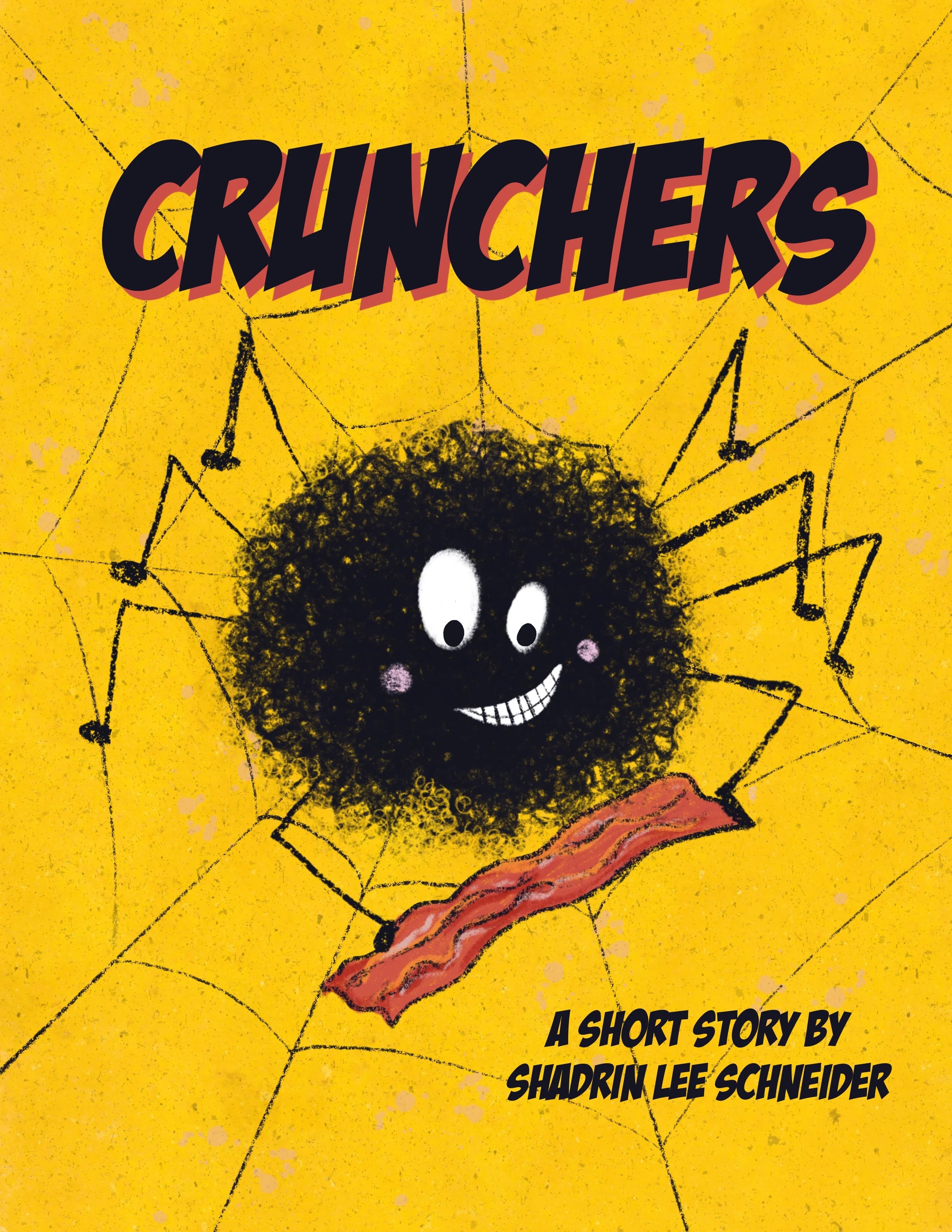
A: Sometimes, I aim to capture the small but special moments most of us take for granted, myself included. In my silly poems, it’s always an effort to make someone laugh about something relatable though. You can see my contrast of styles (meaningful vs. silly) in the two books I have published. Perpetually Eating Multicolored Sprinkles looks to capture the small things in life we should stop to appreciate. Nobody Likes Pants displays the sillier, more cynical side of my writing. I also have two children’s books that are spin-offs of two poems I wrote for Nobody Likes Pants. It was a fun way to take some silly poems and turn them into learning opportunities for kids.

Q: Do you ever try to write to the latest trends? Why or why not?
A: No, I always aim to make something that feels very much my own creation.
Q: What is your approach to incorporating elements of diversity and inclusion in your writing?
A: I aim to be an open minded individual who supports anyone who wants to make our world a better place. I believe we all deserve to love, and be loved. There’s no reason to make it any more complicated than that. I have friends and family from all walks of life, and I love and appreciate all of them. I just want to contribute to an environment that helps us all remember to love each other, support each other, and remind each other to leave things better than we found them. Our environment is very fluid and dynamic. We all need to be coachable and open to communicating face to face, especially in the world we live in now. I fear we are forgetting how to do that on many levels.
Q: Do you have your own circle of writer friends? If so, what other authors are you friends with, and how do they help you become a better writer?
A: I have one friend (NJ Gallegos) who writes horror. She is an ER physician and does an amazing job mixing her medical knowledge into her creative writing. I appreciate her dearly. She has supported my creative efforts from the start. Look her up on Amazon if you like the horror genre! NJ and her spouse are both incredible emergency room healthcare providers as well. Other than that, I have met some really nice (and obviously creative) authors at the book signings I have attended. One more perk of being a creative writer.
Q: If you could tell your younger writing self-anything, what would it be?
A: Believe in your creative side. It’s so cool that we have the ability to create things that didn’t exist before we created them. I also dig the fact that our creations may be around much longer than we will.
Q: How did publishing your first book change your process of writing?
A: I started thinking more about how a book may take on a certain theme as you go. This allows you to think more about illustrations, target audiences, where and how to market the book, etc.
Q: What was the best money you ever spent on your writing career?
A: I have a bachelor’s degree in nursing, so I suppose writing all those papers taught me a bit about the importance of formatting, spelling, and punctuation. I do appreciate that.
Q: What was an early experience where you learned that language had power?
A: I wrote a paper in a creative writing class in college about how fast food chains were selling grease and poisons and people were literally lining up for it. I used lots of comical language, really had fun with it I guess you’d say. My professor said he was in tears reading it, and laughing out loud while grading it late at night. That was a huge compliment that I will never forget. It’s great when someone in higher education gives you the green light to be a smart-ass stand-up comedian on paper, and then commends you on a job well done.
Q: What is your favorite genre to read? Do you write in that genre? Has that always been your favorite genre, or has your taste evolved as you have grown as a writer?
A: I mainly buy poetry books. They are the perfect fit for my short attention span. It’s like a great song. When a person can convey so much on one sheet of paper, it just feels like a huge win. The Avett Brothers have a song called No Hard Feelings. It took them eight years to write that song. That’s the stuff I get excited about, whether it takes eight minutes or eight years. It’s the message that counts.
Q: How many unpublished and/or half-finished books have you written?
A: I have two poetry books and two children’s books. I am working on my third poetry book now Good Night Sun, I’ll See You in The Morning. This is the first time I have released the title. I will probably have it completed in the next year or so. I expect it will be a mix of styles. I am currently becoming very interested in writing prose, so I may throw a few of those into my third poetry book.
Q: What does “literary success” or success as an author look like for you?
A: Successfully creating something that did not exist before I created it. If people relate to it, appreciate it, or laugh at it, then I have met my goal!
Q: In your experience, what has been the best way to market your books? Where have you found the greatest return on your investment (whether it be time or money invested?)
A: I don’t get too hung up on making money from writing. I do however appreciate how reasonable Amazon makes it to print and sell full color copies to people by allowing the authors to purchase “author copies” at a reduced price. This is great for buying in bulk and selling locally, signings, etc.
Q: What kind of music or sounds do you like to listen to as you write, or do you prefer complete silence?
A: Sometimes it helps me to get started by playing something chill like Norah Jones, Jack Johnson, or Pink Floyd. Ultimately though, I write best alone and in silence. This is such a great time to “unplug.”
Q: If you didn’t write, what would you do for work? (Or what do you do “for a living” if you aren’t supporting yourself with your writing – yet?)
A: I currently work as a registered nurse and a deputy coroner. Both jobs have the capacity to be very rewarding. I feel fortunate in that regard.
Q: What have you written that you found to be the most fun to write?
A: I wrote a poem about beer. As a home brewer, that was a fun one to write.
Q: What is your favorite book from your childhood?
A: The entire Far Side collection by Gary Larson. In my world, I consider that to be a novel. Lol
Q: Does your family support you as a writer?
A: My wife and children have been extremely supportive. My wife helps me with the editing process too. She has a great eye for appropriate punctuation.
Q: How long have you been writing?
A: I have been writing poetry since 2020, although I did write a few in high school.
Q: What cultural value do you see in writing/reading/storytelling/etc.?
A: Great question. Writing is such a great way to document how we managed life historically and now, and how we may manage our lives in the future. I wrote a poem called Antisocial Media that describes how good it feels to simply put away our phones and enjoy the outdoors. I hope this helps people reflect on how much simpler life would be without our smart phones. They really make me sad sometimes. Life was so much easier [when I was] a kid, before [smart phone] arrived and took over.

Q: What is the biggest thing that people THINK they know about your subject/genre, that isn’t true?
A: I hear many people say things like “I have written poetry, but I wouldn’t call myself a poet.” I disagree with this thought. If you have ever written something on paper that gave someone else reason to stop and think, then you are a poet.
Q: What are some ways in which you promote your work?
A: I have used Amazon KDP, social media, local sales, and signings to promote my books so far.
Q: What question(s) do you wish that someone would ask about your book, but nobody has? Please share the question(s) and then provide an answer.
A: What is the most rewarding thing about sharing your work?
Sharing what we write with others is the whole idea. If I can distract someone from a terrible day, even if only for the length of one poem, then I have helped.
Shadrin’s Recommended Reads
- A History of Resurrection by ER physician Rachel Mallalieu
- Ghost House by Emily Butler
