Call for Submissions, Writing Prompts

Sharpen your skills: Why writers need regular exercises (Plus a 350-word prompt!)

Even the most seasoned authors need practice. Just like athletes train their bodies, writers must train their minds and creative muscles. Regular writing exercises aren’t just a warm-up—they’re essential for growth. Whether you’re working on a novel, poetry, or short fiction, small prompts can help you hone your voice, explore new ideas, and build confidence on the page.

Hey, writers! We want YOU to submit your writing to our upcoming Bad Moon on the Rise anthology! Learn more here!

One of the most valuable benefits of regular writing practice? It teaches you to write concisely. When you’re forced to distill a story down to its essence, every word matters. You learn to tighten your prose, heighten your stakes, and let your ideas breathe in a limited space. That’s a skill that serves you well whether you’re submitting to literary journals, writing query letters, or polishing your latest manuscript.

Continue reading “Sharpen your skills: Why writers need regular exercises (Plus a 350-word prompt!)”

Finish Writing Your Novel Now!

How to format your novel manuscript for traditional publishing

Once you’ve finished writing your novel, the next crucial step is formatting it correctly for submission to literary agents or publishers. A poorly formatted novel manuscript is likely to be quickly rejected by a traditional publisher. A sloppy manuscript can reflect poorly on the author’s professionalism and attention to detail. Additionally, it can be difficult to read, negatively impacting the reader’s experience.

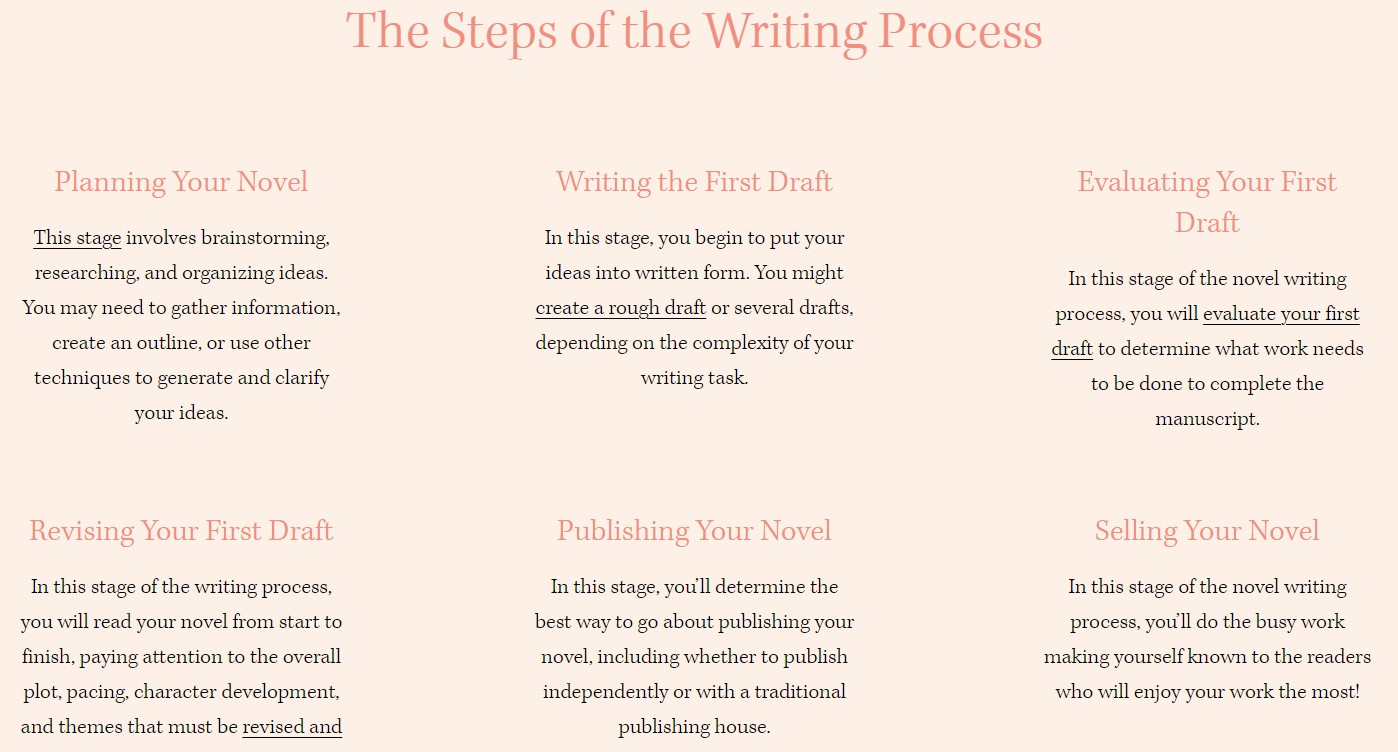
In this series, we’ve reviewed the planning, writing, evaluating, and revising steps of the novel writing process. Now it’s time to publish your novel!

Proper formatting can significantly impact your manuscript’s professional appearance and readability. Here’s a comprehensive guide to formatting your novel manuscript for traditional publishing:

Continue reading “How to format your novel manuscript for traditional publishing”
Finish Writing Your Novel Now!

What are the steps for getting your novel traditionally published?

Getting your novel published by a traditional publisher can feel like an ambitious dream, but with preparation and perseverance, it is achievable. Traditional publishing involves partnering with an established publishing house, such as Penguin Random House or HarperCollins, which takes on the responsibility of editing, designing, marketing, and distributing your book.

In this series, we’ve reviewed the planning, writing, evaluating, and revising steps of the novel writing process. Now it’s time to publish your novel!

Unlike independent publishing, where authors take on much of this work themselves, traditional publishers typically pay an advance and earn their profits through book sales, splitting royalties with the author. If your goal is to see your book on bookstore shelves with the backing of an experienced team, check out the following general steps to getting your novel published by a traditional publisher:

Continue reading “What are the steps for getting your novel traditionally published?”
Finish Writing Your Novel Now!

What are the benefits of traditional publishing?

Traditional publishing in the fiction world is the process of publishing a book through a traditional publishing house such as Penguin Random House, HarperCollins, or Simon & Schuster. The process typically involves submitting a manuscript to a literary agent, who then pitches it to publishers on the author’s behalf. If a publisher is interested in the manuscript, they will offer the author a publishing contract, which includes an advance against royalties, editorial services, and book distribution.

In this series, we’ve reviewed the planning, writing, evaluating, and revising steps of the novel writing process. Now it’s time to publish your novel! Should you go the traditional route or publish your novel independently?

In traditional publishing, the publisher assumes most of the financial risk associated with publishing a book, such as the cost of editing, cover design, printing, and marketing. In exchange, the publisher takes a percentage of the book’s sales revenue. Traditional publishing is often seen as the “gold standard” of book publishing, as it provides a level of prestige, credibility, and distribution that can be difficult to achieve through other publishing avenues. However, the process of getting published through a traditional publisher can be highly competitive, and rejection rates are often high.

Continue reading “What are the benefits of traditional publishing?”
Finish Writing Your Novel Now!

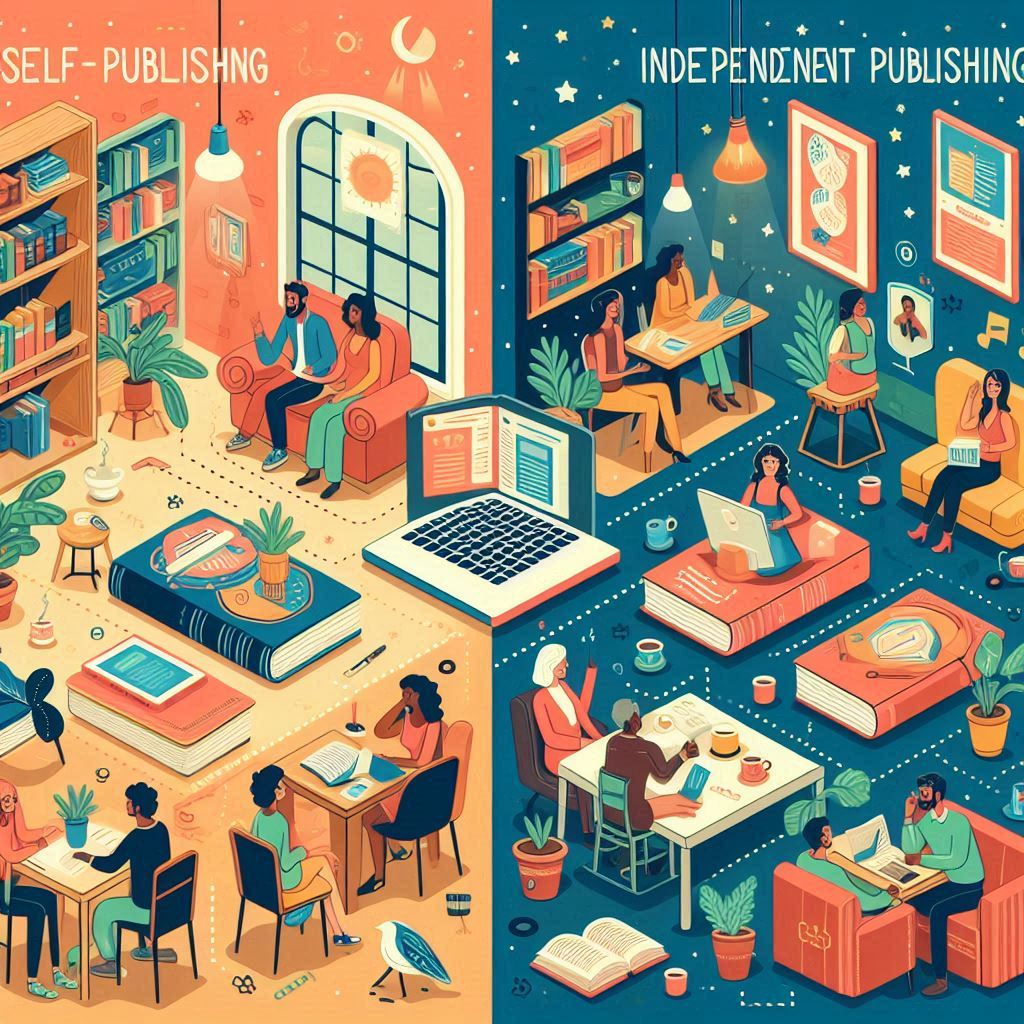
What’s the difference between traditional and independent publishing?

It’s crucial for authors to understand the benefits and risks of both traditional and independent publishing because the path you choose can significantly impact your writing career, creative control, and financial outcomes. Traditional publishing offers the advantages of an experienced team to guide your book through editing, design, marketing, and distribution, often providing wider reach and credibility. However, it also comes with risks, such as lengthy timelines, less creative control, and the challenge of securing a publishing deal in a highly competitive industry. 

In this series, we’ve reviewed the planning, writing, evaluating, and revising steps of the novel writing process. Now it’s time to publish your novel! Should you go the traditional route or publish your novel independently?

Conversely, independent publishing grants full control over your work, quicker turnaround times, and higher royalty percentages, but it also requires substantial effort and resources. You’ll be responsible for funding and managing essential tasks like editing, cover design, and marketing. Without a clear understanding of these trade-offs, authors might find themselves unprepared for the demands of their chosen route, leading to unmet expectations or financial strain. By weighing the benefits and risks, you can make an informed decision aligned with your goals, skills, and resources, ensuring a smoother journey to publication and beyond.

Continue reading “What’s the difference between traditional and independent publishing?”
Finish Writing Your Novel Now!

The fifth step in the novel writing process: Publish your novel!

Now that you have written your novel and polished it to perfection, it’s time to enter the next phase of the novel writing process. While it might feel like the finish line is in sight, publishing is actually an integral part of the journey, not just the end point. It’s the bridge between your story and its audience, and how you approach this step can make all the difference in how your book finds its readers. Whether you’re aiming for a traditional publisher or planning to self-publish, viewing publishing as an essential step of the novel writing process will help you prepare for what’s to come and set your novel up for success.

In this series, we’ve reviewed the planning, writing, evaluating, and revising steps of the novel writing process. Now it’s time to publish your novel!

Writing a novel is a deeply personal and creative endeavor, but its ultimate purpose is to be read. By thinking about publishing as you write, you can better shape your story to meet the needs of your intended audience and the expectations of your chosen publishing path, whether traditional or independent.

Continue reading “The fifth step in the novel writing process: Publish your novel!”
Finish Writing Your Novel Now!

How to unlock the power of metaphors in fiction writing

Metaphors are one of the most effective tools in a writer’s toolkit. They allow us to convey complex ideas and emotions with clarity and creativity, transforming ordinary language into something extraordinary. In this blog post, we’ll explore the significance of metaphors in fiction writing, discuss how to use them effectively, and provide examples to inspire your own writing.

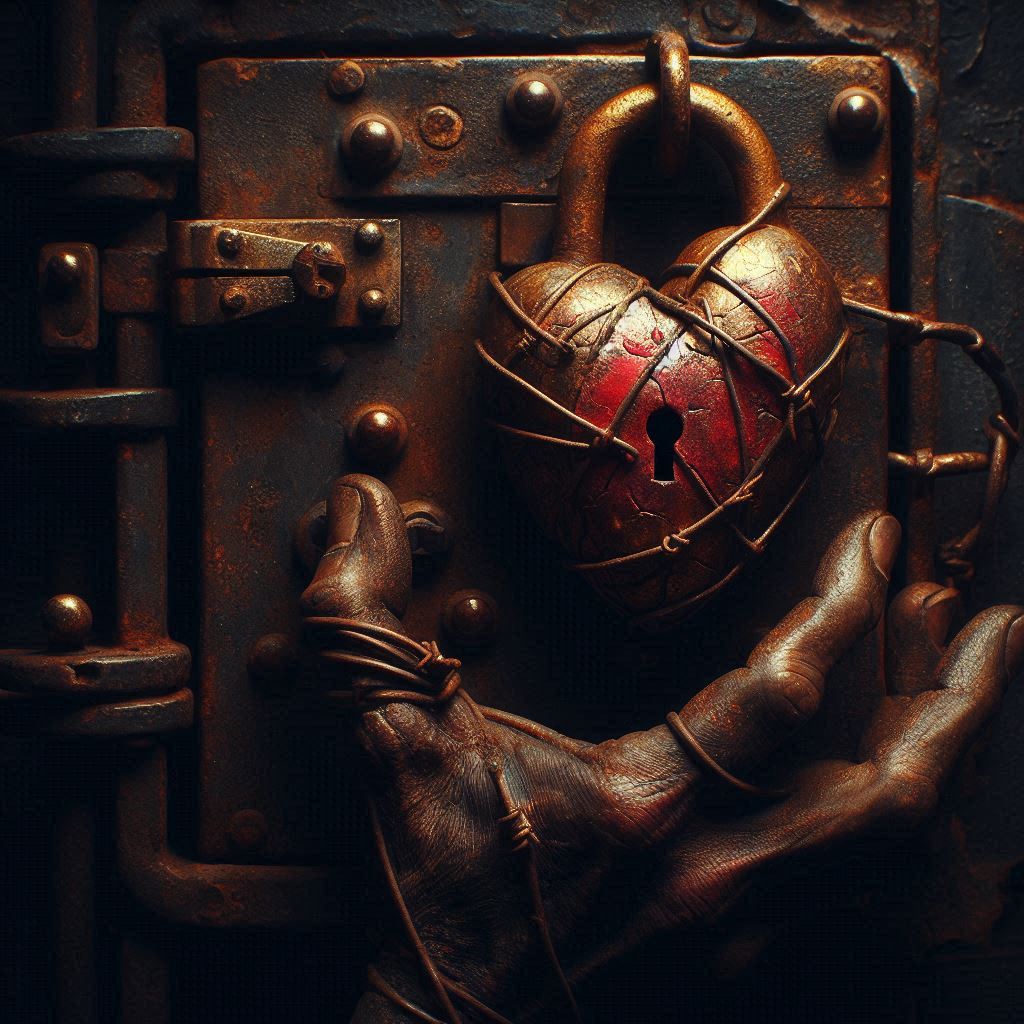
“His heart was a locked door” is one example of a metaphor.

A metaphor is a figure of speech that makes a direct comparison between two unlike things, asserting that one thing is another. Unlike similes, which use “like” or “as” for comparisons, metaphors create a more immediate and impactful connection.

Continue reading “How to unlock the power of metaphors in fiction writing”
Finish Writing Your Novel Now!

The art of similes: How to enhance your fiction with vivid comparisons

Similes are a powerful literary device that can breathe life into your writing. By drawing comparisons between seemingly unrelated things, similes can evoke vivid imagery and emotion, making your prose more engaging and relatable. In this post, we’ll explore how to effectively use similes in fiction writing, along with some examples to inspire your creativity.

“She was as brave as a lion” is one example of a simile.

A simile is a figure of speech that compares two different things using the words “like” or “as.” This comparison can highlight similarities and create a clearer picture in the reader’s mind, enhancing the overall narrative.

Continue reading “The art of similes: How to enhance your fiction with vivid comparisons”
Finish Writing Your Novel Now!

Understanding what happens in the brain when reading can help you become a better writer!

Reading fiction is a complex cognitive activity that engages many areas of the brain. When we read, our brains create mental representations of the characters, settings, and events described in the text, allowing us to immerse ourselves in the story and experience it as if we were physically experiencing the story ourselves.

Do you know what happens in a reader’s brain when the reader is fully immersed in a story?

Several brain regions are involved in this process, including the visual cortex, which processes visual information and helps us create mental images of the story’s setting and characters. The temporal lobe is also involved, processing language and helping us understand the meaning of the words we’re reading.

Continue reading “Understanding what happens in the brain when reading can help you become a better writer!”
Finish Writing Your Novel Now!

Mastering Flashbacks: A Guide to Enhancing Your Fiction

Flashbacks can be a powerful tool in fiction writing, allowing authors to deepen character development, enrich plot lines, and create emotional resonance. However, using them effectively requires careful consideration.

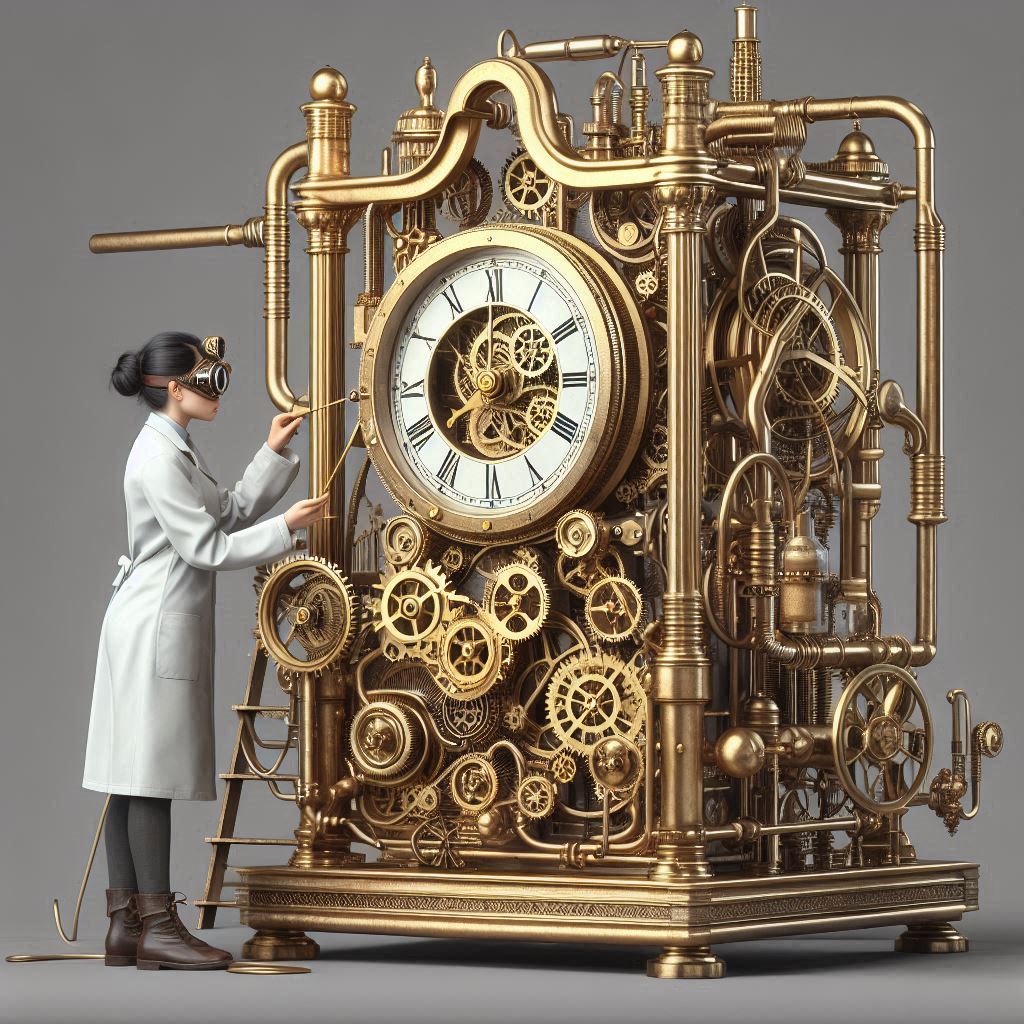
Incorporating flashbacks in your novel is like using a time machine to show your readers what happened in the past.

Potential drawbacks of incorporating flashbacks in your novel include disrupting the pacing of the story, confusing and tiring your readers, and shifting the novel’s focus away from the story’s “present time.” If not handled delicately, flashbacks can feel like emotional manipulation. Readers may sense when an author is trying too hard to elicit a particular response, which can undermine the authenticity of the moment. Here’s how to master the art of flashbacks in your writing:

Continue reading “Mastering Flashbacks: A Guide to Enhancing Your Fiction”