Finish Writing Your Novel Now!

The pros and cons of breaking Chapter One promises

In storytelling, the opening chapter of a novel serves as a promise to the reader, establishing tone, genre, character dynamics, and key themes that shape their expectations for the rest of the narrative. Breaking these promises can occur when the story later diverges significantly from what was initially implied, often leading to confusion or disappointment. However, when done skillfully, breaking these early promises can also serve as a powerful tool for subverting reader expectations, adding layers of depth, or creating surprise twists that enhance the overall impact of the novel. The challenge lies in balancing misdirection with satisfying storytelling.
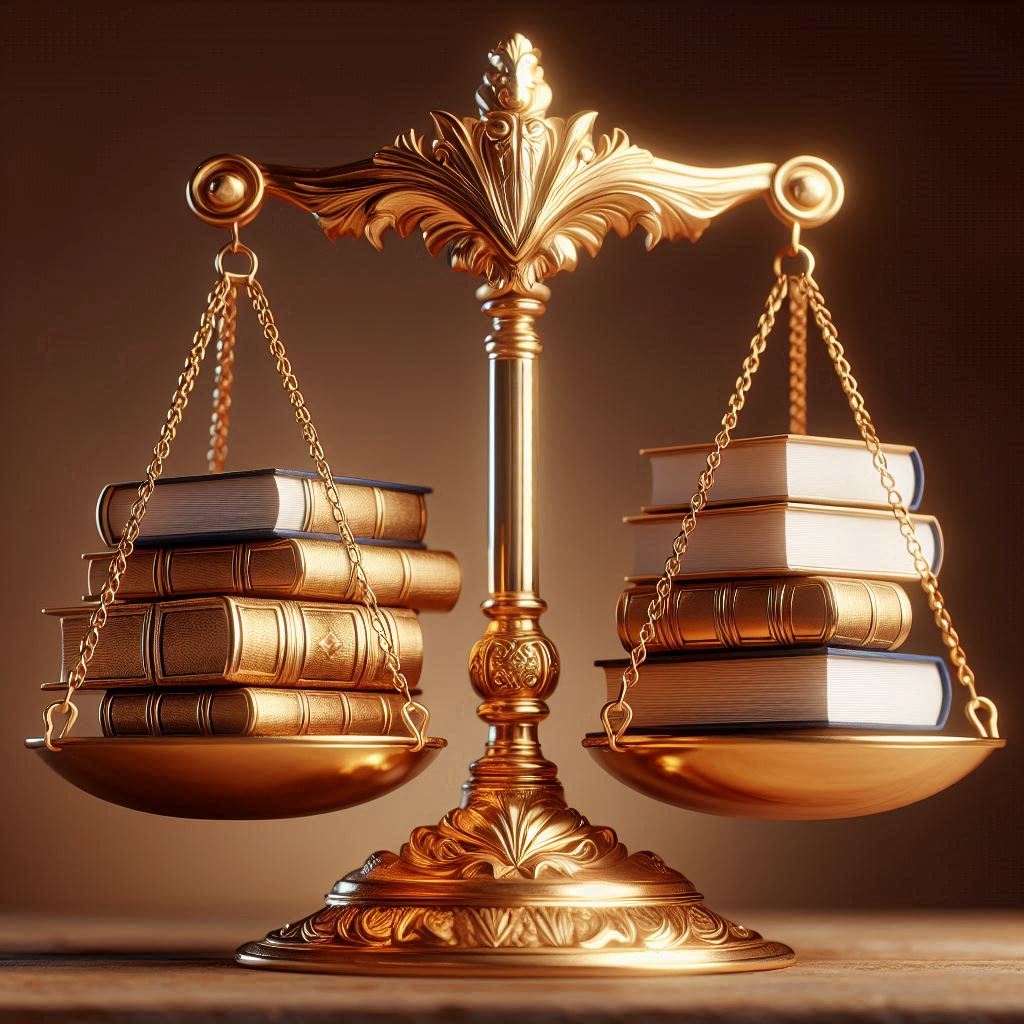
You should always carefully weigh the pros and cons before decide to break your chapter one promises.

Breaking chapter one promises in a novel can be a bold and creative storytelling technique that keeps readers engaged and surprised. By deviating from the initial expectations set in the first chapter, authors can introduce plot twists, deeper character developments, or genre shifts that challenge assumptions and create a more dynamic narrative. This unexpected shift can enhance the story’s complexity, making it more memorable and impactful.

Continue reading “The pros and cons of breaking Chapter One promises”

Finish Writing Your Novel Now!

Does the first chapter of your novel make promises it can’t keep?

Chapter One: it’s where every story begins. It sets the reader’s expectations of what they are about to read and often makes promises that it must keep in order to satisfy the reader. It’s a big job, and not every chapter is cut out to do it. It’s common in the revise and refine stage of the novel writing process to realize that the chapter you thought would come first just isn’t ready to do all that heavy lifting. You might evaluate your novel manuscript and find yourself asking, “Where does this story actually begin?” Does your story begin with your current chapter one? Or do you need to write a whole new first chapter?

Be very careful of breaking your chapter one promises if you don’t want to break the hearts of these creepy A.I. twins!

The first chapter of a novel makes a number of promises to its readers, setting up expectations for the rest of the story. These promises may include:

Continue reading “Does the first chapter of your novel make promises it can’t keep?”
Finish Writing Your Novel Now!

How to unlock the power of metaphors in fiction writing

Metaphors are one of the most effective tools in a writer’s toolkit. They allow us to convey complex ideas and emotions with clarity and creativity, transforming ordinary language into something extraordinary. In this blog post, we’ll explore the significance of metaphors in fiction writing, discuss how to use them effectively, and provide examples to inspire your own writing.

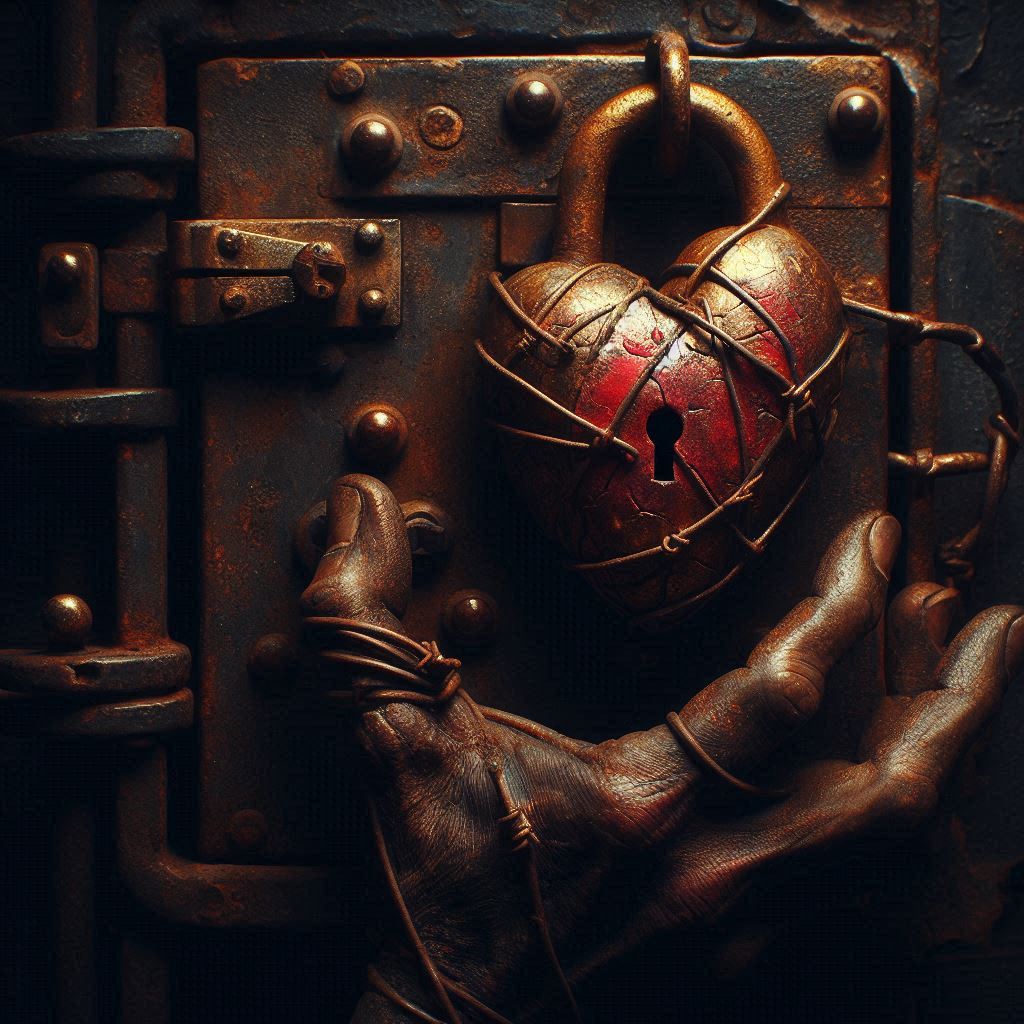
“His heart was a locked door” is one example of a metaphor.

A metaphor is a figure of speech that makes a direct comparison between two unlike things, asserting that one thing is another. Unlike similes, which use “like” or “as” for comparisons, metaphors create a more immediate and impactful connection.

Continue reading “How to unlock the power of metaphors in fiction writing”
Finish Writing Your Novel Now!

The art of similes: How to enhance your fiction with vivid comparisons

Similes are a powerful literary device that can breathe life into your writing. By drawing comparisons between seemingly unrelated things, similes can evoke vivid imagery and emotion, making your prose more engaging and relatable. In this post, we’ll explore how to effectively use similes in fiction writing, along with some examples to inspire your creativity.

“She was as brave as a lion” is one example of a simile.

A simile is a figure of speech that compares two different things using the words “like” or “as.” This comparison can highlight similarities and create a clearer picture in the reader’s mind, enhancing the overall narrative.

Continue reading “The art of similes: How to enhance your fiction with vivid comparisons”
Finish Writing Your Novel Now!

Understanding what happens in the brain when reading can help you become a better writer!

Reading fiction is a complex cognitive activity that engages many areas of the brain. When we read, our brains create mental representations of the characters, settings, and events described in the text, allowing us to immerse ourselves in the story and experience it as if we were physically experiencing the story ourselves.

Do you know what happens in a reader’s brain when the reader is fully immersed in a story?

Several brain regions are involved in this process, including the visual cortex, which processes visual information and helps us create mental images of the story’s setting and characters. The temporal lobe is also involved, processing language and helping us understand the meaning of the words we’re reading.

Continue reading “Understanding what happens in the brain when reading can help you become a better writer!”
Finish Writing Your Novel Now!

Mastering Flashbacks: A Guide to Enhancing Your Fiction

Flashbacks can be a powerful tool in fiction writing, allowing authors to deepen character development, enrich plot lines, and create emotional resonance. However, using them effectively requires careful consideration.

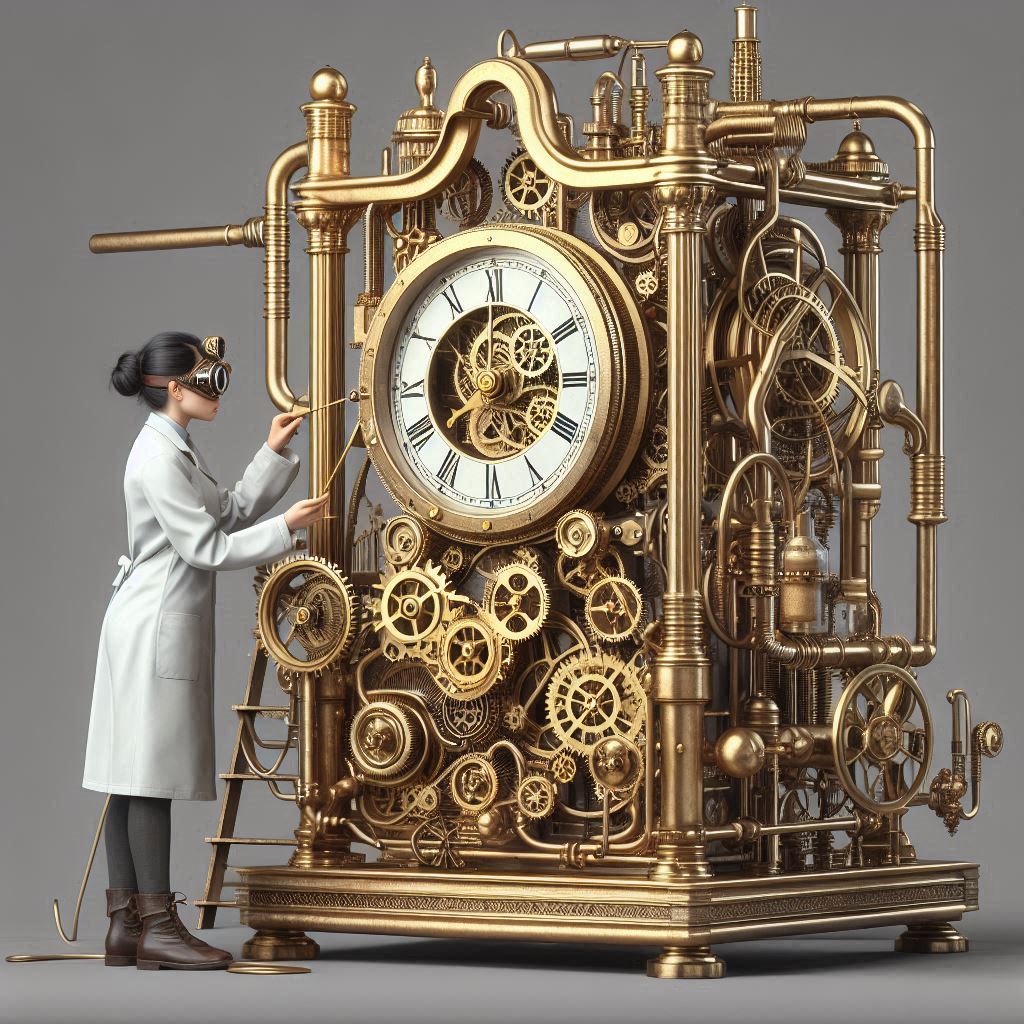
Incorporating flashbacks in your novel is like using a time machine to show your readers what happened in the past.

Potential drawbacks of incorporating flashbacks in your novel include disrupting the pacing of the story, confusing and tiring your readers, and shifting the novel’s focus away from the story’s “present time.” If not handled delicately, flashbacks can feel like emotional manipulation. Readers may sense when an author is trying too hard to elicit a particular response, which can undermine the authenticity of the moment. Here’s how to master the art of flashbacks in your writing:

Continue reading “Mastering Flashbacks: A Guide to Enhancing Your Fiction”
Finish Writing Your Novel Now!

How to write backstory without infodumping

Infodumping in novel writing refers to the excessive and often clumsy presentation of background information, context, or details all at once, usually in a way that disrupts the narrative flow. This can happen when an author tries to convey too much information in one go, often through long passages of exposition or dialogue, making it feel overwhelming or tedious for the reader.

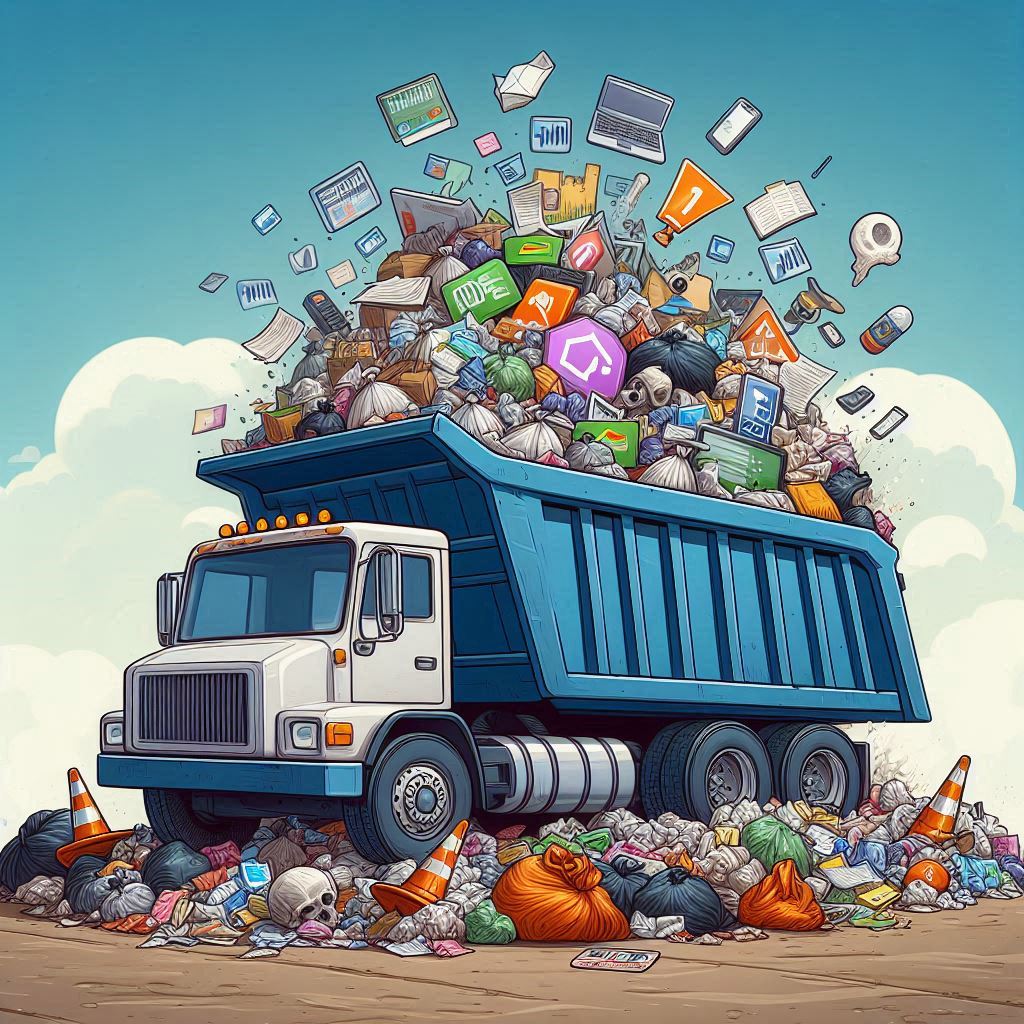
Imagine how overwhelming it would be to have all this information dumped on you at once!

Writing backstory without resorting to infodumping involves weaving the information seamlessly into the narrative. Here are some techniques to help you do that:

Continue reading “How to write backstory without infodumping”
Finish Writing Your Novel Now!

What is backstory in novel writing?

Backstory in novel writing refers to the history and events that shape the characters, settings, and plot before the main narrative begins. It provides context and depth to the characters and can help explain their motivations, conflicts, and relationships.

Effective backstory is blended into the flow of the narrative, keeping the reader engaged while providing necessary context.

Here are some key aspects of backstory:

Continue reading “What is backstory in novel writing?”
Finish Writing Your Novel Now!

What is exposition in fiction writing? Is it the same as “telling?”

In fiction writing, “telling” and “exposition” are related but not exactly the same thing. Telling refers to the technique of stating facts or emotions directly, rather than letting the reader infer them through actions, dialogue, or sensory details. For example, saying, “She was angry,” is telling, whereas showing might involve describing her clenched fists or sharp tone. Exposition, on the other hand, is the presentation of background information, context, or explanation necessary for the story, such as the history of a world, character backstory, or details about a situation.

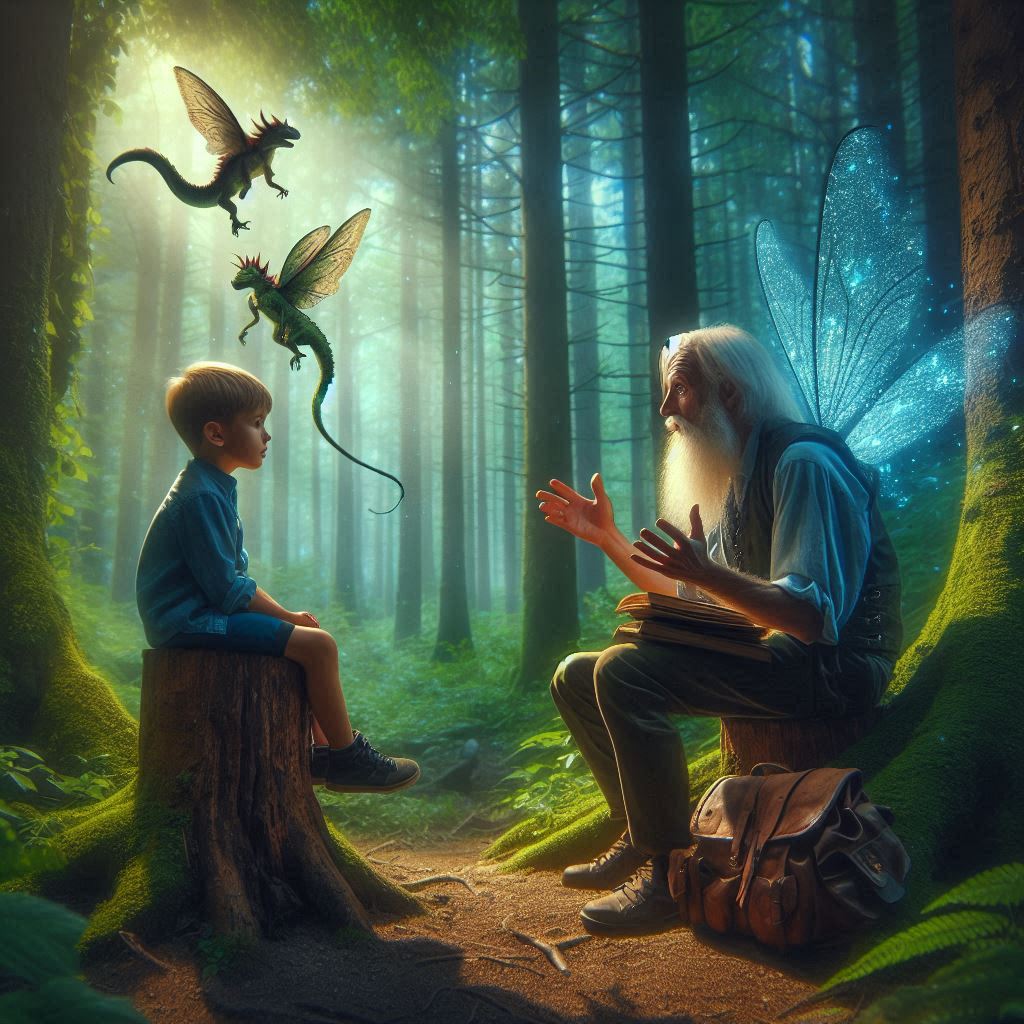
Exposition can be used to describe a novel’s setting. How would you describe this setting?

Exposition can be done through either telling or showing. In short, telling is a technique, while exposition is a type of content. Exposition can sometimes involve “telling” when the writer needs to explain things quickly, but it can also be shown through more gradual revelations or interactions within the narrative.

Continue reading “What is exposition in fiction writing? Is it the same as “telling?””
Finish Writing Your Novel Now!

What’s the difference between showing and telling in novel writing? | Revise and Refine

If you’ve ever taken a creative writing course, you have probably been admonished at least once to “show, don’t tell.” But, what does that even mean? What’s the difference between showing and telling, and why does it matter?

“Don’t tell me the moon is shining: show me the glint of light on broken glass.”
–Anton Chekov

Showing and telling are two different ways of conveying information in creative writing. Telling refers to when the author simply tells the reader what is happening or what a character is feeling, without showing it through actions, dialogue, or description. For example, “Tessa was angry” is a statement that tells the reader how Tessa is feeling without showing any evidence of her anger.

Continue reading “What’s the difference between showing and telling in novel writing? | Revise and Refine”