Finish Writing Your Novel Now!, Novel Writing Assignments

Step two of the novel writing process: The first draft (and Writing Assignment #6)

During the last few weeks, we’ve spent a lot of time on the planning stage of the novel writing process, and for good reason. Taking the time to develop a well-planned story will make writing the first draft of your novel seem like a stroll through the garden. When it comes to the drafting stage of the novel writing process, the most important piece of advice I can give you is to just start writing and don’t stop until it’s done.
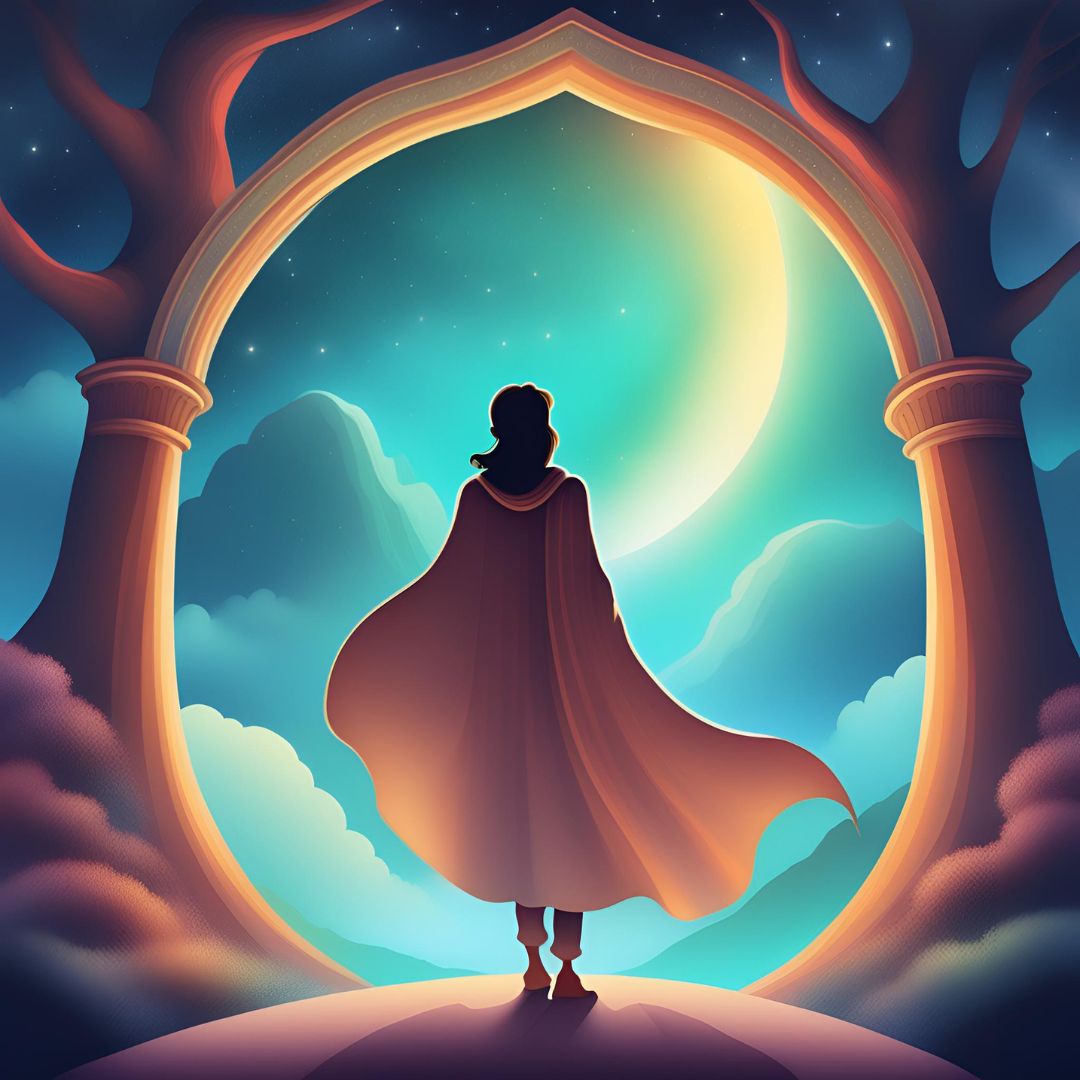
The time has come to embark on the next leg of your novel writing journey! Image generated using artificial intelligence.

However, you’d probably like a bit more advice than that, so here are some helpful hints and tips to get you through this stage of the novel writing process:

Continue reading “Step two of the novel writing process: The first draft (and Writing Assignment #6)”
Finish Writing Your Novel Now!

The chapter summary or scene list

A chapter summary for a novel is a detailed plan that outlines the key events, themes, and character development for each chapter of the book. It may include subplots that will add to the richness and complexity of the original story idea. You might even begin to add bits of description and dialog if the mood strikes. Think of these as little gold nuggets that will later help you buy your way back into your story at the start of each writing session.

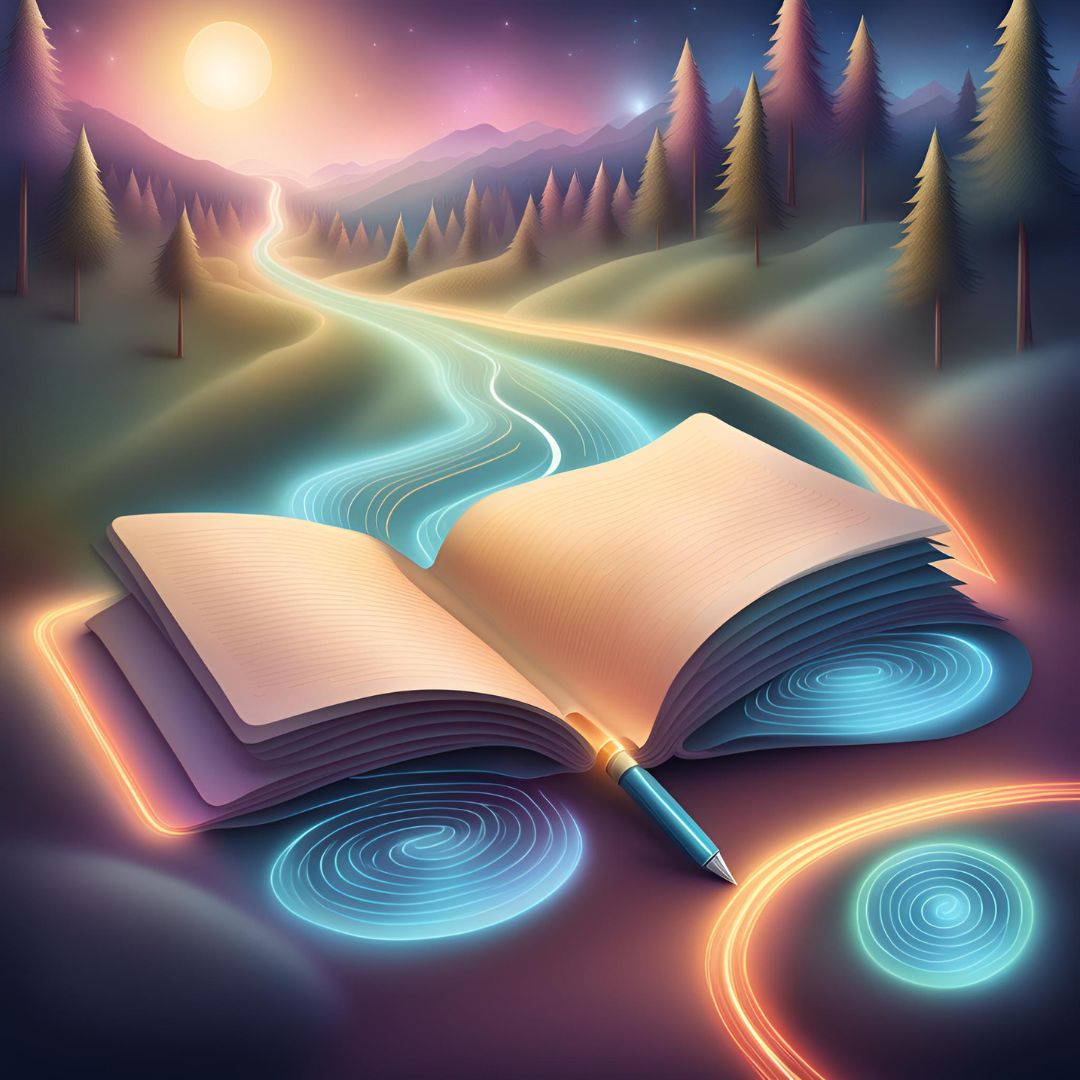
The chapter summary provides a road map for writing your story. Image generated using artificial intelligence.

The chapter summary can be thought of as a roadmap or guide for the author to follow as they write the novel. A chapter summary can be helpful in keeping the author focused and organized and can also help to ensure that the story flows smoothly and logically from chapter to chapter.

Each section of a chapter outline typically includes the following elements:

Continue reading “The chapter summary or scene list”
Finish Writing Your Novel Now!, Novel Writing Assignments

Writing Assignment #4: The Novel Synopsis

A novel synopsis is a summary of the plot, characters, and themes of a novel. It typically provides an overview of the story without going into too much detail. A good novel synopsis should give the reader a sense of what the book is about, including the main conflict or challenge facing the characters, the setting, and any important themes or ideas explored in the story. It should be concise and engaging and should ideally make the reader want to read the book to find out more.

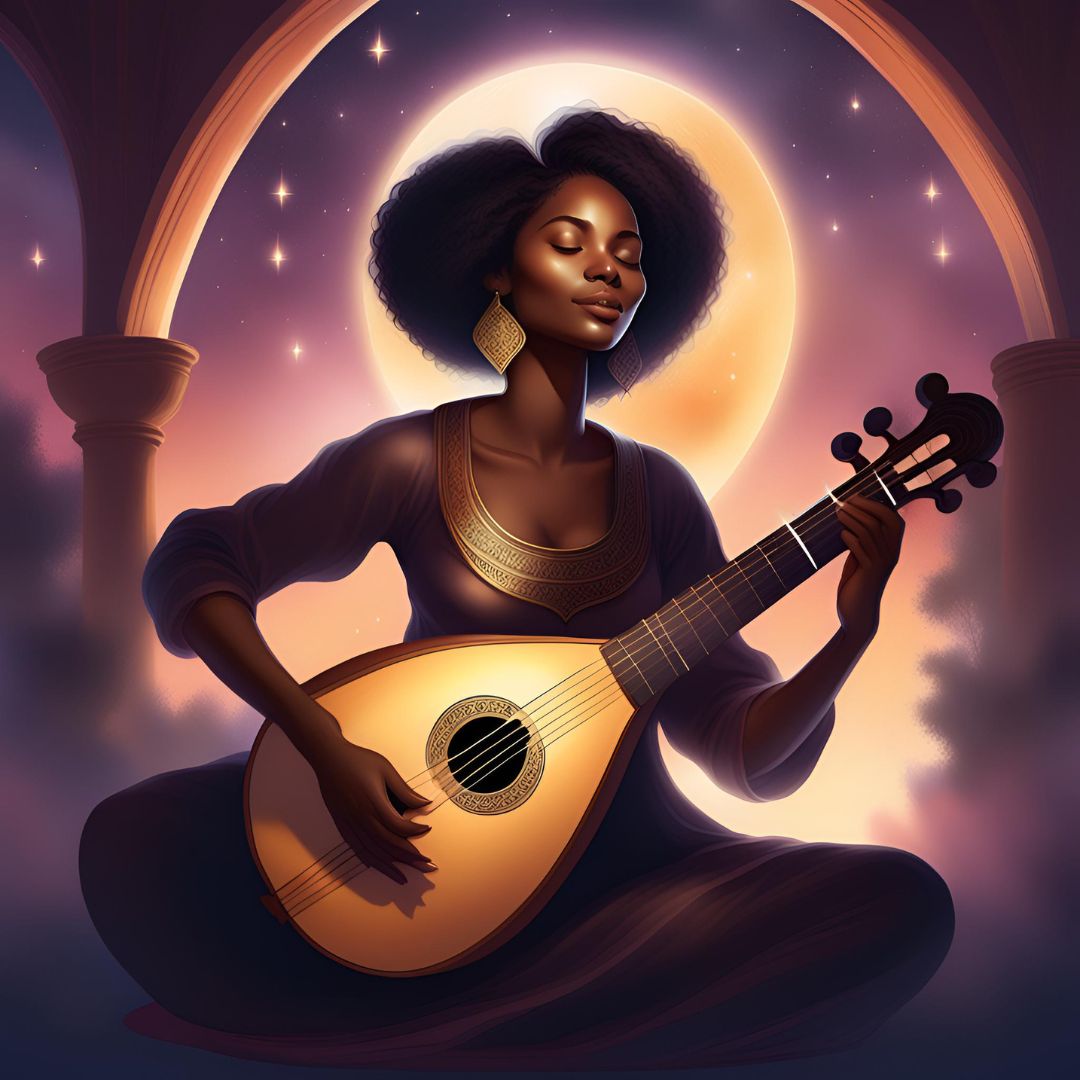
Aria plays the mystical instrument she discovered hidden deep within an ancient forest. Image generated using artificial intelligence.

The novel synopsis may also be used as a marketing tool to promote your book to potential readers, agents, or publishers. However, I also find it useful to write a first draft of a synopsis as part of the novel planning process.

Writing Sample

The following is a synopsis of a novel that we’ll call The Songbird’s Echo[1]which uses the Hero’s Journey story structure to move the story forward. Notice how the single sentences used in some of the previous outlines we explored have now been expanded to a couple of sentences for each section of the story’s structure. With each new assignment you complete in the planning process, you will come a little bit closer to having written your first draft!

Continue reading “Writing Assignment #4: The Novel Synopsis”
Finish Writing Your Novel Now!

Writing Assignment #3: Outline your novel! 

If you’ve been following my blog the past couple of weeks, you’ve probably learned a lot about novel structure and how to outline an idea as part of the planning stage of the novel writing process. You may be wondering, what now, brown cow? Well, I hope you have a lot of notes and ideas at the ready because it is finally time to outline your novel!

Image generated using artificial intelligence.

By now, I hope you have settled on one or a couple of story structure outlines that will meet the needs of your novel or novels. I say, “or novels” because at this point, you may still have a couple of ideas that you are hashing out. While you may be tempted to narrow your focus to just one at this point, I say keep working on all those ideas for now, at least until a clear forerunner emerges. Just make sure you settle on one novel to draft at a time. Right now, you still have plenty of time to consider which novel you want to write first. For now, let’s jump into our next writing assignment.

Writing Assignment #3: Outline your novel

Outlining a novel is a personal process, and there is no one “right” way to do it. However, here are some general steps you can take to outline your novel:

Continue reading “Writing Assignment #3: Outline your novel! “
Finish Writing Your Novel Now!

Larry Brooks’ Story Structure

The Larry Brooks story structure is one that I have used several times and find to be very useful when planning a novel. It is a structure that I will detail here in depth because – to me – it seems to be one of the more effective methods of outlining a novel.

Image generated using artificial intelligence.

Brooks is a writing coach, author, and speaker known for his expertise in the craft of storytelling. He is the author of several books on writing, including Story Engineering: Mastering the 6 Core Competencies of Successful Writing; Story Physics: Harnessing the Underlying Forces of Storytelling; and Great Stories Don’t Write Themselves: Criteria-Driven Strategies for More Effective Fiction. Brooks is also the founder of Storyfix.com, a website dedicated to helping writers develop their storytelling skills. Brooks’ approach to writing emphasizes the importance of structure, character development, and genre expectations. He believes that successful stories must meet certain criteria, and that writers who understand these criteria can create stories that are more engaging, satisfying, and marketable.

Continue reading “Larry Brooks’ Story Structure”
Finish Writing Your Novel Now!

Kurt Vonnegut on story structure

ANNOUNCEMENT: ISO guest bloggers to write posts for each of the story structures listed below. Please scroll to the bottom of this post for details.

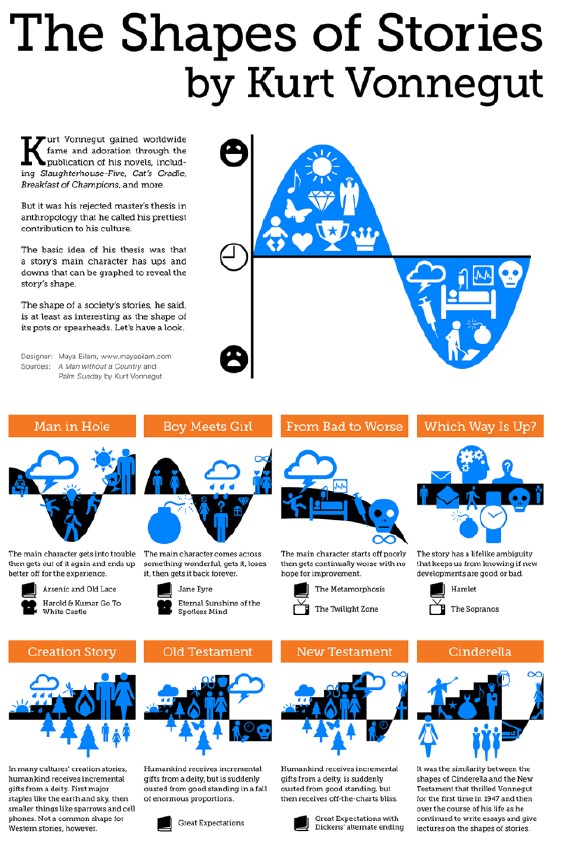
Kurt Vonnegut, the acclaimed American author known for his satirical and anti-war writings, was critical of the traditional, linear approach that dominates much of literature and popular culture. He preferred a more experimental, non-linear approach that allowed for more creativity and surprise. In a lecture on the shapes of stories, Vonnegut suggested that stories could be graphed on a simple chart, with the y-axis representing the level of happiness or unhappiness experienced by the protagonist, and the x-axis representing the progression of the story over time.

Infographic by Maya Eilam

Vonnegut also identified several basic story structures that he believed were common to most stories. These structures are based on the emotional journey of the protagonist and the overall shape of the plot. Following are some examples of a few of the simple shapes of story structures identified by Vonnegut:

Continue reading “Kurt Vonnegut on story structure”
Finish Writing Your Novel Now!

Story Structure: The Hero’s Journey

The Hero’s Journey story framework was first described by Joseph Campbell, a scholar of mythology and comparative religion. Campbell’s influential book, The Hero with a Thousand Faces, first published in 1949, examines the patterns and themes that recur in myths and stories from cultures around the world. (I highly recommend watching the below interview of Campbell with Bill Moyers to learn more.)

In the book, Campbell outlines the monomyth, a narrative structure that he argues is present in many of these stories. Campbell’s idea was that the Hero’s Journey is a universal pattern that reflects the human experience of transformation and growth. He believed that the monomyth could be found in many different cultures and historical periods, and that it offered a powerful framework for understanding the ways in which stories shape our understanding of ourselves and the world around us.

Continue reading “Story Structure: The Hero’s Journey”
Finish Writing Your Novel Now!

Story Structure: In Medias Res

The concept of “in medias res” (Latin for “in the midst of things”) in novel writing dates back to ancient Greek and Roman literature. The Roman poet and philosopher Horace wrote about the technique in his Ars Poetica (The Art of Poetry), which was published around 18 BCE. In this work, he advised poets to begin their stories in the middle of the action, rather than at the beginning, in order to grab the reader’s attention and create a sense of urgency. As a novel writing technique, in media res also involves beginning a story in the middle of the action, rather than at the beginning, in order to capture the reader’s attention and create a sense of immediacy and urgency.

The Iliad is an early example of a story that began in the middle of the action. Image generated using AI.

One of the earliest examples of in medias res can be found in Homer’s epic poem, The Iliad, which begins in the middle of the Trojan War, rather than at the beginning. This technique was also used by other ancient Greek and Roman writers, including Virgil in his epic poem, The Aeneid.

Continue reading “Story Structure: In Medias Res”
Finish Writing Your Novel Now!

Story Structure: Save the Cat

The Save the Cat story outline, originally a screenwriting structure developed by Blake Snyder, emphasizes the importance of creating a likable protagonist who goes through a series of ups and downs before ultimately achieving their goal.

There’s more than one way to save a cat. Image generated using artificial intelligence.

Here is a general breakdown of each act:

Continue reading “Story Structure: Save the Cat”
Finish Writing Your Novel Now!

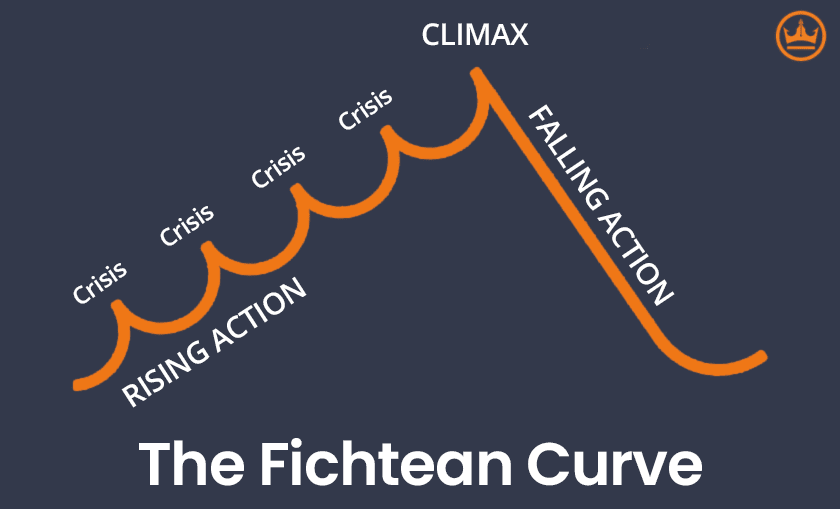
Story structure: The Fichtean Curve

The Fichtean Curve, also known as the narrative arc or the dramatic arc, is a storytelling model that describes the structure of a story or narrative. While the term “Fichtean curve” is named after Johann Gottlieb Fichte, a German philosopher who was influential in the late 18th and early 19th centuries, it is not clear if Fichte himself originated the idea of the narrative arc (Writing Manuals for the Masses: The Rise of the Literary Advice Industry from Quill to Keyboard, ).

The Fichtean curve is often attributed to the German poet and playwright Johann Christoph Friedrich von Schiller, who was a contemporary of Fichte and a close friend. Schiller was interested in the structure of drama and wrote extensively on the subject, and it is likely that he was the one who popularized the narrative arc as a storytelling model.

Continue reading “Story structure: The Fichtean Curve”