
The Hero’s Journey story framework was first described by Joseph Campbell, a scholar of mythology and comparative religion. Campbell’s influential book, The Hero with a Thousand Faces, first published in 1949, examines the patterns and themes that recur in myths and stories from cultures around the world. (I highly recommend watching the below interview of Campbell with Bill Moyers to learn more.)
In the book, Campbell outlines the monomyth, a narrative structure that he argues is present in many of these stories. Campbell’s idea was that the Hero’s Journey is a universal pattern that reflects the human experience of transformation and growth. He believed that the monomyth could be found in many different cultures and historical periods, and that it offered a powerful framework for understanding the ways in which stories shape our understanding of ourselves and the world around us.
Campbell’s ideas have had a profound impact on popular culture, and the Hero’s Journey framework has been used to analyze and understand a wide range of stories, from ancient myths to contemporary movies and novels. Many writers and storytellers use the Hero’s Journey as a template for structuring their own stories, believing that it offers a powerful way to engage audiences and explore themes of personal growth and transformation.
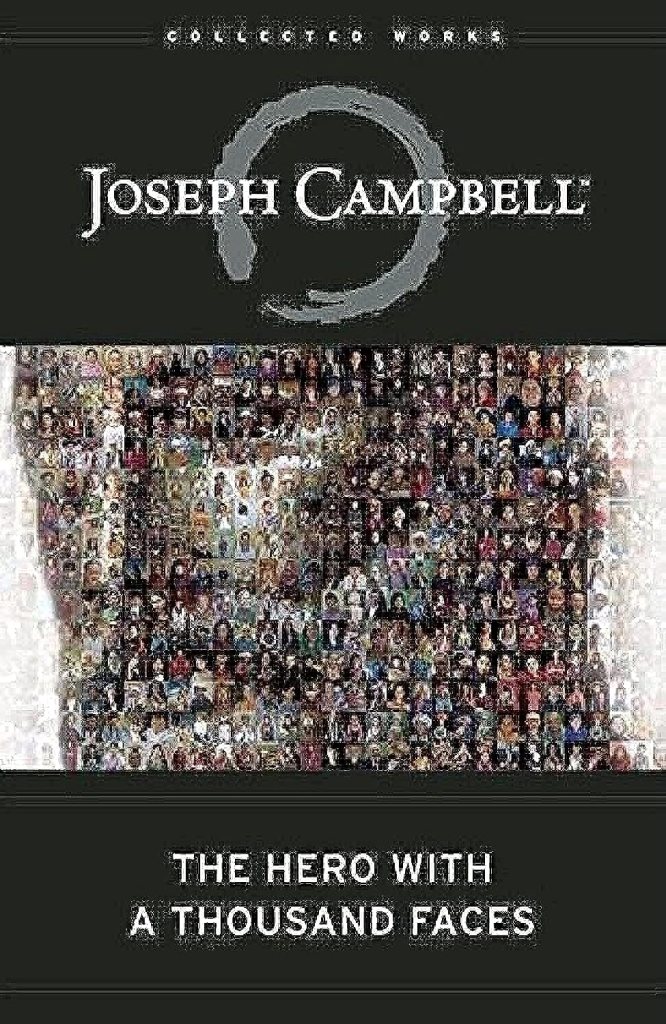
The Hero’s Journey is a storytelling framework that can be used to outline a novel or other type of narrative. (In fact, I used this framework when outlining my first novel, Valley of the Bees.) It involves a hero who goes on a journey, faces challenges and enemies, and ultimately achieves a goal or completes a quest. Here’s a step-by-step guide to using the Hero’s Journey to outline a novel:
- The Call to Adventure: This is the moment when the protagonist is presented with a challenge or opportunity that sets them on the path of the story. Identify the call to adventure in your story and describe the circumstances that lead up to it.
- Refusal of the Call: At first, the protagonist may resist or hesitate to take on the challenge presented in the Call to Adventure. Describe the reasons why they might refuse the call, as well as the internal or external factors that push them to eventually accept it.
- Meeting the Mentor: Along the way, the protagonist will often encounter a mentor or helper who provides guidance, training, or assistance. Describe the mentor character and the role they play in the story.
- Crossing the Threshold: This is the point at which the protagonist leaves their familiar world and enters a new, unfamiliar world. Describe the threshold that the protagonist crosses, as well as the challenges or obstacles they face as they enter the new world.
- Tests, Allies, and Enemies: In the new world, the protagonist will face a series of tests and will encounter allies and enemies who will help or hinder their progress. Describe these tests, allies, and enemies, and the ways in which they shape the protagonist’s journey.
- Approach to the Inmost Cave: This is the point in the story where the protagonist prepares to face their biggest challenge or obstacle. Describe the approach to the inmost cave and the preparations the protagonist makes.
- Ordeal: This is the moment of greatest tension in the story, when the protagonist faces their biggest challenge or obstacle. Describe the ordeal, as well as the ways in which the protagonist is tested or challenged.
- Reward: After the ordeal, the protagonist is often rewarded in some way, whether through a physical reward, a new skill or insight, or an emotional or spiritual transformation. Describe the reward that the protagonist receives.
- The Road Back: After receiving the reward, the protagonist must often return to their familiar world and face the challenges of bringing their newfound knowledge or skills back to their community. Describe the road back, as well as the challenges that the protagonist faces.
- Resurrection: This is the final moment of crisis in the story when the protagonist must use all their skills and knowledge to overcome one final obstacle or challenge. Describe the resurrection, as well as the ways in which the protagonist demonstrates their growth and transformation.
- Return with the Elixir: Finally, the protagonist returns to their community, bringing with them the elixir or boon that they have gained through their journey. Describe the return with the elixir, as well as the ways in which the protagonist has changed and grown.
By following this outline, you can use the Hero’s Journey framework to structure your story and ensure that it has a strong narrative arc.
Pro Tip: As I was writing this post, it occurred to me that The Hero’s Journey narrative structure is actually perfect for the new novel manuscript that I am currently outlining. So, even though I started out with Larry Brooks’ story structure — which I’ll cover in a future post, — I think I’m going to transition over to this one as I complete my outline. I already know how I want my story to begin and end, but I was struggling with coming up with ideas of what should happen in the mushy middle. So always keep in mind that if a given story structure doesn’t seem to be working with your story, you can always switch it up and try outlining with a different structure to get the ideas flowing.
Writing Sample
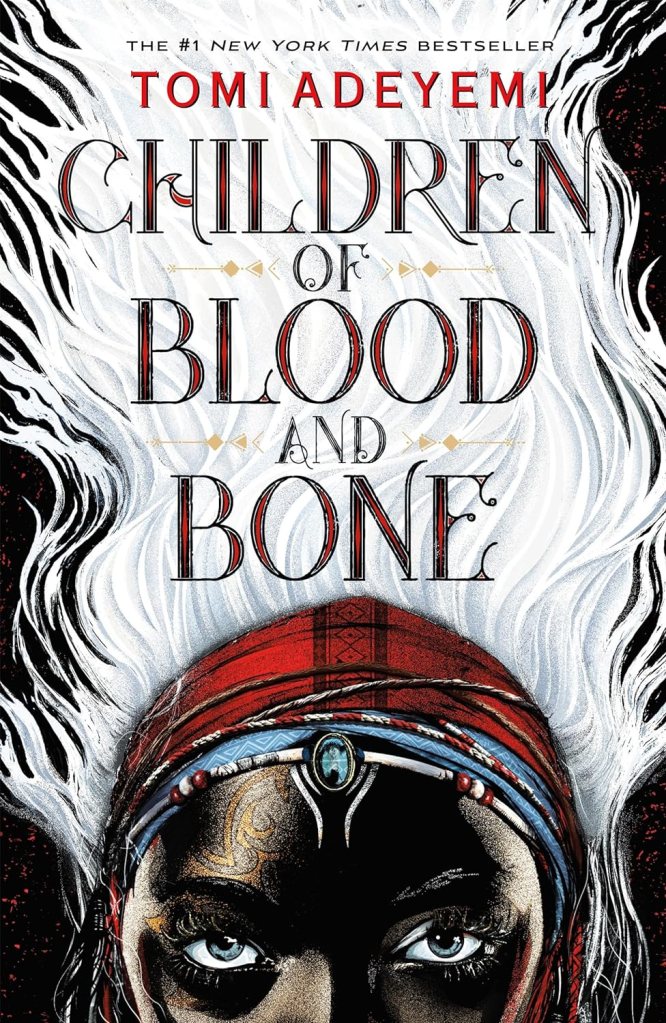
Here’s an example of a general Hero’s Journey outline of the (rather complicated) novel Children of Blood and Bone by Tomi Adeyemi:
Ordinary World
- Introduce the protagonist, Zélie Adebola, who lives in a kingdom where magic has been eradicated and her people, the Maji, oppressed.
- Present Zélie’s desire to restore magic to her people and overthrow the tyrannical regime.
Call to Adventure:
- Zélie encounters a mysterious scroll that holds the power to restore magic and learns about a sacred artifact that can revive magic in a ritual.
- She realizes she is the chosen one who must find the artifact and complete the ritual to bring back magic.
Refusal of the Call:
- Faced with the dangerous and seemingly impossible task, Zélie initially doubts her abilities and hesitates to accept her role as the chosen one.
Mentor:
- Zélie meets Amari, a princess who joins her quest, and they are guided by Zélie’s deceased mother’s spirit, who becomes her mentor and source of wisdom.
Crossing the Threshold:
- Zélie and Amari embark on a journey, leaving behind their familiar lives and venturing into different lands to find the artifacts needed for the ritual.
Trials and Tests:
- Zélie and Amari encounter various challenges, including battles, betrayal, and facing their own inner demons.
- They must navigate political intrigue, harness their magical abilities, and unite different factions to achieve their goal.
Approach to the Inmost Cave:
- Zélie and Amari come closer to obtaining all the artifacts and preparing for the final ritual, but they face increasing opposition from the oppressive regime.
Ordeal:
- Zélie and Amari experience a devastating loss or setback that tests their determination and pushes them to the brink of despair.
- They must find the strength to overcome their personal and external challenges to continue their quest.
Reward:
- Zélie and Amari obtain the final artifact and successfully complete the ritual, reviving magic in the kingdom.
- They gain a newfound sense of purpose, knowledge, and power, becoming catalysts for change.
The Road Back:
- Zélie and Amari face the wrath of the oppressive ruler, who seeks to destroy their progress and suppress the return of magic.
- They must rally their allies and confront the main antagonist to protect the newly restored magic and secure a better future.
Resurrection:
- Zélie confronts the main antagonist in a climactic battle, using her magical abilities and the support of her allies to overcome the powerful opposition.
Return with the Elixir:
- Zélie and Amari return to their kingdom as heroes, bringing back magic and inspiring hope among their people.
- They challenge the oppressive regime, sparking a revolution and leading their people toward liberation.
Children of Blood and Bone exemplifies the Hero’s Journey structure through Zélie’s transformation from a young girl with suppressed power to a fierce warrior and leader. The novel follows her journey of self-discovery, facing trials, gathering allies, and ultimately fighting for justice and freedom for her people.
NOTE: This story is so complicated, the above sample is very much stripped down. I apologize for this and hope that I haven’t done the story too much of a disservice with my oversimplification! However, your story outline might start out as skeletal as this one is, and that’s okay! Even the most complicated story has to start somewhere. Who knows how it might evolve as you work through the steps of the writing process!
Are you enjoying this content? Please consider leaving a tip! You can buy me a cup of coffee or donate a larger amount to help me “make a living” writing so I can quit my day job!
Become a regular patron of my art by signing up to contribute a monthly set amount to help me make a living with my writing!
You can also make an annual contribution to my writing. Select an amount below!
Choose an amount
Or enter a custom amount
Your contribution is appreciated.
Your contribution is appreciated.
Your contribution is appreciated.

 Write on the World
2 thoughts on “Story Structure: The Hero’s Journey”