
The Save the Cat story outline, originally a screenwriting structure developed by Blake Snyder, emphasizes the importance of creating a likable protagonist who goes through a series of ups and downs before ultimately achieving their goal.
Here is a general breakdown of each act:
Opening Image
- Introduce the protagonist and their world
- Establish the protagonist’s desire or goal
- Set the tone, genre, and themes of the story
Theme Stated
- Introduce the story’s theme or message
- The protagonist receives advice or a lesson that will be important later in the story
Set-up
- Establish the protagonist’s ordinary world and their flaw or weakness
- Introduce supporting characters and their relationships to the protagonist
- End with a turning point that propels the protagonist into the next act
Catalyst
- An event or incident that changes the protagonist’s life and sets the story in motion
- The protagonist is forced to act and make a decision
Debate
- The protagonist debates whether to pursue their goal or not
- They face internal and external conflicts and obstacles
- End with a turning point that propels the protagonist into the next act
Break into Two
- The protagonist commits to pursuing their goal and enters a new world or situation
- They face new challenges and obstacles
- End with a turning point that propels the protagonist into the next act
B Story
- Introduce a secondary plot or character that supports the protagonist’s journey
- The B story often represents the theme or message of the story
Fun and Games
- The protagonist faces a series of ups and downs, successes, and failures
- The tone is often lighter and more comedic
- End with a turning point that propels the protagonist into the next act
Midpoint
- A major turning point in the story where the protagonist faces a setback or failure
- The midpoint often represents a point of no return for the protagonist
Bad Guys Close In
- The protagonist faces increasing challenges and obstacles
- The stakes become higher and the situation more dire
- End with a turning point that propels the protagonist into the next act
All Is Lost
- The lowest point in the story where the protagonist faces their biggest failure or setback
- The protagonist is forced to confront their flaw or weakness
- End with a turning point that propels the protagonist into the next act

Dark Night of the Soul
- The protagonist reflects on their journey and contemplates giving up
- They receive guidance or support from a mentor or supporting character
Break into Three
- The protagonist overcomes their flaw or weakness and gains new insight or knowledge
- They prepare for the final battle or confrontation
- End with a turning point that propels the protagonist into the next act
Finale
- The protagonist faces the climax of the story
- They confront their enemy or overcome their obstacles
- The central conflict or problem is resolved
- The protagonist achieves their goal or is transformed by their journey
Final Image
- The story ends with a satisfying conclusion
- The protagonist’s world is changed or transformed
- The final image often represents the theme or message of the story
This is just a general outline of a “Save the Cat” story structure. The specifics of each act may vary depending on the story being told, and writers often use this structure as a starting point and modify it to suit their needs.
Writing Sample
Here’s a Save the Cat outline for the novel Red Clocks by Leni Zumas:
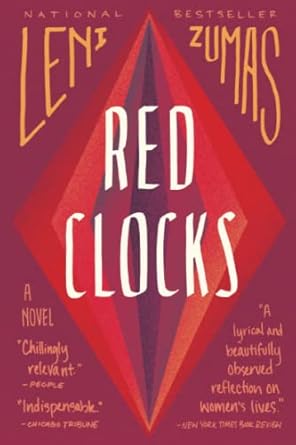
Opening Image:
- Introduce the world of Red Clocks, set in a near-future society where abortion is illegal, and reproductive rights are heavily restricted.
- Present the main characters: The Biographer, The Wife, The Daughter, and The Mender, each facing their own challenges and desires.
Theme Stated:
- Establish the theme of female autonomy and choice in the face of oppressive societal norms and expectations.
- Present the central conflict: the characters’ struggle against the government’s control over their bodies and reproductive rights.
Set-Up:
- Explore the lives and aspirations of each character, highlighting their desires, frustrations, and connections to the overarching reproductive rights issue.
- Show how the restrictions impact their lives, relationships, and dreams.
Catalyst:
- The Biographer, desperate to have a child, seeks the help of The Mender
- The Daughter, a teenager tells The Biographer that she wants to have an abortion.
- The Wife, miserable in her marriage, considers having an affair.
- The Mender, an unconventional healer, offers her services to women seeking abortions, leading to a secret network of support.
Debate:
- The characters grapple with their choices and the risks involved in their pursuit of freedom and agency.
- They face internal conflicts, questioning their own beliefs and values while navigating societal expectations and potential consequences.
Break into Two:
- The characters commit to their respective paths, taking risks and defying the oppressive system.
- The Wife makes a life-altering decision, while The Biographer starts documenting the experiences of women affected by the laws.
B Story:
- The Daughter, a young girl grappling with her own identity and future, adds depth and complexity to the narrative, reflecting the generational impact of the restrictions.
Fun and Games:
- Explore the characters’ journeys as they navigate the underground network and find solace, connection, and support within the clandestine community.
- Highlight the moments of camaraderie, resilience, and hope amidst the struggles.
Midpoint:
- A significant event or revelation tests the characters’ resolve and commitment to their cause.
- The stakes are raised as the consequences of their actions become more tangible and threatening.
Bad Guys Close In:
- The oppressive system tightens its grip, with increased surveillance and enforcement.
- The characters face obstacles and setbacks, making their pursuit of freedom even more challenging.
All is Lost:
- The characters experience a devastating setback or loss, their hopes seemingly shattered.
- They must confront their darkest moments and find the strength to persevere.
Dark Night of the Soul:
- The characters hit rock bottom, questioning their choices, and wondering if their sacrifices are worth it.
- They must dig deep and find the determination to continue the fight.
Break into Three:
- The characters find renewed purpose and devise a bold plan to challenge the system and advocate for change.
- They come together, uniting their strengths and resources.
Finale:
- The characters execute their plan, risking everything to expose the injustices and fight for their rights.
- They face intense conflicts, suspenseful moments, and sacrifices, leading to a climactic showdown.
Final Image:
- Show the aftermath of the characters’ actions, portraying the impact of their efforts on themselves, their relationships, and society.
- Offer a glimpse of hope and a potential shift in the oppressive regime, leaving the reader with a sense of possibility and change.
This Save the Cat outline captures the core elements and structure of Red Clocks, highlighting the characters’ struggles against oppressive reproductive laws and their journey to find agency and freedom. It emphasizes the central themes of choice, resilience, and the power of community while providing a satisfying narrative arc.
Are you enjoying this content? Please consider leaving a tip! You can buy me a cup of coffee or donate a larger amount to help me “make a living” writing so I can quit my day job!
Become a regular patron of my art by signing up to contribute a monthly set amount to help me make a living with my writing!
You can also make an annual contribution to my writing. Select an amount below!
Choose an amount
Or enter a custom amount
Your contribution is appreciated.
Your contribution is appreciated.
Your contribution is appreciated.

 Write on the World