Finish Writing Your Novel Now!

The end: writing the final chapter of your novel

Writing the final chapter of a novel is both a challenge and an opportunity for any writer. It’s the culmination of everything that’s come before it, and it has the power to leave a lasting impression on the reader. The final chapter must tie up loose ends, provide emotional resolution, and, ideally, evoke a sense of closure or reflection. Whether it’s an uplifting conclusion, a twist ending, or an open-ended finale, how you choose to end your novel can significantly affect how your readers perceive the entire story.

Perfecting the last chapter of your novel may lead to new beginnings.

The final chapter of a novel often undergoes significant changes between the first draft and the last revision. In the early stages, the conclusion might be rough, overly simplistic, or even unfinished, as writers are more focused on getting the story down than they are on perfecting the ending. Over the course of revisions, the final chapter may evolve in response to changes in the plot, character arcs, or themes that emerged during the drafting process.

Continue reading “The end: writing the final chapter of your novel”


Finish Writing Your Novel Now!

The importance of multiple revisions in the “Revise and Refine” stage of novel writing

When it comes to writing a novel, the first draft is just the beginning. Many writers assume that once the manuscript is completed, their work is done. But the truth is, the real magic happens during the revise and refine stage of the novel writing process. This stage, where you review and refine your manuscript through multiple revisions, is crucial for transforming a rough draft into a polished, compelling novel. In this blog post, we’ll explore why working through multiple revisions is vital for any writer and how to make the most of this process to elevate your manuscript.

Completing multiple revisions of your novel manuscript is an essential part of the revise and refine stage of the novel writing process.

The revise and refine stage is where your manuscript truly comes to life. During this phase, you aren’t just fixing grammar and punctuation errors—you’re strengthening your plot, deepening your characters, improving pacing, and ensuring that your novel resonates with readers. Here are several reasons why multiple revisions are so important:

Continue reading “The importance of multiple revisions in the “Revise and Refine” stage of novel writing”
Finish Writing Your Novel Now!

Strategies for trimming unnecessary scenes from your novel

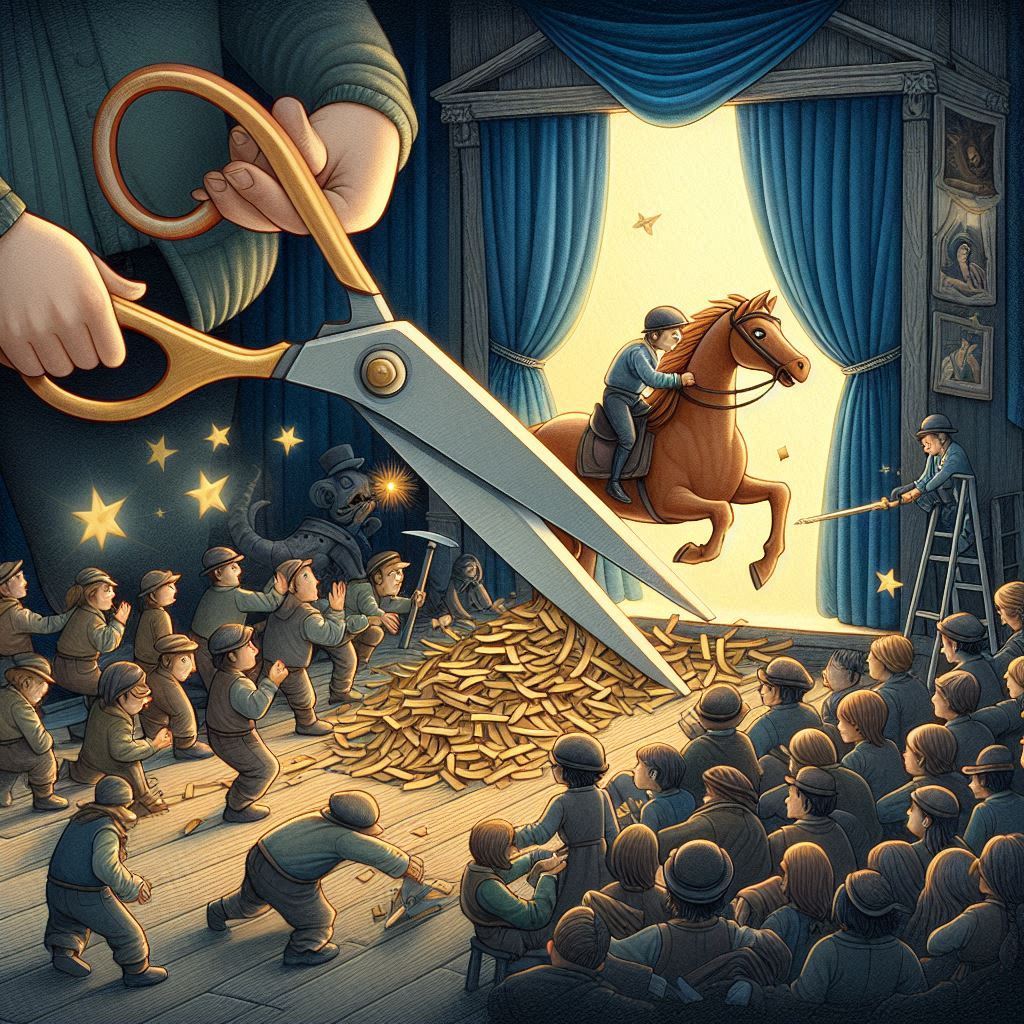
Now that you’ve learned how to identify unnecessary scenes in your novel manuscript, we will now explore various techniques for eliminating scenes that do not advance the plot, develop characters, or enrich the thematic elements of your work. Through careful editing and thoughtful revision, you can streamline your novel, making it a more engaging and cohesive read for your audience.

Writing a novel is a complex and rewarding endeavor, but it often involves creating scenes that may not contribute significantly to the overall narrative. When that happens, the only thing to do is “murder your darlings.”

Here are some strategies for trimming unnecessary scenes effectively:

Continue reading “Strategies for trimming unnecessary scenes from your novel”
Finish Writing Your Novel Now!

How to identify unnecessary scenes in your novel

Identifying unnecessary scenes in your novel is a crucial step in refining your manuscript and ensuring that every moment contributes meaningfully to the story. By learning to recognize and trim these extraneous parts, you can maintain a tight, engaging plot that keeps readers hooked from start to finish. Today, we’ll explore key indicators of unnecessary scenes and learn some practical tips to help you streamline your novel, making it more impactful and enjoyable for your audience

As writers, it’s easy to become attached to every scene we create, but not all scenes serve the greater narrative.

Knowing which scenes to cut can be tricky, but there are a few clear signs that can guide you. Here’s how to pinpoint scenes that may be weighing down your manuscript:

Continue reading “How to identify unnecessary scenes in your novel”
Finish Writing Your Novel Now!

Why you should trim unnecessary scenes from your novel manuscript

As writers, it’s easy to get attached to every scene we create. Each moment feels essential, whether it’s a deep character monologue or a beautifully crafted description of a setting. But sometimes, in the pursuit of a well-rounded, detailed story, we inadvertently pile on scenes that may not serve the greater narrative. The truth is, trimming unnecessary scenes is one of the most effective ways to strengthen your novel. In this post, we’ll discuss why cutting scenes is vital and provide tips on how to identify and trim the fat in your manuscript.

Trimming unnecessary scenes doesn’t mean you’re discarding your creativity—it’s about refining and strengthening your story. Here are a few reasons why trimming is crucial:

Continue reading “Why you should trim unnecessary scenes from your novel manuscript”
Finish Writing Your Novel Now!

What are dialogue mechanics in fiction writing?

Dialogue mechanics refer to the technical aspects of writing dialogue in creative writing. Getting dialogue mechanics right is essential in novel writing because it directly impacts the flow, authenticity, and readability of a story. Dialogue not only reveals character traits and advances the plot but also helps establish the tone and pacing of a scene.

Dialogue mechanics is just one element of ensuring effective flow and readability within your story.

Poorly executed dialogue can feel stilted or forced, interrupting the immersive experience for readers. On the other hand, well-crafted dialogue that follows the rules of mechanics—such as punctuation, speaker tags, and line breaks—enhances clarity, ensuring readers can follow conversations effortlessly. Mastering these elements also enables writers to create natural-sounding exchanges that reflect real-life speech patterns, even in the context of fictional scenarios. Ultimately, dialogue mechanics are a crucial tool for writers to maintain rhythm, build tension, and craft compelling characters.

Continue reading “What are dialogue mechanics in fiction writing?”
Finish Writing Your Novel Now!

How to develop your own narrative voice

Your narrative voice is the unique way you tell your story, characterized by your choice of words, tone, and style. It reflects your personality, experiences, and perspective, making your writing authentic and engaging. Whether you’re a seasoned writer looking to enhance your storytelling or a beginner eager to find your unique voice, these strategies will guide you on your journey to becoming a more confident and expressive writer. Let’s dive in and unlock the power of your narrative voice!

Developing your own narrative voice is a crucial step in becoming a distinctive and compelling writer.

Developing a distinctive narrative voice takes practice, but there are a few strategies that can help:

Continue reading “How to develop your own narrative voice”
Finish Writing Your Novel Now!

Types of voice in fiction writing

Different types of voice can significantly impact how a story is perceived, whether it’s the intimate first-person voice that draws readers into the protagonist’s inner world, the omniscient third-person voice that offers a broader perspective, or the distinctive voice of a particular character that adds depth and authenticity.

In fiction writing, the concept of “voice” is crucial as it shapes the reader’s experience and connection to the story.

There are several different types of voice that an author can choose from, each with its own nuances and effects on the narrative:

Continue reading “Types of voice in fiction writing”
Finish Writing Your Novel Now!

Voice in novel writing: crafting a distinctive and engaging narrative

One of the most captivating aspects of any great novel is its voice. Voice in writing is more than just the words on the page—it’s the personality, tone, and rhythm of the narrative that makes it unique.

How do you (should you?) inject your personal voice into your writing? And then, how do you give each of your character’s their own individual voices?

Whether it’s the quirky, sarcastic tone of a first-person narrator or the elegant, descriptive style of a third-person omniscient narrator, voice can make or break a story. But what exactly is voice in novel writing, and how do you find and refine yours? In this blog post, we’ll dive into the concept of voice, why it matters, and how you can develop a distinctive voice for your own writing.

Continue reading “Voice in novel writing: crafting a distinctive and engaging narrative”
Finish Writing Your Novel Now!

Sophistication in Novel Writing: What It Means and How to Achieve It

In the world of fiction, sophistication is one of the most admired qualities, yet it’s one of the hardest to define. A sophisticated novel doesn’t necessarily have to be literary or filled with complex language. Instead, it often means that a book has depth, subtlety, and layers that draw readers in, encouraging them to think, feel, and engage with the story on multiple levels. In this post, we’ll explore what sophistication in novel writing really means and offer actionable tips to help you add it to your own work.

Luckily, developing sophistication in your fiction writing doesn’t require that you dress the part!

Sophistication in novel writing involves creating a nuanced story with well-developed characters, an authentic voice, and a narrative that respects the reader’s intelligence. It’s about crafting a story that resonates emotionally and intellectually without needing to be flashy or overly complex. In a sophisticated novel, the layers of meaning are woven into the story itself, revealing themselves naturally as the reader progresses. Sophisticated novels often share a few core characteristics:

Continue reading “Sophistication in Novel Writing: What It Means and How to Achieve It”