Independently publishing your novel offers unparalleled creative control and the opportunity to bring your story to readers on your terms. Unlike traditional publishing, where a publishing house manages editing, design, marketing, and distribution, independent publishing puts those responsibilities in your hands. This path allows you to set your own schedule, retain full rights to your work, and earn higher royalties per sale.
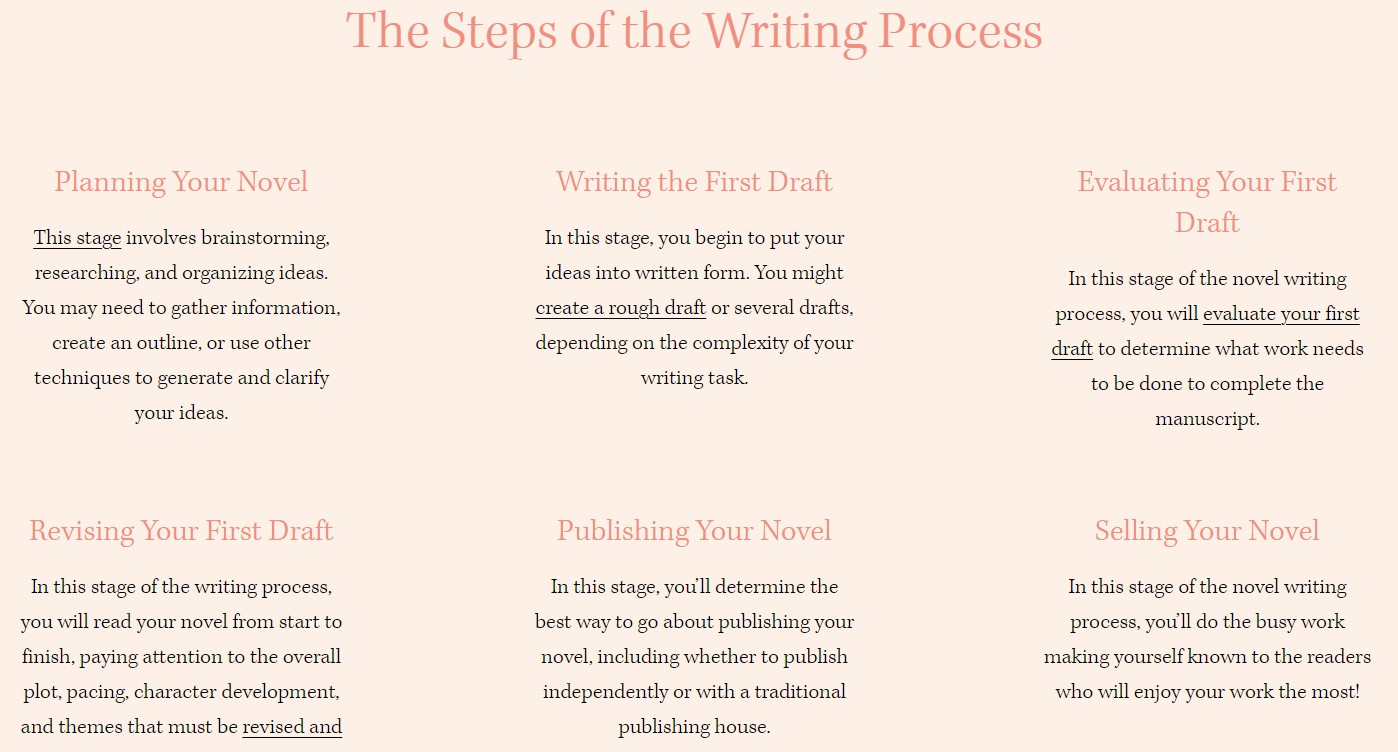
In this series, we’ve reviewed the planning, writing, evaluating, and revising steps of the novel writing process. Now it’s time to publish your novel!
While it requires dedication and strategic planning, self-publishing is an empowering way to share your voice with the world. Here’s a step-by-step guide to help you navigate the independent publishing process and launch your novel successfully.
Independent publishing has revolutionized the way stories reach readers. Once seen as a last resort for authors, it’s now a legitimate and empowering option that offers distinct advantages over traditional publishing. For writers seeking creative control, faster timelines, and a direct connection to their audience, independent publishing can be a game-changer.
In this series, we’ve reviewed the planning, writing, evaluating, and revising steps of the novel writing process. Now it’s time to publish your novel!
One of the greatest benefits of independent publishing is creative control. As an independent author, you retain full authority over every aspect of your book—from the story and title to the cover design and marketing strategy. This freedom allows you to create a product that reflects your unique vision, without the need to compromise to meet the demands of a publishing house.
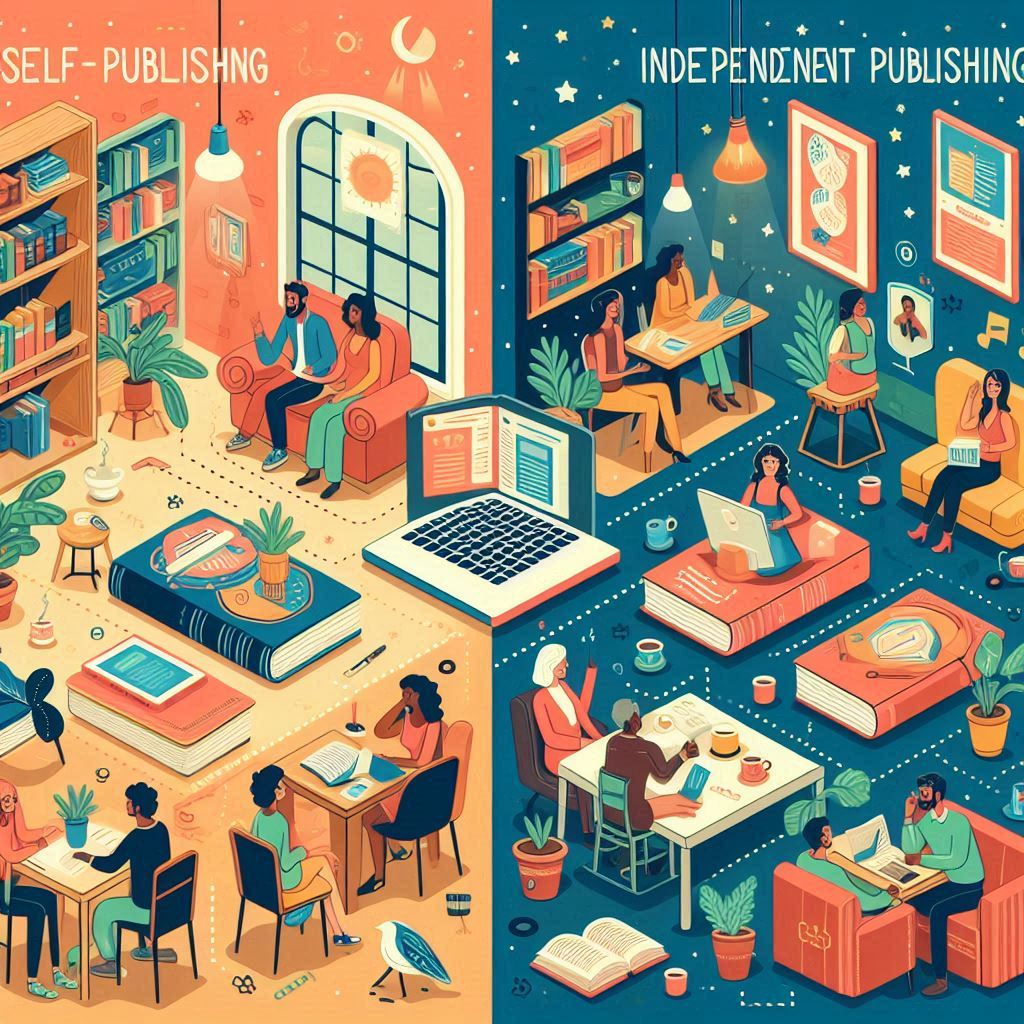
The terms “self-publishing” and “independent publishing” are sometimes used interchangeably, but there are some subtle differences in their meanings. Referring to yourself as “independently published” rather than “self-published” can enhance your professional image and improve the perceived legitimacy of your work. The term “self-published” has historically carried a stigma, often associated with amateur work lacking professional editing, design, or quality control. While this perception is changing, “independently published” signals a deliberate and professional approach to the publishing process.
In this series, we’ve reviewed the planning, writing, evaluating, and revising steps of the novel writing process. Now it’s time to publish your novel!
By calling yourself independently published, you emphasize that you’ve taken on the role of a publisher, overseeing the same critical steps that a traditional publisher would handle—hiring professional editors, designers, and marketers to produce a polished, high-quality book. This distinction suggests a level of professionalism and commitment to producing work that meets industry standards, which can appeal to readers, reviewers, and industry professionals alike. It reframes your work as a serious endeavor, on par with traditionally published books, and highlights your entrepreneurial spirit in bringing your book to life.
Once you’ve finished writing your novel, the next crucial step is formatting it correctly for submission to literary agents or publishers. A poorly formatted novel manuscript is likely to be quickly rejected by a traditional publisher. A sloppy manuscript can reflect poorly on the author’s professionalism and attention to detail. Additionally, it can be difficult to read, negatively impacting the reader’s experience.
In this series, we’ve reviewed the planning, writing, evaluating, and revising steps of the novel writing process. Now it’s time to publish your novel!
Proper formatting can significantly impact your manuscript’s professional appearance and readability. Here’s a comprehensive guide to formatting your novel manuscript for traditional publishing:
Getting your novel published by a traditional publisher can feel like an ambitious dream, but with preparation and perseverance, it is achievable. Traditional publishing involves partnering with an established publishing house, such as Penguin Random House or HarperCollins, which takes on the responsibility of editing, designing, marketing, and distributing your book.
In this series, we’ve reviewed the planning, writing, evaluating, and revising steps of the novel writing process. Now it’s time to publish your novel!
Unlike independent publishing, where authors take on much of this work themselves, traditional publishers typically pay an advance and earn their profits through book sales, splitting royalties with the author. If your goal is to see your book on bookstore shelves with the backing of an experienced team, check out the following general steps to getting your novel published by a traditional publisher:
Traditional publishing in the fiction world is the process of publishing a book through a traditional publishing house such as Penguin Random House, HarperCollins, or Simon & Schuster. The process typically involves submitting a manuscript to a literary agent, who then pitches it to publishers on the author’s behalf. If a publisher is interested in the manuscript, they will offer the author a publishing contract, which includes an advance against royalties, editorial services, and book distribution.
In this series, we’ve reviewed the planning, writing, evaluating, and revising steps of the novel writing process. Now it’s time to publish your novel! Should you go the traditional route or publish your novel independently?
In traditional publishing, the publisher assumes most of the financial risk associated with publishing a book, such as the cost of editing, cover design, printing, and marketing. In exchange, the publisher takes a percentage of the book’s sales revenue. Traditional publishing is often seen as the “gold standard” of book publishing, as it provides a level of prestige, credibility, and distribution that can be difficult to achieve through other publishing avenues. However, the process of getting published through a traditional publisher can be highly competitive, and rejection rates are often high.
It’s crucial for authors to understand the benefits and risks of both traditional and independent publishing because the path you choose can significantly impact your writing career, creative control, and financial outcomes. Traditional publishing offers the advantages of an experienced team to guide your book through editing, design, marketing, and distribution, often providing wider reach and credibility. However, it also comes with risks, such as lengthy timelines, less creative control, and the challenge of securing a publishing deal in a highly competitive industry.
In this series, we’ve reviewed the planning, writing, evaluating, and revising steps of the novel writing process. Now it’s time to publish your novel! Should you go the traditional route or publish your novel independently?
Conversely, independent publishing grants full control over your work, quicker turnaround times, and higher royalty percentages, but it also requires substantial effort and resources. You’ll be responsible for funding and managing essential tasks like editing, cover design, and marketing. Without a clear understanding of these trade-offs, authors might find themselves unprepared for the demands of their chosen route, leading to unmet expectations or financial strain. By weighing the benefits and risks, you can make an informed decision aligned with your goals, skills, and resources, ensuring a smoother journey to publication and beyond.
Now that you have written your novel and polished it to perfection, it’s time to enter the next phase of the novel writing process. While it might feel like the finish line is in sight, publishing is actually an integral part of the journey, not just the end point. It’s the bridge between your story and its audience, and how you approach this step can make all the difference in how your book finds its readers. Whether you’re aiming for a traditional publisher or planning to self-publish, viewing publishing as an essential step of the novel writing process will help you prepare for what’s to come and set your novel up for success.
In this series, we’ve reviewed the planning, writing, evaluating, and revising steps of the novel writing process. Now it’s time to publish your novel!
Writing a novel is a deeply personal and creative endeavor, but its ultimate purpose is to be read. By thinking about publishing as you write, you can better shape your story to meet the needs of your intended audience and the expectations of your chosen publishing path, whether traditional or independent.
When it comes to editing and proofreading your novel manuscript, one of the most valuable steps you can take is to review it in multiple formats. While most writers are familiar with the basic practice of editing in a Word document, there are significant advantages to seeing your work in different forms, such as ePub on a phone or tablet, in print, or even reading it aloud.
Printing your novel manuscript on paper can help you spot errors you might otherwise miss.
Each format provides a fresh perspective, revealing unique errors, inconsistencies, and areas for improvement that might go unnoticed in just one version. In this blog post, we’ll explore why editing and proofreading your novel across different formats is a crucial step toward ensuring your manuscript is polished, professional, and ready for readers.
Proofreading is the process of carefully reviewing a written document for errors in spelling, grammar, punctuation, formatting, and other issues. It is the final stage of the revise and refine step of the novel writing process. The goal of proofreading is to catch any mistakes that may have been missed during the writing, revising, and editing processes, and to ensure that the final document is error-free and polished.
Proofreading is a crucial last step in the revise and refine stage of the novel writing process.
Proofreading typically involves reading through the document word-by-word and line-by-line, and making corrections as needed. This may include fixing typos, correcting grammar and punctuation errors, and ensuring that the document follows a consistent style and formatting. Proofreading is an important final task in the revise and refine stage of the novel writing process and is often done before submitting a document to an agent or editor or prior to independently publishing the work.









 Write on the World