Autobigraphy, Finish Writing Your Novel Now!

How to write an autobiography: Telling the full story of your life

We often hear “memoir” and “autobiography” used interchangeably, but they serve very different purposes. A memoir is a slice of life—a deep dive into a particular time, theme, or transformation. An autobiography, by contrast, is your full life story—from childhood through the present. It’s the comprehensive telling of who you are and how you became that person, meant to offer not just facts but also meaning.
An autobiography attempts to tell the full story of a person’s life, typically in chronological order. It starts at or near the beginning—childhood, family background—and proceeds through adulthood, covering major events, accomplishments, and lessons learned. Think of it as a wide-angle lens: an overview of a life from beginning to (almost) end.

In this post, we’ll look at how to write a true autobiography. And if you’ve been following my series on going back to basics and applying the steps of the novel writing process to your own work, you’ll be pleased to know the same steps apply here. Whether you’re writing fiction or nonfiction, the process of planning, structuring, drafting, and revising holds up. The main differences lie in where your material comes from—memory and research rather than imagination—and how you go about shaping your story.

Continue reading “How to write an autobiography: Telling the full story of your life”
Finish Writing Your Novel Now!, Memoir

Memoir vs. autobiography: What’s the difference—and why it matters

If you’ve ever wondered what separates a memoir from an autobiography, you’re not alone—it all comes down to scope and storytelling style. When browsing the nonfiction shelves or choosing your next book club pick, you’ve likely seen the terms memoir and autobiography used almost interchangeably. While they both draw from real lives, these two forms of life writing are distinct in both structure and purpose. Understanding the difference isn’t just helpful for readers—it’s essential for writers, too.

While it’s common to write an autobiography in a formal or even academic tone, a memoir leaves more room for the imagination.

Autobiography: The Whole Life

An autobiography attempts to tell the full story of a person’s life, typically in chronological order. It starts at or near the beginning—childhood, family background—and proceeds through adulthood, covering major events, accomplishments, and lessons learned. Think of it as a wide-angle lens: an overview of a life from beginning to (almost) end.

Continue reading “Memoir vs. autobiography: What’s the difference—and why it matters”
Book Reviews, Find Your Next Read

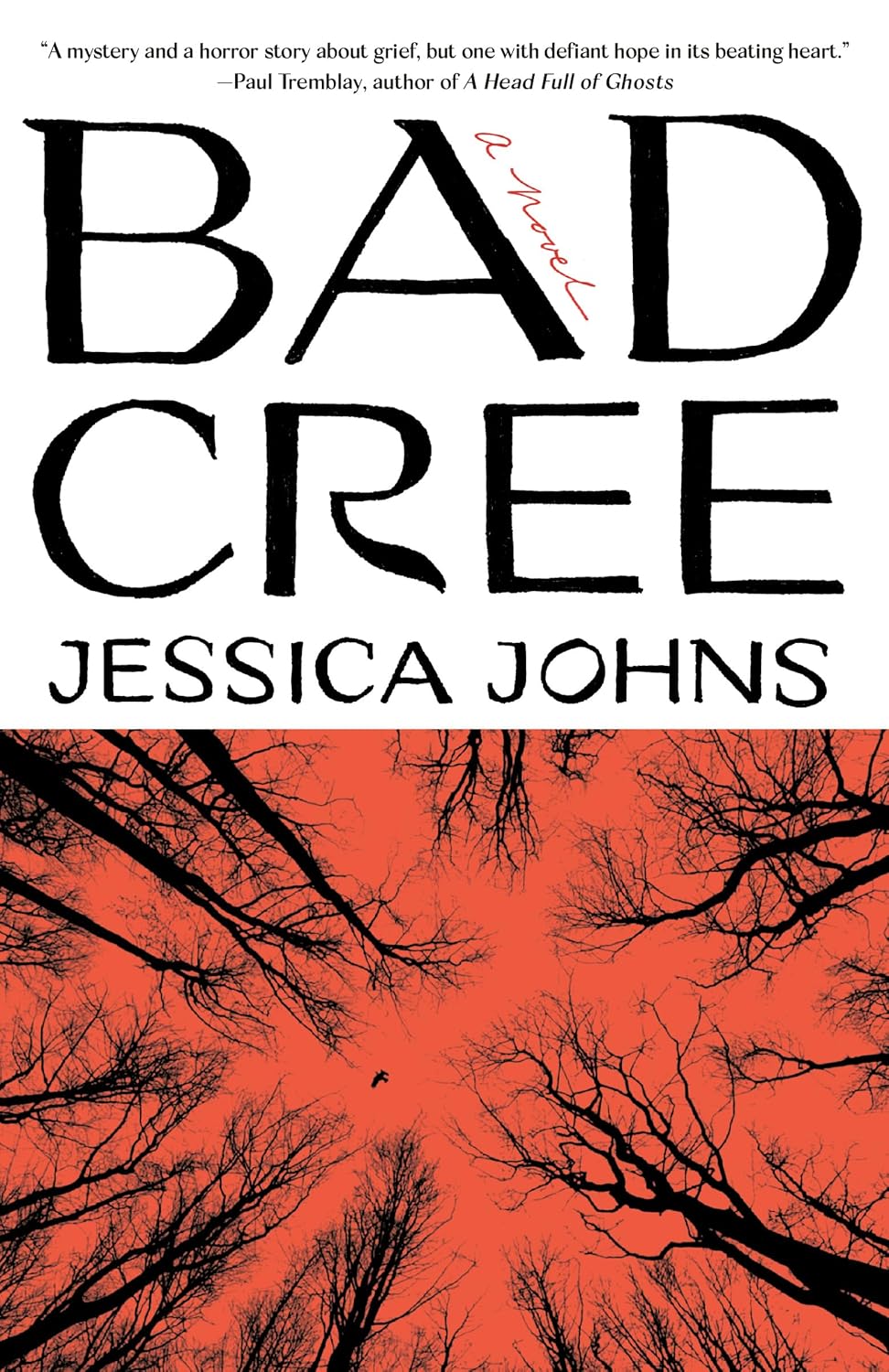
Why you shouldn’t sleep on Jessica Johns’ Bad Cree: A chilling debut about family, grief, and survival

What begins with a severed crow’s head and a haunting dream evolves into something far more layered in Bad Cree, Jessica Johns’ eerie and powerful debut. This genre-blending novel offers readers a gripping supernatural mystery while also digging deep into themes of grief, intergenerational trauma, and the quiet, often unseen strength of women supporting one another through pain.

Get your copy of Bad Cree from my independent online bookstore today!

When Mackenzie wakes to find a crow’s head in her hands—only to have it vanish—she can no longer ignore the disturbing dreams that have been plaguing her. As her waking world becomes increasingly infected by her nightmares, she leaves Vancouver for her hometown in Alberta to reconnect with the family she left behind. At first, she fears the worst: her mother and sister are furious with her for skipping her sister Sabrina’s funeral. The stage is set for major emotional fallout—but instead of fracturing further, the women in Mackenzie’s family do something more surprising: they show up for each other.

Continue reading “Why you shouldn’t sleep on Jessica Johns’ Bad Cree: A chilling debut about family, grief, and survival”
Finish Writing Your Novel Now!

What are the steps for publishing your novel independently?

Independently publishing your novel offers unparalleled creative control and the opportunity to bring your story to readers on your terms. Unlike traditional publishing, where a publishing house manages editing, design, marketing, and distribution, independent publishing puts those responsibilities in your hands. This path allows you to set your own schedule, retain full rights to your work, and earn higher royalties per sale.

In this series, we’ve reviewed the planning, writing, evaluating, and revising steps of the novel writing process. Now it’s time to publish your novel!

While it requires dedication and strategic planning, self-publishing is an empowering way to share your voice with the world. Here’s a step-by-step guide to help you navigate the independent publishing process and launch your novel successfully.

Continue reading “What are the steps for publishing your novel independently?”
Finish Writing Your Novel Now!

What are the benefits of independent publishing?

Independent publishing has revolutionized the way stories reach readers. Once seen as a last resort for authors, it’s now a legitimate and empowering option that offers distinct advantages over traditional publishing. For writers seeking creative control, faster timelines, and a direct connection to their audience, independent publishing can be a game-changer.

In this series, we’ve reviewed the planning, writing, evaluating, and revising steps of the novel writing process. Now it’s time to publish your novel!

One of the greatest benefits of independent publishing is creative control. As an independent author, you retain full authority over every aspect of your book—from the story and title to the cover design and marketing strategy. This freedom allows you to create a product that reflects your unique vision, without the need to compromise to meet the demands of a publishing house.

Continue reading “What are the benefits of independent publishing?”
Book Reviews, Find Your Next Read

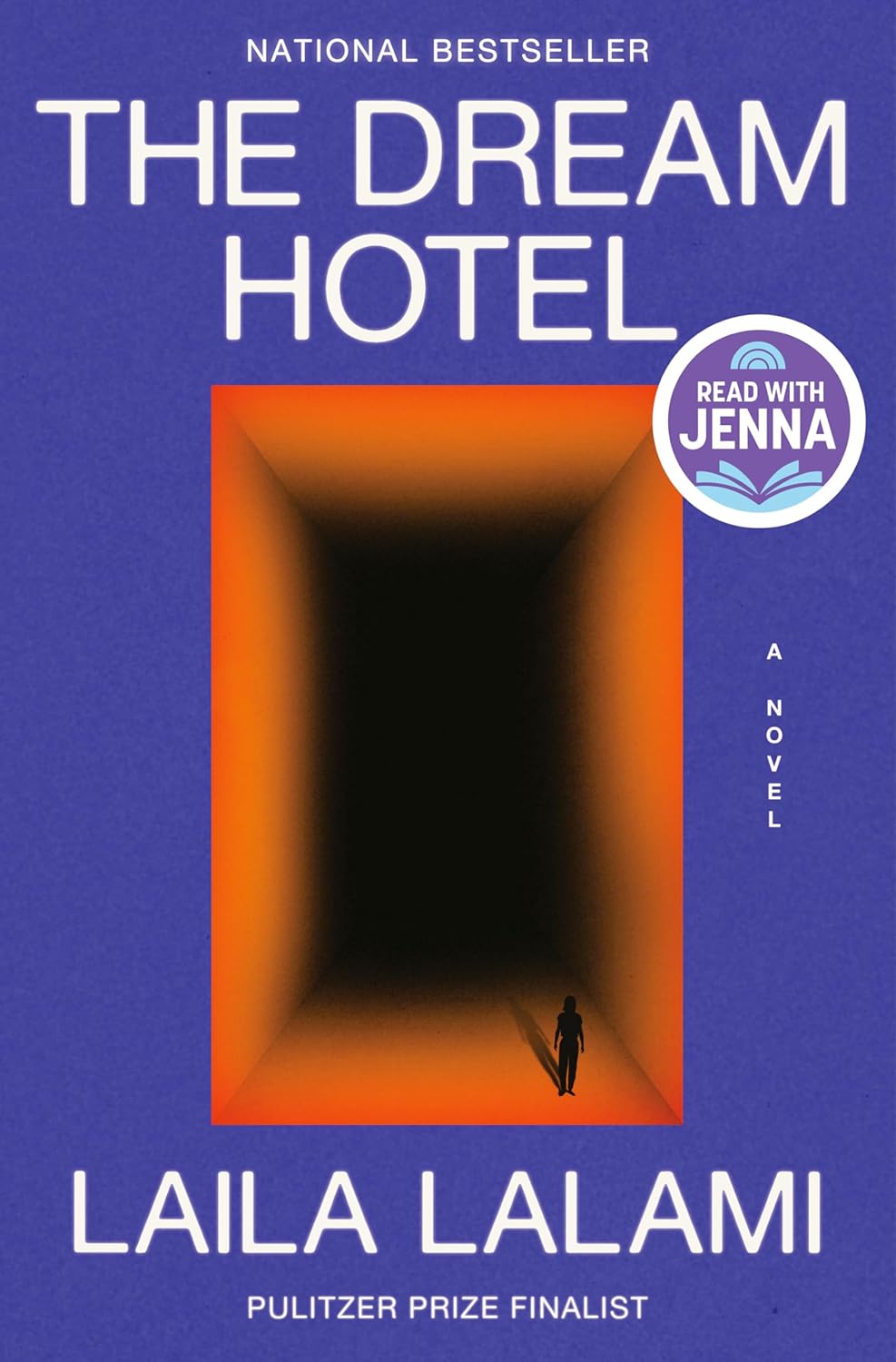
What if your dreams could incriminate you? A review of The Dream Hotel by Laila Lalami

Laila Lalami’s The Dream Hotel is one of the most urgent and unputdownable novels I’ve read in years. I devoured it in a single day, heart pounding and mind racing, both captivated by its story and shaken by how plausible it all feels. Set in a chillingly believable future where artificial intelligence and corporate surveillance have penetrated even our subconscious minds, the book offers a harrowing exploration of power, privacy, and resistance—especially for women.

Get your copy of The Dream Hotel from my independent online bookstore today!

When Sara returns home from an overseas trip, she’s abruptly detained by the Risk Assessment Administration and told that, based on an algorithm analyzing her dreams, she is likely to commit a violent crime against her husband. She’s placed in a detention center with other “dreamers,” all women, all accused not of what they’ve done, but of what they might do. With every misstep—real or perceived—their stay is extended, and their ability to prove their innocence slips further out of reach.

Continue reading “What if your dreams could incriminate you? A review of The Dream Hotel by Laila Lalami”
Finish Writing Your Novel Now!

What’s the difference between self-publishing and independent publishing?

The terms “self-publishing” and “independent publishing” are sometimes used interchangeably, but there are some subtle differences in their meanings. Referring to yourself as “independently published” rather than “self-published” can enhance your professional image and improve the perceived legitimacy of your work. The term “self-published” has historically carried a stigma, often associated with amateur work lacking professional editing, design, or quality control. While this perception is changing, “independently published” signals a deliberate and professional approach to the publishing process.

In this series, we’ve reviewed the planning, writing, evaluating, and revising steps of the novel writing process. Now it’s time to publish your novel!

By calling yourself independently published, you emphasize that you’ve taken on the role of a publisher, overseeing the same critical steps that a traditional publisher would handle—hiring professional editors, designers, and marketers to produce a polished, high-quality book. This distinction suggests a level of professionalism and commitment to producing work that meets industry standards, which can appeal to readers, reviewers, and industry professionals alike. It reframes your work as a serious endeavor, on par with traditionally published books, and highlights your entrepreneurial spirit in bringing your book to life.

Continue reading “What’s the difference between self-publishing and independent publishing?”
Call for Submissions, Writing Prompts

Sharpen your skills: Why writers need regular exercises (Plus a 350-word prompt!)

Even the most seasoned authors need practice. Just like athletes train their bodies, writers must train their minds and creative muscles. Regular writing exercises aren’t just a warm-up—they’re essential for growth. Whether you’re working on a novel, poetry, or short fiction, small prompts can help you hone your voice, explore new ideas, and build confidence on the page.

Hey, writers! We want YOU to submit your writing to our upcoming Bad Moon on the Rise anthology! Learn more here!

One of the most valuable benefits of regular writing practice? It teaches you to write concisely. When you’re forced to distill a story down to its essence, every word matters. You learn to tighten your prose, heighten your stakes, and let your ideas breathe in a limited space. That’s a skill that serves you well whether you’re submitting to literary journals, writing query letters, or polishing your latest manuscript.

Continue reading “Sharpen your skills: Why writers need regular exercises (Plus a 350-word prompt!)”
Book Reviews, Find Your Next Read

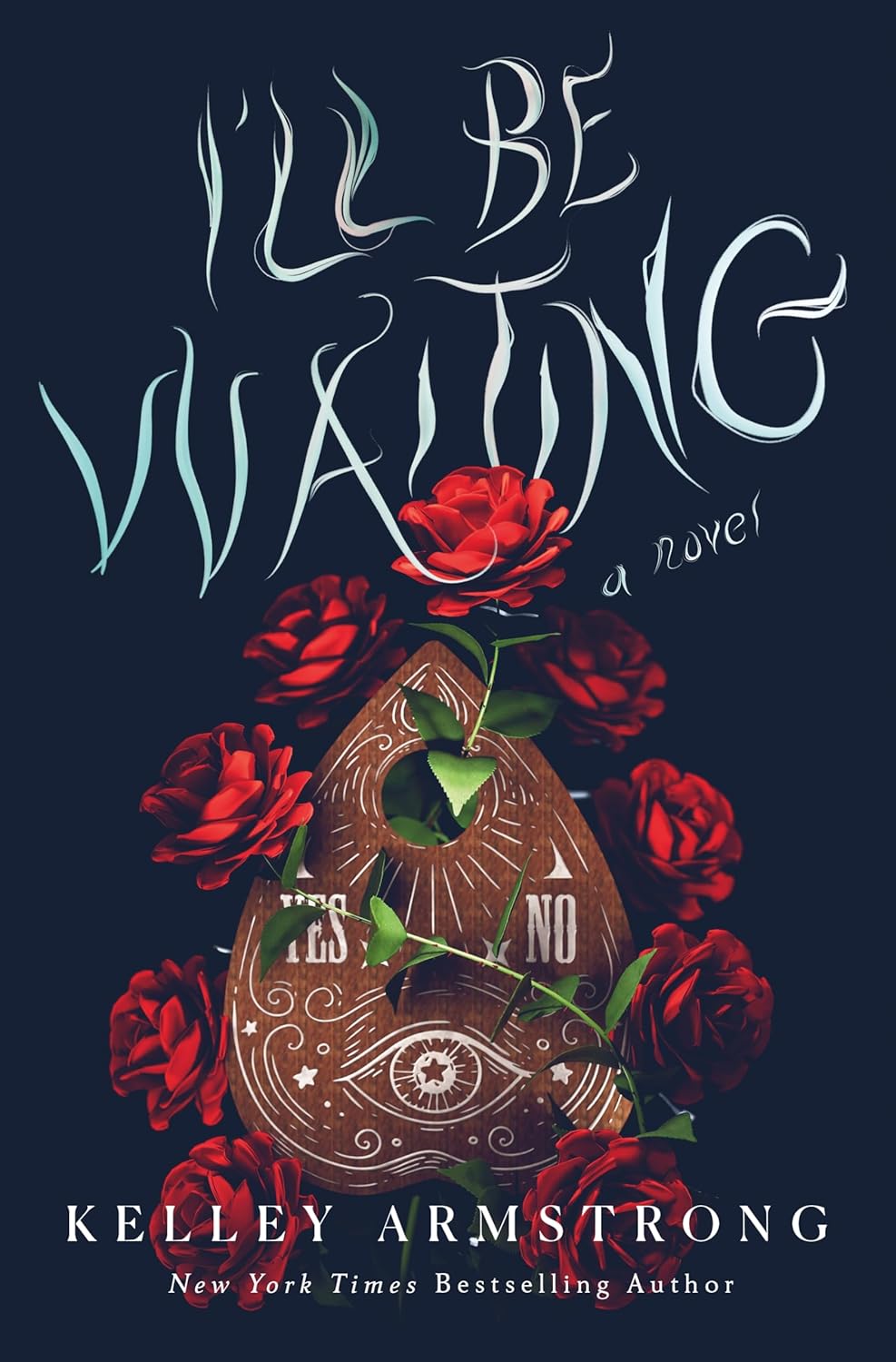
I’ll Be Waiting is so creepy, I had to stop reading it at night!

Kelley Armstrong’s latest horror novel isn’t just chilling—it’s emotionally haunting in a way that lingers long after the lights are out. Most of my reading happens right before I go to bed, but I’ll Be Waiting by Kelley Armstrong made that nearly impossible. Every chapter brims with tension so expertly crafted that I found myself burrowing into my comforter at night to hide every part of myself from whatever might lurk in the shadows. But beyond the scares—and there are plenty—it’s also a story about grief, illness, and the unexpected twists in a life already marked by limited time.

Get your copy of I’ll Be Waiting from my independent online bookstore today!

We meet Nicola Laughton in her thirties, a woman who was never supposed to live that long. Diagnosed with Cystic Fibrosis (CF) as a child, she beat the odds thanks to medical advances. She even allowed herself to fall in love. Anton was her future—the person who taught her to hope for more than just survival. The two were married for only a couple of years before a car crash left Nicola widowed. Anton’s final words to his wife—“I’ll be waiting for you”—became both a deeply personal haunting and a viral social media curiosity.

Continue reading “I’ll Be Waiting is so creepy, I had to stop reading it at night!”
Finish Writing Your Novel Now!

How to format your novel manuscript for traditional publishing

Once you’ve finished writing your novel, the next crucial step is formatting it correctly for submission to literary agents or publishers. A poorly formatted novel manuscript is likely to be quickly rejected by a traditional publisher. A sloppy manuscript can reflect poorly on the author’s professionalism and attention to detail. Additionally, it can be difficult to read, negatively impacting the reader’s experience.

In this series, we’ve reviewed the planning, writing, evaluating, and revising steps of the novel writing process. Now it’s time to publish your novel!

Proper formatting can significantly impact your manuscript’s professional appearance and readability. Here’s a comprehensive guide to formatting your novel manuscript for traditional publishing:

Continue reading “How to format your novel manuscript for traditional publishing”