Amanda L. Webster is the author of If You Didn't See It Coming, One Bad Cat, Demons of the Night, DIY High, Valley of the Bees, and F-ing Freddy Fisher. She is also a writing teacher who lives part-time in a sorority house.
Getting your novel published by a traditional publisher can feel like an ambitious dream, but with preparation and perseverance, it is achievable. Traditional publishing involves partnering with an established publishing house, such as Penguin Random House or HarperCollins, which takes on the responsibility of editing, designing, marketing, and distributing your book.
In this series, we’ve reviewed the planning, writing, evaluating, and revising steps of the novel writing process. Now it’s time to publish your novel!
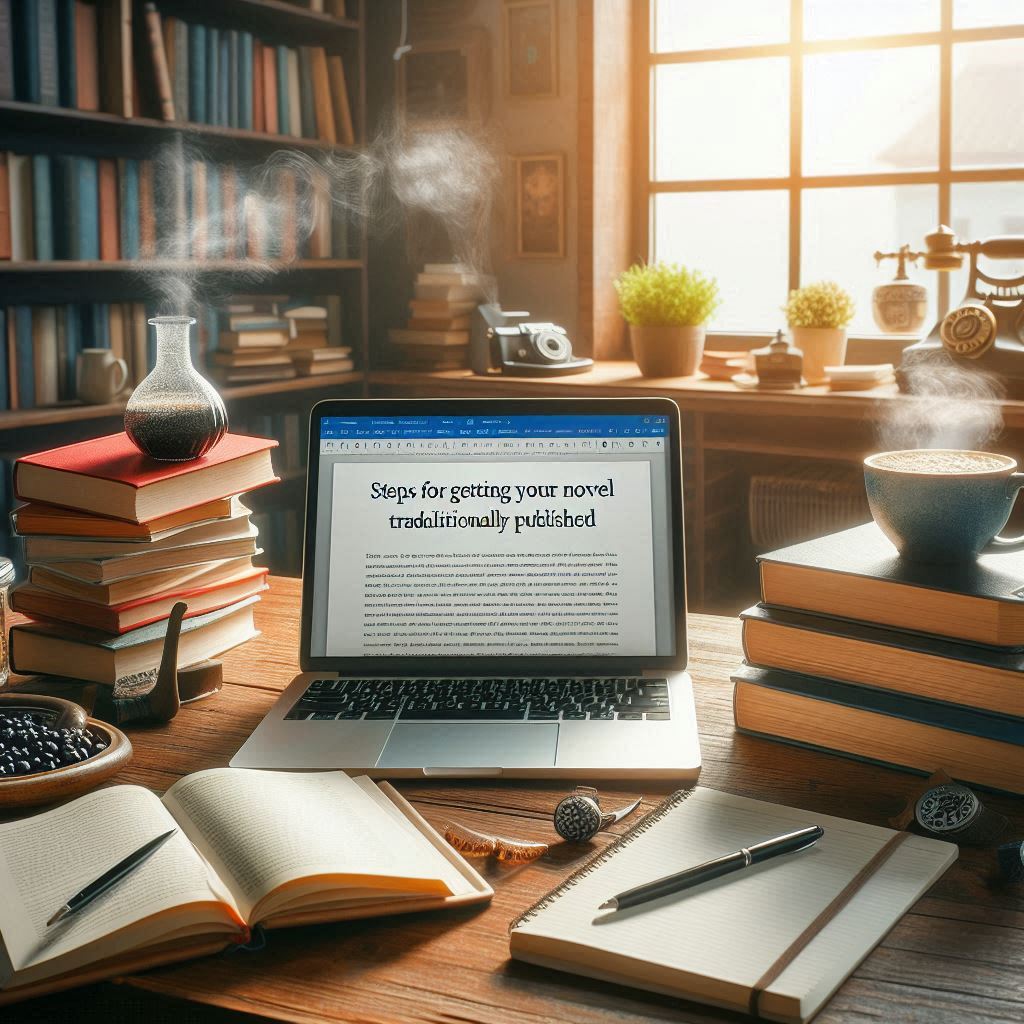
Unlike independent publishing, where authors take on much of this work themselves, traditional publishers typically pay an advance and earn their profits through book sales, splitting royalties with the author. If your goal is to see your book on bookstore shelves with the backing of an experienced team, check out the following general steps to getting your novel published by a traditional publisher:
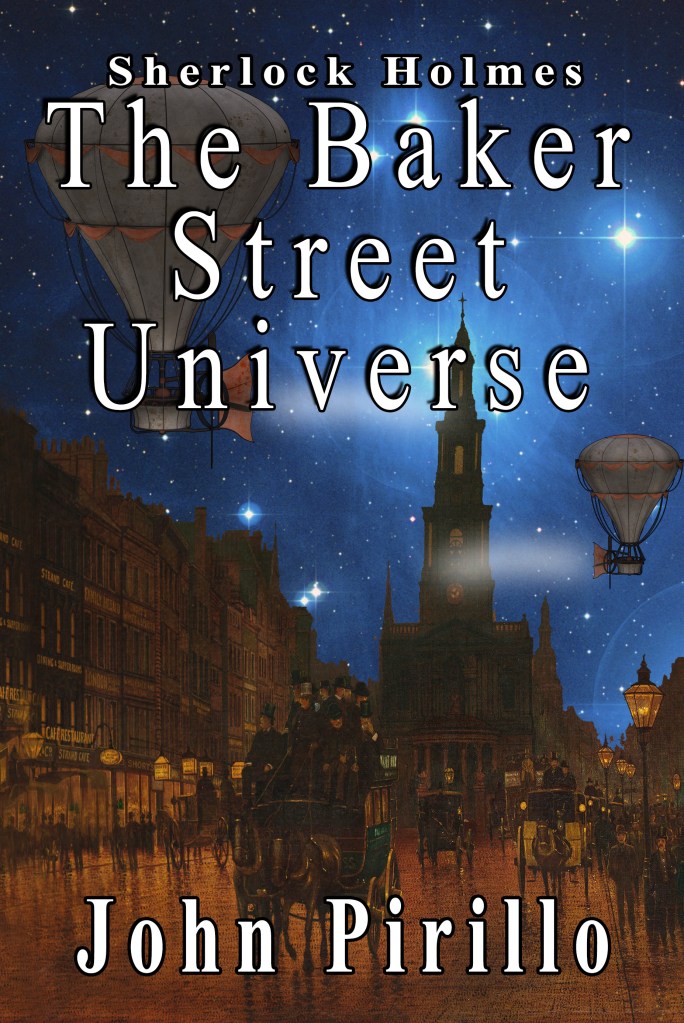
Step into a world where Sherlock Holmes rubs elbows with Houdini, Nikola Tesla powers fantastical inventions, and characters from classic literature walk side by side in a richly imagined alternate universe. Author John Pirillo, creator of The Baker Street Universe, has spent a lifetime steeped in the stories of Verne, Wells, and Conan Doyle—tales that not only sparked his love for reading but also ignited a boundless creative drive. In this interview, Pirillo shares how childhood afternoons buried in books turned into a lifelong passion for storytelling, why human decency is the heartbeat of his fiction, and how a cluttered writing space and a cold Zevia Cola help him bring entire worlds to life.
John Pirillo’s Baker Street Universe series is a genre-blending tribute to the golden age of imagination, where anything is possible and no hero stands alone. Set in an alternate Victorian-era London, the stories blend mystery, adventure, and speculative science as Holmes, Watson, and a rotating cast—including Houdini, Tesla, and Verne—team up to face threats that span dimensions and defy logic. It’s a genre-blending tribute to the golden age of imagination, where anything is possible and no hero stands alone.
Q: What/who were your early literary influences, and how do you think their writing has shaped you as a storyteller today? A: My earliest literary influences were the class comics of the fifties…My parents would read to me War of the Worlds, Journey to the Center of the Earth, and then later Atom Age Combat, GI Joe, Superman, Spiderman, Challengers of the Unknown, then when I could read for myself from libraires…Edgar Rice Burroughs…everything. Robert Heinlein. Isaac Asimov, L. Sprague de Camp, A.E. Van Vogt, Sherlock Holmes, Agatha Christie, Jules Verne, H.G. Wells…and pretty much any book I could get my hands on to read…from autobiographies to biographies, science, art and so on.
Traditional publishing in the fiction world is the process of publishing a book through a traditional publishing house such as Penguin Random House, HarperCollins, or Simon & Schuster. The process typically involves submitting a manuscript to a literary agent, who then pitches it to publishers on the author’s behalf. If a publisher is interested in the manuscript, they will offer the author a publishing contract, which includes an advance against royalties, editorial services, and book distribution.
In this series, we’ve reviewed the planning, writing, evaluating, and revising steps of the novel writing process. Now it’s time to publish your novel! Should you go the traditional route or publish your novel independently?
In traditional publishing, the publisher assumes most of the financial risk associated with publishing a book, such as the cost of editing, cover design, printing, and marketing. In exchange, the publisher takes a percentage of the book’s sales revenue. Traditional publishing is often seen as the “gold standard” of book publishing, as it provides a level of prestige, credibility, and distribution that can be difficult to achieve through other publishing avenues. However, the process of getting published through a traditional publisher can be highly competitive, and rejection rates are often high.
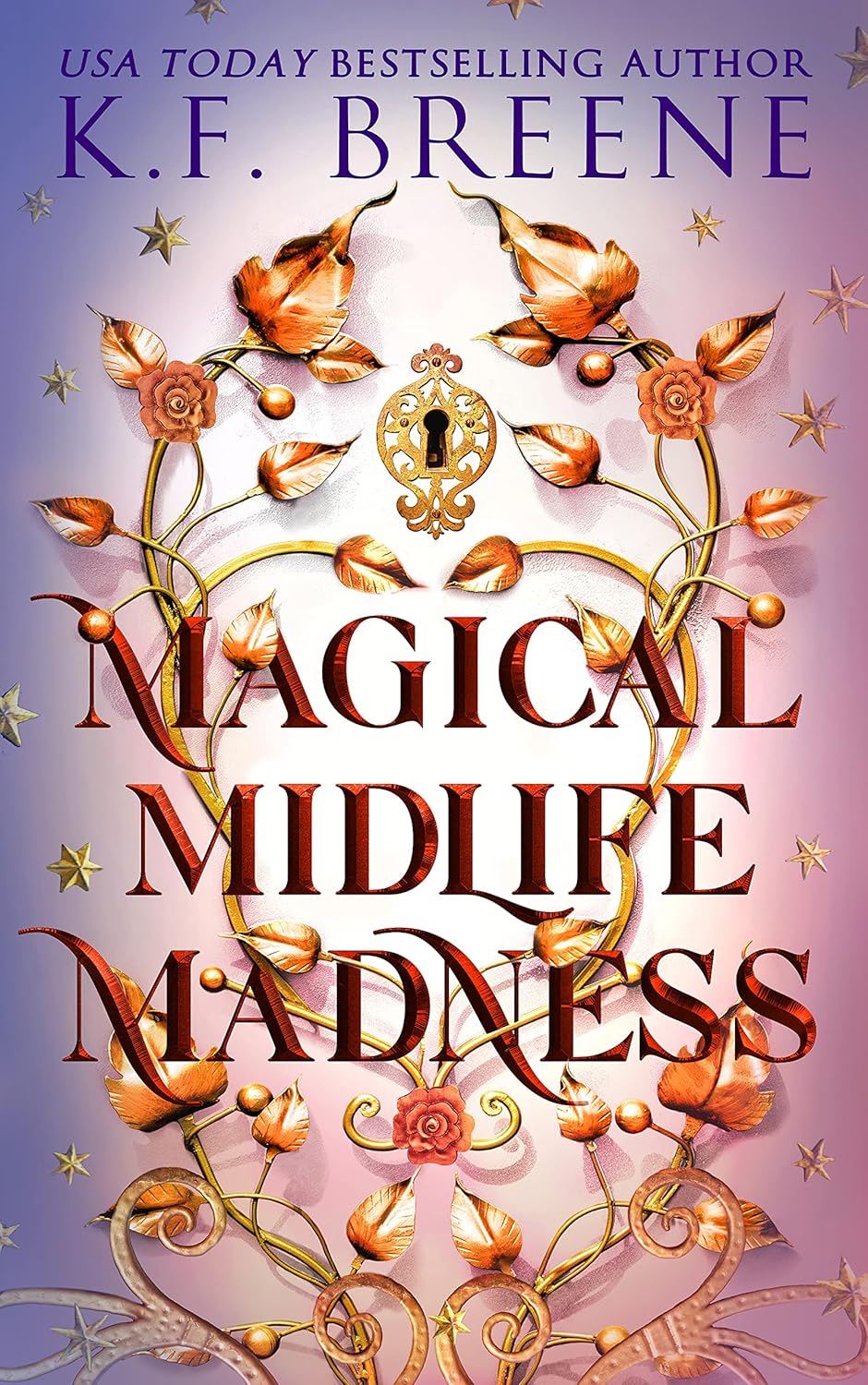
What if your midlife crisis turned out to be the best thing that ever happened to you? In Magical Midlife Madness, bestselling indie author K.F. Breene hands the reins of power to a 40-year-old woman who’s finally had enough—and the result is a hilarious, empowering, and refreshingly real fantasy adventure.
Jacinta, who prefers Jess (or Jessie, depending on who’s talking), doesn’t crumble when her husband of 20 years announces he’s leaving her. In fact, she breathes a sigh of relief—and I cheered right along with her. Their relationship, more habit than love, was the kind that too many women stay in because it feels “easier.” But not Jess. She sees the exit as a second chance, and with her son off to college, she packs up and heads to a strange old house in a quiet Sierra foothills town that has tugged at her memory since childhood.
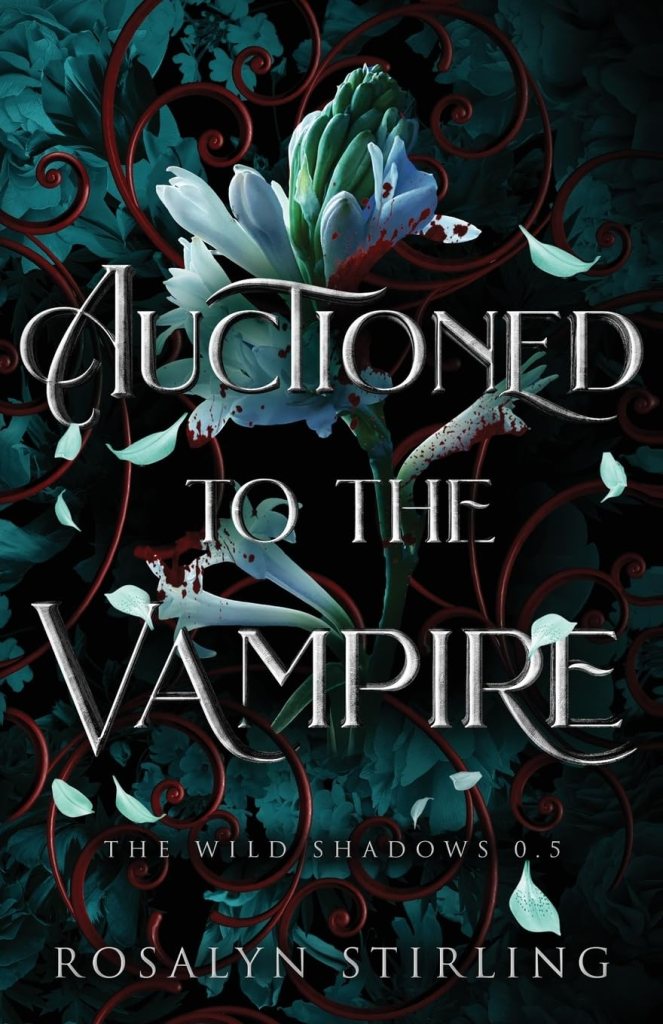
Ever wonder what would happen if the villain got the girl—and you rooted for it? Fantasy romance author Rosalyn Stirling has built a world where demons tempt, love defies the odds, and happily ever afters are anything but predictable. In this interview, she shares how fast-drafting helps her battle imposter syndrome, why she embraces all forms of storytelling, and what’s next for her wildly addictive Wild Shadows Series. Whether you’re already a fan or just discovering her work, you won’t want to miss this deep dive into Rosalyn’s writing world.
In Auctioned to the Vampire, barmaid Nemera risks everything to help a captive virgin vampire escape the underground pleasure market. What begins as an act of mercy turns into a steamy, intoxicating romance, fueled by desire—and venom. As danger closes in, she must choose between her own safety and the vampire who’s claimed her heart.
Q: Who are some of your favorite authors that you feel were influential in your work? What impact have they had on your writing? A: At heart, I’m just a romantasy fangirl who loves prancing about in my imagination for longer than might be socially acceptable. That said, I have so many authors whose books I love. And I think the way these stories captured my imagination is something I try to emulate in my own writing. One of my favorite series is ACOTAR (A Court of Thorns and Roses) by Sarah J. Maas. I am and will always be a Rhys girl. I also love Fourth Wing, Nevernight, and all of Katee Robert’s books.
Outside of romantasy, I really enjoyed Lights Out and Pucking Around (on the contemporary/dark romance side of things), manga, and web comics. I don’t believe there’s a “superior” form of media, and I think any way a person can find joy in the media they consume is perfectly valid, whether that’s books, magazines, comics, manga, graphic novels, tv shows, or anything else. Do what you love. As for the impact these various forms of media have had on my work… They taught me to let myself to unabashedly gush about stories and write what I love to read.
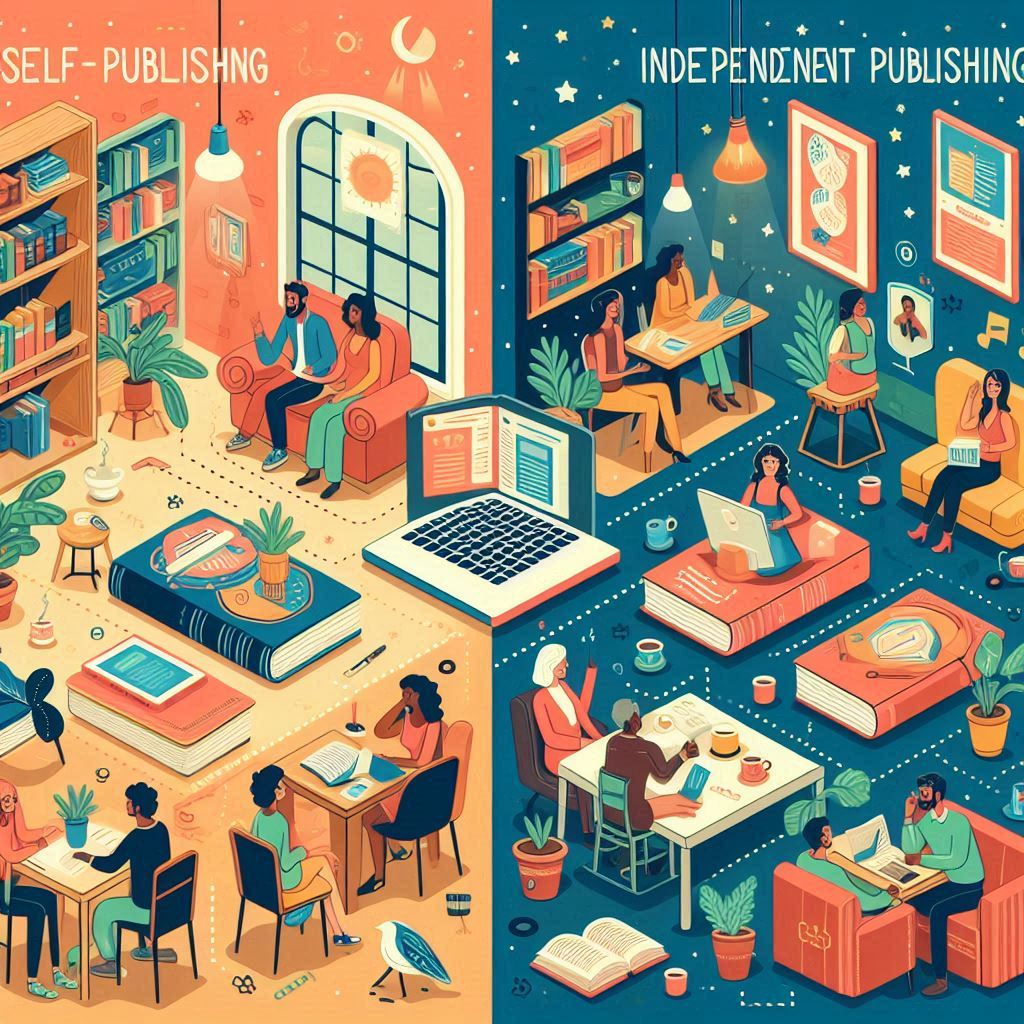
It’s crucial for authors to understand the benefits and risks of both traditional and independent publishing because the path you choose can significantly impact your writing career, creative control, and financial outcomes. Traditional publishing offers the advantages of an experienced team to guide your book through editing, design, marketing, and distribution, often providing wider reach and credibility. However, it also comes with risks, such as lengthy timelines, less creative control, and the challenge of securing a publishing deal in a highly competitive industry.
In this series, we’ve reviewed the planning, writing, evaluating, and revising steps of the novel writing process. Now it’s time to publish your novel! Should you go the traditional route or publish your novel independently?
Conversely, independent publishing grants full control over your work, quicker turnaround times, and higher royalty percentages, but it also requires substantial effort and resources. You’ll be responsible for funding and managing essential tasks like editing, cover design, and marketing. Without a clear understanding of these trade-offs, authors might find themselves unprepared for the demands of their chosen route, leading to unmet expectations or financial strain. By weighing the benefits and risks, you can make an informed decision aligned with your goals, skills, and resources, ensuring a smoother journey to publication and beyond.
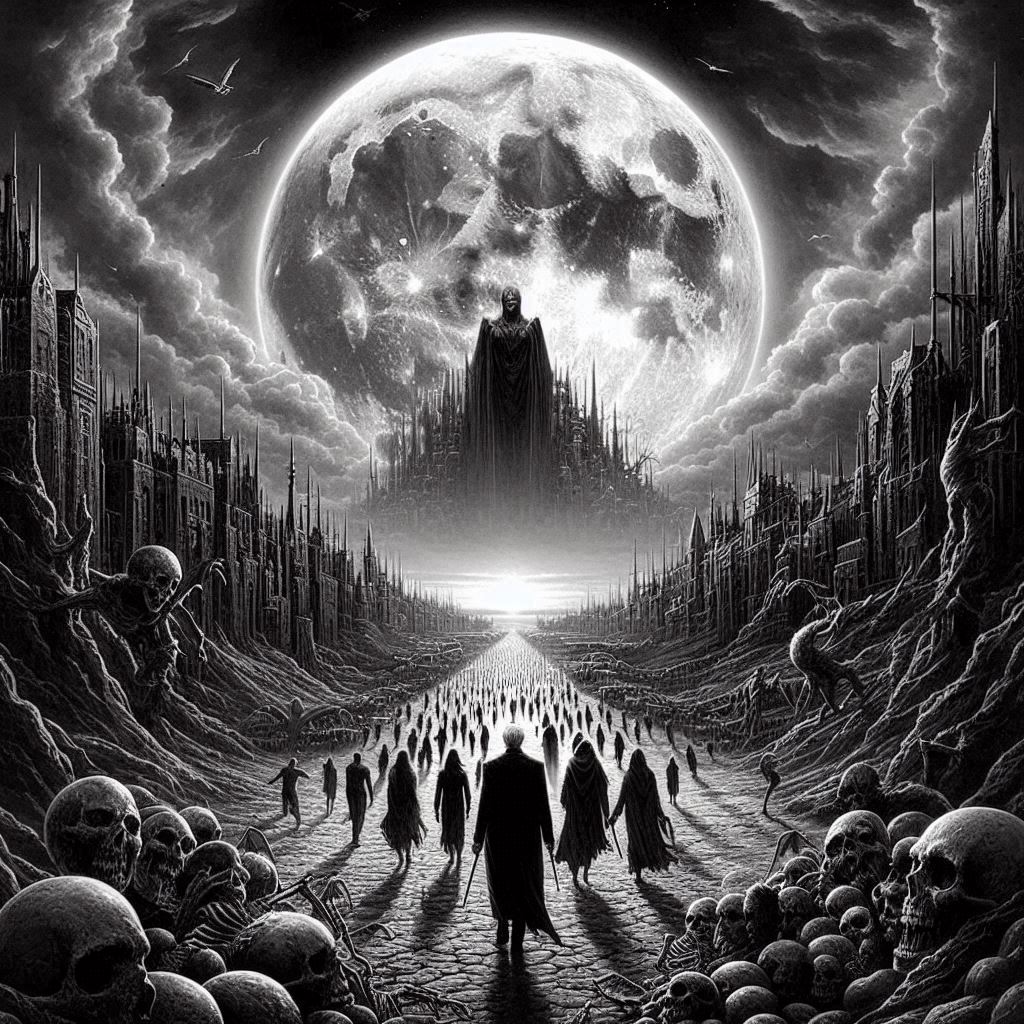
Something is stirring in the shadows—and Elderfly Press wants you to capture it. Submissions are now open for Bad Moon on the Rise, a new anthology that delves into what it means to live under a dark sky—literally or metaphorically. Whether you’re drawn to haunted landscapes, personal reckonings, or the eerie quiet of things unraveling, this is your chance to contribute to a collection where strange winds and long-buried truths come to light.
What Elderfly Press is looking for:
This anthology invites a wide range of voices and forms:
Genre fiction: horror, speculative, gothic, dystopian, weird, sci-fi, supernatural—anything that chills, disturbs, or unsettles
Literary fiction: moody, shadowed, emotionally raw
Essays: on upheaval, transformation, liminality, or living through cultural shifts
Poetry: rooted in chaos, shadow, or change
Visual art: black-and-white pieces that evoke the mood of the anthology
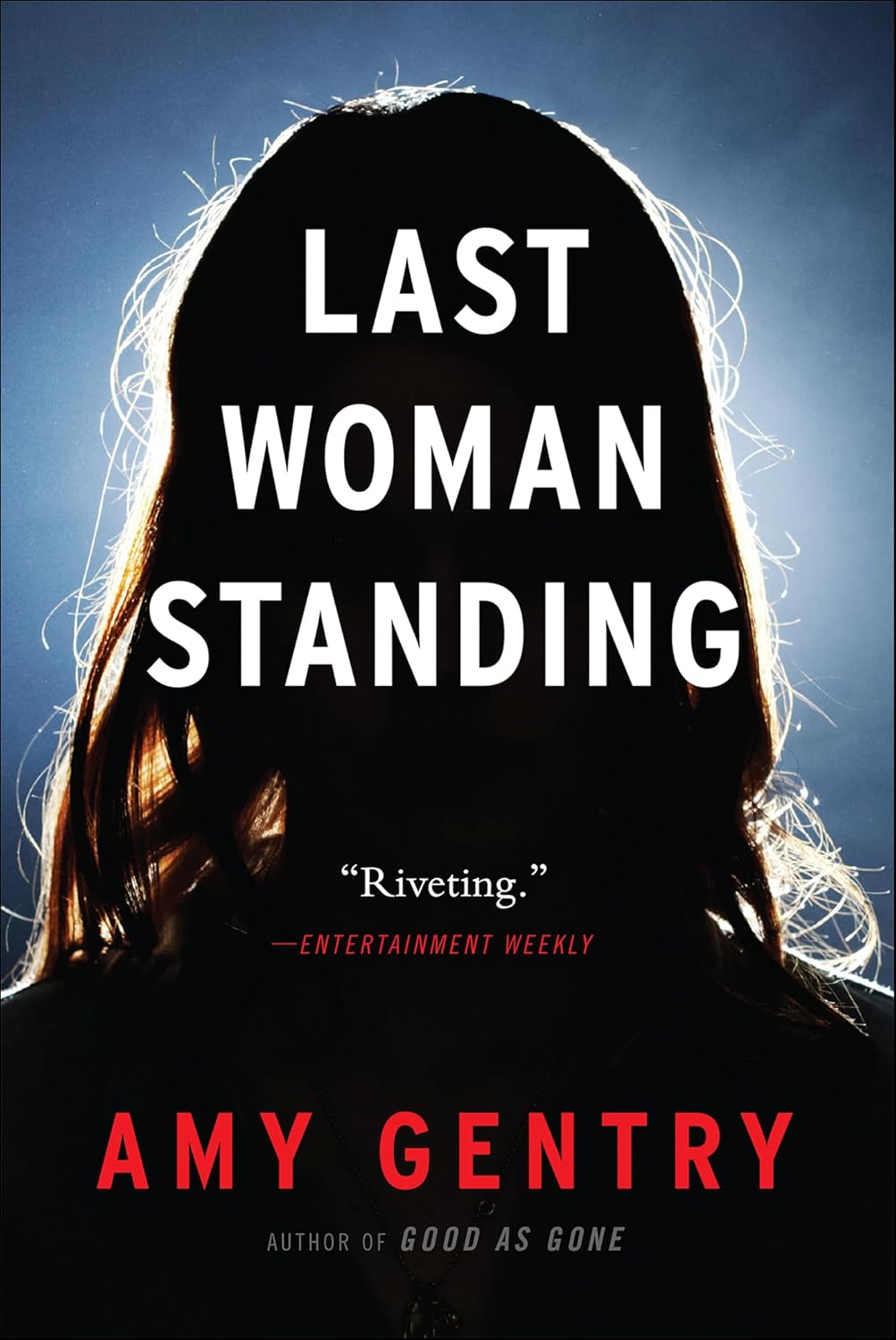
There’s a specific kind of fury that comes from realizing you’ve spent years swallowing your own rage to make room for a man’s ego. Dana Diaz, Amy Gentry’s protagonist in Last Woman Standing, is a stand-up comic trying to make it in a world where men still hold the mic—and the power. She’s talented, hungry, and has learned how to laugh off a thousand microaggressions just to survive. But when something happens to her—something she’s not even sure counts as assault because there was no physical contact—she doesn’t laugh it off. Not this time. Not after meeting Amanda Dorn.
The setup of Last Woman Standing is irresistible: a revenge pact between two women who agree to go after each other’s harassers, à la Strangers on a Train. But instead of a train, they meet at a comedy show. Instead of cold, calculated revenge, what unfolds is messy, complicated, and disturbingly real.
If you love stories filled with bold characters, high-stakes action, and a dash of delightful chaos, you’ll want to meet Marissa Allen. A fiction author inspired by anime, pop culture, and everything in between, Marissa crafts genre-blending adventures that explore found family, inner strength, and twisty plots that keep readers on their toes. In this interview, we dig into her creative process, her love for fight scenes and playlist-building, and what fuels the thrilling worlds she builds—from magical shops to superpowered societies. Keep reading to discover the stories behind the storyteller—and what’s next in her ever-expanding multiverse.
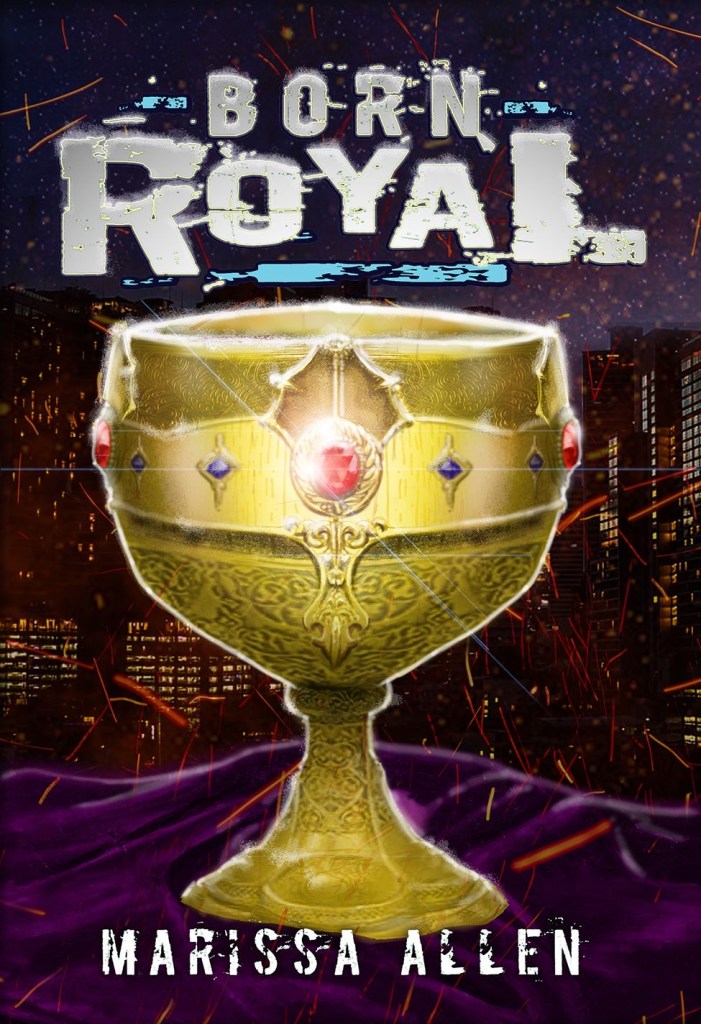
What if the fairest of them all became the deadliest weapon? After years of captivity and cruel experimentation, Princess Genevieve “Vi” Astor escapes her stepmother’s grip—only to discover that the fight for freedom is far from over. Born Royal by Marissa Allen kicks off a pulse-pounding sci-fi fantasy trilogy where rebellion, revenge, and raw power collide.
Q: What/who were your early literary influences, and how do you think their writing has shaped you as a storyteller today? A: The first author I became obsessed with was Tamora Pierce. It was the first time I found myself needing to reorient to real life after putting a book down at three in the morning. Her female characters went on amazing adventures, unafraid to fight alongside the boys, with immersive worldbuilding that I’m still chasing in my own work.
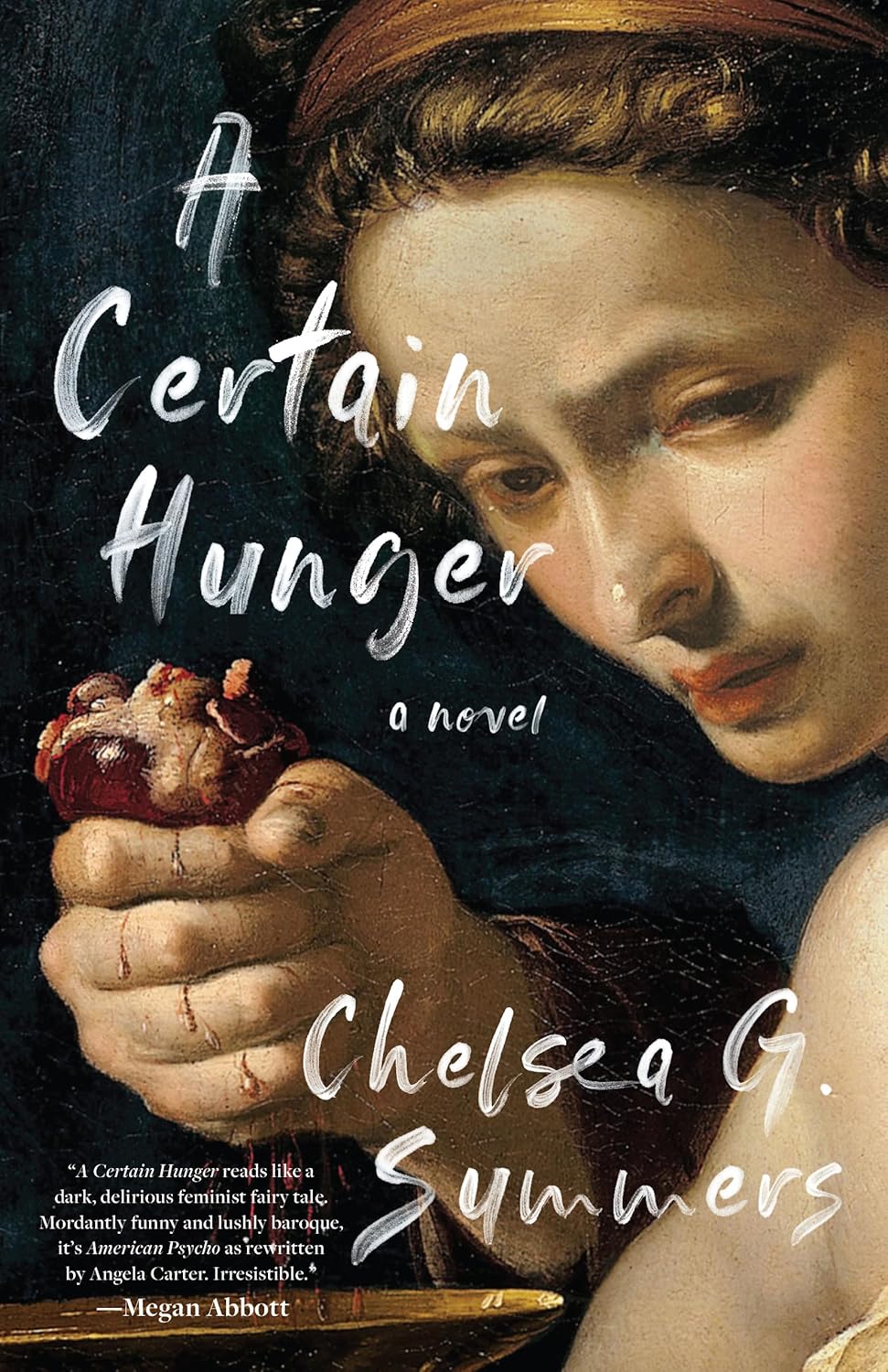
I don’t usually go in for gore, but Chelsea G. Summers’ A Certain Hunger had me riveted, repulsed, and unexpectedly charmed. When a novel begins with the protagonist describing how she murdered a man on Fire Island with an ice pick, you know you’re in for something different. But what A Certain Hunger delivers is not just a grisly tale of cannibalism—it’s also a sharp, biting satire, a love letter to food writing, and a deep dive into the mind of a woman who is both mesmerizing and monstrous.
Dorothy Daniels is a food critic with impeccable taste, a robust sex life, and absolutely no moral compass. Oh—and she’s a cannibal. Somehow, that last detail isn’t mentioned on the book jacket, but I feel like it should be. Readers who shy away from graphic violence (and I count myself among them) might want to know what they’re signing up for. That said, I found myself devouring this book with the same uneasy compulsion as watching Game of Thrones—cringing through the most grotesque parts, occasionally looking away, but always coming back for more.
 Write on the World