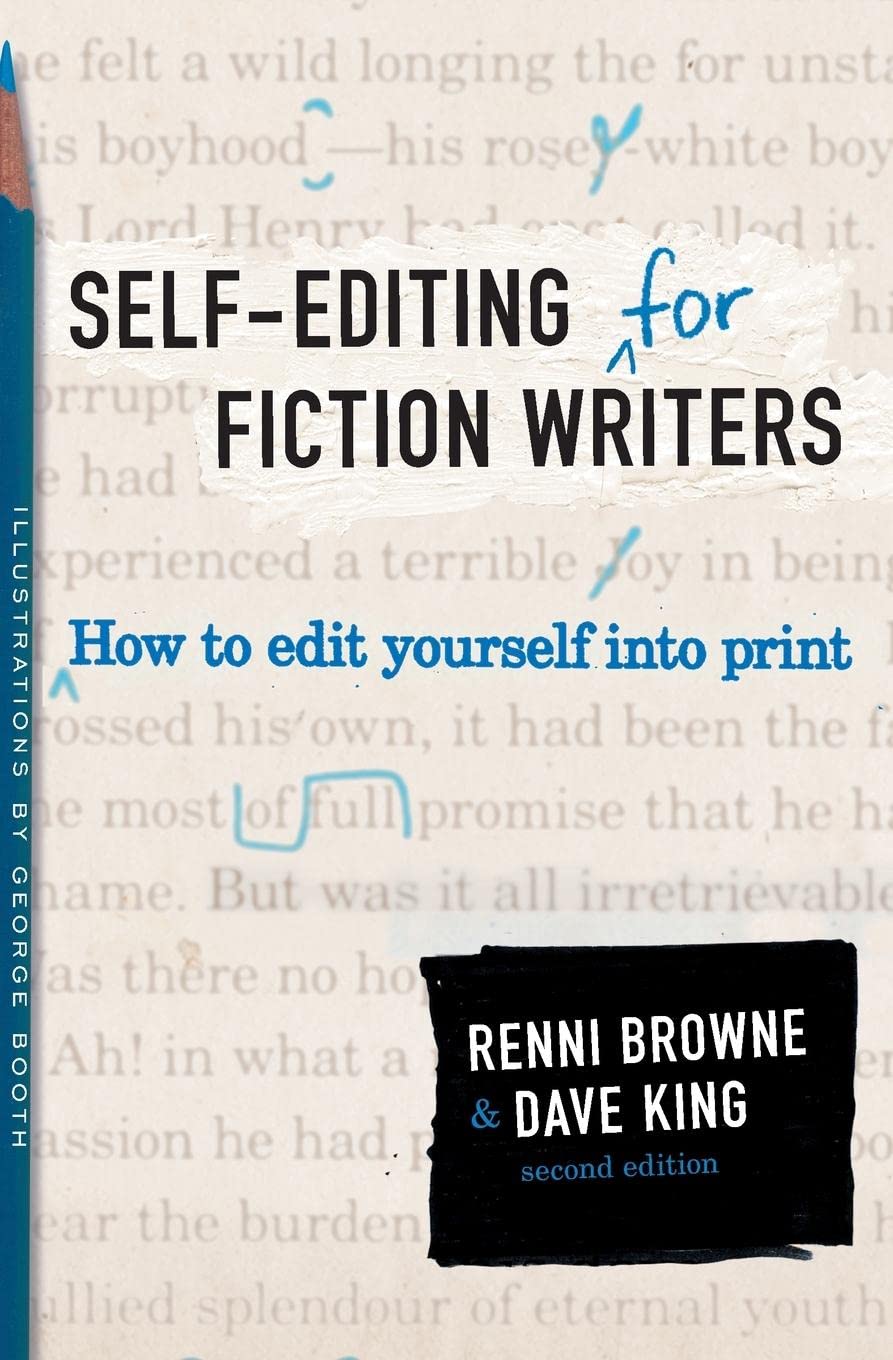
Self-Editing for Fiction Writers by Renni Browne and Dave King is one of my favorite writing manuals that I often recommend to writers during the revise and refine stage of the novel writing process. It is a popular guide among authors that focuses on practical techniques to improve the quality of a manuscript during the revision process.
In Self-Editing for Fiction Writers, the authors teach you how to apply the editing techniques they have developed to your own work.
Here are some of the main concepts covered in this writing manual:
After pouring your heart and soul into drafting a novel, the editing stage can feel like a whole new mountain to climb. Shifting from the free-flowing creativity of writing to the analytical mindset needed for editing isn’t always easy, but making this transition is crucial for a polished, captivating manuscript.
As an author it’s important to learn how to transition efficiently from creator mode to critic mode when working through the revise and refine stage of the novel writing process.
Here are some tips and tricks to help you set aside your “creator” hat and put on your “critic” hat, so you can view your work with fresh, discerning eyes:
Once structural issues in your manuscript are resolved, it’s time to focus on fine-tuning the writing itself. This stage of the novel writing process is all about polishing language, enhancing tone, and sharpening word choice to bring out the unique voice of your story. Look carefully at sentence flow, checking for rhythm and clarity; each sentence should build naturally into the next, making the prose smooth and engaging. Pay attention to descriptive details—are they vivid and evocative, or could they be strengthened?
Once you’ve addressed the big-picture issues in your novel manuscript, it’s time to start tinkering with the smaller problems.
This is also the moment to eliminate redundancies, awkward phrasing, and overly complex language that might slow readers down. Don’t forget to refine dialogue, ensuring it sounds authentic and reveals character. Fine-tuning is the last touch that elevates your manuscript from a draft to a compelling, immersive experience for readers.
A prologue is an introductory section of a literary work, typically placed before the main story begins. When deciding if your novel needs a prologue, it’s important to consider its purpose in the story. A prologue can effectively set the stage, offering readers essential background information or a glimpse into events that shape the main narrative. For genres like fantasy or historical fiction, prologues often introduce complex worlds, key events, or mythologies. However, some prologues may feel extraneous, delaying the start of the main story and potentially losing readers’ interest.
Prologues are often a necessary element in genres like fantasy or historical fiction, as they can make necessary introductions to complex worlds, key events, or mythologies without bogging down the main story.
To determine whether your novel needs a prologue, first ask yourself if the information could be seamlessly woven into the main chapters instead. Writing a prologue can be a useful tool for introducing key elements to a novel, but it comes with its own set of challenges. Following are the pros and cons to consider when deciding whether to include a prologue in your book.
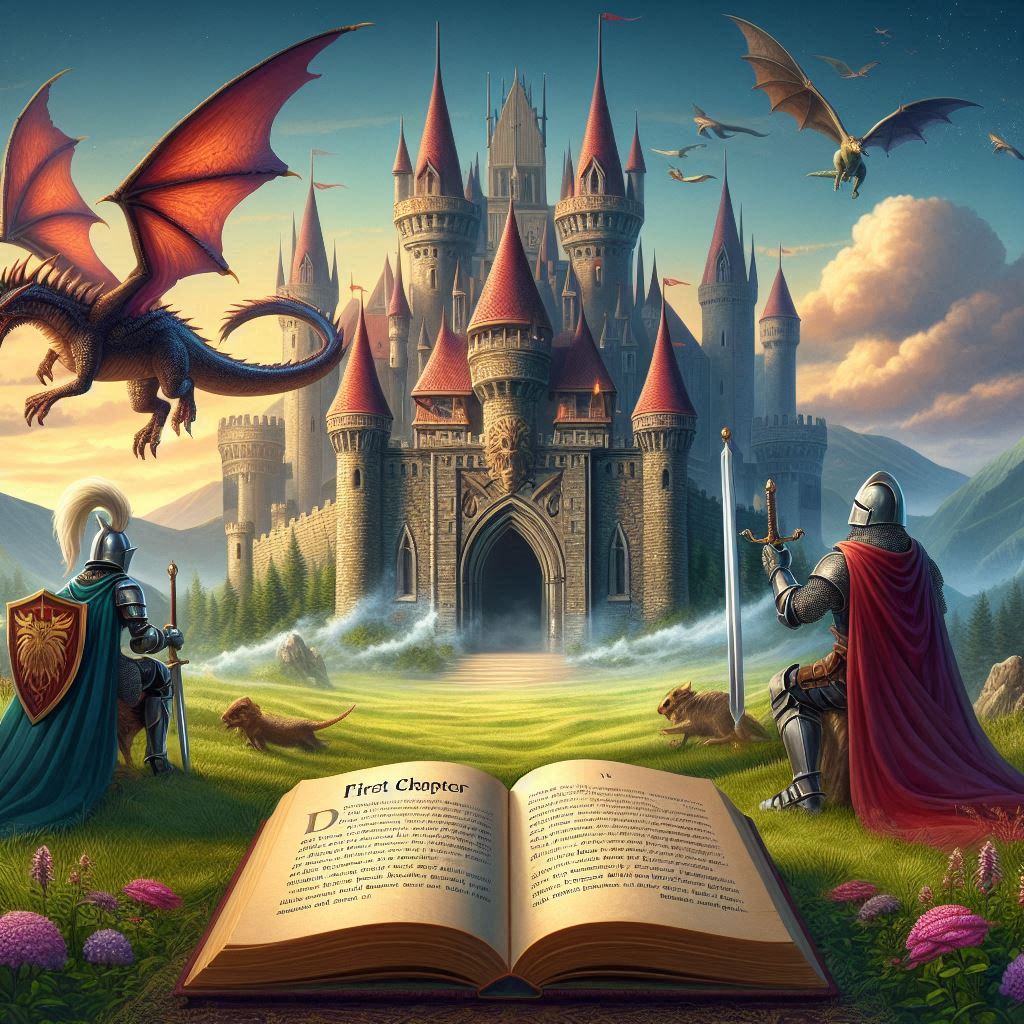
The first chapter of a novel is crucial in establishing the groundwork for the entire story, as it introduces readers to the world they’re entering and signals what they can expect in terms of tone, genre, and pacing. A strong opening chapter does more than just hook the reader—it serves as a promise, subtly hinting at the main themes, character journeys, and conflicts that will shape the narrative.
Regardless of what is happening in your story, the first chapter should provide readers with a solid idea of where the novel is going to take them.
Writers must carefully consider what to reveal and how to convey the essence of the story from the start, crafting an introduction that not only captivates but also lays the framework for what lies ahead. By thoughtfully setting these expectations, the first chapter can draw readers in and keep them eagerly turning pages, primed for the twists, growth, and resolution that will come.
In novel writing, the first chapter serves as a foundation for the reader, setting up initial expectations about plot, tone, and character arcs. However, successful storytelling often involves deviating from these initial promises in a way that adds depth and intrigue to the narrative. Breaking “chapter one promises” requires a careful balance: if done skillfully, it can surprise and engage readers, adding layers of complexity and unexpected turns to the story.
Some promises are made to be broken.
When handled poorly, however, it risks confusing or disappointing the audience. Understanding how to effectively subvert early expectations—whether through plot twists, character development, or shifts in tone—allows a writer to create a dynamic and memorable reading experience that keeps audiences invested and eager to see where the story leads.
Here are some strategies for successfully breaking your chapter one promises without breaking your novel:
Join me this Friday and Saturday, November 1st and 2nd at the Village Square Mall in Effingham, Illinois for the Midwest Holiday Market! If you have book nerds on your holiday shopping list, then you HAVE to stop by my booth and check out my books and other bookish gift ideas.
The 2024 Midwest Market Holiday Show takes place this Friday and Saturday, November 1-2 at the Village Square Mall!
In storytelling, the opening chapter of a novel serves as a promise to the reader, establishing tone, genre, character dynamics, and key themes that shape their expectations for the rest of the narrative. Breaking these promises can occur when the story later diverges significantly from what was initially implied, often leading to confusion or disappointment. However, when done skillfully, breaking these early promises can also serve as a powerful tool for subverting reader expectations, adding layers of depth, or creating surprise twists that enhance the overall impact of the novel. The challenge lies in balancing misdirection with satisfying storytelling.
You should always carefully weigh the pros and cons before decide to break your chapter one promises.
Breaking chapter one promises in a novel can be a bold and creative storytelling technique that keeps readers engaged and surprised. By deviating from the initial expectations set in the first chapter, authors can introduce plot twists, deeper character developments, or genre shifts that challenge assumptions and create a more dynamic narrative. This unexpected shift can enhance the story’s complexity, making it more memorable and impactful.
Chapter One: it’s where every story begins. It sets the reader’s expectations of what they are about to read and often makes promises that it must keep in order to satisfy the reader. It’s a big job, and not every chapter is cut out to do it. It’s common in the revise and refine stage of the novel writing process to realize that the chapter you thought would come first just isn’t ready to do all that heavy lifting. You might evaluate your novel manuscript and find yourself asking, “Where does this story actually begin?” Does your story begin with your current chapter one? Or do you need to write a whole new first chapter?
Be very careful of breaking your chapter one promises if you don’t want to break the hearts of these creepy A.I. twins!
The first chapter of a novel makes a number of promises to its readers, setting up expectations for the rest of the story. These promises may include:
Join me this Saturday, October 26th for Nightmare on Second Street at Chillicothe City Park (Chillicothe, IL) in support of brain tumor awareness. I’ll be selling and signing my books along with lots of other bookish and spooky gifts at my vendor booth.
The 2024 Nightmare on Second Street takes place this Saturday, October 26, at Chillicothe City Park.









 Write on the World