Finish Writing Your Novel Now!

Can you DIY your developmental edit?

Hiring an editor to complete a developmental edit of your novel can be expensive. If you can afford it, an effective editor will give you the outside perspective you need to take your manuscript to the next level. However, many emerging writers simply cannot afford the expense and do not have an established writing community to lean on. They may wonder if they can do a developmental edit of their own work. The answer is yes, you can do a developmental edit on your own novel, but it can be challenging to do so objectively.

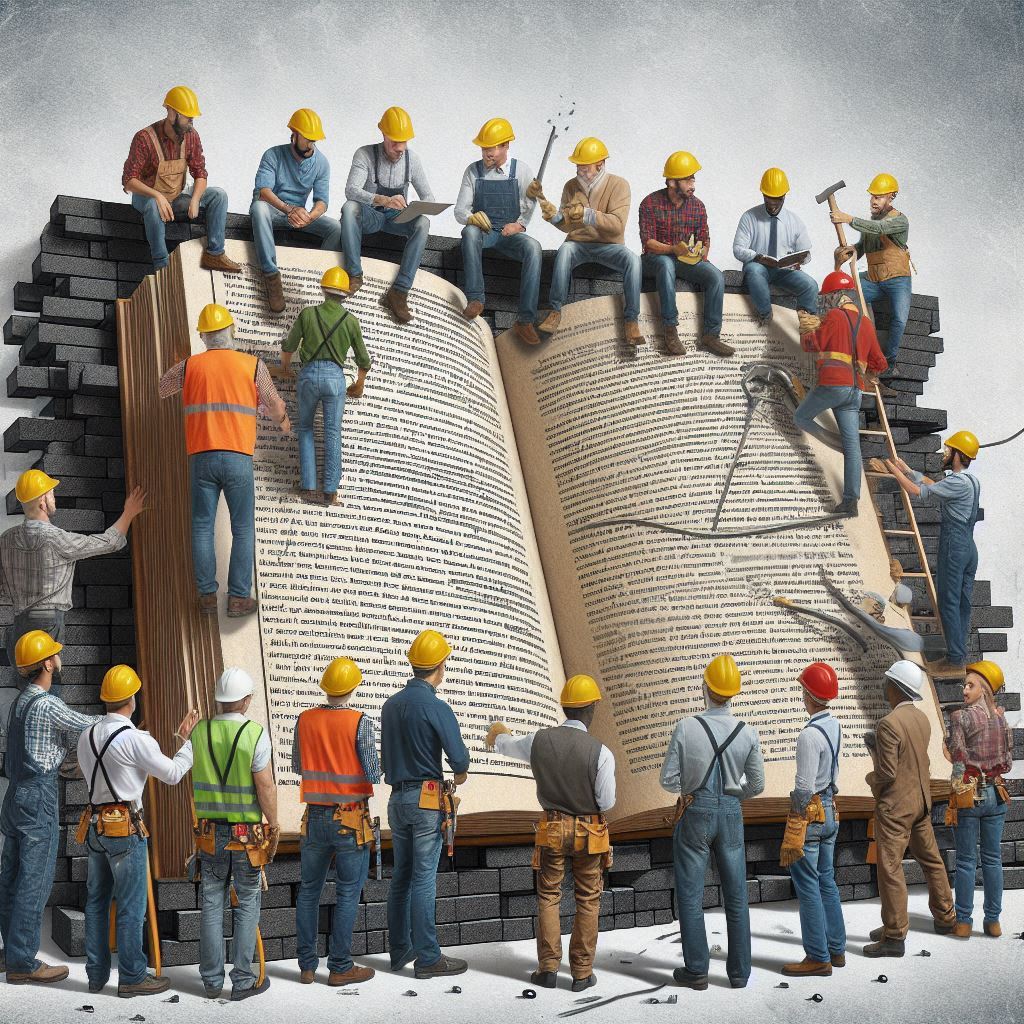
Can you do it yourself (DIY) when it comes to obtaining a developmental edit for your novel manuscript? Image generated using artificial intelligence.

When evaluating your work, it can be difficult to separate yourself from your own writing and see it objectively. You may overlook certain issues or be too close to the story to recognize where significant changes are needed to improve the story. This is one reason why I encourage writers to let a new draft simmer for a while before jumping into the evaluation stage of the novel writing process. That break from the work can help you return to the manuscript with the eyes of a reader rather than those of a writer. Details you never noticed before will suddenly begin to jump off the page at you. You’ll notice gaps that you would never have noticed otherwise.

Continue reading “Can you DIY your developmental edit?”

Finish Writing Your Novel Now!

Evaluating your novel draft: The developmental edit

A developmental edit is a type of editing that focuses on the big-picture elements of a novel manuscript such as its structure, plot, character development, and theme. Developmental editors help authors identify and fix problems with manuscripts such as weak plot points, underdeveloped characters, or an unclear story arc. They may also offer suggestions for improving the manuscript’s overall readability and impact.

Obtaining feedback from a professional developmental editor can help you take your novel manuscript to a whole new level! Contact me today to inquire about hiring me to provide a developmental edit of your novel draft!

Developmental editing is typically done before a manuscript is submitted to an agent or publisher. However, I like to get at least one developmental edit during the evaluation phase so I can start fixing my issues early in the writing process. The developmental edit can be a valuable service for authors who want to make sure their manuscripts are as strong as possible either way.

Here are some of the elements that a developmental editor might review in a novel manuscript:

Continue reading “Evaluating your novel draft: The developmental edit”
Finish Writing Your Novel Now!

How to request constructive feedback on your novel manuscript

Obtaining feedback on your manuscript during the evaluation step of the writing process shouldn’t be the same experience as getting your mom’s proud stamp of approval on your published novel. The last thing any writer needs or wants at this stage of the writing process is for anyone to stroke your ego and tell you how awesome you are. During the evaluation stage, it’s important to seek out targeted feedback that will help you improve your writing.

The best writing feedback is constructive. It helps you determine how to make your novel draft better rather than falsely convincing you that your writing is perfect!

While it may be nice to hear that you are doing a great job, it’s not particularly helpful when what you really want is constructive criticism. Here are some tips for getting productive feedback on your writing:

Continue reading “How to request constructive feedback on your novel manuscript”
Finish Writing Your Novel Now!

Using the M.I.C.E. Quotient to evaluate your novel draft

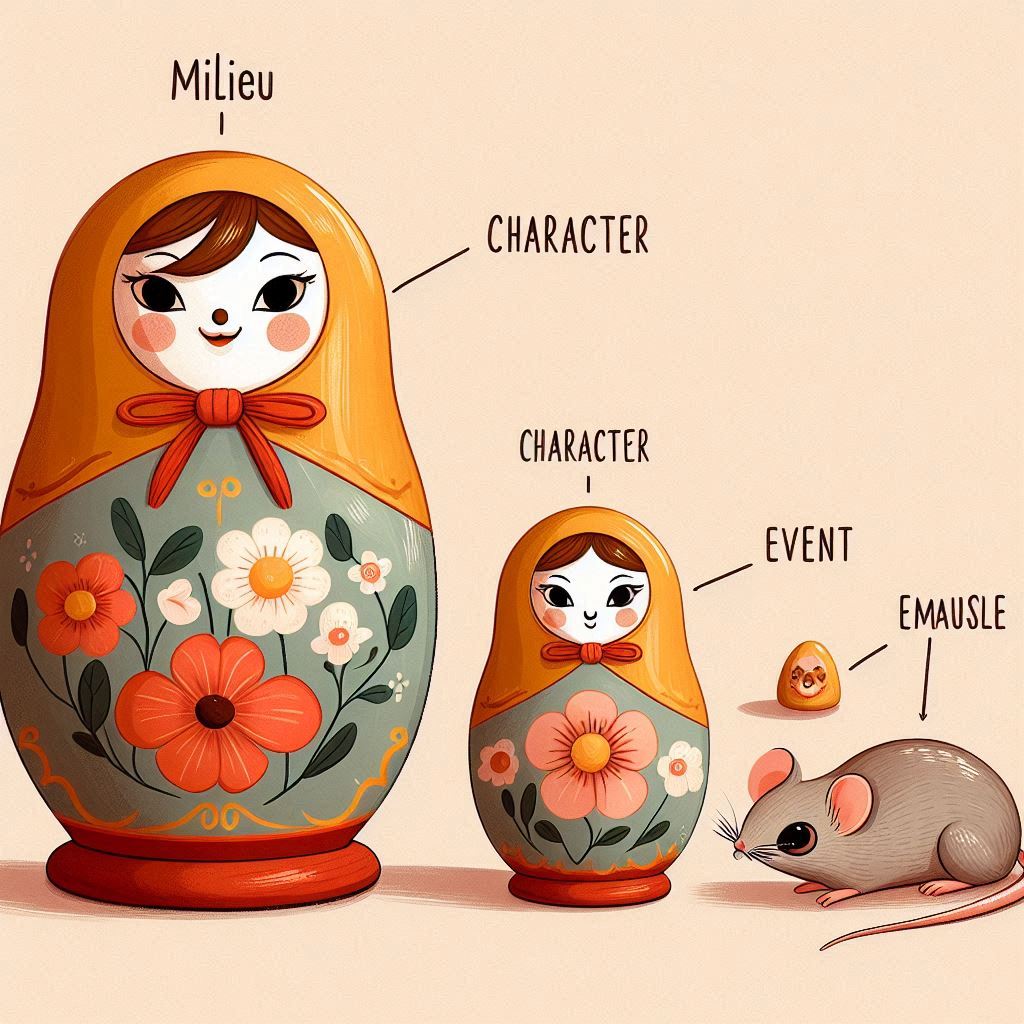
The M.I.C.E. Quotient is a method of categorizing stories based on the four core narrative elements of Milieu, Idea, Character, and Event. This method was developed by science fiction writer Orson Scott Card and is used by many writers and editors to help identify and refine the central focus of a story.

Image generated using artificial intelligence (which, for some reason, left out “idea” and gave me “emausle.” Playing with A.I. is so much fun!

The M.I.C.E. Quotient is an excellent place to start when evaluating the focal point of a novel manuscript. It helps the writer determine whether the first draft concentrates on the appropriate element or elements that will most effectively achieve their creative vision. The following is a breakdown of each element:

Continue reading “Using the M.I.C.E. Quotient to evaluate your novel draft”
Finish Writing Your Novel Now!

The importance of letting your novel draft rest

Once you’ve completed an initial evaluation of your manuscript, it’s time to set it on a back burner for a while and let it simmer. Taking a break after writing and completing an initial review of your novel draft is crucial for several reasons. First, it gives you the opportunity to gain a fresh perspective on your work. When you’ve been working on a manuscript for a long time, it can be challenging to see it objectively.

Like a complex and hearty soup, your novel draft may get better the longer you let it simmer on a back burner!

Taking a break allows you to come back to the manuscript with fresh eyes, making it easier to spot areas that need improvement. This can also increase your objectivity when evaluating your own work. During the drafting process, you’re likely to become attached to certain ideas or phrases. Taking a break can help you become more objective about your work, allowing you to make changes that improve the story without getting bogged down by your initial attachment to certain ideas.

Continue reading “The importance of letting your novel draft rest”
Finish Writing Your Novel Now!

The third step in the novel writing process: Evaluation

Now that you have written your novel draft, the next step in the novel writing process is to evaluate what you have written. What did you do well, and what needs improvement? It’s important to note that while writing quickly can be beneficial during the first draft, the subsequent revision and editing stages are equally crucial for refining and polishing your novel. Once you have allowed your first draft a few days (sometimes even weeks or months) to cool, it’s time to come back to it and evaluate what you’ve written.

In this series, we’ve reviewed the planning and writing steps of the novel writing process. Now it’s time to evaluate that first draft you wrote!

I recommend that you begin by reading straight through the draft, taking notes as you go. There’s no need to fix anything right now. Just make a quick note and then keep reading. Don’t even worry about spelling, grammar, or punctuation yet. There’s no point proofreading when there is still writing to do. When it comes to evaluating your first draft, here are some things to look for on the first read-through:

Continue reading “The third step in the novel writing process: Evaluation”
Finish Writing Your Novel Now!

Novel drafting rule #4: No editing allowed

Writing and editing involve different cognitive processes that use different parts of the brain. When you write, you typically use your creative and imaginative processes, which are associated with the right side of the brain. This involves generating new ideas, making connections between concepts, and visualizing scenes and characters.

Writing a novel can be like putting a puzzle together without knowing what the final product is supposed to look like. Image generated using artificial intelligence.

On the other hand, editing involves a more analytical and critical thinking process, which is associated with the left side of the brain. This involves evaluating the structure, pacing, and clarity of your writing, checking for errors in grammar and punctuation, and refining your prose to make it more effective and engaging. Editing your work during the drafting stage of the novel writing process can be counterproductive for a few reasons:

Continue reading “Novel drafting rule #4: No editing allowed”
Finish Writing Your Novel Now!

Novel drafting rule #1: Write the first chapter of your novel last

Hopefully, your novel will have lots of “best parts,” but one of the most important parts of your novel will be the first chapter (also referred to as the “introduction” when discussing the basic steps of the writing process.) One of the most efficient and effective ways to write a five-paragraph essay is to write your three body paragraphs first and then write the introduction and conclusion paragraphs last. The same is often true when writing a novel.

It’s okay if your novel chapters don’t fit perfectly together in the first draft! Image generated using artificial intelligence.

The first chapter of a novel plays a crucial role in capturing the reader’s attention, introducing key elements of the story, and setting the stage for the narrative to come. It is the author’s opportunity to make a strong first impression and entice readers to delve further into the book. However, the author—you—often doesn’t know what the key elements of the story will be until after the majority of the first draft has been written. How can you possibly introduce those elements in your first chapter when you don’t know yet what they are?

Continue reading “Novel drafting rule #1: Write the first chapter of your novel last”