Finish Writing Your Novel Now!

Understanding beats in novel writing: How small moments make a big difference

In the world of novel writing, the term “beats” might sound technical, but it actually describes something fundamental to storytelling. Beats are the subtle pauses, actions, gestures, and shifts in tone that bring scenes to life and give your narrative a natural rhythm. They’re the small but essential moments that help convey emotion, add depth, and keep readers hooked. Let’s dive into what beats are, why they’re important, and how to use them effectively to make your writing more dynamic.

A beat could be something as simple as having one character pause to glance over the top of their glasses at another: She lowered her glasses and gave him a side eye.

In creative writing, a “beat” is a term used to describe a small action or movement that a character makes during a scene. Beats can be used to convey a character’s emotions, thoughts, or intentions, and they can also be used to break up long passages of dialogue or description. In the simplest terms, beats are the little moments that create texture in a scene. Think of them as the breaths in your story—the pauses between dialogue, the glance a character gives before speaking, the way they fidget when they’re nervous. Beats can be:

Continue reading “Understanding beats in novel writing: How small moments make a big difference”

Book Reviews, Find Your Next Read

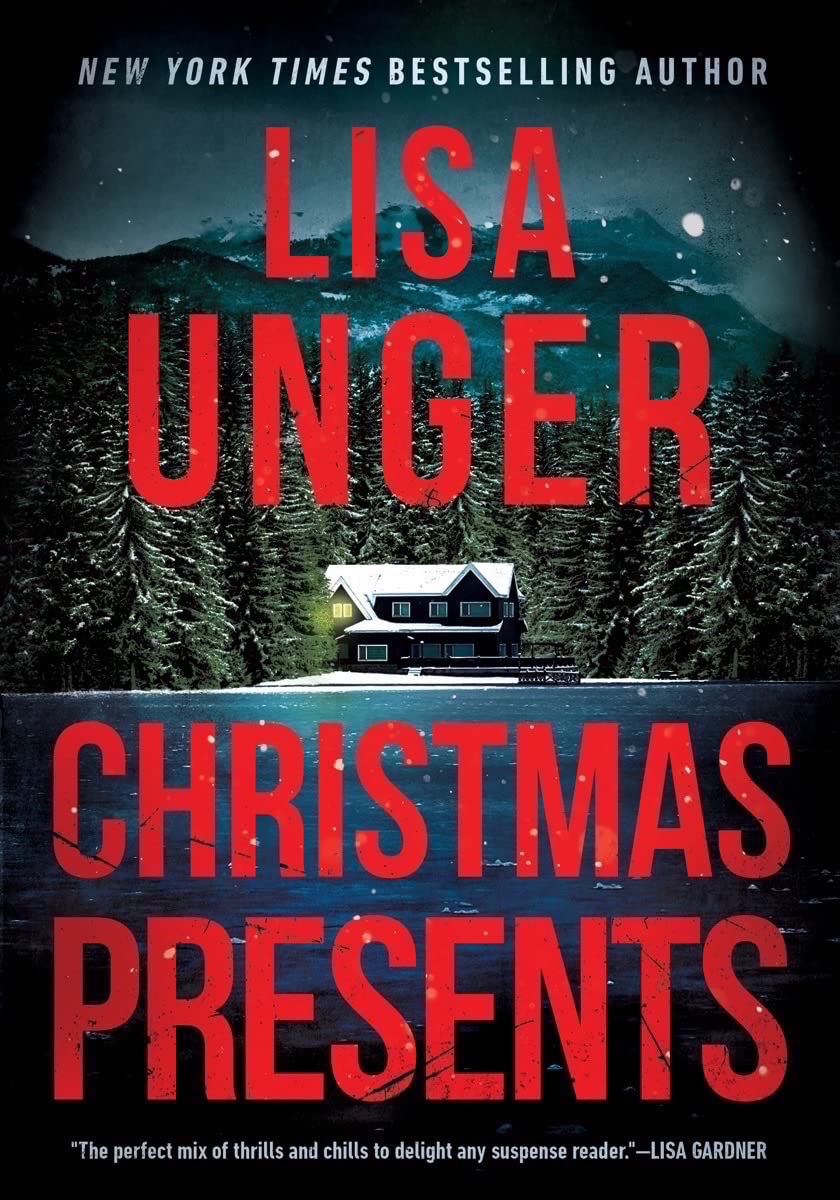
Book Review: Christmas Presents by Lisa Unger

Lisa Unger’s novel, Christmas Presents, is the perfect blend of cozy holiday charm and chilling suspense. Set against the backdrop of a quaint bookshop in a snow-dusted small town, the novel invites readers to unravel a decade-old mystery alongside Madeline Martin, the sole survivor of a brutal attack. 

Christmas Presents by Lisa Unger is an excellent holiday gift choice for the thriller reader on your shopping list!

The story begins when Harley Granger, a notorious true crime podcaster, arrives in Madeline’s bookstore just days before Christmas. Known as much for his fame and wealth as for his controversial tactics, Granger is on a mission to reexamine the horrific events that forever altered Madeline’s life. 

Continue reading “Book Review: Christmas Presents by Lisa Unger”
Finish Writing Your Novel Now!

How to write effective interior monologue in your novel

In novel writing, interior monologue is the narrative technique used to reveal a character’s inner thoughts, feelings, and reflections. It’s a way to give readers direct access to what a character is thinking without the character saying those thoughts out loud. This technique can deepen character development, help readers understand motivations, and create a more intimate connection between the character and the reader.

The purpose of interior monologue is to reveal a character’s inner thoughts, feelings, and reflections.

Getting interior monologue right is key in novel writing because it deepens character development by revealing a character’s private thoughts and emotions, giving readers access to their inner lives. It helps readers form a stronger emotional connection, even with flawed or conflicted characters, making them more relatable.

Continue reading “How to write effective interior monologue in your novel”
Finish Writing Your Novel Now!

What is proportion in novel writing?

In novel writing, proportion refers to the balance of different elements within the story—such as plot, character development, setting, and theme—to create a cohesive, engaging narrative. Proportion affects how much time and space are given to each element, helping to shape the reader’s experience and guide their focus. When proportion is well-balanced, readers feel drawn into the story without feeling overwhelmed by too much detail or frustrated by too little.

Proportion in novel writing is about giving each element the right amount of space to contribute to the whole story without overloading or neglecting any part.

Here are some key aspects of proportion in novel writing:

Continue reading “What is proportion in novel writing?”
Author Interview

Author interview with cozy romance and mystery author, Iris Applewood

Iris Applewood is a cozy romance and mystery author crafting worlds of wonder from her home in Southern Indiana. She loves blending the boundaries between the mundane and the magical. In her free time, Iris enjoys experimenting in the kitchen, creating dishes and perfumes that feel like potions.

When she’s not mixing spices or spinning stories, she treasures her sleep, where she often dreams up her next big idea. Through her writing, Iris hopes to add a touch of enchantment to everyday life, inspiring readers to find magic in the most unexpected places—even in their own backyards.

Continue reading “Author interview with cozy romance and mystery author, Iris Applewood”
Finish Writing Your Novel Now!

How to Create a Style Guide for Your Novel Manuscript

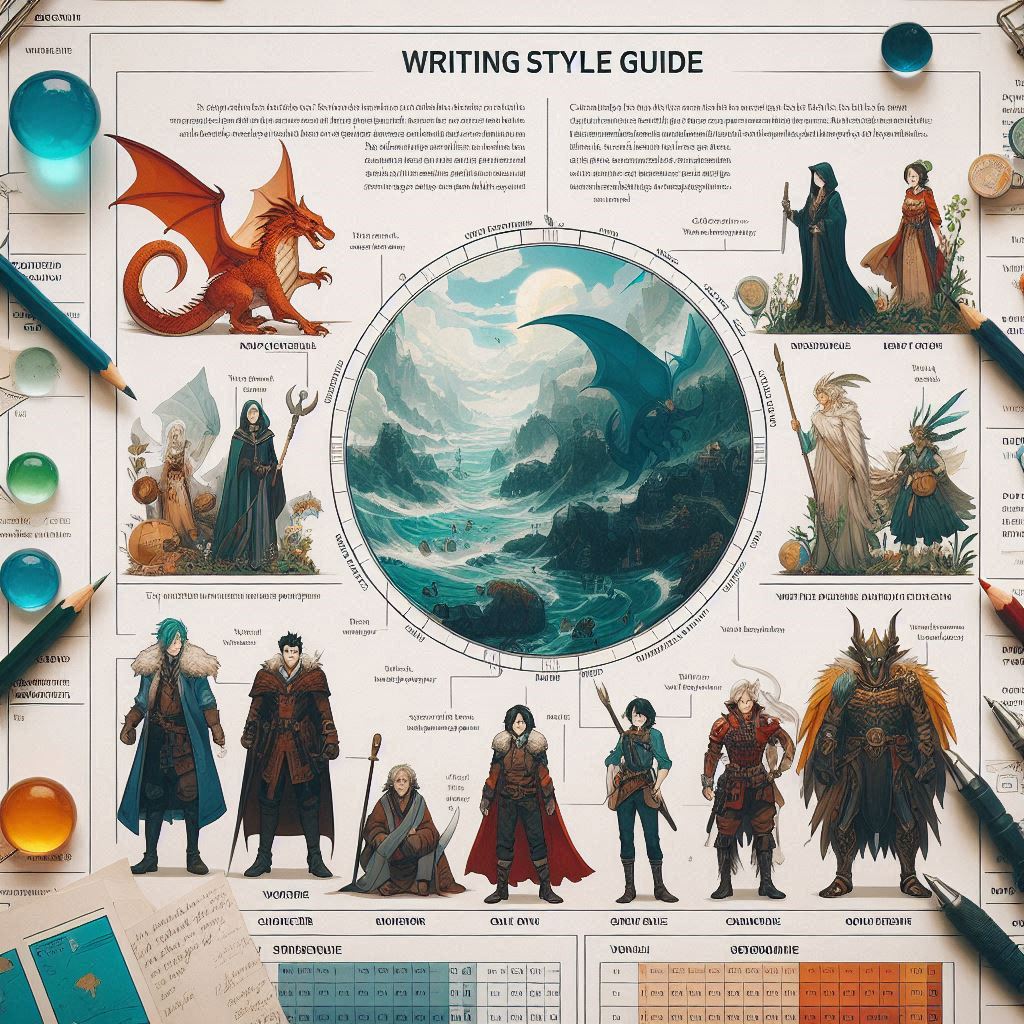
A style guide is an essential tool for any novelist who wants to stay organized and ensure consistency throughout their manuscript. Whether you’re managing character descriptions, tracking worldbuilding details, or simply making sure certain words are used the same way, a style guide helps you maintain accuracy and clarity in your story. By creating a reference document tailored to your novel, you make it easier to avoid inconsistencies and approach your work with a critical eye for detail. Here’s a step-by-step guide on how to create a style guide for your manuscript.

Your writing style guide doesn’t need to be quite this fancy. It could be as simple as an Excel spreadsheet, a Word document, or even handwritten note cards.

Start with Character Profiles

Character profiles are crucial for keeping track of your main and supporting characters. In this section, include essential information for each character, such as physical description, age, background, personality traits, and key relationships. If your character has specific speech patterns, catchphrases, or unique mannerisms, make note of these to ensure consistency.

Continue reading “How to Create a Style Guide for Your Novel Manuscript”
Book Reviews, Find Your Next Read

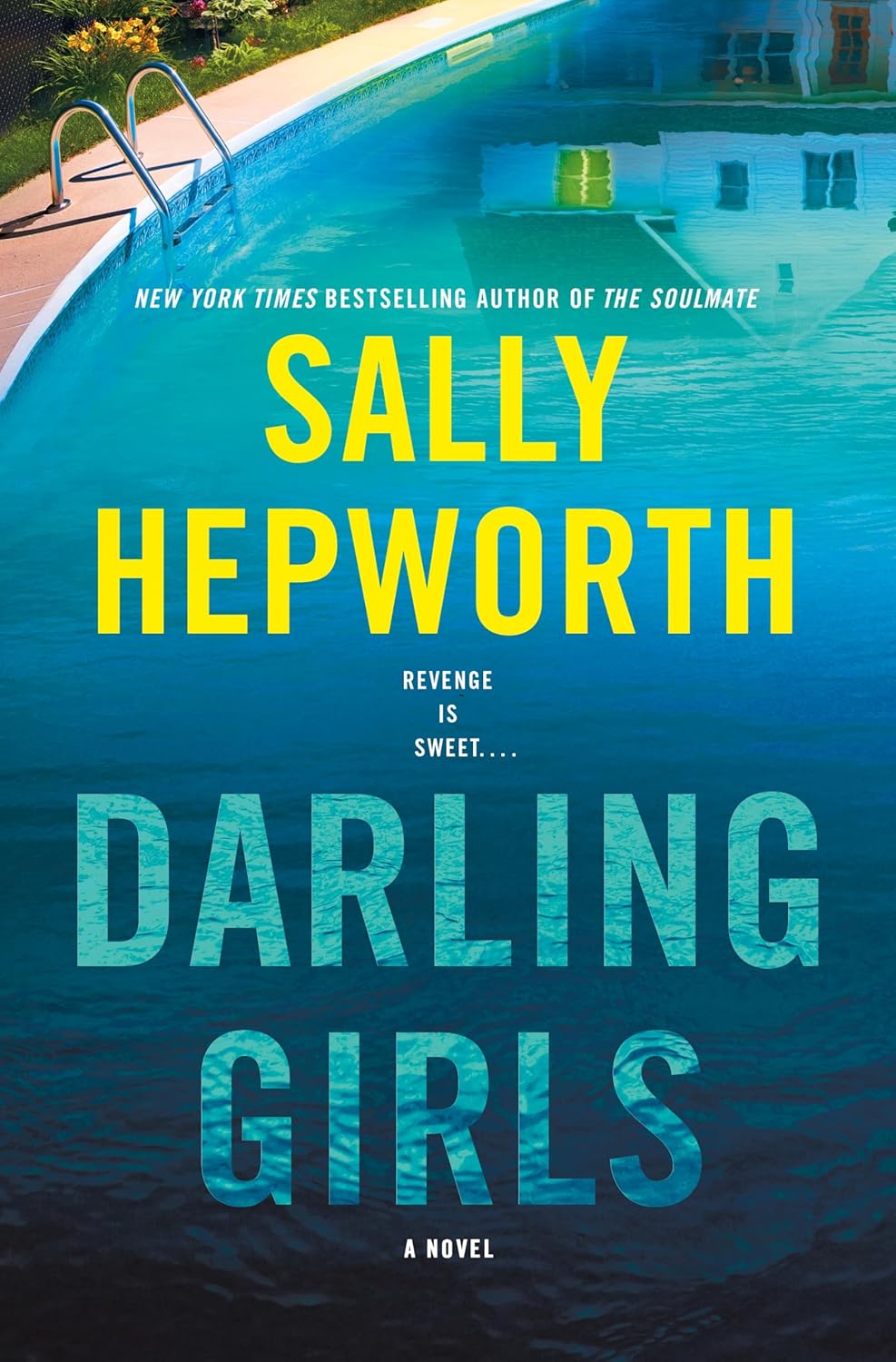
Book Review: Darling Girls by Sally Hepworth

Sally Hepworth’s Darling Girls is a psychological thriller that delves into the complexities of sisterhood, trauma, and the haunting shadows of a past that refuses to stay buried. At the heart of the story are Jessica, Norah, and Alicia—three women whose childhoods were marred by tragedy and shaped by the unpredictable and controlling presence of their foster mother, Miss Fairchild.

Darling Girls by Sally Hepworth

A Story of Secrets and Survival

From the outside, Jessica, Norah, and Alicia had everything a child in foster care could wish for—a safe, idyllic home on a sprawling estate, and the promise of a second chance at happiness. Miss Fairchild, their foster mother, was seen as a saint by the outside world, offering them a haven in the wake of their traumatic pasts. However, the truth of their upbringing was far from idyllic. Miss Fairchild’s “love” was superficial and performed only for others to see.

Continue reading “Book Review: Darling Girls by Sally Hepworth”
Author Interview

Author interview with poet Angela Chaidez Vincent

It takes a rich and diverse mind to excel at both math and writing poetry, and author Angela Chaidez Vincent has just that sort of mind. I was lucky enough to share a table with her at the Louisville Book Festival this year where I learned that she is also a really fun person to hang out with!

Arena Glow author Chaidez Vincent’s background is in mechanical engineering, mathematics, and instrumental music performance. Her work is infused with numerical winks and a collagist impulse that seeks to join vigorous dreaming with the subterranean and overlooked. She has an MFA in Poetry and keeps her tech side smiling by teaching precalculus and computer science. Angela resides in Fresno, California with her wife, Lisa.

Q: How did publishing your first book change your process of writing?

A: There was such relief (and a fair amount of amazement) in knowing that I can actually see a major literary undertaking through to completion! I feel much more confident in my ability to do it again. 

Continue reading “Author interview with poet Angela Chaidez Vincent”
Finish Writing Your Novel Now!

How to Improve the Pacing of Your Novel Manuscript

Pacing is a vital element of storytelling that keeps readers engaged, guiding them through your novel’s peaks and lulls with the right amount of tension and release. If pacing is too slow, readers may lose interest; if it’s too fast, they might feel lost or overwhelmed. Finding the right balance is essential to delivering a satisfying story that readers can’t put down. Below is a quick guide on how to improve the pacing of your novel manuscript, from structuring scenes to managing detail and dialogue.

Your novel isn’t a race. The pacing should ebb and flow in a way that keeps readers engaged without overwhelming them. The goal is to get the reader to “The End” at a pace that leaves them wanting to read your next book.

Use Scene Structure to Build Momentum

The structure of your scenes directly impacts pacing. To maintain momentum, try following a clear goal-conflict-outcome structure in each scene. Begin with a character’s goal, introduce obstacles or conflict, and end with a consequence or revelation. This structure not only drives the plot forward but also helps create an engaging rhythm.

Continue reading “How to Improve the Pacing of Your Novel Manuscript”
Book Reviews, Find Your Next Read

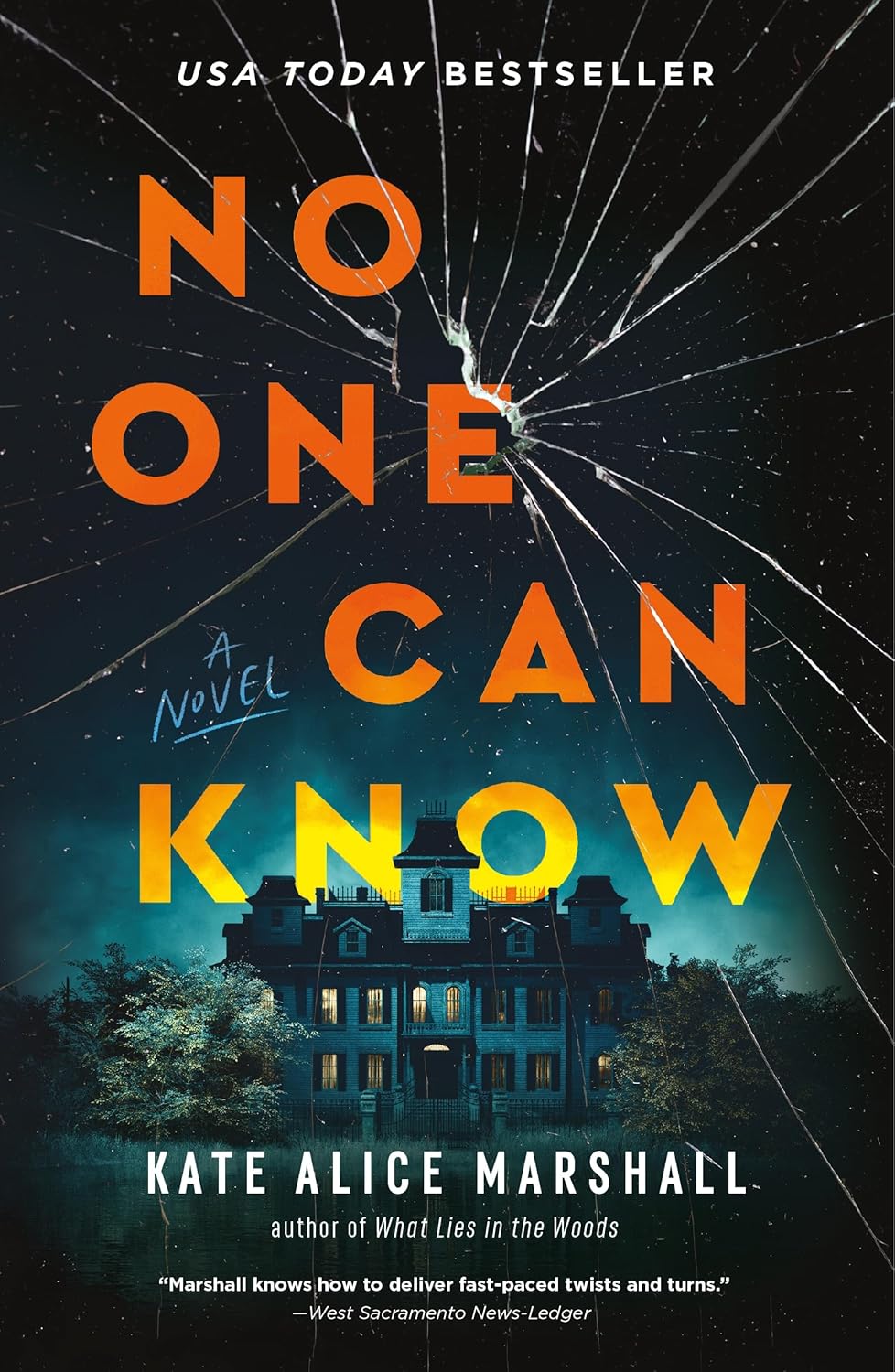
Book Review: No One Can Know by Kate Alice Marshall

Kate Alice Marshall’s No One Can Know is a hauntingly suspenseful psychological thriller that explores the powerful yet precarious bonds of family, wrapped within a storyline that unearths long-buried secrets and painful truths. The Palmer sisters—Emma, Juliette, and Daphne—are central to this dark narrative. After years away from their family home in Arden Hills, they’re reluctantly reunited in the house they all share ownership of, a place shadowed by the traumatic murder of their parents years ago.

No One Can Know by Kate Alice Marshall
Continue reading “Book Review: No One Can Know by Kate Alice Marshall”