Book Reviews, Find Your Next Read

Book Review: The Heiress by Rachel Hawkins

Rachel Hawkins’ The Heiress is a masterclass in Gothic thrillers—a story as lush and foreboding as the Blue Ridge Mountains it’s set in. This book grips you from the first page and refuses to let go, making it one of those rare novels where “just one more chapter” spirals into a sleepless night. The twists, turns, and unanswered questions will haunt you long after you’ve closed the book. 
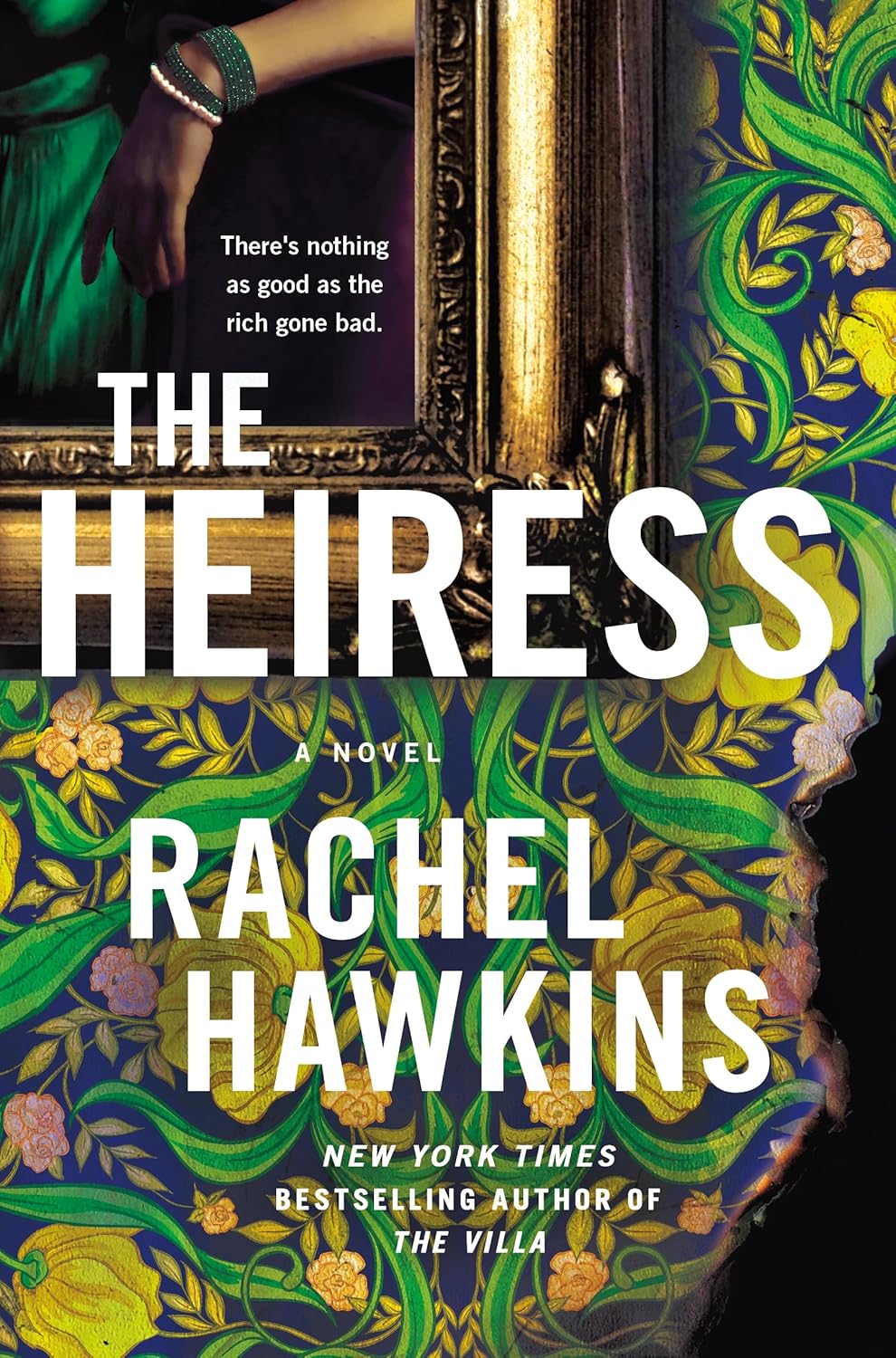
The Heiress by Rachel Hawkins

At its heart, The Heiress delves into the mysteries surrounding Ruby McTavish Callahan Woodward Miller Kenmore (yes, that’s quite the name), North Carolina’s wealthiest and most infamous figure. A survivor of a notorious childhood kidnapping and a widow four times over, Ruby’s death doesn’t just leave a trail of unanswered questions—it pulls her adopted son, Camden, and his wife, Jules, back into the shadow of Ashby House, her sprawling estate. 

Continue reading “Book Review: The Heiress by Rachel Hawkins”

Author Interview

Author interview with Rashun Carter

Rashun Carter, a Louisville, Kentucky native and graduate of the University of Louisville with a Bachelor of Science in Communication, is an author of diverse genres, including science fiction, fantasy, mystery/thriller, romantic comedy, and self-help. His works include the Wraith series, the award-winning thriller Stalker, the romantic comedy Bad Guys Finish Last, and the self-help books Restore and Food for Thought: Get Your Serving.

Through his writing, Rashun aims to inspire, entertain, and unite readers, showcasing his talent for weaving compelling stories and delivering meaningful insights.

Continue reading “Author interview with Rashun Carter”
Book Reviews, Find Your Next Read

Book Review: Daughter of Mine by Megan Miranda

Megan Miranda’s Daughter of Mine is a haunting exploration of secrets long buried—both in the depths of Mirror Lake and within the lives of its characters. With an eerie atmosphere and tightly woven suspense, Miranda masterfully intertwines a gripping mystery with timely themes of family, climate change, and the dangers of making assumptions. 

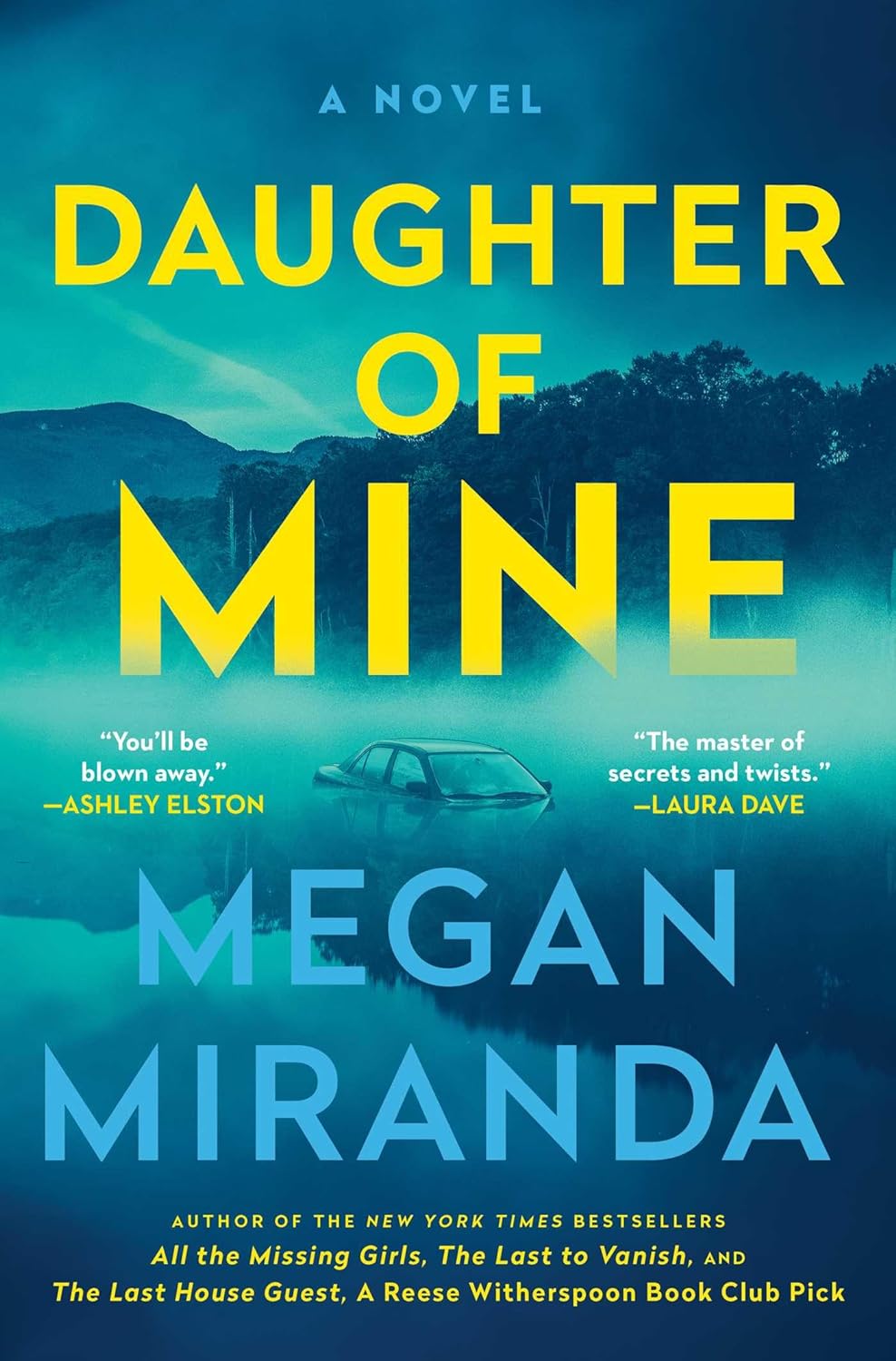
Daughter of Mine by Megan Miranda

The novel begins with Hazel Sharp returning to Mirror Lake, a town she left behind nearly a decade ago, after inheriting her childhood home from her father, Detective Perry Holt. Hazel’s return coincides with an unprecedented drought, which lowers the lake’s water level and unearths a rusted car, potentially holding answers to her mother’s mysterious disappearance. 

Continue reading “Book Review: Daughter of Mine by Megan Miranda”
Finish Writing Your Novel Now!

Sophistication in Novel Writing: What It Means and How to Achieve It

In the world of fiction, sophistication is one of the most admired qualities, yet it’s one of the hardest to define. A sophisticated novel doesn’t necessarily have to be literary or filled with complex language. Instead, it often means that a book has depth, subtlety, and layers that draw readers in, encouraging them to think, feel, and engage with the story on multiple levels. In this post, we’ll explore what sophistication in novel writing really means and offer actionable tips to help you add it to your own work.

Luckily, developing sophistication in your fiction writing doesn’t require that you dress the part!

Sophistication in novel writing involves creating a nuanced story with well-developed characters, an authentic voice, and a narrative that respects the reader’s intelligence. It’s about crafting a story that resonates emotionally and intellectually without needing to be flashy or overly complex. In a sophisticated novel, the layers of meaning are woven into the story itself, revealing themselves naturally as the reader progresses. Sophisticated novels often share a few core characteristics:

Continue reading “Sophistication in Novel Writing: What It Means and How to Achieve It”
Author Interview

Author interview with dystopia writer Jay Vanlandingham

As the author of the Sentient trilogy, Jay Vanlandingham’s writing explores the transformative power of empathy. “Through meaningful connection, empathy can flourish, opening us to the freedom of all beings—ourselves, animals, and nature alike,” he says. “Above all things, I wish for peace and serenity in my life, as well as the lives of all beings.”

Vanlandingham is in the process of publishing his third novel, Sentient Being, which serves as the final installment of the Sentient trilogy. This series delves into the depths of the human spirit, with themes that reflect the author’s core values: freedom, non-judgment, and compassion for all beings. Sentient Being examines humanity’s response to the climate crisis, our relationship with animals, and other pressing issues, including immigration and LGBTQIA+ representation.

Continue reading “Author interview with dystopia writer Jay Vanlandingham”
Finish Writing Your Novel Now!

“Once is Usually Enough” | Avoiding Redundancy in Fiction Writing

In Self-Editing for Fiction Writers, Renni Browne and Dave King emphasize the importance of conciseness with the principle, “Once is Usually Enough.” This idea reminds writers to avoid unnecessary repetition and redundancy that can bog down prose, dilute impact, and test readers’ patience. Instead of overexplaining or reiterating points, Browne and King suggest that writers trust readers to pick up on cues, encouraging clarity and efficiency in storytelling. Let’s explore what this approach means and how it can elevate your writing.

Unlike in art where repeating shapes can create interest, redundancy in narrative writing can do the opposite.

At its core, “Once is Usually Enough” is about respect for the reader’s intelligence and the strength of your storytelling. Browne and King remind us that redundancy—whether it’s repeated words, concepts, or explanations—can slow down the narrative and weaken the reader’s engagement. Readers don’t need every detail restated, and when a writer repeats information unnecessarily, it can feel like “telling” rather than “showing.” Reducing repetition sharpens your story, giving every line and detail a specific purpose.

Continue reading ““Once is Usually Enough” | Avoiding Redundancy in Fiction Writing”
Book Reviews, Find Your Next Read

Book Review: Afterlife by Julia Alvarez

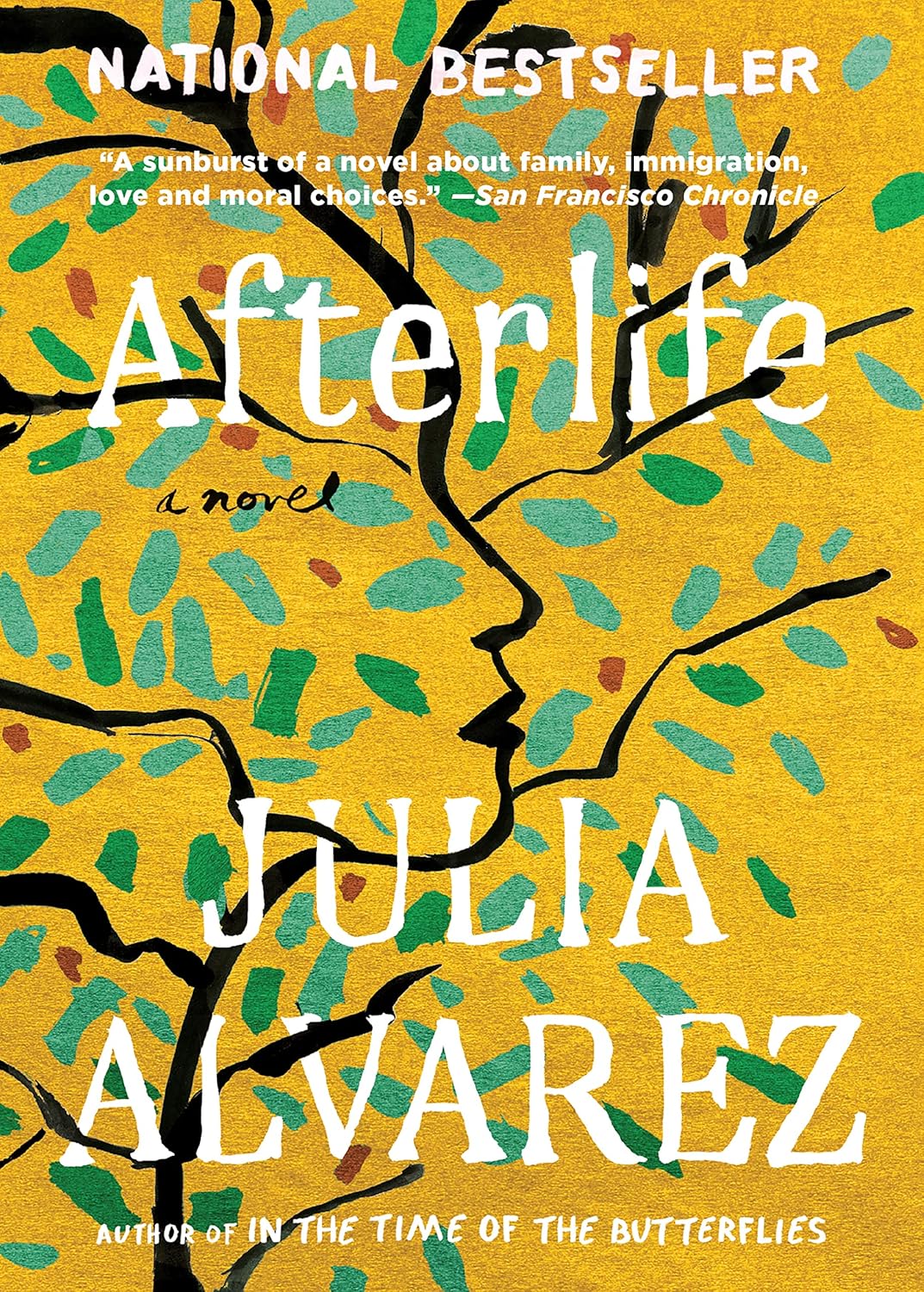
I recently watched a PBS/American Masters documentary on Julia Alvarez, and I was so captivated by her story and insights that I had to dive into her work. Afterlife did not disappoint—it’s a novel that gracefully intertwines the personal and the political, exploring themes of grief, immigration, and the messy, beautiful entanglements of human connection.

Afterlife by Julia Alvarez

Antonia Vega, the novel’s protagonist, is a retired English professor grappling with profound loss following her husband Sam’s sudden death. Her grief is compounded by unexpected events—a sister’s disappearance and the arrival of a pregnant, undocumented teenager seeking help. These disruptions challenge Antonia to confront questions about her own capacity for care, the obligations we owe to others, and how to keep moving forward when life feels unbearably heavy.

Continue reading “Book Review: Afterlife by Julia Alvarez”
Finish Writing Your Novel Now!

“Breaking Up is Easy to Do”: Creating Flow in Fiction with Paragraph and Scene Breaks

In their practical and insightful book, Self-Editing for Fiction Writers, Renni Browne and Dave King explore techniques that make fiction writing cleaner, clearer, and more engaging. In the chapter titled “Breaking Up is Easy to Do,” they emphasize the importance of effectively breaking up paragraphs, sentences, and scenes to improve pacing and readability. This approach, they argue, is about giving readers space to breathe, shifting focus where needed, and making complex narratives feel seamless. Let’s unpack this technique and see how it can help you build a more dynamic and reader-friendly story.

Breaking up is easy — in prose!

When Browne and King talk about “breaking up,” they refer to structuring prose in a way that maximizes clarity, flow, and impact. Often, beginning writers try to cram too much information into long paragraphs, which can overwhelm readers. Overly dense text, filled with action, introspection, and description, makes it difficult for readers to stay engaged and process what’s happening. Strategic paragraph and scene breaks, on the other hand, act as “mini-pauses,” allowing readers to absorb key moments without becoming fatigued. Here are a few reasons why breaking up your prose is essential:

Continue reading ““Breaking Up is Easy to Do”: Creating Flow in Fiction with Paragraph and Scene Breaks”
Finish Writing Your Novel Now!

“See How It Sounds” | The Power of Reading Your Writing Aloud

In the craft of fiction writing, the written word isn’t just meant to be read with the eyes—it’s also meant to be heard, experienced through its rhythm and flow. This is where the concept of “see how it sounds” comes in, as highlighted by Renni Browne and Dave King in their classic book, Self-Editing for Fiction Writers. When the authors recommend this technique, they’re talking about the transformative power of reading your work out loud, a method that can reveal issues and enhance the polish of your prose in ways silent reading might miss.

Read your work aloud to “see how it sounds!”

The phrase “see how it sounds” essentially means that a writer should read their work aloud to experience the natural flow, rhythm, and tone of their words. Browne and King suggest this approach because hearing your prose can bring out flaws that are easy to overlook on the page, such as awkward phrasing, unnatural dialogue, or monotonous sentence structures. By vocalizing your text, you gain a new perspective that engages not just your visual processing but also your auditory senses.

Continue reading ““See How It Sounds” | The Power of Reading Your Writing Aloud”
Author Interview

Author interview with Melissa R. Collings

Melissa R. Collings is the award-winning author of the bittersweet love story, The False Flat. Before Melissa started writing, she worked as a surgical physician associate in Nashville, where one of her favorite procedures was reconstructing a lower-lumbar tattoo after a back surgery. Her stories, like her, are always a mix: light and dark, laughter and tears, outlandish and grounded, beautiful and ugly, glitter and charcoal smears. Her interests are way too varied; her imagination never fails to get her into trouble; and she lives by her life philosophy: nothing is impossible, and everything is better with glitter—except surgical wounds.

Q: When did you first catch the writing bug? What drove you to persist?
A: I’m originally a surgical Physician Associate (medical provider). I worked 50-60 hours per week doing spine surgery, rounding on hospital patients, and seeing patients in the clinic. I enjoyed my job, but when my husband and I were expecting our first child, I decided to take a long hiatus from medical work and stay home to raise our daughter. I’d worked since I was very young, so this was a steep adjustment for me. I needed something for myself, so I turned to a psychological suspense novel I’d started before college.

Back then, I’d been working as a receptionist and had a lot of down time. I had an idea for a book and started writing it to fill my time. I didn’t think anything would come of it. But when I was at home with a newborn, I picked that novel up again, and I discovered a whole new world.

Continue reading “Author interview with Melissa R. Collings”