
In the craft of fiction writing, the written word isn’t just meant to be read with the eyes—it’s also meant to be heard, experienced through its rhythm and flow. This is where the concept of “see how it sounds” comes in, as highlighted by Renni Browne and Dave King in their classic book, Self-Editing for Fiction Writers. When the authors recommend this technique, they’re talking about the transformative power of reading your work out loud, a method that can reveal issues and enhance the polish of your prose in ways silent reading might miss.

The phrase “see how it sounds” essentially means that a writer should read their work aloud to experience the natural flow, rhythm, and tone of their words. Browne and King suggest this approach because hearing your prose can bring out flaws that are easy to overlook on the page, such as awkward phrasing, unnatural dialogue, or monotonous sentence structures. By vocalizing your text, you gain a new perspective that engages not just your visual processing but also your auditory senses.
Why Reading Aloud Works
- Catching Awkward Phrasing and Rhythm Issues: Writing, much like music, has a rhythm to it. When you read aloud, you can pick up on places where the pacing stumbles or phrases sound awkward. Sometimes, sentences that look fine in print feel clunky or overly complex when spoken. This process helps you refine your writing for smoother, more natural flow, ensuring that each sentence “sounds” as good as it reads.
- Improving Dialogue Authenticity: One of the biggest benefits of reading aloud is catching unnatural dialogue. Fictional conversations should sound like real speech—not robotic or overly formal, but genuine and conversational. When you speak your characters’ lines, it becomes apparent if something feels stilted, overly long, or repetitive. Browne and King emphasize this aspect because authentic dialogue is essential for immersing readers in the story.
- Spotting Redundancies and Repetitive Language: When reading silently, it’s easy to gloss over words or phrases you might have repeated. However, these repetitions stand out when heard. Words that echo too often in close succession can dull the narrative and distract readers. Reading aloud can help you spot these instances, giving you the chance to vary your language for a more dynamic and engaging style.
- Detecting Tonal Shifts and Inconsistencies: Tone is another key element that often goes unnoticed during silent editing. Reading aloud allows you to experience the emotional tone as your readers will, giving you insight into whether a scene feels too light, heavy, or mismatched with its intended mood. Hearing your words can highlight tonal shifts that need smoothing out.
- Improving Pacing: Sometimes, a scene that reads quickly in your head may feel sluggish when read aloud. Conversely, an intense, fast-paced moment might come off too rushed. Hearing your story’s tempo can help you balance slow and fast-paced moments, enhancing the reader’s journey.
Practical Tips for Reading Aloud
- Read Slowly and Deliberately: Take your time as you read. Rushing through can make it harder to notice subtle issues. Treat each sentence as if you’re performing it for an audience; this will allow you to feel the rhythm and flow as readers would.
- Record Yourself: Recording yourself can be incredibly helpful, especially with longer sections. Listening back allows you to catch nuances or awkward spots that you might not notice in real-time. Plus, hearing your own words can give you a sense of distance from the text, making it easier to edit objectively.
- Focus on Dialogue Separately: Reading dialogue on its own can be particularly useful. By speaking each line as if you were the character, you’ll quickly notice if a phrase doesn’t feel natural or if the conversation lacks the ebb and flow of real speech.
- Involve a Friend or Beta Reader: Sometimes, hearing someone else read your work out loud can be even more revealing. A friend or beta reader might naturally pause, speed up, or stumble over spots that need more polish. This feedback can be invaluable for spotting areas that require revision.
In Self-Editing for Fiction Writers, Browne and King emphasize that good writing isn’t just about clean grammar and plot structure; it’s about creating prose that resonates with readers. Reading aloud forces you to engage with your writing from a new angle, helping you approach your own words with fresh ears and greater objectivity. This practice can reveal inconsistencies, weak phrasing, or tonal shifts, helping you refine each line and strengthen your narrative voice.
As writers, we’re often so close to our work that we miss what a fresh set of ears would immediately catch. The “see how it sounds” technique can bridge that gap, allowing us to approach our prose in a way that mimics a reader’s experience. Whether you’re polishing dialogue, refining pacing, or simply aiming to make your prose flow more naturally, reading aloud is one of the simplest yet most powerful tools in a writer’s editing arsenal. So, the next time you’re revising, take a tip from Browne and King: don’t just look at your words—see how they sound.
Related
- Why I love … reading my writing out loud (Averil Robertson)
- Writing Voice: Finding Yours and Loosening Up When Your Writing Seems Stilted or Dry (Aliventures)
- In Favor of Reading Aloud (Raptitude)
- How reading fuels my writing (Phil Rosen)
Read my novels FREE with Kindle Unlimited!
Kindle Unlimited subscribers can now read most of my novels FREE on Kindle Unlimited! View my full book catalog on Amazon now.
Not yet a Kindle Unlimited subscriber? Start your free trial today!
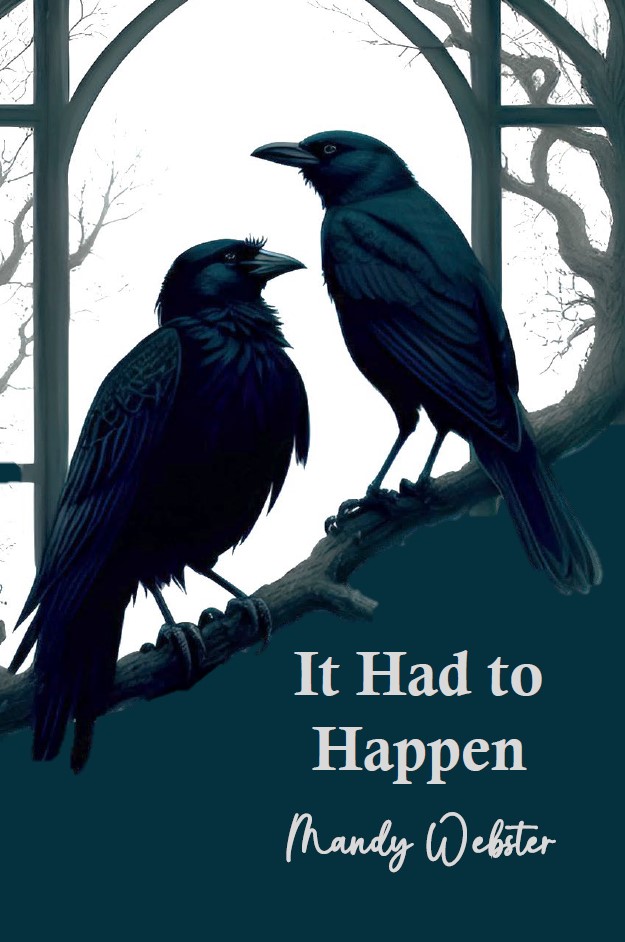
And now, a look at my latest novel, It Had to Happen!
Book Summary
When Jack Utley loses his daughter just as his business is about to soar, it seems he’s traded financial gain for Callie’s life. After an encounter with a mysterious woman on the eve of Callie’s funeral, Jack wakes up to find that time has somehow rewound to the morning of Callie’s accident. Jack gets an opportunity that most grieving parents can only dream of – he saves his daughter’s life.
Are you enjoying this content? Please consider leaving a tip! You can buy me a cup of coffee or donate a larger amount to help me “make a living” writing so I can quit my day job!
Become a regular patron of my art by signing up to contribute a set monthly dollar amount to help me make a living with my writing!
You can also make an annual contribution to my writing. Select an amount below!
Choose an amount
Or enter a custom amount
Your contribution is appreciated.
Your contribution is appreciated.
Your contribution is appreciated.

 Write on the World