
Finish Writing Your Novel Now!

How to write effective interior monologue in your novel

In novel writing, interior monologue is the narrative technique used to reveal a character’s inner thoughts, feelings, and reflections. It’s a way to give readers direct access to what a character is thinking without the character saying those thoughts out loud. This technique can deepen character development, help readers understand motivations, and create a more intimate connection between the character and the reader.

The purpose of interior monologue is to reveal a character’s inner thoughts, feelings, and reflections.

Getting interior monologue right is key in novel writing because it deepens character development by revealing a character’s private thoughts and emotions, giving readers access to their inner lives. It helps readers form a stronger emotional connection, even with flawed or conflicted characters, making them more relatable.

Continue reading “How to write effective interior monologue in your novel”

Finish Writing Your Novel Now!

What is proportion in novel writing?

In novel writing, proportion refers to the balance of different elements within the story—such as plot, character development, setting, and theme—to create a cohesive, engaging narrative. Proportion affects how much time and space are given to each element, helping to shape the reader’s experience and guide their focus. When proportion is well-balanced, readers feel drawn into the story without feeling overwhelmed by too much detail or frustrated by too little.

Proportion in novel writing is about giving each element the right amount of space to contribute to the whole story without overloading or neglecting any part.

Here are some key aspects of proportion in novel writing:

Continue reading “What is proportion in novel writing?”
Finish Writing Your Novel Now!

How to Create a Style Guide for Your Novel Manuscript

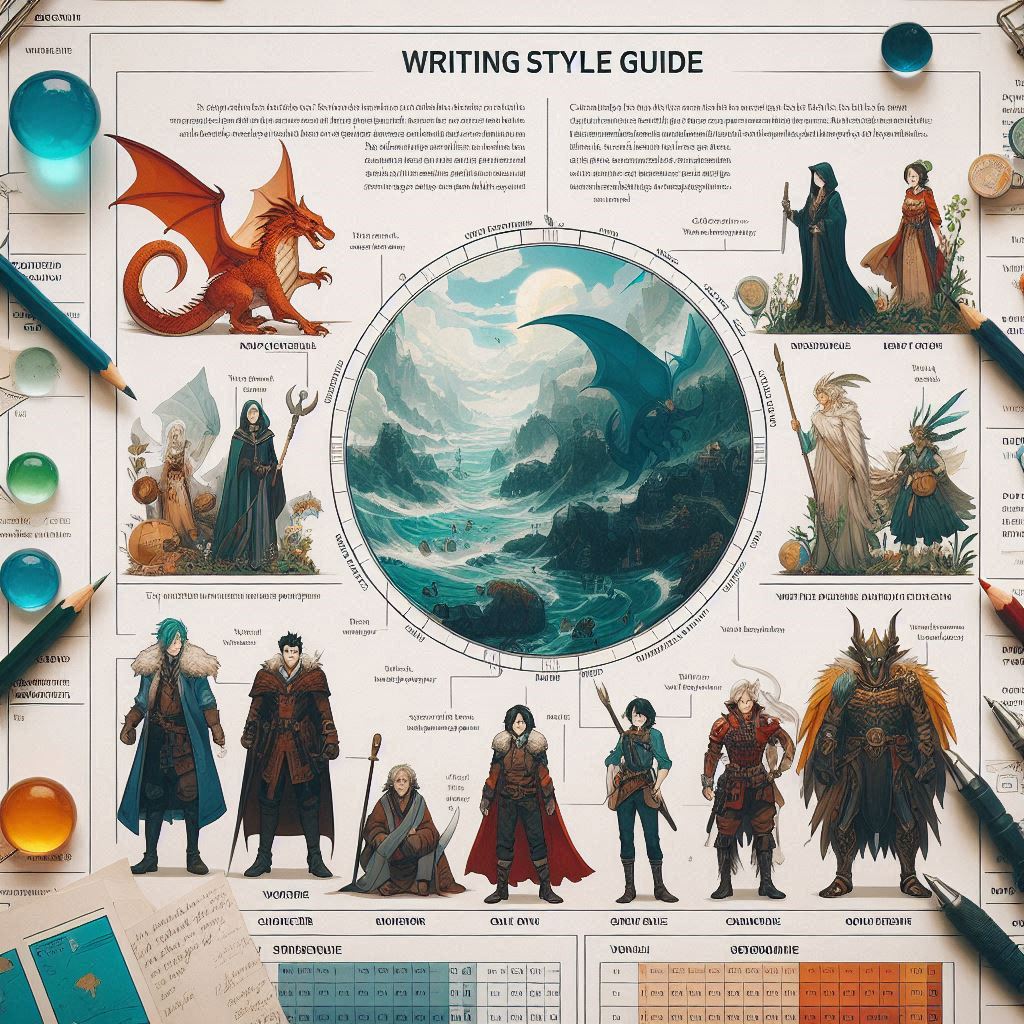
A style guide is an essential tool for any novelist who wants to stay organized and ensure consistency throughout their manuscript. Whether you’re managing character descriptions, tracking worldbuilding details, or simply making sure certain words are used the same way, a style guide helps you maintain accuracy and clarity in your story. By creating a reference document tailored to your novel, you make it easier to avoid inconsistencies and approach your work with a critical eye for detail. Here’s a step-by-step guide on how to create a style guide for your manuscript.

Your writing style guide doesn’t need to be quite this fancy. It could be as simple as an Excel spreadsheet, a Word document, or even handwritten note cards.

Start with Character Profiles

Character profiles are crucial for keeping track of your main and supporting characters. In this section, include essential information for each character, such as physical description, age, background, personality traits, and key relationships. If your character has specific speech patterns, catchphrases, or unique mannerisms, make note of these to ensure consistency.

Continue reading “How to Create a Style Guide for Your Novel Manuscript”
Finish Writing Your Novel Now!

How to check for consistency when revising your novel manuscript

Consistency is a crucial yet sometimes overlooked aspect of novel revision. When elements like character traits, timeline details, or even place names vary across chapters, readers may feel disoriented, which can pull them out of the story. Catching these inconsistencies is key to building a cohesive, believable world for your readers.

When revising and refining your novel manuscript, it will likely feel like there are an infinite number of details to keep track of!

Following are some strategies to help you check for and maintain consistency as you revise your novel manuscript:

Continue reading “How to check for consistency when revising your novel manuscript”
Novel Writing, Thesis

After all, it is the weekend.

A 6-year-old and a cat
Life seems so simple when you’re a 6-year-old and a cat.

My six-year-old paid me a visit this morning as I lay in bed considering which part of my creative thesis I should focus my efforts on today.

Do I work on the POV shifts I don’t completely understand and try to muddle my way through filtering my entire story strictly through my protagonist’s POV?

-OR-

Is it more important to focus on the much-needed world-building? My fantasy novel so far takes place in a jumbled mix of worlds that I don’t completely understand myself. It’s no small wonder my first reading left my thesis advisor feeling confused. Continue reading “After all, it is the weekend.”