The Five-Act Structure is similar to the three-act structure but breaks the story into five main parts, with additional turning points in the middle. This structure is commonly used in Shakespearean plays.
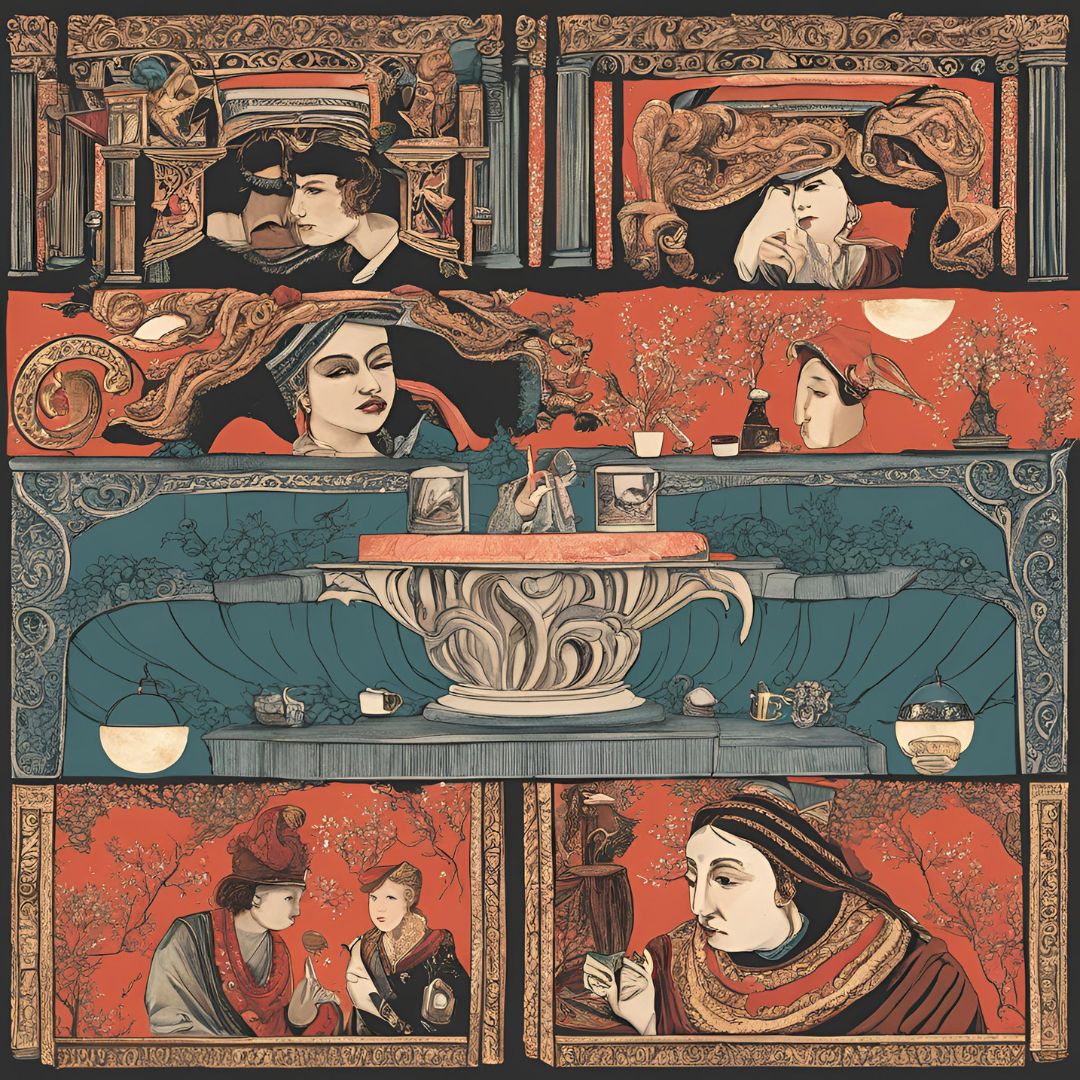
Image created using artificial intelligence (AI).
A five-act story structure outline breaks a story into five main parts, with additional turning points in the middle. Here is a general breakdown of each act:
The three-act story structure is the most commonly used basic story structure in modern storytelling, and it consists of a setup, confrontation, and resolution. While the origins of the three-act structure are difficult to trace, it has been used in storytelling for centuries and is often attributed to Aristotle, who wrote about the importance of dramatic structure in Poetics.
The three act story structure may be as old as stories themselves! Image created with Canva Free AI Image Generator.
The basic structure of each of the three acts follows:
The Setup: This is the first act of the story, where the characters and their world are introduced. The Setup establishes the status quo and introduces the main character, their goals, and the obstacles they will need to overcome.
The Confrontation: This is the second act of the story, where the main character faces increasing obstacles and challenges on their journey toward their goal. The Confrontation is where the story’s tension and conflict typically reach their peak, as the protagonist struggles to overcome their biggest obstacles.
The Resolution: This is the final act of the story, where the main character faces the climax of the story and resolves the central conflict. The Resolution typically includes a sense of closure, as the protagonist achieves their goal or is transformed by their journey.
“Pantsing” and “plotting” are two very different approaches to novel writing. The term “pantsing” comes from the phrase, “flying by the seat of your pants,” which means to improvise or make something up as you go along. The phrase was first used in the 1930s in reference to airplane pilots who navigated without the aid of instruments.
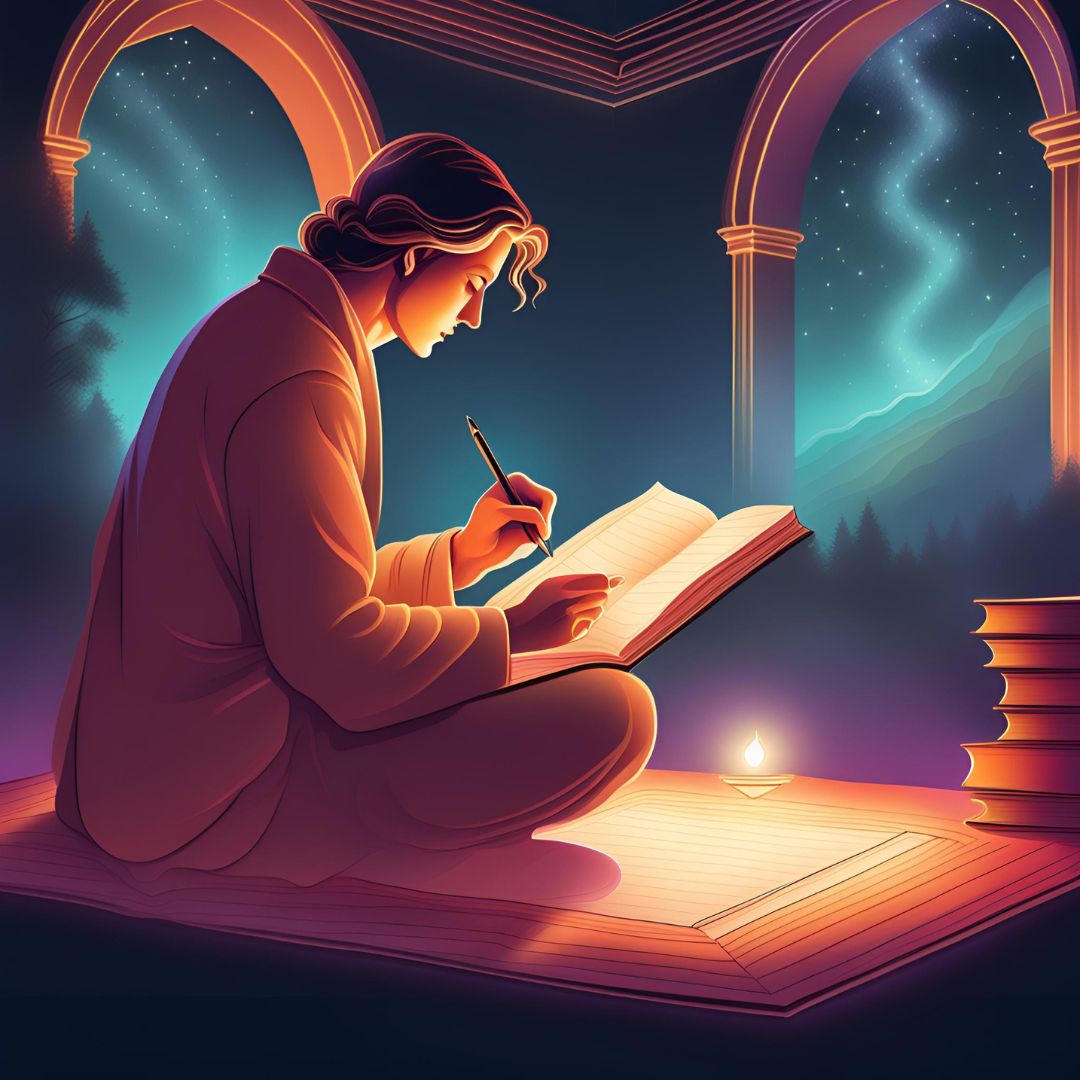
Few writers are successful at pantsing their way to the end of a good manuscript. Those who can do it possess a certain kind of magic that most of us will never obtain. Image created with Canva Free AI Image Generator.
The term “pantsing” in the context of writing specifically refers to a technique where the author writes without a detailed plan or outline, instead relying on inspiration and improvisation to guide the story. This technique is also known as “discovery writing” or “organic writing.” It is unclear exactly when the term “pantsing” was first used in this context, but it is thought to have gained popularity in writing communities and workshops in the 1990s. It has since become a widely used term in the writing world, particularly in discussions about outlining and planning versus improvisation and discovery.


 Write on the World