Finish Writing Your Novel Now!

How to identify unnecessary scenes in your novel

Identifying unnecessary scenes in your novel is a crucial step in refining your manuscript and ensuring that every moment contributes meaningfully to the story. By learning to recognize and trim these extraneous parts, you can maintain a tight, engaging plot that keeps readers hooked from start to finish. Today, we’ll explore key indicators of unnecessary scenes and learn some practical tips to help you streamline your novel, making it more impactful and enjoyable for your audience
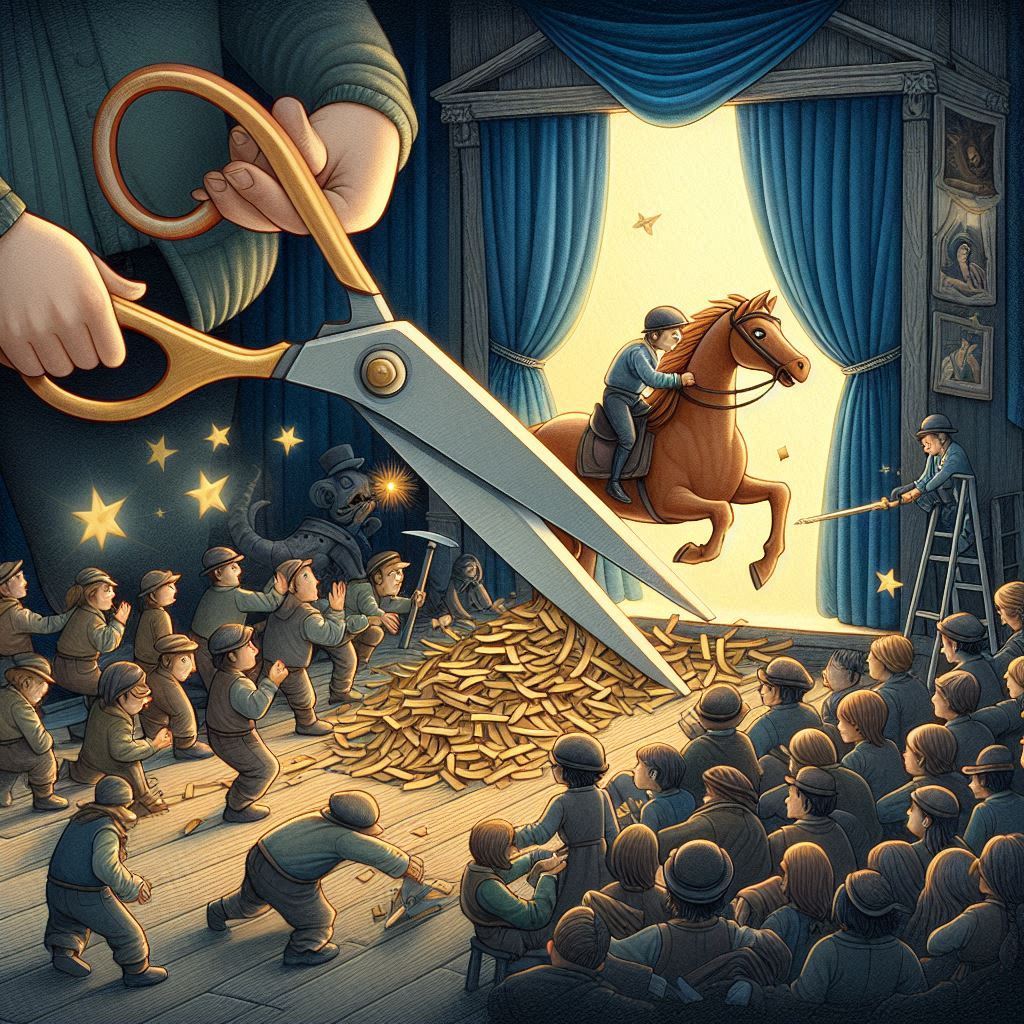
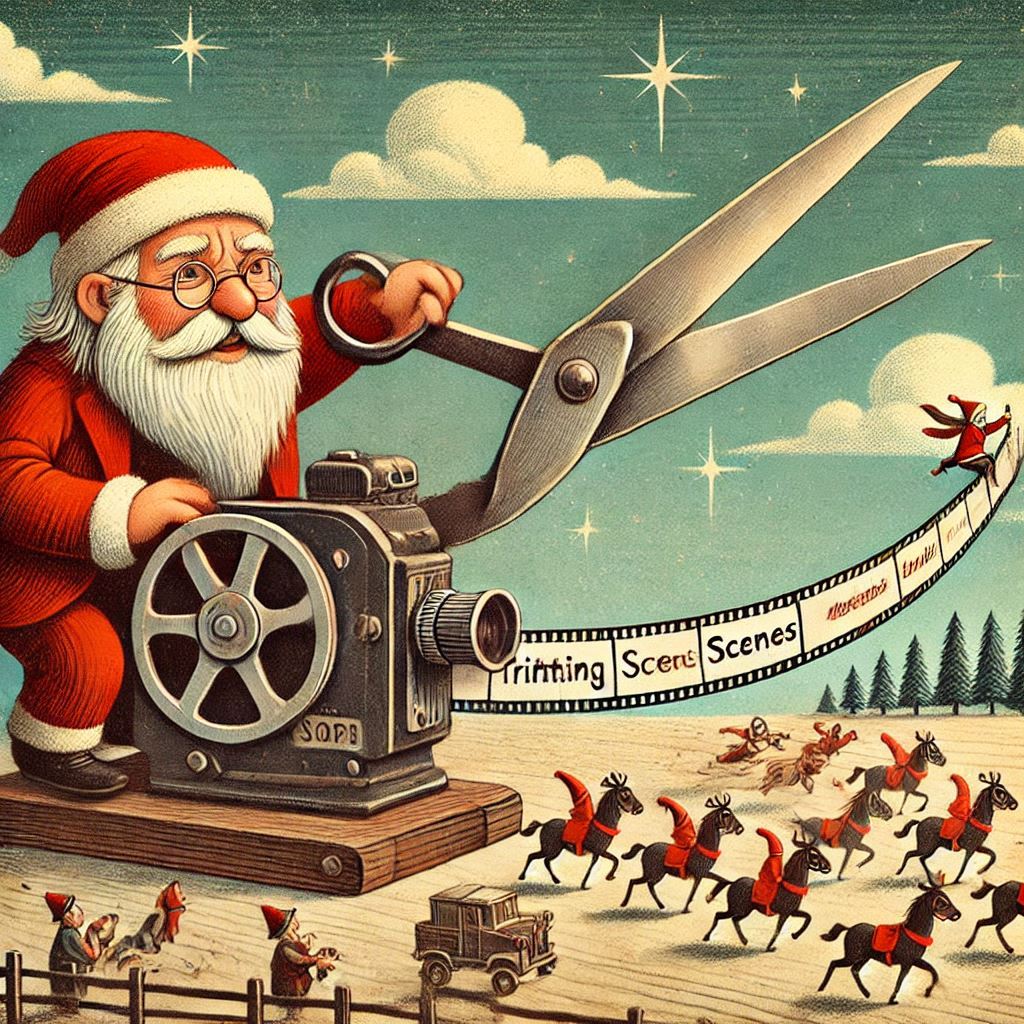
As writers, it’s easy to become attached to every scene we create, but not all scenes serve the greater narrative.

Knowing which scenes to cut can be tricky, but there are a few clear signs that can guide you. Here’s how to pinpoint scenes that may be weighing down your manuscript:

Continue reading “How to identify unnecessary scenes in your novel”
Book Reviews, Find Your Next Read

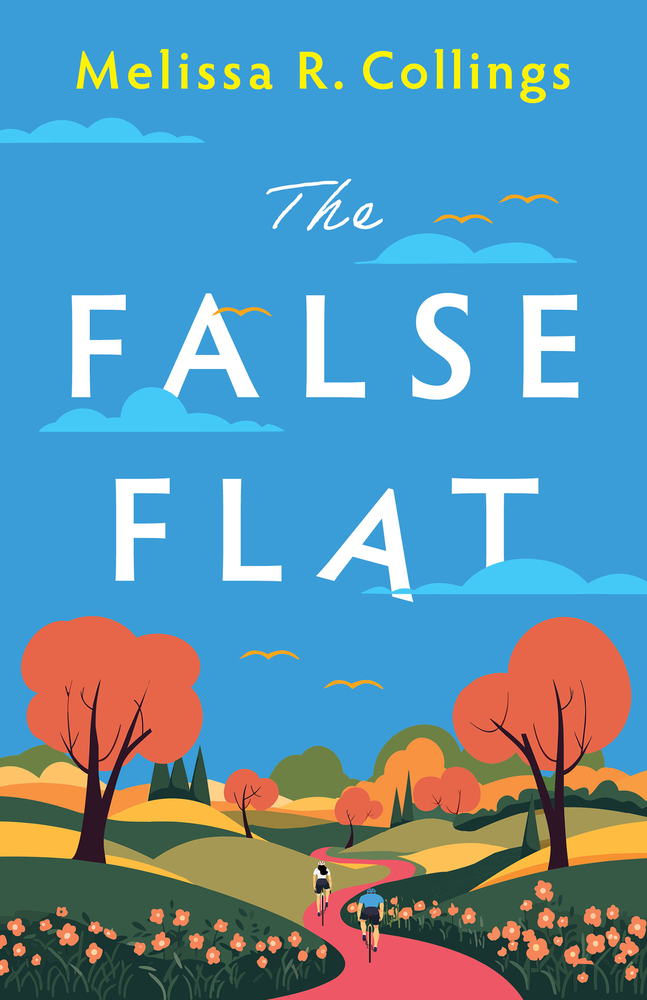
Book Review: The False Flat by Melissa R. Collings

Sometimes, life’s most pivotal moments happen when you least expect them—like a chance encounter over a box of Cap’n Crunch cereal. In Melissa Collings’ The False Flat, protagonist Penelope Auberge reminds us that even the messiest lives can be reshaped with courage, a little humor, and the right people by your side.

The False Flat by Melissa R. Collings

Pen is at her breaking point: juggling an overbearing mother, a toxic relationship with her married boyfriend, and a finance career where her efforts are overshadowed by her male colleagues. Instead of sinking under the weight of it all, she does something most of us only dream of: she uproots her life, leaving Minnesota for Tennessee to start fresh. Determined to open her own financial business and build a life she can truly call her own, Pen sets off for Nashville with a plan to reinvent herself. But she soon learns that even the best-laid plans can’t erase the past.

Continue reading “Book Review: The False Flat by Melissa R. Collings”
Finish Writing Your Novel Now!

Why you should trim unnecessary scenes from your novel manuscript

As writers, it’s easy to get attached to every scene we create. Each moment feels essential, whether it’s a deep character monologue or a beautifully crafted description of a setting. But sometimes, in the pursuit of a well-rounded, detailed story, we inadvertently pile on scenes that may not serve the greater narrative. The truth is, trimming unnecessary scenes is one of the most effective ways to strengthen your novel. In this post, we’ll discuss why cutting scenes is vital and provide tips on how to identify and trim the fat in your manuscript.

Trimming unnecessary scenes doesn’t mean you’re discarding your creativity—it’s about refining and strengthening your story. Here are a few reasons why trimming is crucial:

Continue reading “Why you should trim unnecessary scenes from your novel manuscript”
Finish Writing Your Novel Now!

What are dialogue mechanics in fiction writing?

Dialogue mechanics refer to the technical aspects of writing dialogue in creative writing. Getting dialogue mechanics right is essential in novel writing because it directly impacts the flow, authenticity, and readability of a story. Dialogue not only reveals character traits and advances the plot but also helps establish the tone and pacing of a scene.

Dialogue mechanics is just one element of ensuring effective flow and readability within your story.

Poorly executed dialogue can feel stilted or forced, interrupting the immersive experience for readers. On the other hand, well-crafted dialogue that follows the rules of mechanics—such as punctuation, speaker tags, and line breaks—enhances clarity, ensuring readers can follow conversations effortlessly. Mastering these elements also enables writers to create natural-sounding exchanges that reflect real-life speech patterns, even in the context of fictional scenarios. Ultimately, dialogue mechanics are a crucial tool for writers to maintain rhythm, build tension, and craft compelling characters.

Continue reading “What are dialogue mechanics in fiction writing?”
Author Interview

Author interview with thriller writer L.A. Brink

This week we welcome psychological thriller author, L.A. Brink to the website! I’m a HUGE thriller fan myself, so I’m definitely adding her novel, Unstable, to my to-be-read (TBR) pile!

L.A. Brink is a writer from Illinois with a Bachelor’s degree in photography from Illinois State University, but she has always had a passion for writing. Brink lives with her husband and two sons. She writes any chance she can get.

Continue reading “Author interview with thriller writer L.A. Brink”
Finish Writing Your Novel Now!

How to develop your own narrative voice

Your narrative voice is the unique way you tell your story, characterized by your choice of words, tone, and style. It reflects your personality, experiences, and perspective, making your writing authentic and engaging. Whether you’re a seasoned writer looking to enhance your storytelling or a beginner eager to find your unique voice, these strategies will guide you on your journey to becoming a more confident and expressive writer. Let’s dive in and unlock the power of your narrative voice!

Developing your own narrative voice is a crucial step in becoming a distinctive and compelling writer.

Developing a distinctive narrative voice takes practice, but there are a few strategies that can help:

Continue reading “How to develop your own narrative voice”
Book Reviews, Find Your Next Read

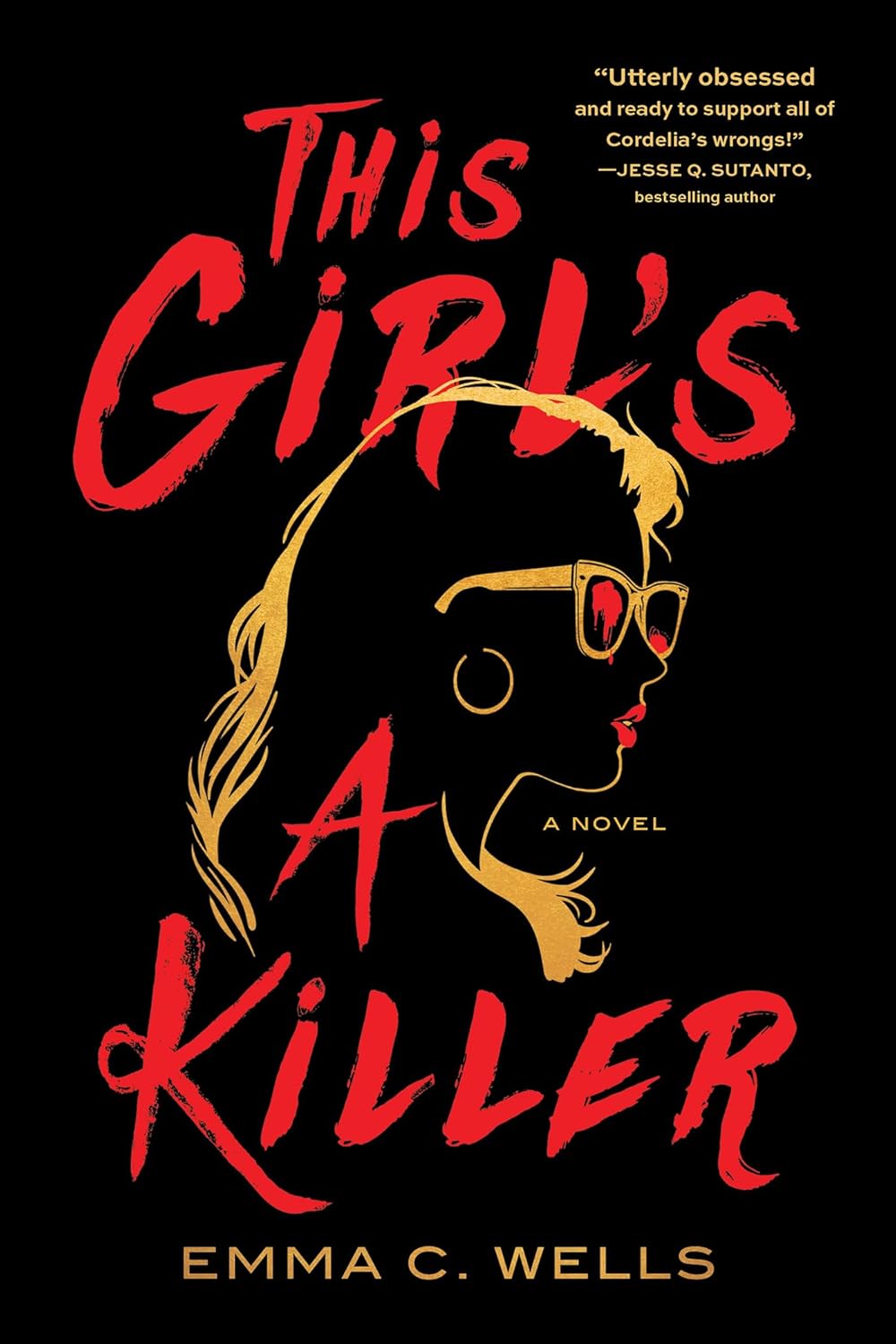
Book Review: This Girl’s a Killer by Emma C. Wells

Do you just love watching bad things happen to bad dudes? The big guys like Harvey Weinstein, Louis C.K., Aziz Ansari, Andrew M. Cuomo, (and hopefully someday Donald Trump) are toppled publicly for all to see. But what about the everyday bad guys—the nobodies who use and abuse those who don’t have the power or the platforms to make their voices heard? In This Girl’s a Killer, Emma C. Wells introduces readers to Cordelia Black, a pharmaceutical rep by day and an unapologetic dispenser of justice by night. Set against the sultry, morally gray backdrop of South Louisiana, the novel delivers a character-driven thriller that’s as sharp and polished as its protagonist’s designer wardrobe.

This Girl’s a Killer by Emma C. Wells

Cordelia Black isn’t your typical serial killer. Or, as she would vehemently argue, she’s not a serial killer at all. To her, “Karma” isn’t just a concept; it’s her calling. Her targets are meticulously chosen—men who have evaded justice for their heinous crimes. And though the evening news might paint her as a monster, Cordelia’s actions feel like a balm for those who crave retribution in an unjust world.

Continue reading “Book Review: This Girl’s a Killer by Emma C. Wells”
Finish Writing Your Novel Now!

Types of voice in fiction writing

Different types of voice can significantly impact how a story is perceived, whether it’s the intimate first-person voice that draws readers into the protagonist’s inner world, the omniscient third-person voice that offers a broader perspective, or the distinctive voice of a particular character that adds depth and authenticity.

In fiction writing, the concept of “voice” is crucial as it shapes the reader’s experience and connection to the story.

There are several different types of voice that an author can choose from, each with its own nuances and effects on the narrative:

Continue reading “Types of voice in fiction writing”
Finish Writing Your Novel Now!

Voice in novel writing: crafting a distinctive and engaging narrative

One of the most captivating aspects of any great novel is its voice. Voice in writing is more than just the words on the page—it’s the personality, tone, and rhythm of the narrative that makes it unique.

How do you (should you?) inject your personal voice into your writing? And then, how do you give each of your character’s their own individual voices?

Whether it’s the quirky, sarcastic tone of a first-person narrator or the elegant, descriptive style of a third-person omniscient narrator, voice can make or break a story. But what exactly is voice in novel writing, and how do you find and refine yours? In this blog post, we’ll dive into the concept of voice, why it matters, and how you can develop a distinctive voice for your own writing.

Continue reading “Voice in novel writing: crafting a distinctive and engaging narrative”
Author Interview

Author interview with war/horror writer John Milas

John Milas’ novel, The Militia House, is inspired by a portion of his experience deployed to Afghanistan. He says, “The book is a horror novel because I found the war to be scary amidst a branch of service and mostly an entire country of people (the U.S.) who were not afraid of the war. My goal was to make the war scary for readers. We’re too conditioned to accept war as a norm to actually feel afraid of realistic portrayals of war. It’s like asking someone to play Call of Duty and seriously reflect on the nature of killing. It’s not going to happen.”

John Milas is a writer from Illinois. His debut novel, The Militia House (Henry Holt, 2023), was nominated for a 2023 Shirley Jackson Award, longlisted for the Center for Fiction’s First Novel Prize, and additionally recognized by Indies Introduce, Indie Next, and The Audacious Book Club. He received a Walter E. Dakin fellowship to attend the Sewanee Writers’ Conference in 2024.

Continue reading “Author interview with war/horror writer John Milas”