Finish Writing Your Novel Now!

What are the benefits of traditional publishing?

Traditional publishing in the fiction world is the process of publishing a book through a traditional publishing house such as Penguin Random House, HarperCollins, or Simon & Schuster. The process typically involves submitting a manuscript to a literary agent, who then pitches it to publishers on the author’s behalf. If a publisher is interested in the manuscript, they will offer the author a publishing contract, which includes an advance against royalties, editorial services, and book distribution.

In this series, we’ve reviewed the planning, writing, evaluating, and revising steps of the novel writing process. Now it’s time to publish your novel! Should you go the traditional route or publish your novel independently?

In traditional publishing, the publisher assumes most of the financial risk associated with publishing a book, such as the cost of editing, cover design, printing, and marketing. In exchange, the publisher takes a percentage of the book’s sales revenue. Traditional publishing is often seen as the “gold standard” of book publishing, as it provides a level of prestige, credibility, and distribution that can be difficult to achieve through other publishing avenues. However, the process of getting published through a traditional publisher can be highly competitive, and rejection rates are often high.

Continue reading “What are the benefits of traditional publishing?”
Finish Writing Your Novel Now!

What’s the difference between traditional and independent publishing?

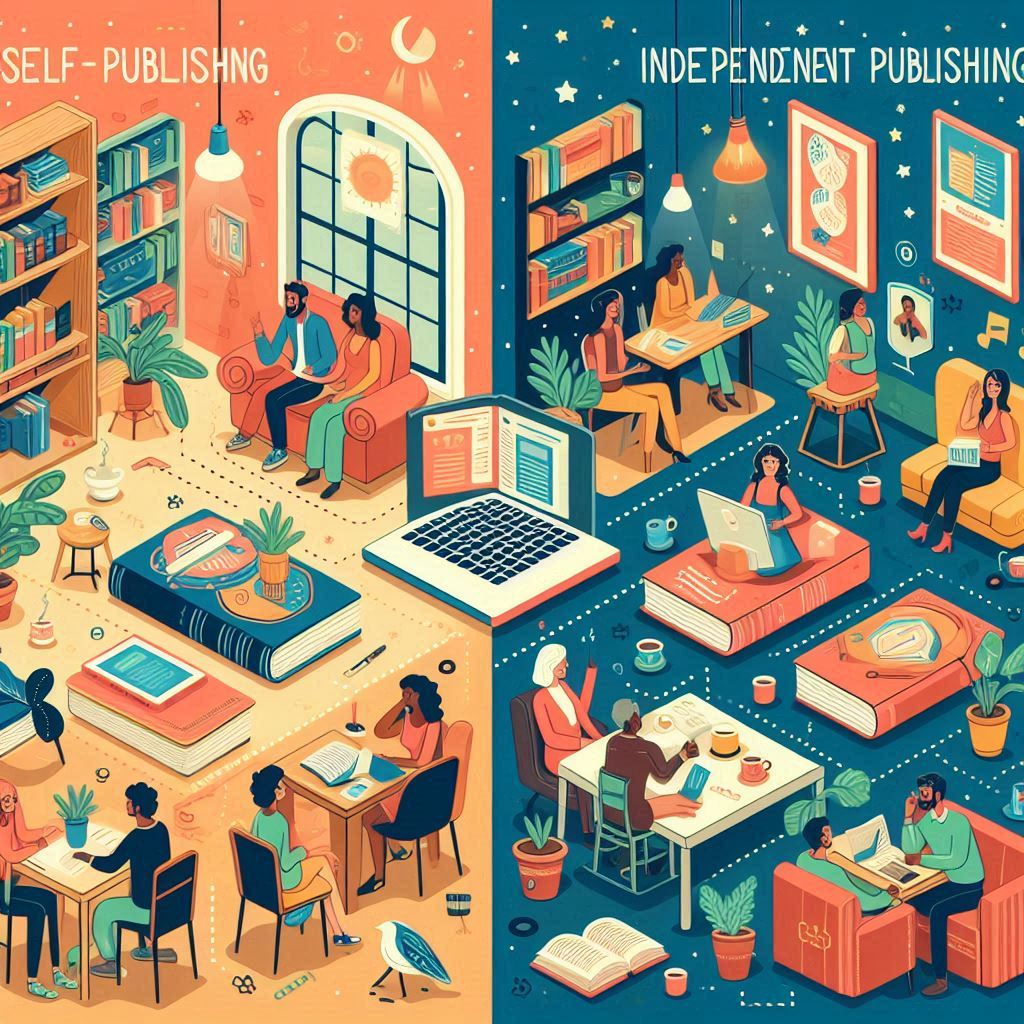
It’s crucial for authors to understand the benefits and risks of both traditional and independent publishing because the path you choose can significantly impact your writing career, creative control, and financial outcomes. Traditional publishing offers the advantages of an experienced team to guide your book through editing, design, marketing, and distribution, often providing wider reach and credibility. However, it also comes with risks, such as lengthy timelines, less creative control, and the challenge of securing a publishing deal in a highly competitive industry. 

In this series, we’ve reviewed the planning, writing, evaluating, and revising steps of the novel writing process. Now it’s time to publish your novel! Should you go the traditional route or publish your novel independently?

Conversely, independent publishing grants full control over your work, quicker turnaround times, and higher royalty percentages, but it also requires substantial effort and resources. You’ll be responsible for funding and managing essential tasks like editing, cover design, and marketing. Without a clear understanding of these trade-offs, authors might find themselves unprepared for the demands of their chosen route, leading to unmet expectations or financial strain. By weighing the benefits and risks, you can make an informed decision aligned with your goals, skills, and resources, ensuring a smoother journey to publication and beyond.

Continue reading “What’s the difference between traditional and independent publishing?”
Finish Writing Your Novel Now!

The fifth step in the novel writing process: Publish your novel!

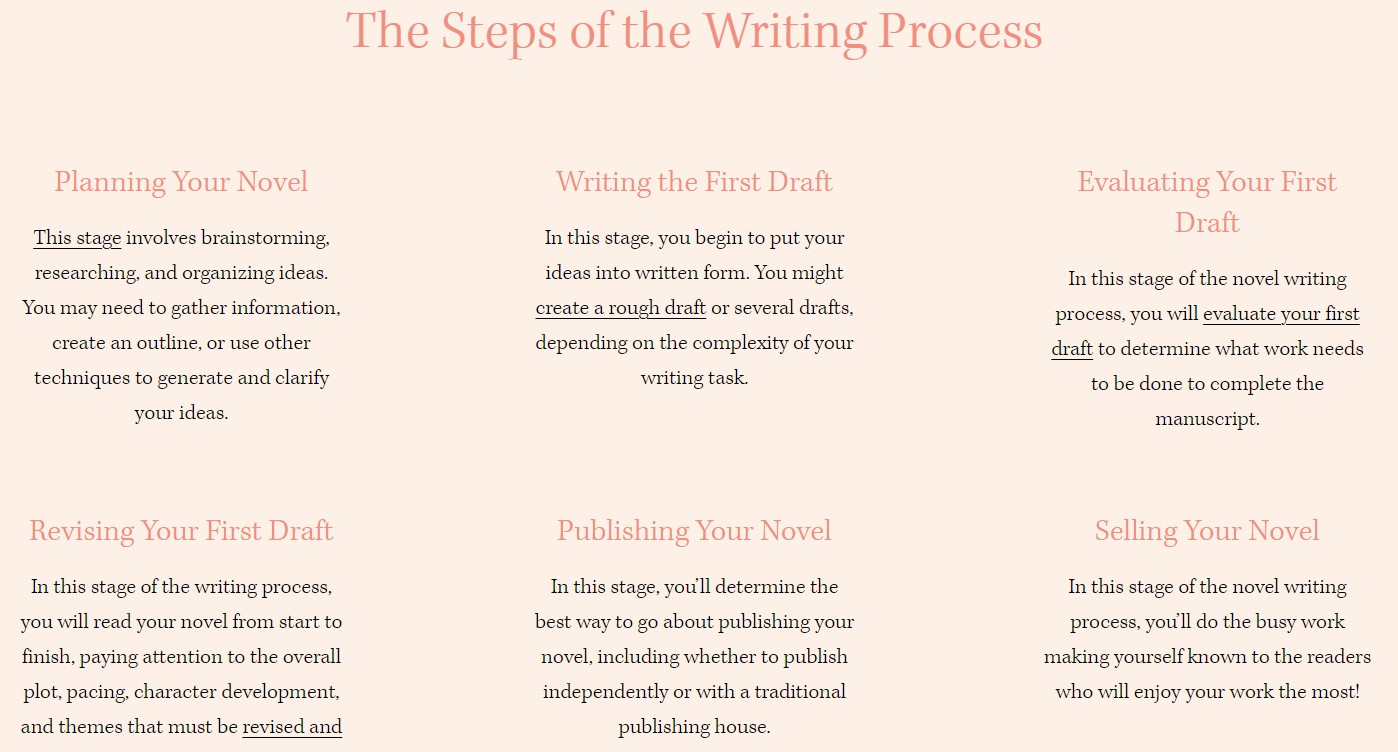
Now that you have written your novel and polished it to perfection, it’s time to enter the next phase of the novel writing process. While it might feel like the finish line is in sight, publishing is actually an integral part of the journey, not just the end point. It’s the bridge between your story and its audience, and how you approach this step can make all the difference in how your book finds its readers. Whether you’re aiming for a traditional publisher or planning to self-publish, viewing publishing as an essential step of the novel writing process will help you prepare for what’s to come and set your novel up for success.

In this series, we’ve reviewed the planning, writing, evaluating, and revising steps of the novel writing process. Now it’s time to publish your novel!

Writing a novel is a deeply personal and creative endeavor, but its ultimate purpose is to be read. By thinking about publishing as you write, you can better shape your story to meet the needs of your intended audience and the expectations of your chosen publishing path, whether traditional or independent.

Continue reading “The fifth step in the novel writing process: Publish your novel!”