
Most dystopian novels are driven by resistance, escape, or revolution. Jacqueline Harpman’s I Who Have Never Known Men asks a deeper, more disquieting question: What happens after? After the fences fall, after the captors vanish, after the systems collapse. What’s left to live for—especially when you never knew what it meant to live in the first place?
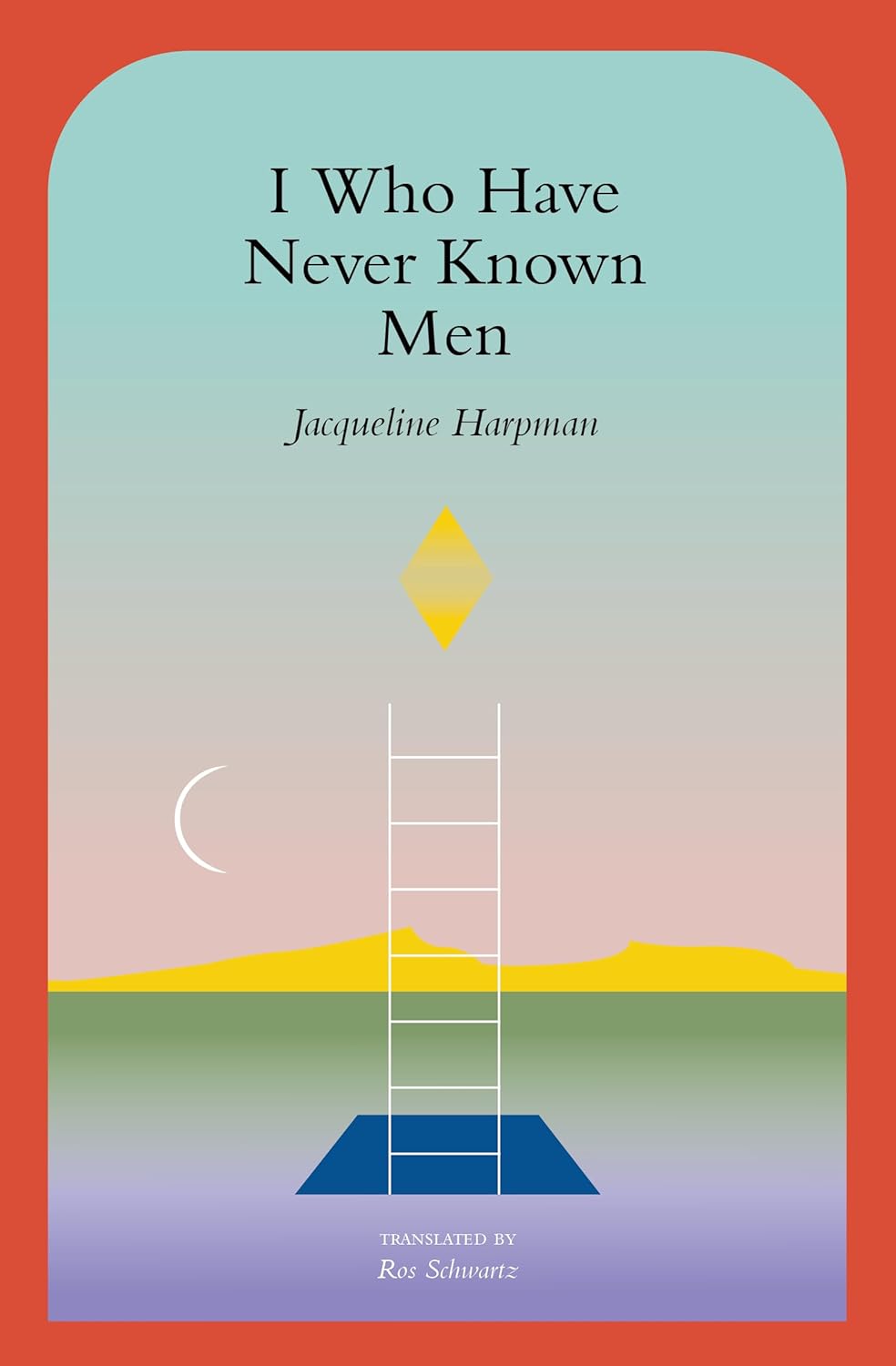
Originally published in 1995 and recently rediscovered by BookTok readers who can’t stop recommending it, this slim but devastating novel centers on a girl known only as “the child”—the youngest of forty women imprisoned deep underground by silent male guards. The women have no memory of how they got there or how long they’ve been inside. Time doesn’t function the way it should. They suspect they were drugged. They’re fed regularly, forbidden from touching, and watched constantly, but no explanations are ever given. It’s a setting that feels like a cross between The Handmaid’s Tale and The Road but stripped of the usual narrative comforts: there’s no master plan to uncover, no rebellion to lead, and no villain to confront. There’s only waiting.
And then, escape.
When the alarm system fails one day, the women find themselves abruptly free and step out into a desolate plain with no animals, no people, and no answers. Their former prison, with its food stores and electric lighting, becomes a temporary refuge. But even outside the cage, they’re still not free. Most of the women are haunted by the shadows of lives they can’t quite remember—children lost, lovers forgotten, selves erased. Some of them simply cannot go on.
But “the child,” who was too young when she arrived to remember anything from before, is different. She has nothing to mourn and everything to discover. For her, survival is not just endurance; it’s a quest. She finds meaning not in memory, but in movement—walking, wondering, observing, trying to understand the world that once was and the one she now inhabits. Her innate curiosity becomes a kind of existential engine, propelling her forward even as others give up.
In this way, Harpman uses a minimalist narrative to explore the biggest possible questions. What is the purpose of life when there is no society to serve, no future to plan for, no one left to love? Does meaning come from what we remember—or what we choose to imagine?
The book resists neat allegory or explanation, which is part of what makes it so unsettling and absorbing. The plain the women wander feels post-apocalyptic but unrecognizably so. It’s unclear whether this is Earth at all, or a simulation, or something more metaphysical. As one reader wrote, it’s “a universe without an invented order.” That disorientation is deliberate. Harpman, a psychoanalyst who fled Nazi-occupied Belgium as a child, knows what it means to live with unanswered questions. Her writing is clear and spare, but the emotional resonance is profound.
At just under 200 pages, I Who Have Never Known Men is a deceptively simple novel that lingers long after you close the cover. It’s not a book that offers closure—but it does offer contemplation. And in its quiet, persistent way, it affirms the astonishing resilience of a mind—and a body—that keeps going even when all sense of purpose is stripped away.
Whether you come to it through the BookTok buzz, the Ursula Le Guin comparisons, or the sheer pull of its eerie premise, this novel earns its place in the modern canon of feminist speculative fiction. You’ll want to talk about it—probably as soon as you finish.
💬 What do you think? Have you read I Who Have Never Known Men? Do you think the main character’s hope is a strength—or a delusion? Share your thoughts in the comments!
Related Content
- How ‘I Who Have Never Known Men’ took over BookTok (The Cut)
- I who have never known men: Theories, themes & quotes (Esta Pinto)
- I Who Have Never Known Men book review (Radhika’s Reading Retreat)
- Sci-Fi book review: ‘I Who Have Never Known Men’ by Jacqueline Harpman (What is Quinn Reading)
Now available in print and on Kindle!
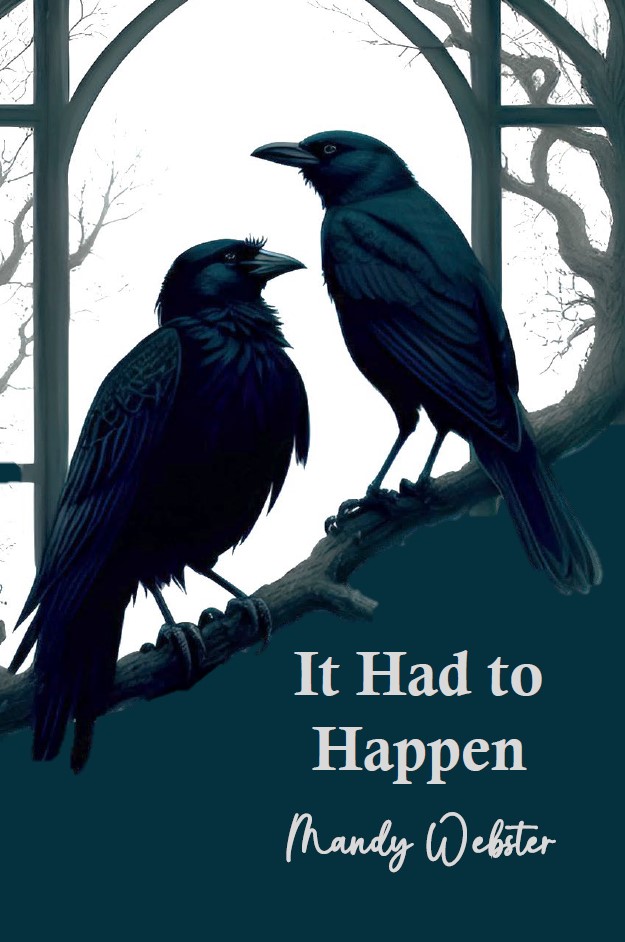
Check out my new novel, It Had to Happen, now available in print and on Kindle!
Book Summary
When Jack Utley loses his daughter just as his business is about to soar, it seems he’s traded financial gain for Callie’s life. After an encounter with a mysterious woman on the eve of Callie’s funeral, Jack wakes up to find that time has somehow rewound to the morning of Callie’s accident. Jack gets an opportunity that most grieving parents can only dream of – he saves his daughter’s life.
Now that Jack has been forced to reflect on everything he has to lose, he resolves to do better. He’s determined to spend more time at home with his family and repair the relationships that have suffered over the years while he’s been so focused on work. But as Callie’s behavior becomes increasingly bizarre, Jack realizes he has a lot more room to improve than he realized – and it might be too late to save his daughter after all.
For fans of We Need to Talk About Kevin, The Push, and Baby Teeth.
Are you enjoying this content? Please consider leaving a tip! You can buy me a cup of coffee or donate a larger amount to help me “make a living” writing so I can quit my day job!
Become a regular patron of my art by signing up to contribute a set monthly dollar amount to help me make a living with my writing!
You can also make an annual contribution to my writing. Select an amount below!
Choose an amount
Or enter a custom amount
Your contribution is appreciated.
Your contribution is appreciated.
Your contribution is appreciated.

 Write on the World